Home / All Pouches / Strong
Strong
This shelf gathers 132 listings, of which 113 can be ordered today, filed here on the milligram figure the manufacturer declares on the can and on nothing else. The declared figures actually recorded against listings on this shelf run from 4mg to 30mg, which is wider than the heading implies. We say so at the top rather than at the bottom.
The shelf name is our filing, not a verdict, not a tier and not a rung. We cannot advise which figure suits you — we do not know what you already use, and the can you already buy is the one reference point that would make any of these numbers mean something. It is exactly the thing we cannot see from here.
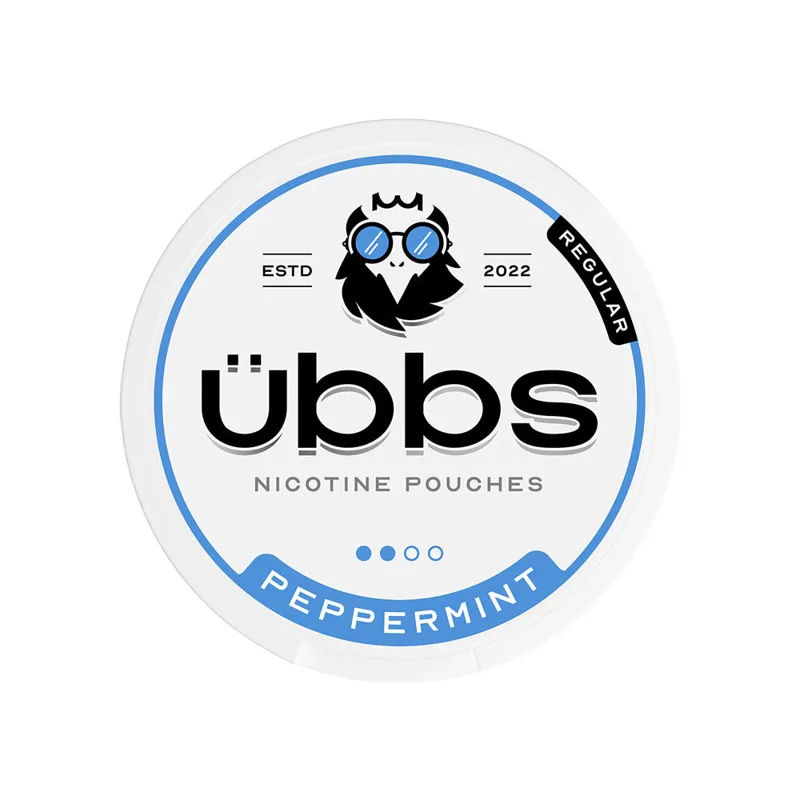
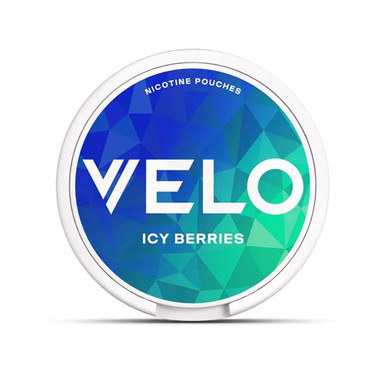
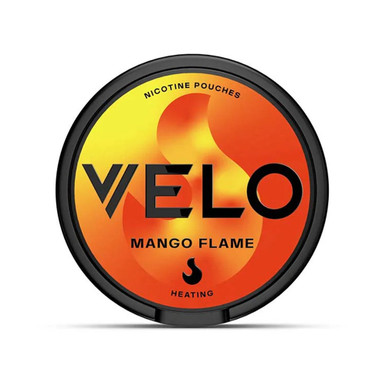
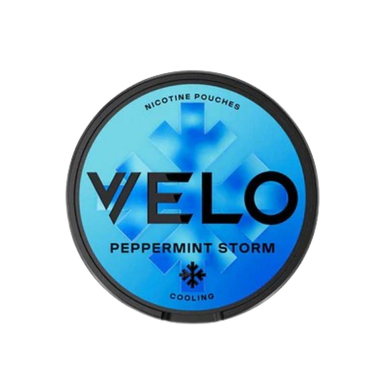
Energy PouchesLow StrengthMedium StrengthStrongExtra StrongPabloCubaIcebergKilla77ZYNVeloFumiNordic SpiritXQSRushDenssiUBBSSYXClewMaggiePouch NurdzElf BarWhite FoxKlintSiberiaEdgeMintBerryTropicalCitrusWatermelonCherryStrawberryColaMangoGrapeSweetEnergyCoffee
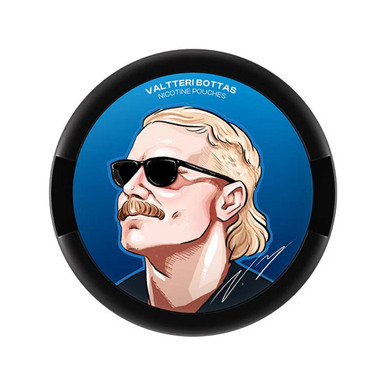

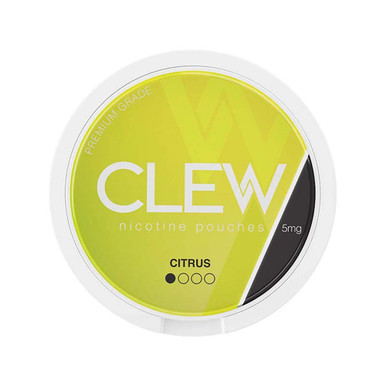
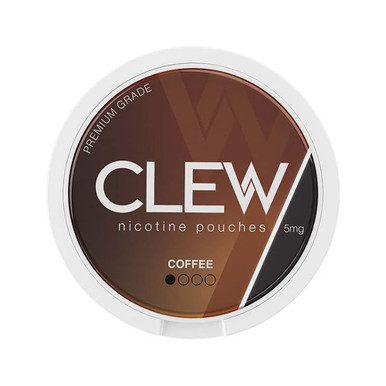
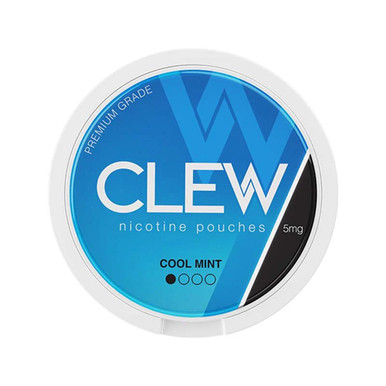



















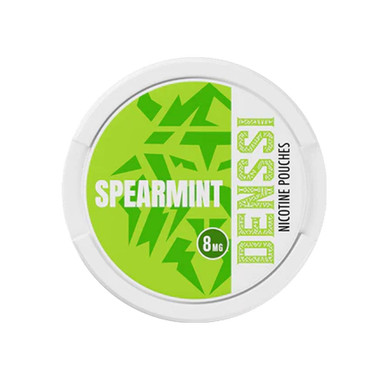
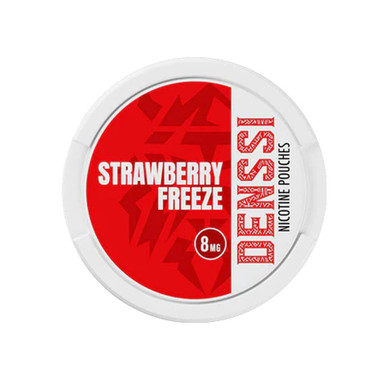
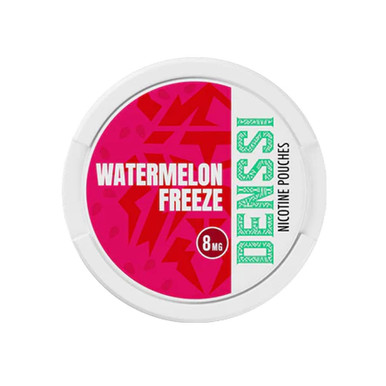

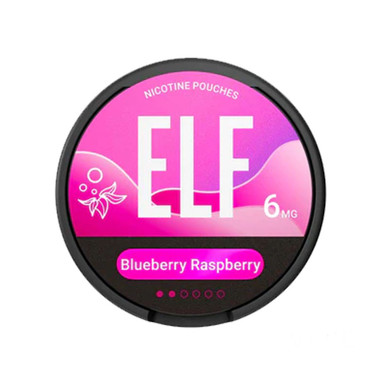
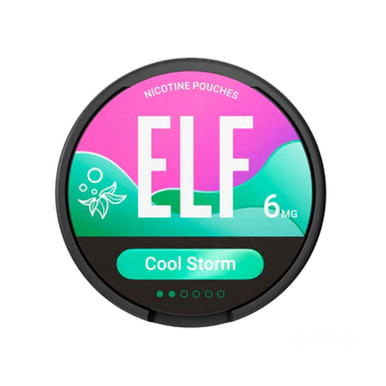
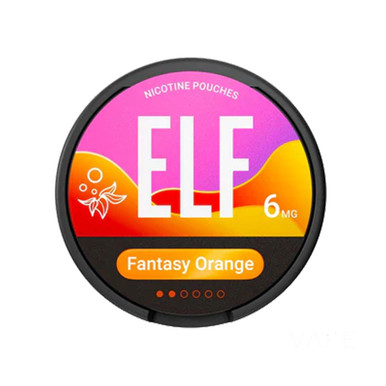
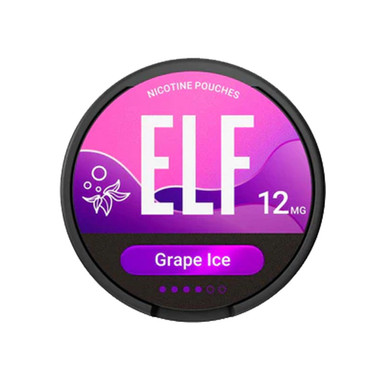
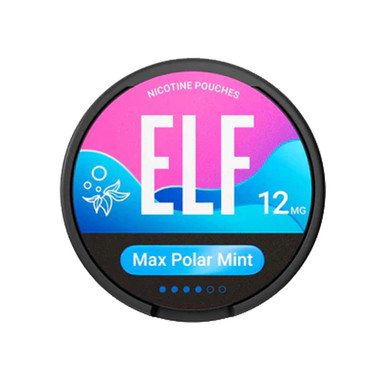
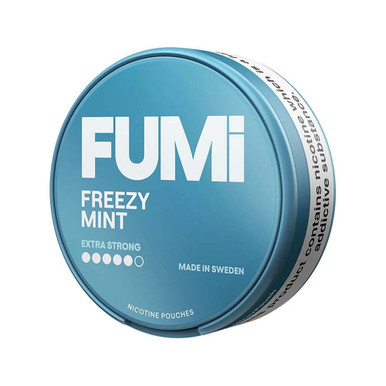
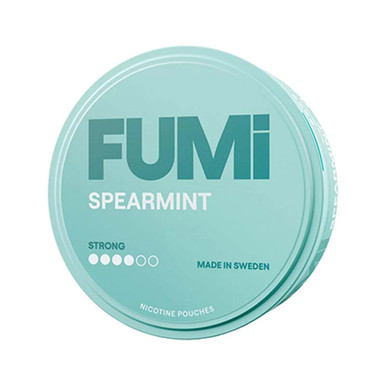

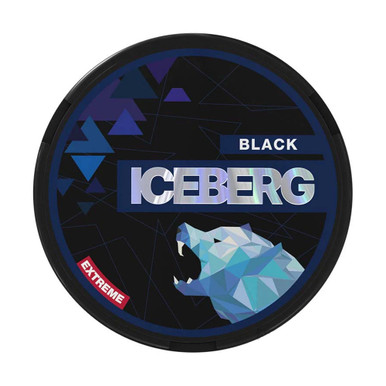

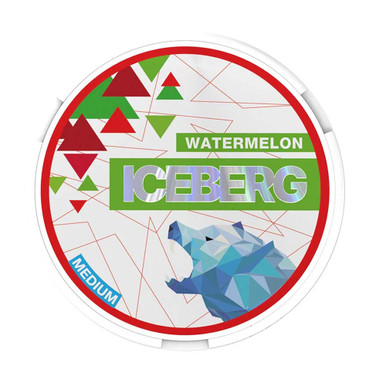

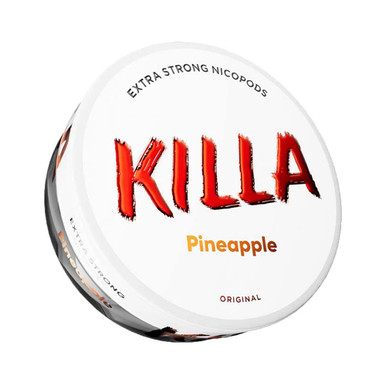
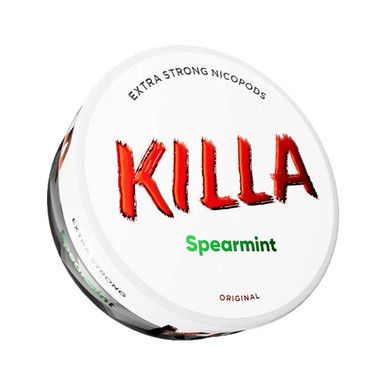
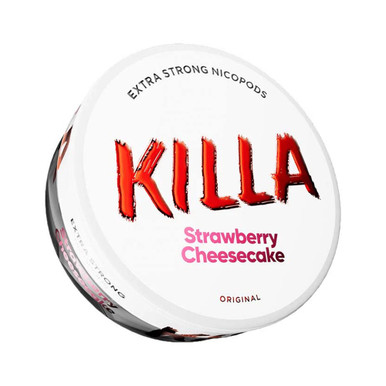
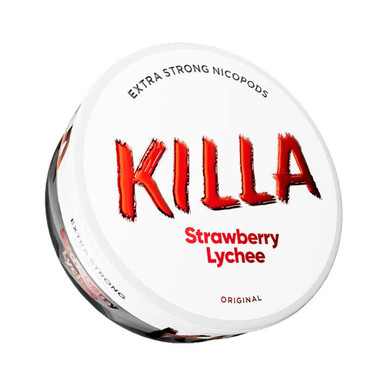



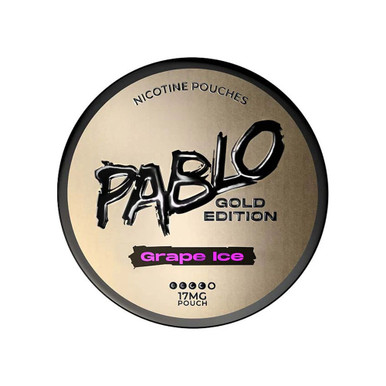
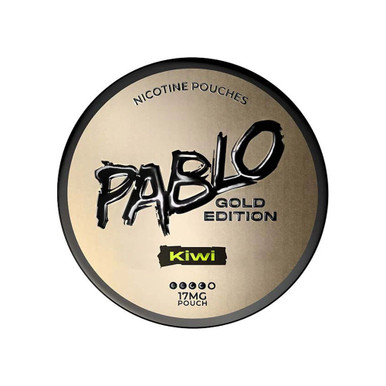
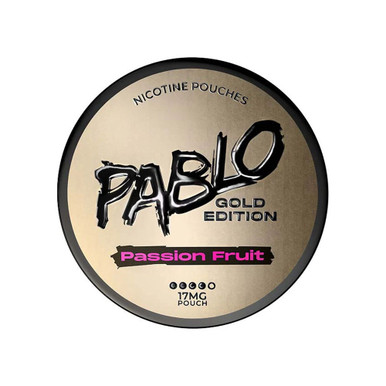
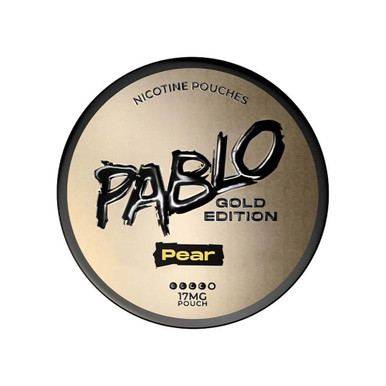
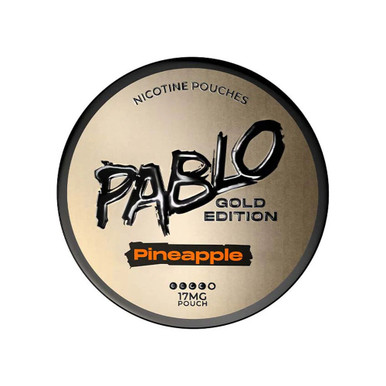
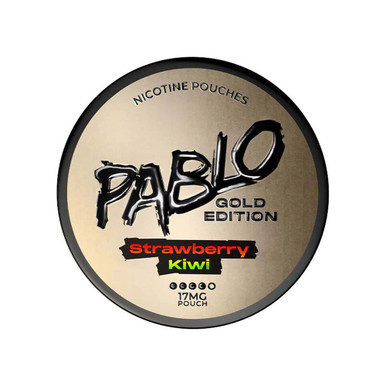
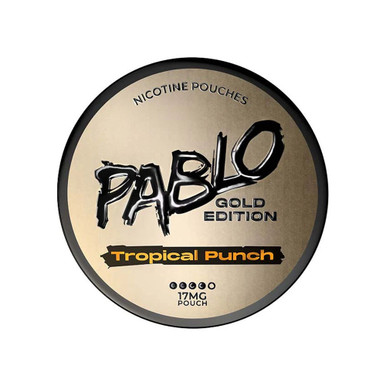
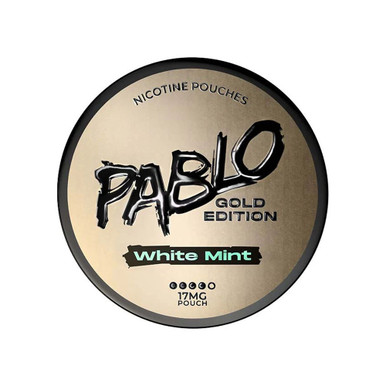


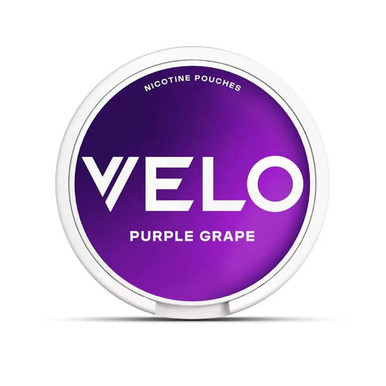
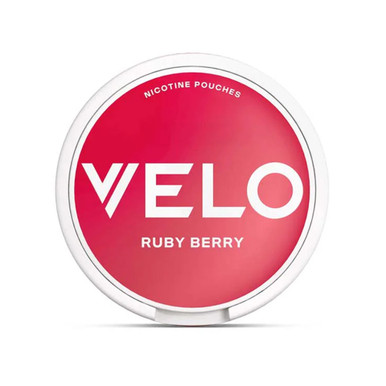
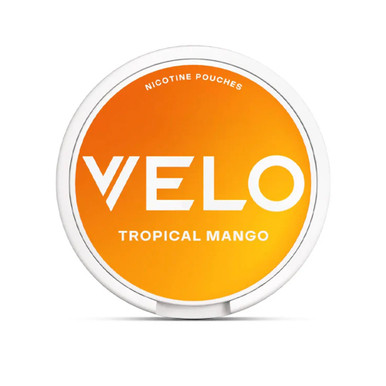
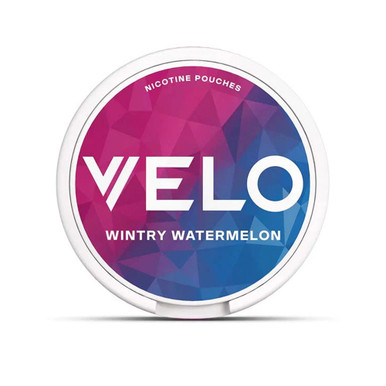


Related categories
Other ways into the range.
The real difficulty on this shelf: the listings look alike
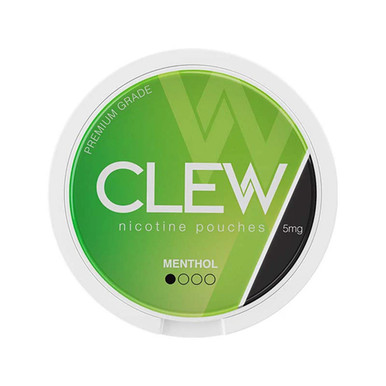
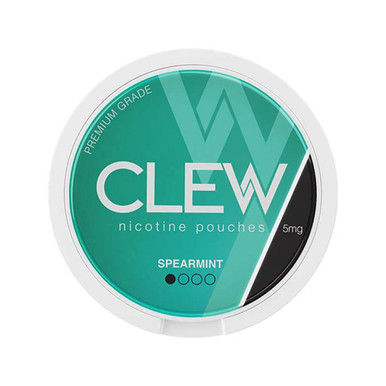
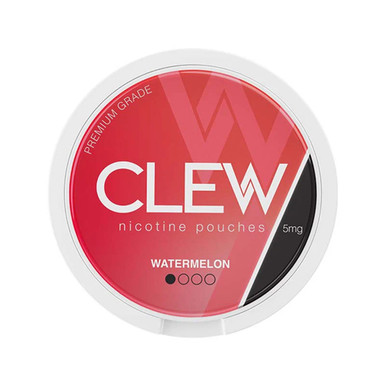
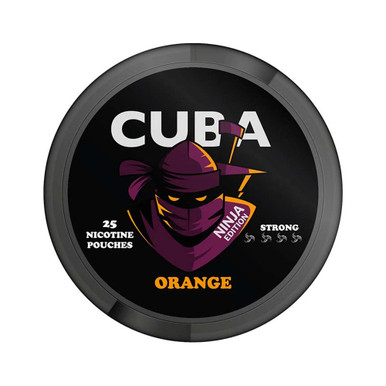
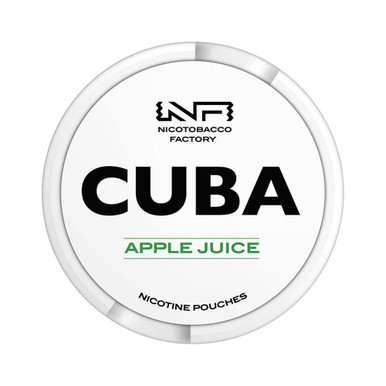
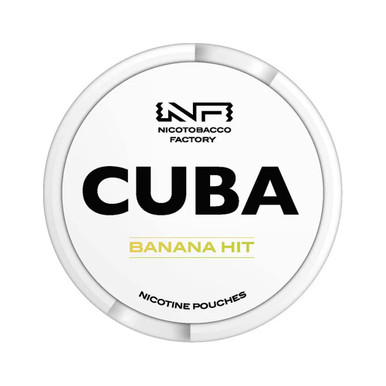
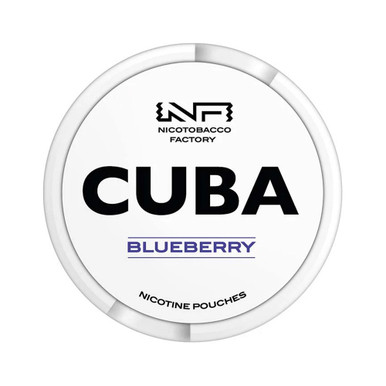
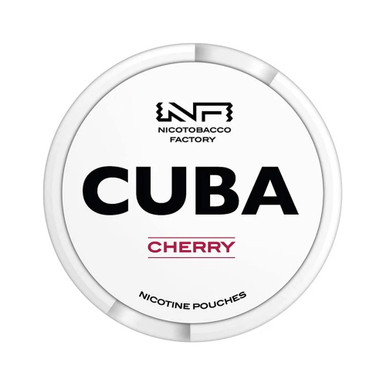
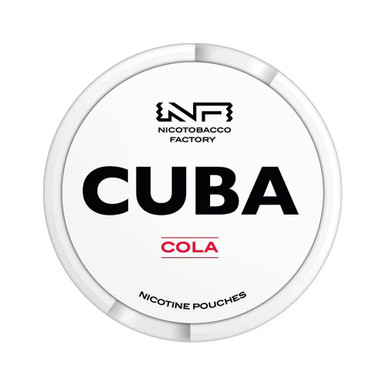
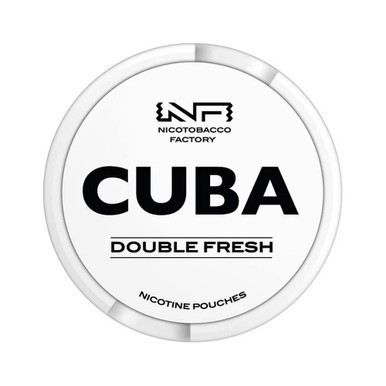
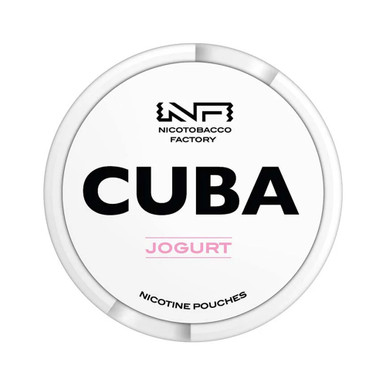
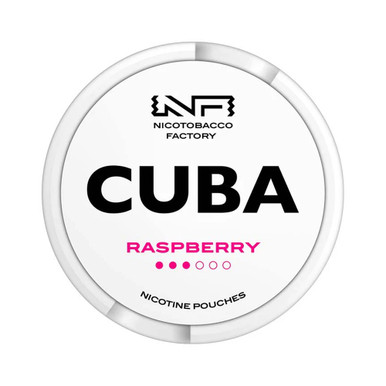
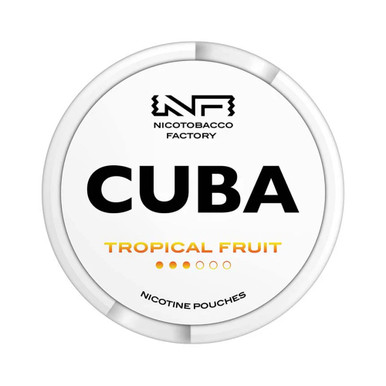
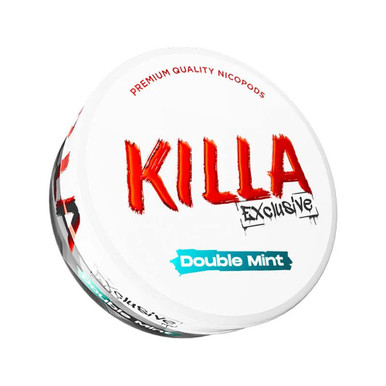
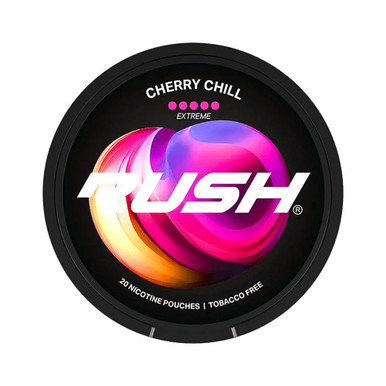
Most shelf pages tell you what is on the shelf. This one has a different problem to solve first, because a great many of these listings are near-identical to each other in every field we hold. Eight Clew listings sit here at £39.90 apiece, differing only in the flavour word: Cool Mint, Spearmint, Menthol and Wintergreen are four mint-family cans from one brand at one price on one shelf, joined by Clew Citrus, Clew Blueberry, Clew Coffee and Clew Watermelon. The Cuba listings do the same thing twice over — six in the Ninja sub-range and six in the White one, all at £39.90.
When a shelf hands you twenty listings at one price from two brands, the catalogue has stopped being useful and started being a wall. Here is the order we would work in, and the point at which we stop.
- Stock, first and always. Nineteen of the 132 listings cannot be ordered. That is a smaller proportion than most of the site, but filtering it out still removes a set of dead ends before you have invested any thought in them.
- Sub-range before flavour. On this shelf the brand's own sub-range name does more work than the flavour word. Cuba's Ninja cans and Cuba's White cans are different lines, not different flavours of one line, and choosing the line first cuts the twelve Cuba listings roughly in half before you look at a single flavour.
- Flavour family, not flavour tag. Deciding "mint" or "not mint" splits this shelf faster than any other single question. Deciding which mint is where our tagging stops helping, because all four Clew mints carry the same tag and the tag does not distinguish menthol from wintergreen from spearmint. The lid does. The tag does not.
- The declared figure on the product page. The shelf spans 4mg to 30mg in recorded figures, so two listings filed here are not necessarily carrying the same number. The product page states it; the heading cannot.
- Can count, where we hold one. This is the weakest step on this particular shelf and we will explain why in a moment: for 104 of the 132 listings we have no can count at all.
- Price, read per can rather than as a headline. The listing prices here run from £3.85 to £39.90, and almost all of that gap is quantity rather than the cans themselves.
When the list genuinely will not split
Sometimes none of the six steps separates two listings, and the honest thing is to say so rather than manufacture a tie-breaker. If two cans share a brand, a sub-range, a price, a shelf and a flavour tag, we have run out of facts. We will not invent a house favourite, we will not tell you which one people tend to pick, and we will not describe one as the better buy, because we would be making it up.
What we can offer is a practical observation rather than a persuasive one. Where a shelf will not split on the strength axis, the fastest escape is to stop using that axis. The mint shelf, with 148 listings, and the berry shelf, with 76, cut the catalogue a different way and draw from every strength band. So do the brand shelves. Switching axis is usually more productive than scrolling further down a grid where everything costs the same.
The shelf in numbers
| What we can count | On this shelf |
|---|---|
| Listings filed here | 132 |
| Orderable right now | 113 |
| Currently unavailable | 19 |
| Declared strengths recorded | 4mg – 30mg |
| Price range | £3.85 – £39.90 |
| Brands represented | 18 |
| Flavour tags in use | 13 |
| Listings carrying no flavour tag | 11 |
| Listings with no can count recorded | 104 |
That last row is the worst ratio on the site and it deserves more than a footnote. For 104 listings out of 132 — roughly four in five — we hold no can count, which means a price-per-can comparison is not available to us for most of this shelf. We are not going to estimate one. It also means the price column should be read with particular care here: a £3.85 listing and a £39.90 listing are frequently not the same kind of object at all, and on a shelf where we cannot tell you the quantity for most listings, the headline price is a weaker guide than usual.
What these 132 listings have in common
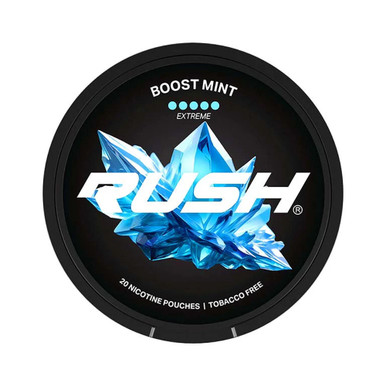
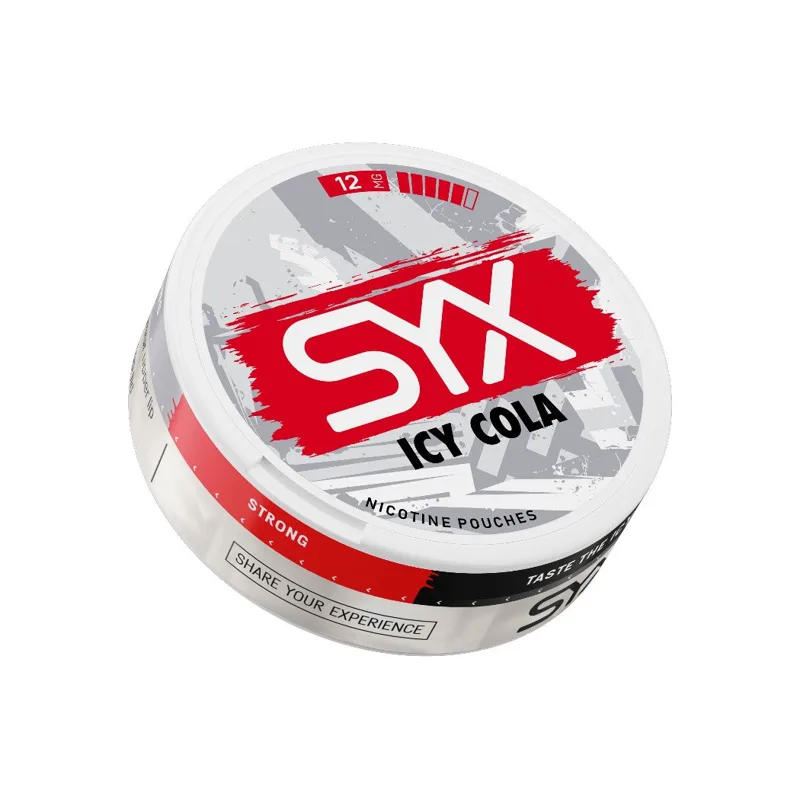
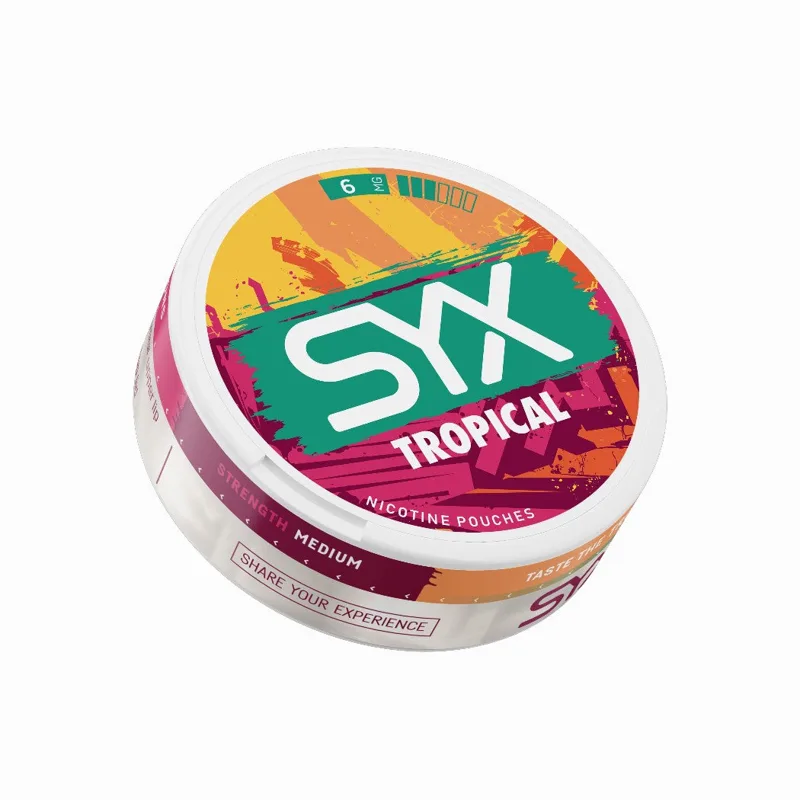
Three things, and the third is the awkward one. The first is breadth of brand: eighteen brands are represented here — 77, Clew, Cuba, Denssi, Edge, Elf Bar, Fumi, Iceberg, Killa, Klint, Nordic Spirit, Pablo, Rush, SYX, UBBS, Velo, White Fox and XQS — which is more than any other strength shelf carries. Several of those also file listings on the Medium Strength shelf, so following a brand rather than a number will often take you across both.
The second is availability. At 113 orderable out of 132, this is the healthiest shelf on the site for actually buying something, and it is the practical reason a lot of browsing ends up here.
The third is pricing clustering. A large share of the listings sit at exactly £39.90, which flattens the one field shoppers instinctively reach for when everything else looks the same. On most shelves price does some of the sorting work for you. Here it mostly does not.
Where they diverge
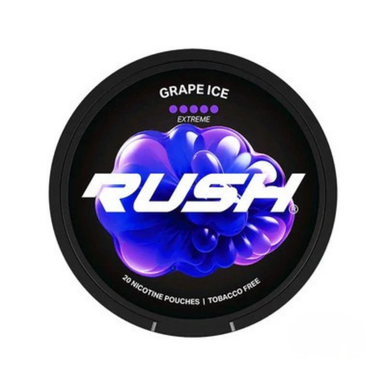
In flavour breadth, and it is genuinely wide: thirteen tags are in use, including cola, grape, coffee and an energy tag. That last one is worth a note. Cuba Ninja Energy carries the word in its name and in our tag, and in both places it is describing the flavour the can is named for. It is not a claim about anything and we do not make one.
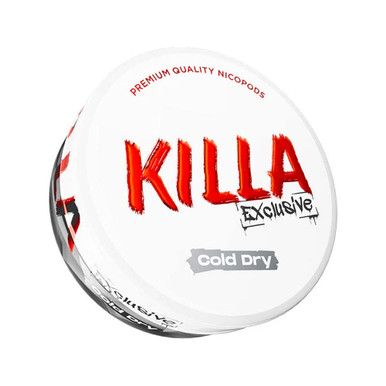
They also diverge in how well our tags fit. Cuba Ninja Coconut has no coconut tag to sit under, because our list does not have one, so it lands under whichever of the thirteen is nearest. Cuba White Cold Dry is named for a character rather than a fruit, and eleven listings on this shelf carry no flavour tag at all — they are in the grid but invisible to any flavour filter, which means a filtered view is quietly showing you less than the shelf holds.
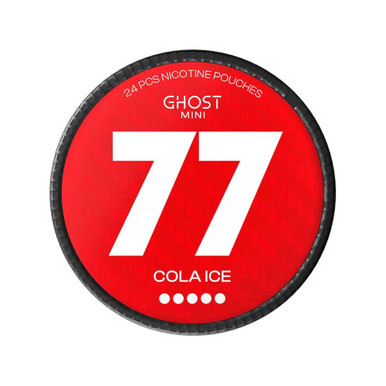
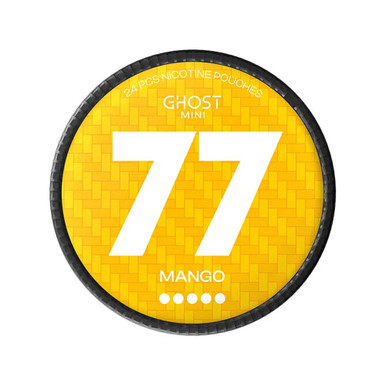
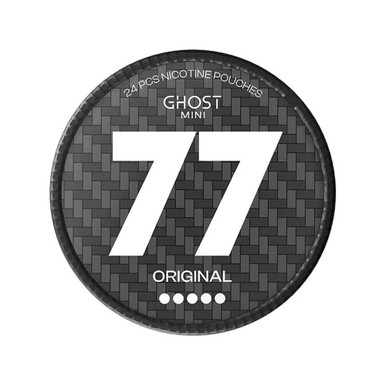
And they diverge in format. 77 Ghost Mini Mango and 77 Ghost Original Mini both carry "Mini", which describes the can and pouch format rather than any figure. A smaller pouch is not a lower declaration and the two things are not connected.
Where the lids and our filing openly disagree
This shelf carries the clearest example on the site. 77 VB Edition Mini Arctic Berry and 77 VB Edition Mini Arctic Mint both carry the words "extra strong" in their manufacturer naming — the phrase is still sitting in the address of each product page — and both are filed here on the shelf we call Strong, because that is where the declared milligram figure put them. Our filing and the lid disagree, in public, on two listings you can go and look at.
That is not an error on either side. It is two vocabularies that happen to share words. Manufacturers name cans however they wish, and nothing defines the words they use: there is no standard for "Extra Strong", no threshold for "Pro", no register of what "Max", "Extreme", "Light" or "Gentle" are allowed to mean. Two brands using the same adjective are not describing the same number, and a plainly named can can declare more than a dramatically named one. Our filing has exactly one input, the declared figure, which is why it sometimes contradicts the marketing.
The same thing happens with sub-range names. Cuba's White and Ninja lines are filed here; the brand's Black line is filed on our Extra Strong shelf. That happens to line up on this occasion. It is not a rule, we do not treat sub-range names as a scale, and elsewhere in the catalogue the same kind of naming lines up with nothing at all. Read the figure, not the adjective, and read it again on the can when it arrives.
Bands are not levels
We want this said without hedging, because a shelf called Strong is precisely where the wrong impression forms on its own. The four strength shelves are bands we sort listings into. They are not tiers, not a progression, not a difficulty curve and not a set of stages. Nothing here is more advanced than anything on another shelf, nothing is an upgrade, and there is no destination at the far end of the four headings.
The recorded ranges make the point better than we can. This shelf records declared figures from 4mg upwards, and the Low Strength shelf records 3mg to 6mg — so a listing filed here can carry a declared figure sitting inside the band on a shelf named for the opposite end. The headings overlap because the underlying data overlaps. Anyone reading the four names as a sequence is reading something we did not put there.
The same disclaimer is printed on the 135 listings filed as Medium and on the 98 filed as Extra Strong, because it is equally true of all four and we are not going to soften it on one of them. It follows that we will not suggest anybody move between bands in either direction, and we will not tell you which figure is right for you. We cannot: we do not know what you use, how often you use it, or what you used before, and those are the only facts that would make one declared figure meaningful beside another. The can you already buy carries its own figure on its own label, and comparing that number with the number on a product page here is a comparison only you can make.
Stock: the best ratio on the site
Nineteen listings out of 132 are unavailable at the time of writing, which leaves 113 you can actually order. That is unusually good for this catalogue and it is the main practical advantage of browsing here. Unavailable listings keep their pages because the page still describes a real product, but they are flagged and cannot be added to a basket, and nothing on this page should be read as suggesting otherwise.
We do not hold restock dates and will not publish a guess dressed up as one. If a listing you want is unavailable, check back, look at what the same brand files elsewhere, or widen out into the whole catalogue in one grid.
Crossing this shelf with the other ways we file
Strength is the bluntest of our three axes. Brand and flavour both cut across it and both are more precise, which is why combining them with this shelf is usually how a 132-item grid becomes a shortlist.
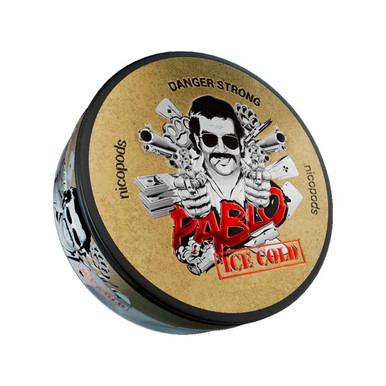
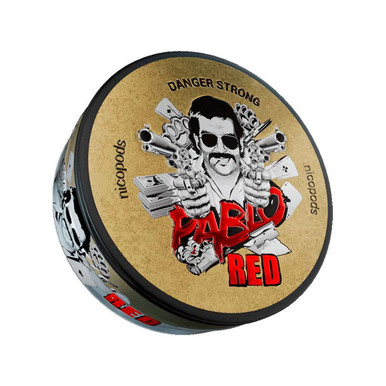
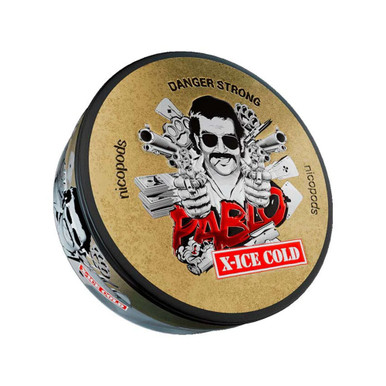
By brand, several of the largest shelves on the site file listings here. The Cuba shelf holds 47 listings across more than one strength band, Pablo holds 56 and Iceberg 40. If a brand name is what you are following rather than a number, starting on its own shelf and reading the declared figures afterwards is the better order of operations.
By flavour, mint is the largest shelf on the site and berry the second. The tropical shelf, at 58 listings, is the one that absorbs most of the coconut, mango and mixed-fruit cans whose exact names our tag list has no word for. All of the flavour shelves draw from every strength band.
And if none of the axes is what you want, the full catalogue is there unfiltered, while our plain explanation of the format covers what a pouch is without selling anything.
Ordering, delivery and the age check
Everything on this shelf goes through the same checkout as the rest of the site. Age verification happens at checkout and the courier may ask for identification at the door. If nobody who can show ID is there to receive the parcel, it is not left, and that is not something we can waive on request.
Listing prices cover whatever the listing covers, which on this shelf varies more than usual and is unrecorded for most of it. Where a can count exists it is on the product page; where it does not, the page says nothing rather than guessing. Stock figures here were correct when the page was built and move independently of it, and adding something to a basket has never reserved it.
The notice we are required to give
Everything on this shelf is sold only to adults aged 18 or over who already use nicotine. Nicotine is an addictive substance. It is not a licensed stop-smoking medicine and is not offered, described or intended as one. These products are not intended for non-smokers, for anyone who does not already use nicotine, for under-18s, or for anyone pregnant or breastfeeding. Proof of age may be requested at checkout and ID may be requested again on delivery.
Frequently asked questions
What decides that a listing belongs on the Strong shelf?
The declared milligram figure per pouch from the manufacturer's labelling, and nothing else. We sort every listing into one of four strength shelves on that number so the catalogue can be filtered. It is internal filing. It implies no judgement about the product, no view about who should buy it, and no relationship to how another retailer uses the same word. The figure itself always appears on the product page, and it is the number to read rather than the heading.
Why do cans named "extra strong" appear on this shelf?
Because the name on the lid and the figure on the label are two different things, and we file on the figure. Two of the 77 VB Edition Mini listings carry "extra strong" in their manufacturer naming — it is visible in their page addresses — and both are filed here because that is where their declared figure put them. Nothing defines what the phrase must mean, so it cannot be used to sort a catalogue. The milligram figure can.
Is this shelf a step up from Medium Strength?
No. The four shelves are bands we sort listings into, not levels, tiers or stages, and nothing on this site is a step towards anything. The recorded ranges even overlap: this shelf records figures from 4mg upwards, which reaches into the range recorded on the Low Strength shelf. We will not suggest that anyone move between bands in either direction. Treat the headings as filters, which is the only thing they were built to be.
Which strength should I buy?
We cannot tell you, and we would rather say so than improvise something that sounds useful. We do not know what you already use, how often, or what you used before, and those are the only facts that would make one declared figure meaningful beside another. The can you already buy carries its figure on its own label. Comparing that number with the number on the listing in front of you is the only comparison anybody can honestly make here, and it is yours to make.
Why do so many listings cost exactly £39.90?
Because a large share of this shelf comes from a handful of brands whose listings all cover a similar quantity at a similar price. The practical effect is that price, which shoppers usually lean on to separate similar products, does very little sorting work here. The listing prices across the whole shelf run from £3.85 to £39.90, and most of that gap is about how much product a listing covers rather than about the cans themselves.
Can I compare price per can on this shelf?
For most of it, no. We hold no can count for 104 of the 132 listings, which is the worst ratio anywhere on the site. Where a count is recorded it appears on the product page; where it is not, the page stays blank rather than offering a plausible-looking guess, and we will not estimate one on request. If quantity matters to your decision, the can states it, and it is worth checking before weighing one listing price against another.
How do I tell four mint listings apart?
Not from our tagging, which is the honest answer. All the mint-family cans carry the same tag, so cool mint, spearmint, menthol and wintergreen look identical in any filtered view even though the lids clearly are not. The flavour word in the product name is doing the work our tag cannot. Where the catalogue offers nothing further to separate two listings, we will say so rather than invent a difference or nominate a favourite.
What does the energy tag mean on this shelf?
It is a flavour tag. Some cans are named for a flavour in that style and our tagging groups them, which is all the word is doing in both places. It is not a claim about anything, and we do not make one. Treat it exactly as you would the cola tag or the grape tag: a description of what the can is named for, useful only for finding similar names quickly in a large grid.
Why are some listings missing from the flavour filters?
Eleven listings on this shelf carry no flavour tag at all. They sit in the grid on this page but appear in no flavour filter, so a filtered view is showing you less than the shelf actually holds. It usually happens when a can is named for something our tag list has no word for — there is no coconut tag, for instance. That is a limitation of our tagging rather than a statement about what we stock.
Does the sub-range name tell me anything reliable?
Only what the brand meant by it, which is not a standard. Cuba's White and Ninja lines are filed here while its Black line sits on another shelf, and on this occasion that lines up with our figures. It is a coincidence rather than a rule, and elsewhere in the catalogue similar sub-range naming lines up with nothing. Read the sub-range as part of the product's identity and the milligram figure as the only part with a fixed meaning.
How much of this shelf can I actually order today?
113 of the 132 listings, with 19 unavailable — the best ratio of any shelf on the site. Unavailable listings keep their pages because the page still describes a real product, but they are flagged and cannot be added to a basket. We hold no restock dates and will not publish an estimate as though it were information. Stock figures shown here were correct when the page was built and change independently of it.