Home / All Pouches / Tropical
Tropical Nicotine Pouches
Fifty-eight listings carry the tropical tag, and this shelf gathers all of them. Forty-two can be ordered today; sixteen are listed but unavailable and the grid marks them. Prices run £3.85 to £39.90 and declared strengths 3 mg to 50 mg, across sixteen brands.
The word on the heading is looser than it looks. Apple and peach are filed here. Mango, which is about as tropical as fruit gets, has a shelf of its own and mostly is not. Reading this grid well means knowing what the tag is really sorting for, so that is where this page starts.
Energy PouchesLow StrengthMedium StrengthStrongExtra StrongPabloCubaIcebergKilla77ZYNVeloFumiNordic SpiritXQSRushDenssiUBBSSYXClewMaggiePouch NurdzElf BarWhite FoxKlintSiberiaEdgeMintBerryTropicalCitrusWatermelonCherryStrawberryColaMangoGrapeSweetEnergyCoffee

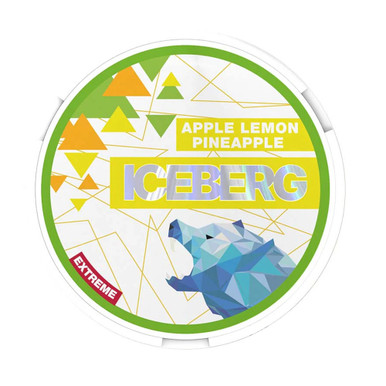
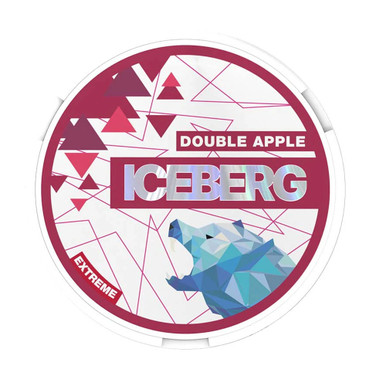
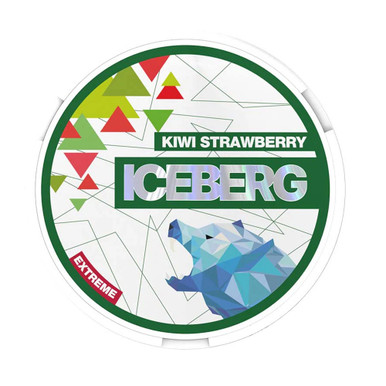
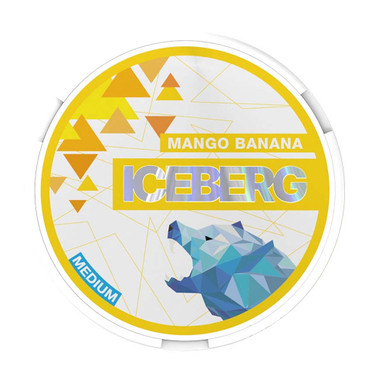




Related categories
Other ways into the range.
Mint 148Berry 76Citrus 25Watermelon 23Cherry 20Strawberry 19Cola 17Mango 16Grape 14Sweet 12Energy 10Coffee 9
What these 58 listings actually have in common
Less than the heading suggests, and it is worth being exact about it. What binds this shelf together is not a climate or a region. It is a process of elimination: tropical is the tag we reach for when a lid names a fruit that has no shelf of its own and is not obviously a berry, a citrus, a melon or a cherry. It is a residual category wearing a holiday name.
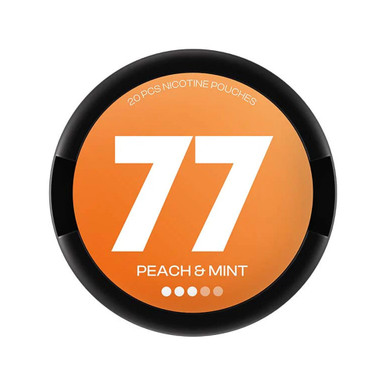
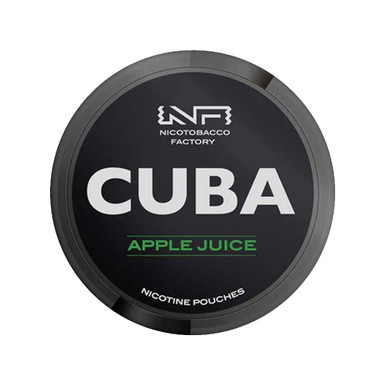
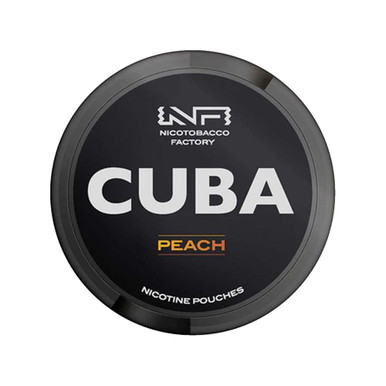
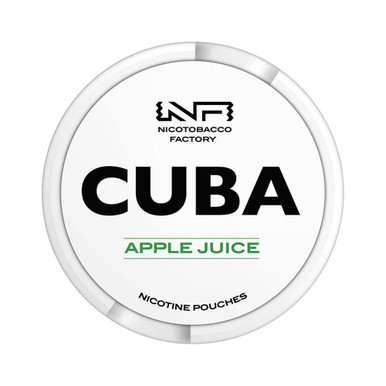
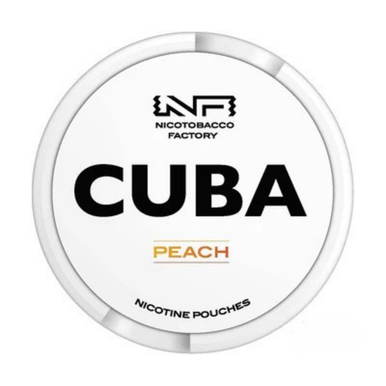
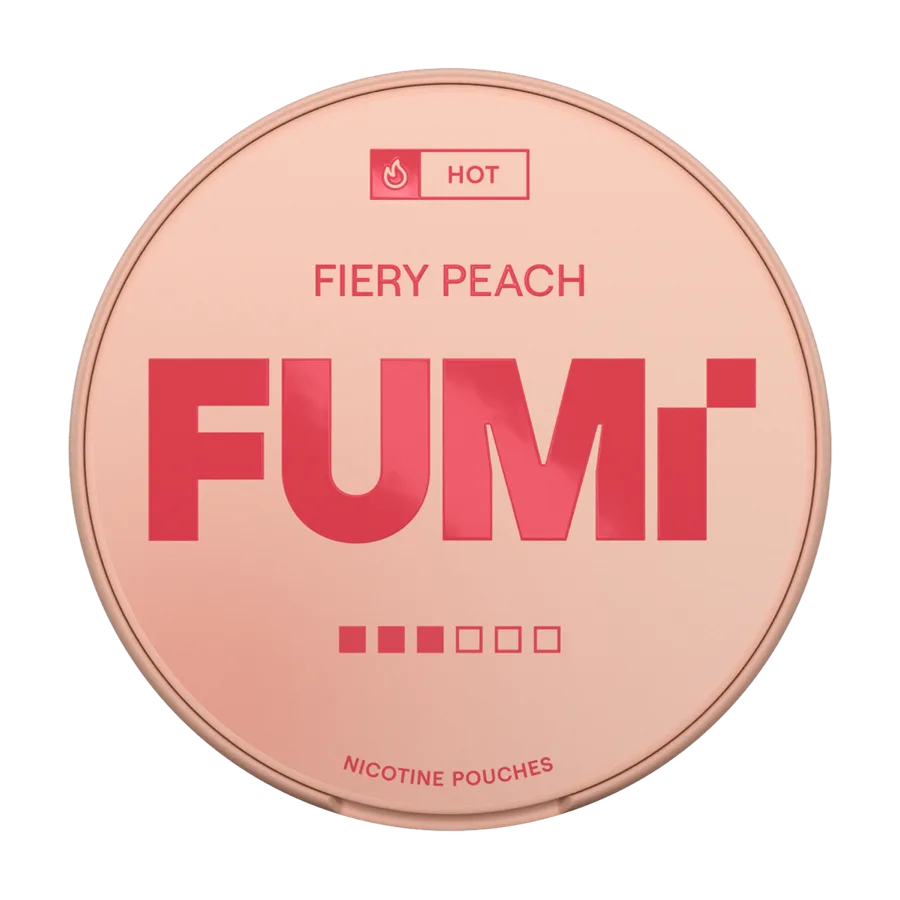
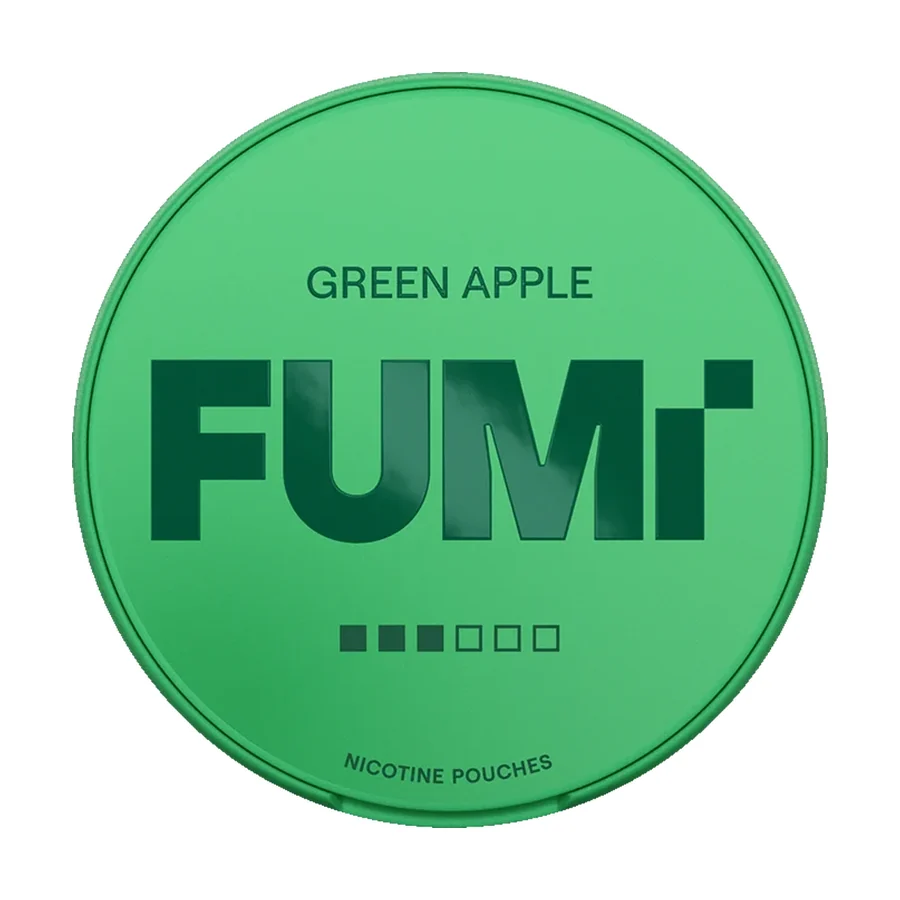
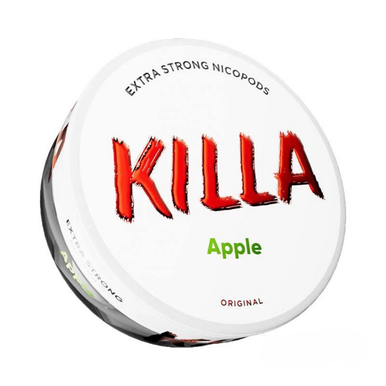
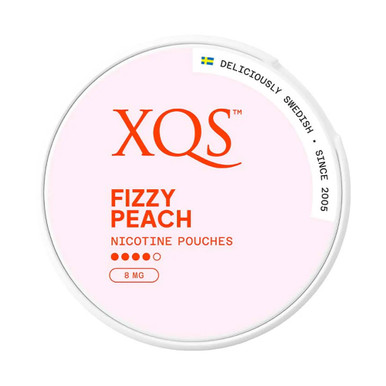
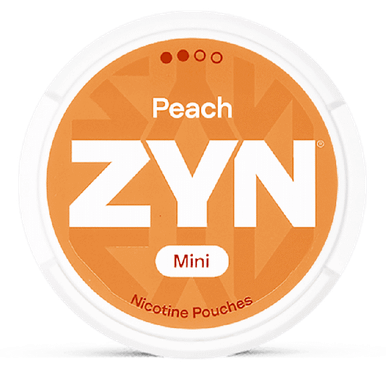
You can see the residue clearly in the grid. Fumi Green Apple at £27.90 is here. So is Killa Apple at £33.50, and both halves of the Cuba apple pair — the Black version and the White one. Apples are not a tropical fruit under any ordinary reading of the word. Neither are peaches, and Cuba Black Peach, Cuba White Peach and Fumi Fiery Peach are all on this shelf. Stone fruit lands here because nothing else will take it, and once one peach had been filed this way the rest followed, which is how a residual category quietly becomes a habit rather than a decision anyone revisits.
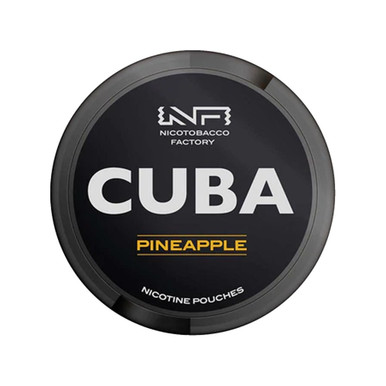
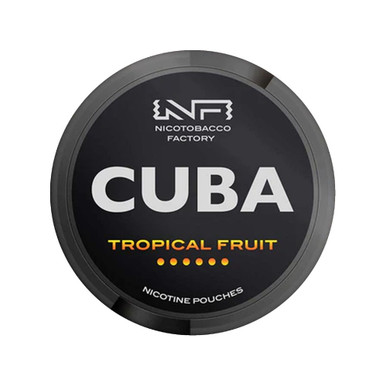
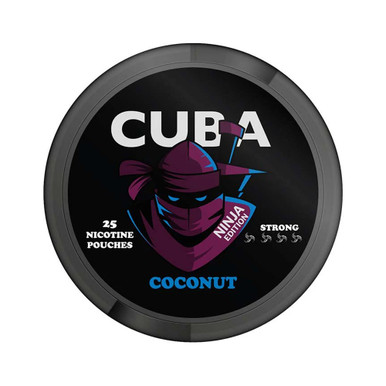
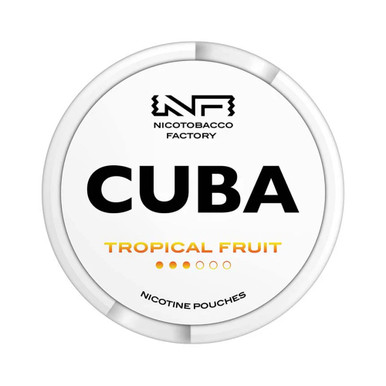
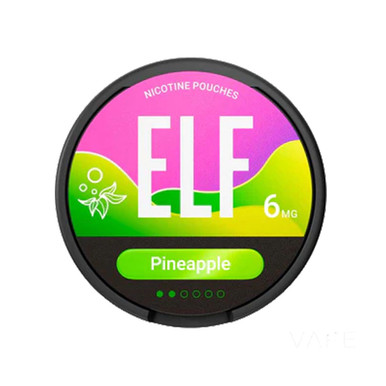
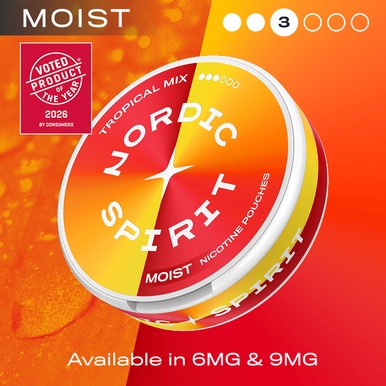
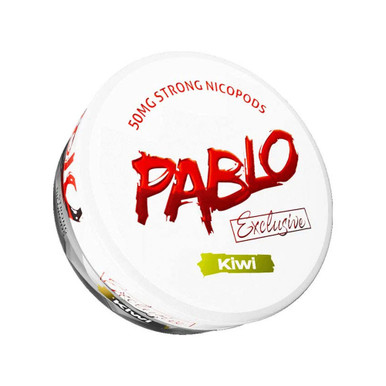
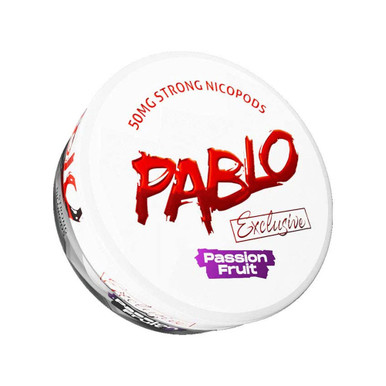
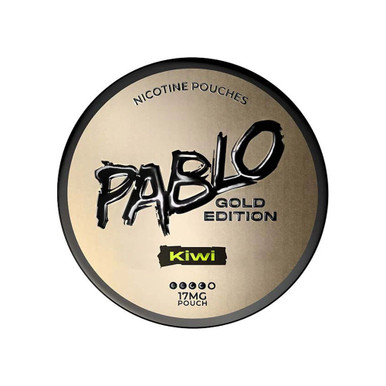
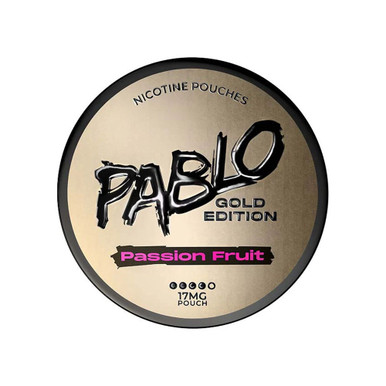
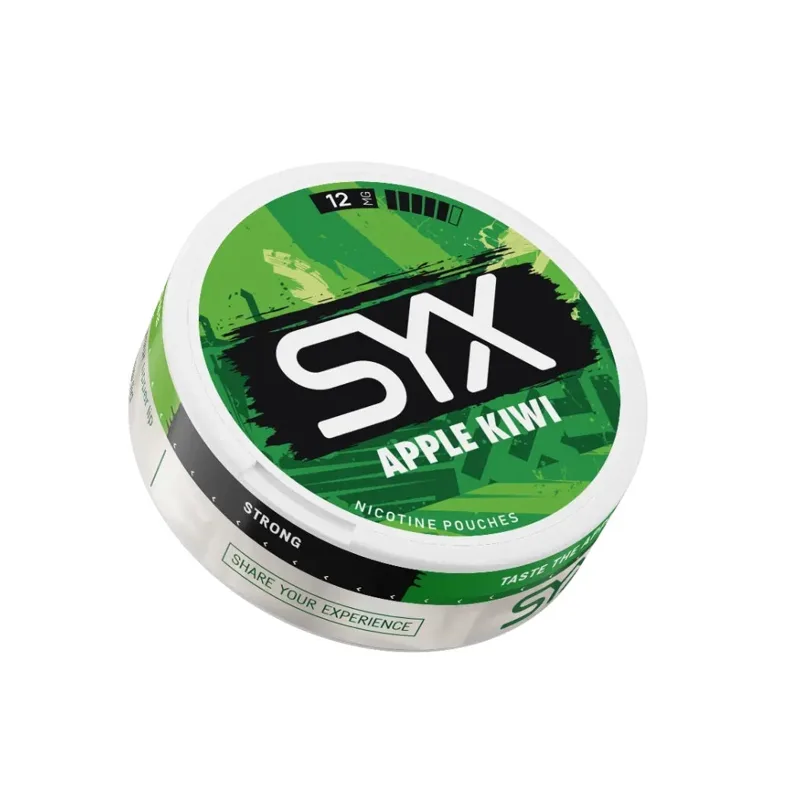
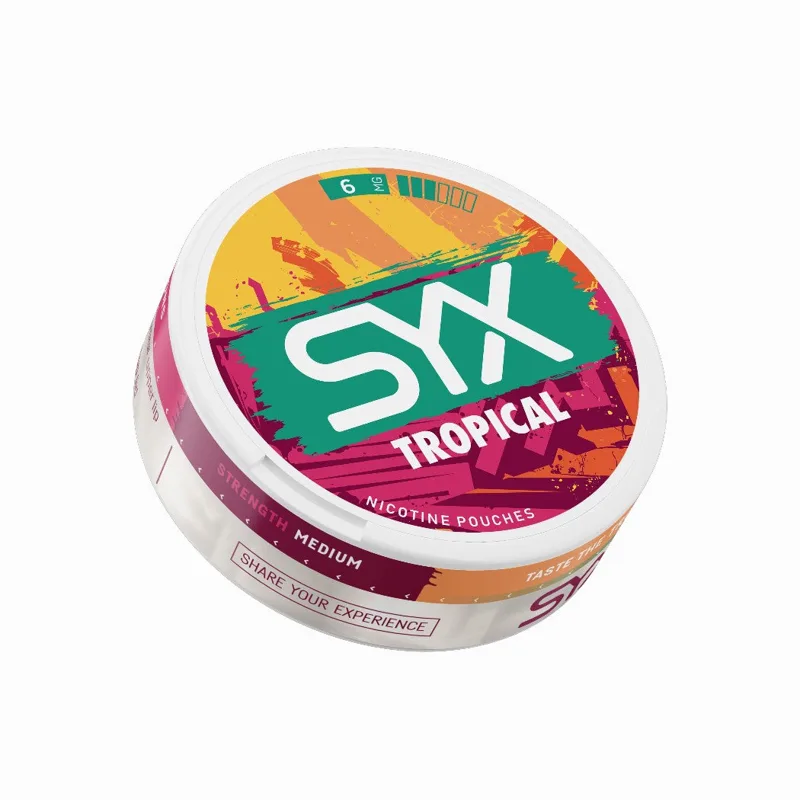
The genuinely tropical listings are here too, of course: Cuba Ninja Coconut, Elf Bar Pineapple at £29.90, Pablo Exclusive Passion Fruit at £3.85 and Pablo Exclusive Kiwi, alongside blends that use the word outright, such as Cuba Black Tropical Fruit and Nordic Spirit Tropical Mix at £4.49. They sit in the same grid as the apples with nothing in our data marking the difference.
The odd exclusion
Mango has its own shelf of 16 listings. That means the shelf named tropical is, more often than not, the one place mango is not — an outcome nobody designed and nobody would design. The tag mango does appear among the listings gathered here, because a listing can carry more than one tag, but if mango is what you are after then the mango shelf is the place to start rather than this one.
Where the listings diverge
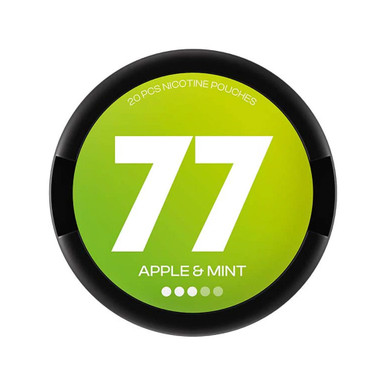
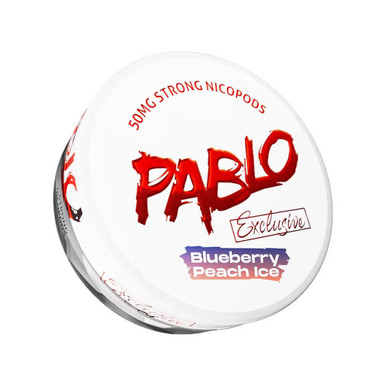
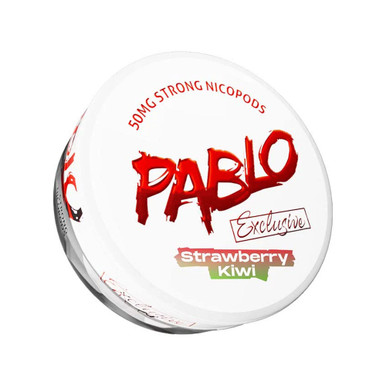
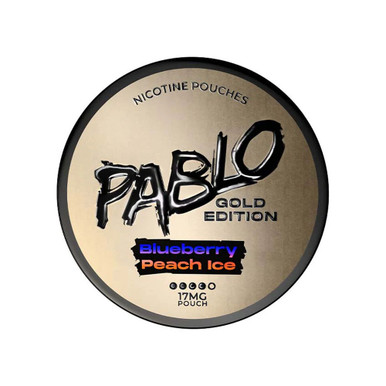
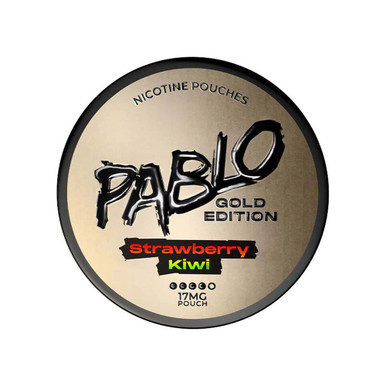
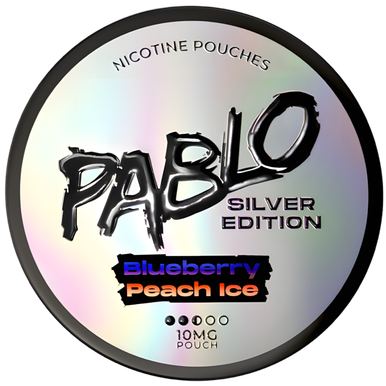
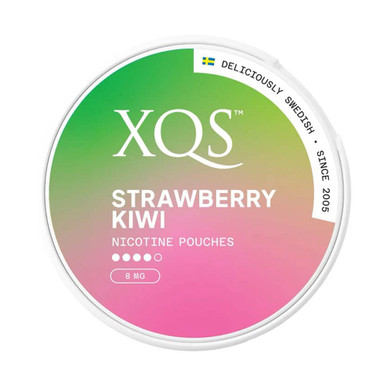
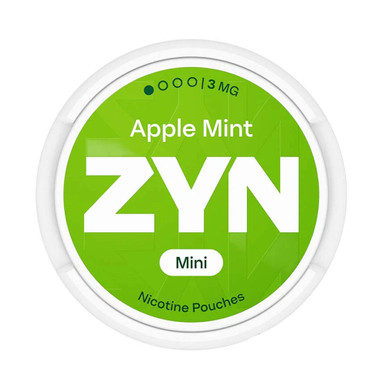
Nine different flavour tags turn up across these 58 listings, so a large share of this grid is simultaneously filed elsewhere. 77 Apple Mint at £39.90 also sits on the mint shelf. Pablo Exclusive Strawberry Kiwi also sits on strawberry. Pablo Exclusive Blueberry Peach Ice touches berry, mint and this shelf all at once, which is three labels on one listing rather than three listings.
They diverge on more than flavour. There is no format field in our catalogue, so cans of different sizes, different pack structures and different naming conventions sit side by side with nothing to sort them. And every listing on this shelf reached it by a flavour decision only — nothing else about the product was consulted.
The one word in these titles that is genuinely informative
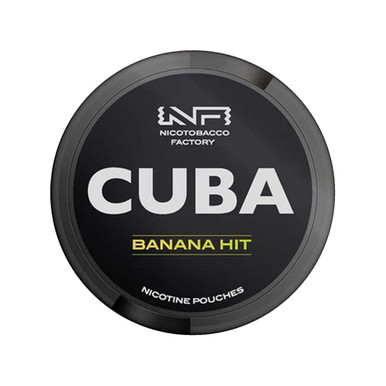
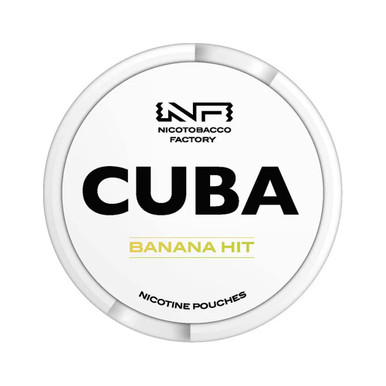
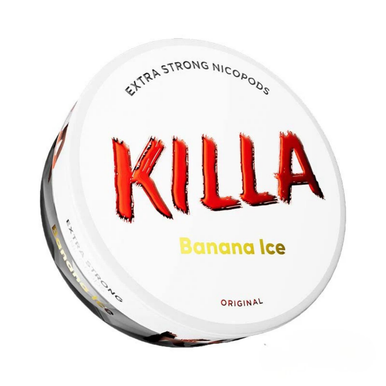
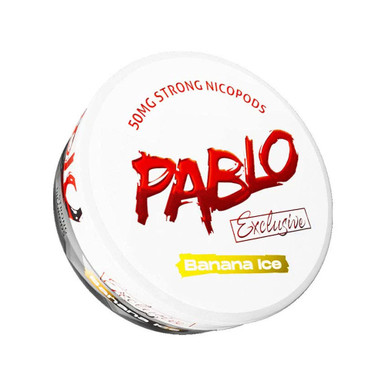
For all the vagueness of the tag, there is a naming convention on this shelf that does tell you something reliable, and it is worth knowing because it is the exception. When a title ends in Ice, the brand is declaring a cooling element alongside the fruit. Killa Banana Ice and Pablo Exclusive Banana Ice both carry it; Cuba Black Banana Hit does not, and those three are not interchangeable despite all three being bananas on the same shelf.
That word is also what pushes a fruit listing onto the mint shelf as well as this one, which is why Pablo Exclusive Blueberry Peach Ice turns up in three places at once. So the presence of Ice in a title is doing more work than our tagging is: it separates cans that our flavour data treats as identical, and it explains most of the cross-filing you will notice as you browse. It is not a rule every brand follows, and there is nothing in our records that enforces it, but where it appears it is more trustworthy than the shelf heading above it.
One listing here holds no nicotine
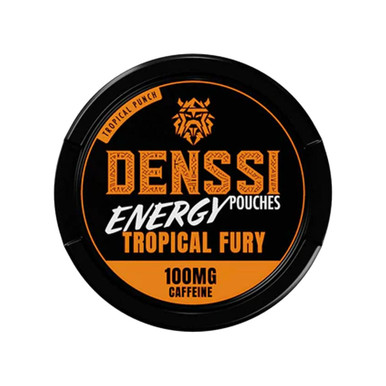
Our records show exactly one of the 58 listings on this shelf is a caffeine pouch with no nicotine in it. The one to check is the listing titled as energy pouches — Denssi Tropical Fury — whose own product page sets out what it contains. It is on this shelf because its name carries a tropical word, which is the tag behaving exactly as it always does and considering nothing else. Read the title and open the product page rather than assuming a flavour grid holds one kind of product.
And the cans that reach no shelf at all
None of these 58 listings is missing a flavour tag, which is true by construction rather than by good housekeeping: a listing with no flavour tag cannot appear on a flavour shelf. Those listings exist in the catalogue and no amount of browsing here will surface them. The full catalogue in one list and the brand shelves are the only routes to them. Treat these grids as a way to browse, not as an inventory.
Choosing between listings that look identical
This shelf has an unusual number of near-duplicates, and the catalogue gives you very little to separate them with. Rather than pretend otherwise, here is what the data can and cannot settle.
The same flavour from several brands
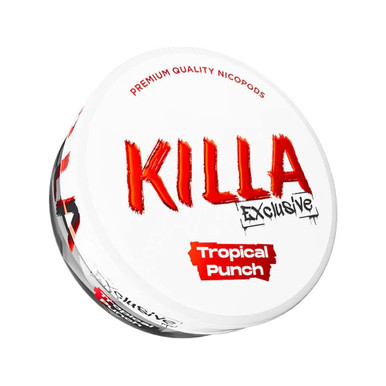
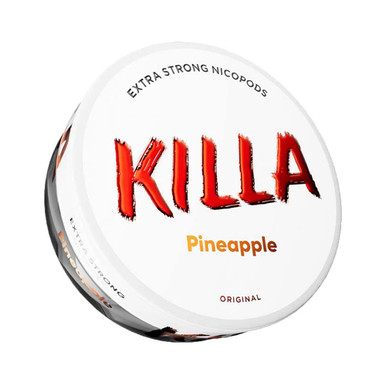
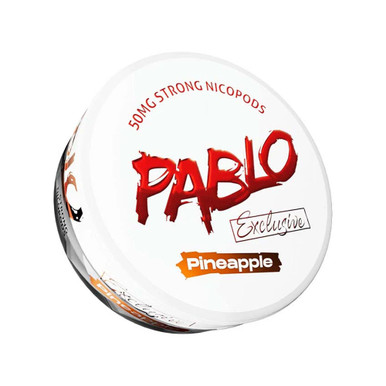
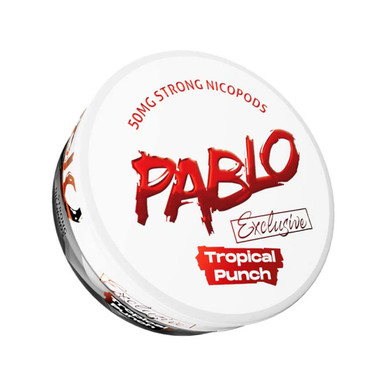
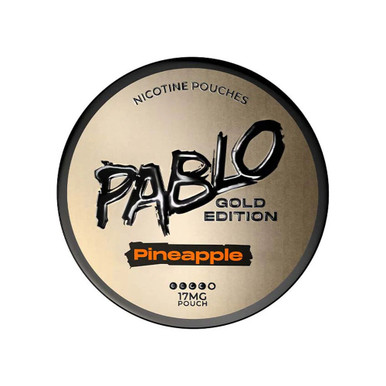
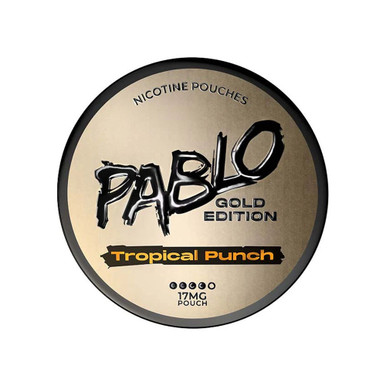
Pineapple appears three times over: Killa Pineapple at £33.50, Pablo Exclusive Pineapple at £3.85 and the Elf Bar can at £29.90. Banana appears as Killa Banana Ice, Pablo Exclusive Banana Ice and Cuba Black Banana Hit. Tropical punch appears as a Killa listing and a Pablo one with the same two words in the name and a tenfold price difference between them.
That price gap is not a quality signal. In almost every case of this kind it reflects how many cans the listing contains, and a £3.85 line and a £33.50 line are unlikely to be the same purchase at all. What our data cannot do is confirm that for you, which brings us to the sharpest example on the shelf.
The peach problem, in full
We list Cuba Black Peach and Cuba White Peach. Both show £39.90. One of the two carries the words 10 cans inside the web address it was created with; the other does not. Either both are multi-can packs and only one record happens to say so, or they are different quantities sitting at the same price. Our catalogue holds no can count for either, so we cannot tell you which of those it is, and guessing would be worse than saying nothing.
Multiply that by the shelf: 38 of the 58 listings here carry no can count in our records. This is the single largest gap in what we can tell you, and it is why the price column should be read as a starting question rather than an answer.
What to do instead
Compare within a brand rather than across the grid. A brand is consistent with itself, so the Cuba listings can sensibly be weighed against each other, and the full Cuba range of 47 listings is a better place to do that than a flavour shelf that mixes six pricing structures. The same applies to the 56 Pablo listings and the 40 from Iceberg. Then check the declared milligram figure on each product page, read what the listing says about quantity, and accept that where our data is silent the lid and the product page are the only sources left. Some of these choices genuinely come down to reading the can, and there is no clever filter that will rescue you from that.
Milligram figures on this shelf
Declared strengths run 3 mg to 50 mg. Those are numbers printed on cans and repeated by us; they are label information and nothing more. We cannot advise which strength suits you, and we will not arrange the figures to hint at an answer.
Nor is strength a ladder or a level to work up through. A 50 mg listing is not an upgrade on a 3 mg one; the figures are a specification, and larger is not better. Product names make this confusing, because words such as Extra Strong, Exclusive and Ice are naming choices with no shared scale behind them. Our strength shelves file by the declared figure instead of the name, which is why Medium Strength gathers 135 listings, Strong gathers 132 and Extra Strong gathers 98. Several listings on this shelf are titled plainly while carrying the words extra strong inside their web addresses, which is a useful reminder that neither the title nor the address is a measurement.
Stock on this shelf
Forty-two of the 58 listings can be ordered and sixteen cannot. Unavailable listings stay on the shelf rather than disappearing, because most of them return and a removed listing is harder to find again than a flagged one. Every product linked from this page was showing as available when it was compiled, but stock changes faster than page copy and the product page is the authority.
Where to go from here
If the fruit you want is specific, the narrower shelves will serve you better than this one. Watermelon holds 23 listings, cherry 20, strawberry 19 and cola 17, and a grid that size can be read end to end. If you want breadth instead, the mint shelf of 148 listings, berry with 76 and citrus with 25 are the other large groupings, each with its own filing quirks.
The most reliable approach across all of them is to fix one axis and browse the other: pick a brand and scan its flavours, or pick a strength shelf and scan what lands on it. Asking a single flavour word to do the whole job is what leads to a grid full of apples under a tropical heading. If the format itself is new to you, the guide to what a pouch is covers the basics without any of this arithmetic.
Reading a product title, since the tag will not help
On a shelf filed this loosely, the title carries nearly all of the information, and the titles follow each brand's own conventions rather than any scheme of ours. Cuba is the clearest case in this grid. Its listings here split into a Black line, a White line and a Ninja line — Black Tropical Fruit, White Apple Juice and Ninja Coconut belong to three different sub-ranges as far as the brand is concerned. Our catalogue holds none of that as structured data. There is no field that records Black, no field that records Ninja, and nothing that groups the lines together. Those are words inside a title, and the only reason the pattern is visible at all is that you are reading it rather than filtering on it.
The same applies to Exclusive in Pablo Exclusive Pineapple and in the Killa listings, and to VB Edition where it appears in the 77 range. Those are line names. They are not quality grades and they are not limited runs so far as anything we hold is concerned; we have no information about what a brand means by any of them beyond the word itself. Treat them the way you would treat a model number — useful for identifying a particular product, useless for ranking two.
Which produces a straightforward rule for this shelf. The tag tells you least. The title tells you more. The product page tells you more again. The can is the only thing that states what the manufacturer actually declares. Work outward in that order and a heading like tropical will not catch you out.
The brands gathered here
Sixteen brands have at least one listing filed under tropical, against twenty on the mint shelf and eleven on citrus. The spread across those sixteen is very uneven: Cuba and Pablo account for a large share of what is visible here, with Killa close behind, while several brands contribute one fruit can and nothing more.
That matters when you are planning a purchase. If a brand you know shows a single listing on this shelf, its other flavours are not hiding further down the grid — they are on the brand's own shelf, filed under whatever fruit or family they happen to belong to. Browsing Cuba directly shows the Black, White and Ninja lines together in one consistent naming scheme, which is the comparison you actually wanted when you started clicking fruit.
Keeping a can once it is open
We hold no storage instructions for any listing in the catalogue, so anything specific comes off the can and not from us. The general points are dull and true: a tin keeps better with the lid properly closed, and a can that spends a July afternoon on a dashboard is in a worse place than one in a drawer. Whether a particular product is better kept somewhere cool is a matter for the manufacturer's printed instructions, which is information we do not reproduce.
Beyond that, keep cans where children cannot reach them and away from anyone under 18, and use the catch compartment in the lid where a can has one, so that a used pouch has somewhere to go other than a pocket or a pavement.
How ordering works
The sixteen unavailable listings cannot be added to a basket; the grid marks them and the product page confirms it. For the other forty-two, the only thing worth repeating is the one this page has already laboured: the figure on the tile is the price of the listing, and for 38 of these 58 listings our records do not establish whether that means one can or several. Open the product page before committing rather than after.
Age verification runs at the checkout and can happen again at the door. ID may be requested on delivery and an order will not be handed over where age cannot be confirmed, so leaving a parcel with a neighbour or in a porch is not an option for these goods. That is standard for anything age-restricted, but it does mean somebody has to be available to take the delivery.
Age restrictions and required notices
Everything on this shelf is sold to adults aged 18 or over who already use nicotine. Nicotine is an addictive substance. These products are not a licensed stop-smoking medicine and are not intended for non-smokers, non-nicotine-users, under-18s, or anyone who is pregnant or breastfeeding. ID may be requested on delivery, and an order will not be handed over where age cannot be confirmed.
Frequently asked questions
Why is apple filed as a tropical flavour?
Because our tag is a residual category rather than a geographical one. A listing gets the tropical tag when the fruit on the lid has no shelf of its own and does not read as a berry, a citrus, a melon or a cherry. Apple and peach both fall through every other option and land here. It is not a claim about the fruit — it is what happens when a dozen tags have to cover several hundred product names.
Where is mango, if this is the tropical shelf?
Mango has a shelf of its own holding 16 listings, so most mango cans are filed there rather than here. The mango tag does appear among the listings on this shelf, because a listing can carry more than one tag, but the tropical grid is not where a mango search should begin. It is a genuine oddity of our filing that the most tropical fruit on the site sits outside the shelf named after the word.
How do I choose between two cans with the same flavour name?
Start by checking whether you are comparing the same quantity. Tropical punch appears from two brands at £33.50 and £3.85, and a gap that size almost always means one listing is a multi-can pack. After that, compare the declared milligram figure on each product page. Where our data runs out, the lid and the product page are the only remaining sources, and some of these choices do come down to reading the can.
Why do two Cuba peach listings both cost £39.90?
We cannot tell you, and that is the honest answer. One of the two carries the words ten cans inside the web address it was created with and the other does not, yet both display the same price. Our catalogue records no can count for either. So either both are packs and only one record says so, or the quantities differ at an identical price. Check both product pages before ordering either.
How many cans does a listing contain?
For most of this shelf our records do not say. 38 of the 58 listings here carry no can count at all, so the catalogue cannot answer the question and an estimate from us would be a guess presented as fact. Some listings state the quantity in the product name or on the product page. Where neither does, treat the quantity as unknown rather than assuming a single tin, particularly at the upper end of the price range.
Is every listing on this shelf a nicotine pouch?
No. One of the 58 listings here is a caffeine pouch containing no nicotine, and it appears on this shelf only because its name includes a tropical word. The listing titled as energy pouches is the one to look at, and its product page states what it holds. The flavour tag reads the flavour word and considers nothing else about a product, so a flavour grid can mix quite different things.
Does the tropical tag describe how a can tastes?
Only in the broadest sense. It tells you a fruit is named on the lid and that the fruit did not fit anywhere else in our tag list. It says nothing about which fruit, whether a second flavour is involved, or whether a cooling element is declared. The product title carries more information than the tag does, and the can carries more than the title. Read outward from the tag, not from it alone.
What do the mg figures mean and which is right for me?
The figure is the declared nicotine content printed on the can, reproduced by us as label information. Listings here declare from 3 mg to 50 mg. We cannot advise which strength suits you and will not imply an answer — we hold a printed number and nothing about any individual. There is no ranking of these figures on the site, and the order a grid displays them in carries no meaning at all.
Is a listing named Extra Strong stronger than one that is not?
Not reliably. Those words belong to a product name and are not measured against any scale shared between manufacturers. Our strength shelves file by the declared milligram figure rather than by the name, so a plainly named can and a dramatically named one can easily swap places. Several listings on this shelf are titled without any strength word while carrying extra strong inside their web address. The number is the only dependable part.
Are there tropical cans you stock that are not on this shelf?
Probably. Listings that carry no flavour tag cannot appear on any flavour shelf, so they are invisible to this kind of browsing entirely. They are reachable only through the complete catalogue list or through a brand shelf. There are also fruit cans filed under a neighbouring tag instead, mango being the obvious case. This grid is a good way to browse and a poor way to confirm that something is not stocked.
What is the fastest way to compare cans properly?
Fix one axis and browse the other. Pick a brand and read its whole range, where naming and pack structure stay consistent, or pick a strength shelf and see which flavours land on it. Comparing across a flavour grid means comparing sixteen brands with different pricing structures at the same glance, which is exactly the situation where a price column misleads. The brand shelves make like-for-like comparison possible; this one does not.
Keep looking
Mint · Berry · Citrus · Watermelon · Cherry · Strawberry · Cola · Mango · Grape · Sweet