Elf Bar · 6mg–20mg
Read the full guide
Elf Bar Pineapple Nicotine Pouches
£29.90
✔ In stock — ready to ship
100% tobacco-free
Free over £20
Same-day dispatch
Secure checkout
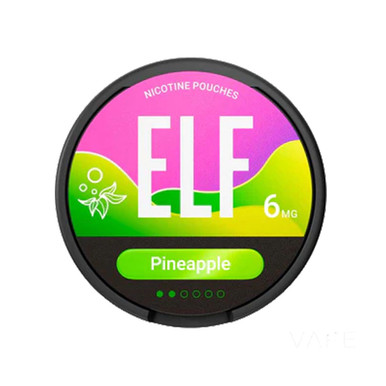
This page covers Elf Bar Pineapple Nicotine Pouches, listed at £29.90, recorded in three declared strengths — 6mg, 12mg and 20mg — with the same £29.90 price against each of them. The flavour filed against it is tropical. We show it as in stock at the time of writing. That is the whole of what our product record contains, and everything factual on this page comes from there rather than from anywhere else.
One field is blank and worth naming immediately: we do not hold a cans-per-pack figure for this listing. Some products on this site are sold as single cans and some arrive as ten-can boxes, and where we know which, we say so. Here the field is simply empty in our data. We are not going to guess at it, and we would rather tell you that plainly than write a sentence that sounds confident and turns out to be wrong when the parcel lands. If the pack arrangement matters to your order — and on a £29.90 line it usually does — the listing page checkout and the product images are where that gets confirmed, not this description.
The full guide to Elf Bar Pineapple Nicotine Pouches
5,279 words on how it eats, who it suits, how to serve it and what to put beside it.
The pineapple listing, and what our record actually holds
Before anything else: this is an age-restricted nicotine product. It is sold only to adults aged 18 or over who already use nicotine. Nicotine is an addictive substance. The full compliance wording sits in its own section near the bottom of this page, and nothing written here is intended to persuade anybody to consume anything. What follows is description — of a can, a flavour word, a set of numbers and a shelf position — for a customer who has already decided they are shopping.
Elf Bar is a name most people arriving at this page will already recognise from other product categories entirely, and that recognition is worth being careful about. A brand name carrying across categories tells you about branding, not about what is in this particular tin. Our Elf Bar shelf runs to six listings in total, which makes it one of the smaller brand ranges we keep. Six is a number you can read in a couple of minutes, and if you are working out whether this brand suits you at all, reading the whole six is a more efficient use of your time than reading one description very closely.
Pineapple as a taste, and what the word "tropical" is doing on our filter
Our record files this can under the tropical flavour grouping rather than under a pineapple-specific one, because we do not keep a shelf that narrow. The tropical shelf holds 58 listings, which puts it in the middle of our flavour groupings by size — much smaller than mint, much larger than something like coffee or liquorice. That grouping covers mango, passion fruit, coconut, guava, pineapple and a good deal of undefined "tropical mix" territory, so the filter is useful for browsing and imprecise for choosing. This page exists partly to add the precision the filter cannot.
What follows describes taste and aroma. It describes nothing else, and nothing else should be read into it.
The sweetness, and what kind of sweetness it is
Pineapple is a sweet flavour, but it is not a simple one. The sweetness in a pineapple reading is a fruit sweetness with a slightly cooked, slightly jammy edge — closer to tinned pineapple or a pineapple juice than to the thin, bright sweetness of a boiled sweet. In pouch form that character tends to survive, because the flavour houses that build tropical profiles generally reach for the juice reading rather than the confectionery reading. It reads full rather than sharp-edged.
Set against the berry cans on our shelves, pineapple is sweeter and rounder. Set against the confectionery-style cans, it is less obviously sugary and more recognisably a fruit. It is one of the few fruit flavours that manages to be sweet and acidic at once without either one cancelling the other, and that double character is most of what people are buying when they buy a pineapple can.
The acidity underneath it
Fresh pineapple has a genuine bite to it — a prickle at the sides of the tongue that comes from the fruit's own acidity. A pineapple pouch flavour either includes that or it does not, and the ones that do feel noticeably more like the fruit. Our record does not tell us which reading Elf Bar has aimed at here; the word on the record is tropical and the product name is Pineapple, and that is as far as our data goes. We are not going to invent a tasting note on the manufacturer's behalf.
What we can say usefully is where the two possibilities would sit. A sweeter, juice-forward reading would sit close to a mango can. A sharper, more acidic reading would sit closer to the citrus end of the shelf. If sharpness is specifically what you are after, SYX Tropical at £29.90 is a same-price comparison on the same shelf and a reasonable thing to hold up next to this one.
The aroma on opening
Tropical cans are usually loud on opening. Pineapple in particular carries a projecting, slightly sweet-sour smell that fills a small space quickly — a can left open on a table announces itself in a way a mint can does not. Whether you regard that as a feature or a nuisance depends entirely on where you open it, and it is a genuine practical difference between flavour families rather than a matter of taste.
The aroma and the taste line up reasonably well with fruit cans of this type. With some flavours the smell promises far more sugar than the taste delivers; pineapple tends to be honest about itself on opening.
How the taste behaves across the life of a pouch
Flavour in a dry pouch is at its most defined in the first stretch and thins from there. With pineapple, the sweetness tends to be the first thing to go and the acidic edge holds on slightly longer, so the taste narrows as it fades rather than simply getting quieter. That is the same pattern you get with most fruit cans and the opposite of what happens with a mint can, where the cooling character often outlasts everything else.
We do not hold timing data for this product and are not going to manufacture any. How long a pouch stays interesting varies between people, and the point at which somebody takes one out is their own business.
The can itself, handled as an object
Most product descriptions skip straight past the tin, which is odd, because the tin is the part you handle every day. Whatever else differs between brands, you interact with the container far more often than you think about the flavour word on it. This section is about the physical object.
The shape, and what it costs you in pocket space
The standard nicotine pouch can is a squat plastic cylinder — roughly the diameter of a large jar lid and about as deep as a stack of a few coins. It is a shape that is easy to lose in a bag and easy to locate in a pocket, which is a genuinely useful combination. Flat against the leg in a front trouser pocket it makes an obvious circular outline; in a jacket pocket it disappears entirely. In a small bag it tends to end up lying on its side, which matters more than you would expect and is covered in the storage section below.
The important dimension is the depth rather than the diameter, because that is what varies between brands. A slim-format can is shallower and rides more comfortably in a shirt or jacket pocket; a standard-format can is deeper and is happier in a bag or a coat. Our record does not specify which format this particular can uses, so we are not going to state it. What we can say is that the difference is real, that it is visible the moment you have two brands side by side, and that if pocket depth is a deciding factor for you it is worth checking the product photography rather than any description.
The lid and the catch compartment
Nearly every can in this category uses the same two-part arrangement: a press-on lid over the pouch compartment, and — in most brands — a second shallow recess in the underside or top of the lid intended for used pouches. The second compartment is the single most practical piece of design in the whole category and the one people notice last.
Its usefulness is straightforward. It means a used pouch has somewhere to go that is not a bin you cannot see, a tissue in a pocket or the ground. It means you can be away from a bin for hours and still be dealing with your own waste tidily. Anyone who has carried a can without one and then had to improvise will not need this explained.
The trade-off is equally straightforward, and it is the reason this section exists. A catch compartment holds used pouches against the outside of the can you are still drawing fresh ones from, and used pouches are damp. If it is left to fill up and is not emptied for days, two things happen: the smell in that compartment becomes unpleasant, and a small amount of moisture can end up where you did not want it. The fix is the least interesting advice on this page and the most useful — empty it when you empty your pockets, not when it is full.
The press fit, and what happens when it loosens
Lids in this category are friction fits rather than screw threads. A fresh can gives a firm, slightly resistant push when it closes. Over the life of a can that fit generally slackens a little, which is normal wear rather than a fault. A loose lid matters for exactly one reason: it lets air at the contents, and air is the main thing that changes a pouch over time.
If you are the sort of person who keeps a can in a bag with keys and a charger cable, the lid will loosen faster than it would in a coat pocket, simply because it gets knocked. A can that has loosened is still perfectly usable; it just wants keeping upright and wants using rather than storing.
The portion count, which we do not hold
We do not have a per-can pouch count in our record for this product, so we are not going to print one. Cans in this category commonly hold somewhere in the region of twenty pouches, but "commonly" is not a fact about this can, and the printed can is where that gets answered. The same goes for the cans-per-pack figure discussed at the top of the page. Where our data is blank we say it is blank.
What this does mean is that you cannot compute a per-pouch price for this listing from anything on this page. If per-pouch cost is how you compare products — and it is a perfectly sensible way to do it — you will need the printed figures from the can itself before that comparison is possible.
The format in practice
A pouch is a small sealed portion, soft, roughly the size and shape of a flattened jellybean, designed to sit tucked between the upper lip and the gum. It stays in one place once it is settled. It is not chewed, not swallowed, and not moved around the mouth.
The practical points that people actually ask about are these. Settling one takes a moment — most people find a spot they prefer and return to it. It is visible if you go looking for it and generally not otherwise. It does not need spitting. How long somebody keeps one in varies enormously and is a matter of personal habit; we do not hold usage data for this product and would not print guidance on it if we did, because that is not something a shop should be advising on.
Disposal is the part the catch compartment exists for. A used pouch goes in the lid recess or straight into a bin. It does not go down a sink, a drain or a toilet, and it does not go on the pavement. It is general waste. That is the whole of the disposal question and it takes one sentence, but it is the sentence most descriptions leave out.
The format itself is the same across essentially every brand we stock. Whether you are holding this can, Clew Blueberry at £39.90 or Edge Mint at £14.95, the object in your hand behaves the same way. What changes between listings is the flavour word, the declared figure and the price — not the fundamental format.
6mg, 12mg and 20mg — what the number on the lid is telling you
This listing is recorded in three strengths. All three carry the same £29.90 price, which is worth noting because it is not universal; on some brands the higher figures cost more. Here they do not.
| Declared strength | Price on this listing | Where it sits in our overall range |
|---|---|---|
| 6mg | £29.90 | Toward the lower end of the figures printed on cans we stock |
| 12mg | £29.90 | Around the middle of the printed range |
| 20mg | £29.90 | Toward the upper end of the printed range |
The milligram figure is a number the manufacturer prints on the can. It is a declared quantity, and it is useful for exactly one thing: comparing one can against another can from the same brand, or against another brand's declared figure, as a rough ordering. A can marked 20mg is declared higher than a can marked 6mg. That sentence is the entire honest content of the number.
What it does not tell you is a great deal more. It does not translate into an experience, because how a given figure reads to a given person is individual and we have no way of knowing. It does not compare cleanly across brands, because different manufacturers arrive at their printed figures by different measurement conventions and the numbers are not necessarily like for like. And it is emphatically not a recommendation from us. We stock a range of figures because manufacturers produce a range of figures; we are not going to tell you which one suits you, and any shop that does is telling you something it cannot know.
On our own filters, this listing appears on the Strong shelf, which holds 132 listings. Those filter names — Medium, Strong, Extra Strong — are our own shelving labels for browsing convenience. They are a way of sorting a large catalogue into navigable chunks. They are not a scale, not an endorsement, and not a claim about anything. If you want to see how the surrounding bands are populated, the Medium Strength grouping and the Extra Strong grouping sit either side of it.
The same-strength shelf comparison
This is the comparison that is actually useful and the one hardest to make from a category page, because a category page shows you a grid of tins with prices and nothing else. If you already know roughly which declared figure you are shopping in, the interesting question is not "what is this can" but "what else sits near it, and what would I be giving up or gaining by taking one of those instead". That is what this section is for.
The same-price band
At £29.90 this listing shares a price point with a number of other things we keep. Velo Tropical Mango at £4.19 is the clearest illustration of why headline price comparisons across this site mislead if you do not check what each listing contains — a £4.19 line and a £29.90 line are almost certainly not the same quantity of product, and the gap between them is a packaging difference rather than a value judgement. Always open the listing and look at what is in the box before comparing two numbers.
Within the tropical grouping itself, the same-price comparison is the SYX tropical listing, also £29.90. Two cans at the same price on the same flavour shelf is the cleanest comparison available on this site, because the only variables left are the brand's interpretation of the flavour and the declared figures each one offers. That is a genuinely informative pairing.
Stepping up and down in price on nearby shelves
Above this listing, Killa Apple sits at £33.50 and Cuba Ninja Coconut at £39.90 — the coconut one being a tropical-family flavour, which makes it the nearest thing we have to a direct alternative within the same taste territory at a higher price. Below it, the Pablo Gold Edition Blueberry Peach Ice listing is £19.95 and Fumi Fiery Peach is £27.90, both of them stone-fruit or berry readings rather than tropical ones.
The honest summary of that spread is that price in this category tracks pack arrangement and brand positioning far more than it tracks anything you could taste. A £39.90 listing is not a better can than a £19.95 listing in any sense we could demonstrate. It is a different quantity, from a different manufacturer, at a price that manufacturer and this shop have arrived at. Anyone telling you the expensive tin is the good tin is guessing.
What a like-for-like comparison actually requires
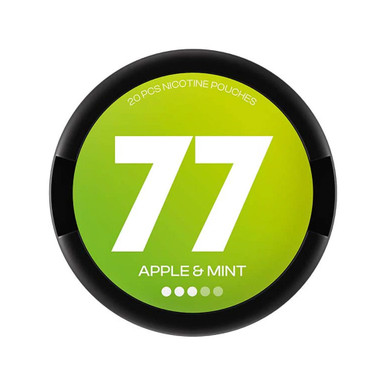
To compare two listings properly you need four things: the declared figure, the flavour reading, the pack arrangement and the price. This page gives you three of them for this can and tells you honestly that the fourth is blank in our record. For Denssi Blueberry Freeze at £39.90 or 77 Apple Mint at the same £39.90, the individual product pages carry their own versions of the same four fields, written from the same records.
The single most common way to misread this catalogue is to compare headline prices across listings that hold different quantities. The fix is dull and reliable: open both product pages, read what each one contains, then compare. It takes a minute and it saves the specific disappointment of expecting a box and receiving a tin.
Where this can sits inside the Elf Bar range
Six listings is a small shelf, and a small shelf is easy to describe in full. The six Elf Bar listings we carry cover a narrow spread of flavour directions rather than attempting to fill every category, which is common for a brand whose main business sits elsewhere.
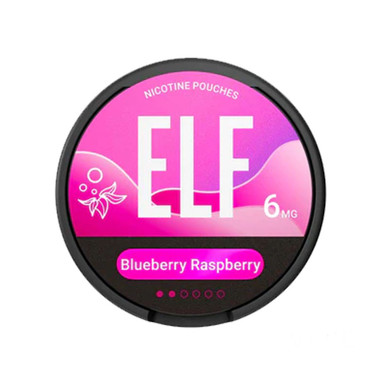
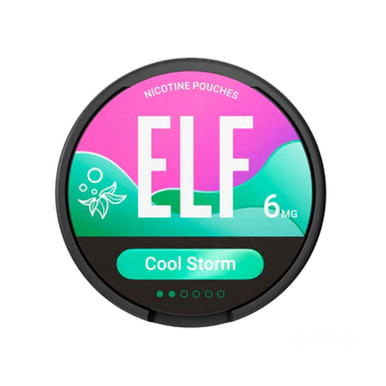
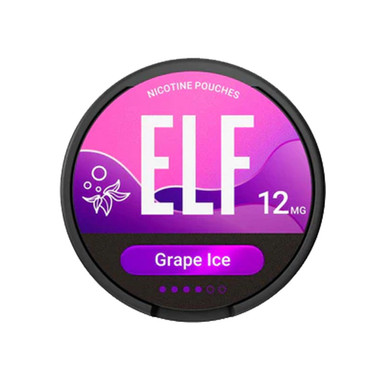
Within those six, this pineapple can is the tropical entry. Elf Bar Grape Ice at £29.90 is the dark-fruit-with-cooling reading, Elf Bar Blueberry Raspberry at the same price is the berry-blend reading, and Elf Bar Cool Storm is the brand's cooling-forward entry. All three sit at £29.90, the same as this one, which means that within this brand the choice between listings is purely a flavour choice. There is no price consequence to preferring one over another, and that is unusually clean compared with most brands on this site.
If you have settled on the brand and are simply working out which can, the practical approach is to decide first whether you want a cooling character in the flavour at all. The pineapple listing and the berry listing do not lead on cooling; the ice and storm listings do. That single question splits the shelf in half and makes the rest of the decision much shorter.
What people keep alongside a tropical can
Most people who buy pouches regularly keep more than one flavour going rather than working through a single can to the end. A sweet fruit reading gets tiring in a way a neutral one does not, and having something structurally different available is the usual solution.
The obvious pairing for a sweet tropical can is something cool and uncomplicated. The Edge mint listing at £14.95 is the cheapest way to have that second can sitting in a drawer, which is most of why people buy it. For a sharper cooling character, the Cool Storm can from the same brand keeps you inside one range.
For a second fruit can that is different rather than merely another fruit, the useful move is to change the fruit family rather than the intensity. The Clew blueberry listing at £39.90 and the 77 apple and mint listing at the same price both land somewhere clearly distinct from pineapple. The Cuba coconut can stays inside the tropical family while going somewhere quite different within it — coconut is a creamy, low-acid reading where pineapple is a sweet-sharp one.
If you are building a rotation from scratch and want to browse rather than be pointed at things, the Cuba brand page and the Pablo brand page are the two largest brand shelves we keep and the most efficient places to start.
Storage, and keeping a can in reasonable condition
Pouches change with time and conditions, and the changes are entirely predictable. The single variable that matters most is air.
Keep the lid pressed fully home. That is the whole of the basic advice. A can closed properly and kept somewhere ordinary will be in much the same state in a month as it is today. A can with a lid sitting proud of the rim, or a can left open on a desk for an afternoon, will dry noticeably, and once a pouch has dried it does not come back.
Heat accelerates everything. A can left on a car dashboard in summer, on a windowsill in direct sun, or on top of a radiator will dry and lose flavour definition faster than one kept in a drawer. Nothing dramatic happens — it is not a safety point — but the can you open in three weeks will be flatter than it needed to be. A cupboard, a drawer or a bag is fine. Somewhere cool is better than somewhere warm.
Store the can upright wherever you reasonably can, particularly if there is anything in the catch compartment. A can on its side in a bag does no harm to sealed pouches, but it does let anything damp in the used-pouch recess move around, which is how a can ends up smelling worse than it should.
Two things we are asked and will not answer. We do not hold a shelf-life or best-before figure for this product — the printed can carries that, and you should read it there. And we do not advise on refrigerating or freezing cans, because we have no data on what that does to this product and would be making it up.
Choosing between the three strengths on this listing
The choice here is unusually simple because price is not a factor. Three declared figures — 6mg, 12mg and 20mg — all at £29.90. Whatever you pick, the bill is the same.
That removes the most common reason people compromise on a purchase and leaves a straightforward matter of which printed figure you are looking for. We are not going to make that choice for you or hint at it, because a shop recommending a strength to an individual is doing something it is not equipped to do and should not be doing. The numbers are on the page, the number is printed on the can, and the decision belongs to the person buying.
Two practical notes that are information rather than advice. First, all three appear as the same product at the same price, so ordering two different figures in one order costs the same per unit as ordering two of the same. Second, because we do not hold a cans-per-pack figure, we cannot tell you whether a single order line arrives as one can or several; that is worth establishing at checkout rather than assuming.
Buying, delivery and age verification
This is an 18+ product and our sales process treats it as one. Age verification applies to the order, and ID may be requested on delivery. That is not a formality we can waive and it is not something the courier decides on the day. If the person at the door cannot satisfy the check, the parcel does not get handed over.
The practical consequences are worth thinking about before you order rather than after. A delivery address where somebody over 18 will be present is the one that works. A workplace reception, a neighbour or a parcel shop may or may not be able to complete an age check, depending on how that particular location operates, so it is worth knowing before you choose it as your delivery point rather than finding out when the parcel goes back.
The price shown against this listing is £29.90 across all three declared figures. Delivery arrangements, order minimums and any promotions in effect are handled at checkout and on our delivery information pages, and those are the authoritative places for them rather than a product description that may be read months after it was written.
On stock: we show this listing as available at the time of writing. Stock moves, particularly on brands with short shelves, and the live position on the product page is the one to trust. If a listing has gone out of stock we say so rather than quietly leaving it up.
Finding your way around from here
This page can be reached from several directions and it is worth knowing which route leads where, because the routes answer different questions.
By brand, it sits under Elf Bar with its five siblings. By flavour, it sits in the tropical grouping alongside 57 other listings, which is the right route if the flavour matters more to you than the brand. By our strength shelving, it appears under Strong with 131 others.
If none of those filters is how you think about a purchase, the full catalogue index lists everything we carry in one place. It is a long page and it is the honest starting point when you do not yet know what you are looking for. The filters are shortcuts through it, not separate shops.
Questions we are actually asked about this listing
How many cans do I get for £29.90?
We do not hold that figure. The cans-per-pack field is blank in our record for this product, and rather than guess we are telling you it is blank. Some listings on this site are single cans and some are ten-can boxes, and the difference obviously matters at this price. The checkout and the product images are where this gets confirmed. We would rather give you an unhelpful honest answer than a helpful invented one.
How many pouches are in a can?
Also not something our record holds. The count is printed on the can itself, and that is the reliable source. We can tell you that the field is not in our data and that we are not going to estimate it from what other brands do, because other brands are not this brand. If a specific count is decisive for your order, the printed can answers it directly.
Does the 20mg cost more than the 6mg?
No. All three declared figures on this listing — 6mg, 12mg and 20mg — are priced at £29.90. That is not the case across the whole site, so it is worth noting here. Within this listing, the strength you choose has no effect on what you pay.
Which strength should I get?
We cannot advise on that and will not. The milligram figure is a manufacturer's declared number and how any particular figure reads to any particular person is individual. We stock 6mg, 12mg and 20mg because those are the figures produced. Which one you buy is your decision, and a shop that pretends to be able to make it for you is overstepping what it can actually know.
What does "tropical" mean on your flavour filter?
It is a browsing grouping that covers mango, pineapple, coconut, passion fruit, guava and general tropical blends — 58 listings in total. It is deliberately broad because a shelf with one listing per fruit would be unusable. The filter narrows the catalogue; the individual product page is where the flavour gets described specifically.
How strong is the flavour compared with other cans?
We do not hold a flavour-intensity measurement for any product on this site, so any number we gave you would be invented. What we can describe is the character — pineapple is a sweet fruit reading with acidity underneath it — and where it sits relative to other flavour families on our shelves. Intensity itself is not something we can quantify honestly.
Is this a dry or a moist pouch?
Our record does not specify the moisture format for this listing, so we are not going to state it. It is a real distinction between products and it does affect how a pouch behaves, which is why we would tell you if we knew. The manufacturer's packaging is where that is declared.
Can I mix strengths in one order?
Yes — the three figures are selectable variants of the same listing and there is no price consequence to mixing them, since all three are £29.90. Whether they arrive as separate cans or in some combined arrangement depends on the pack arrangement we do not hold a figure for, so that is a checkout question rather than a description question.
Will I need ID when it arrives?
You may. This is an 18+ product, age verification applies to the order, and ID may be requested on delivery. It is sensible to plan for a delivery address where an adult over 18 will be there to receive it. A parcel that cannot pass an age check at the door does not get left.
How long does a can keep once opened?
We do not hold a figure for that and will not invent one — the printed can carries any dating the manufacturer declares. What we can say practically is that air is what changes a pouch, so a lid pressed fully home and a can kept somewhere cool and out of direct sun will hold its condition longer than one left open on a warm windowsill.
Is this the same as Elf Bar products in other categories?
It shares a brand name and nothing else that we can speak to. This page describes a can of nicotine pouches as recorded on our system — a name, a price, three declared figures, a flavour word and a stock position. We hold no information about the brand's other product lines and are not going to draw comparisons across categories we do not stock.
Do you have customer reviews for this can?
Not on this page. We do not publish ratings, review counts or testimonials against our listings, and we are not going to summarise opinions we have not collected. What is written here is description drawn from our product record, and where the record is empty we have said so rather than filling the gap with something that sounds like evidence.
The legal position, stated plainly
This product is for adults aged 18 or over who already use nicotine. We do not sell it to anyone under 18, and it is not intended for, aimed at or suitable for anybody who does not already use nicotine.
Nicotine is an addictive substance.
This is not a licensed stop-smoking medicine and it is not presented as one. It is not intended for non-smokers, for people who do not already use nicotine, for anyone under 18, or for anyone who is pregnant or breastfeeding. Nothing on this page should be read as medical advice, as guidance on dosage, or as a suggestion that any particular strength is appropriate for any particular person or circumstance. If you have a health question about nicotine use, that is a conversation for a qualified professional and not for a product description.
Age verification applies to orders placed on this site, and ID may be requested on delivery. Please keep this product out of reach of children and dispose of used pouches in general waste.
In short
A tropical-filed pineapple can from a six-listing brand shelf, at £29.90, in 6mg, 12mg and 20mg with no price difference between them, shown as in stock. We hold no cans-per-pack figure and no pouch count, and we have said so rather than guessing. Everything else here has been the can as an object, the flavour as a taste, and where the listing sits next to the others we keep.
If this one is not quite what you came for, the wider tropical shelf and the complete listing index are both a click away, and the individual product pages carry the same four fields written from the same records.
More from Elf Bar
More strong pouches

More tropical pouches
Where this sits
Elf Bar Pineapple Nicotine Pouches appears in these categories. Browse them, or jump to something close.
You might also like