Home / All Pouches / Iceberg
Iceberg Nicotine Pouches
Nothing on this shelf can be ordered at the moment. All 40 Iceberg listings we hold are currently unavailable — not most of them, not the ones you were probably after, all of them. If you came here to buy something today, this is not the shelf to be on, and the sections below point you at the ones that are.
We have kept the page and the grid because the shelf is still useful as a map: it shows what this range consists of, what the declared figures are, and how our filing handles the names. Every product linked anywhere on this page is unavailable. Nothing here is a live offer.
Energy PouchesLow StrengthMedium StrengthStrongExtra StrongPabloCubaIcebergKilla77ZYNVeloFumiNordic SpiritXQSRushDenssiUBBSSYXClewMaggiePouch NurdzElf BarWhite FoxKlintSiberiaEdgeMintBerryTropicalCitrusWatermelonCherryStrawberryColaMangoGrapeSweetEnergyCoffee




Related categories
Other ways into the range.
Start here: the whole shelf is out of stock
Of the 40 listings filed under this brand, zero are orderable and 40 are not. That is an unusual state even by the standards of a catalogue that carries plenty of gaps. It is not a display problem, it is not a single supplier hiccup showing on one line, and it is not something you can work around by trying a different flavour on the same shelf. Every listing in the grid above is in the same position.
We do not know when, or whether, any of it returns, and we are not going to put a date on the page to keep you browsing. If a listing comes back it will show as orderable on its own product page, which is always more current than a category page like this one. Setting an expectation we cannot meet would be worse than the blunt version.
Because of that, read the rest of this page as reference rather than as shopping. It is a genuinely useful map of a range — what is in it, how it is named, where our filing struggles with it — and that map is worth keeping even while none of it is on the shelf. If you want to skip to the part that can be acted on, the section on where to go instead further down lists the brand and strength shelves that currently have stock.
What the shelf still shows you
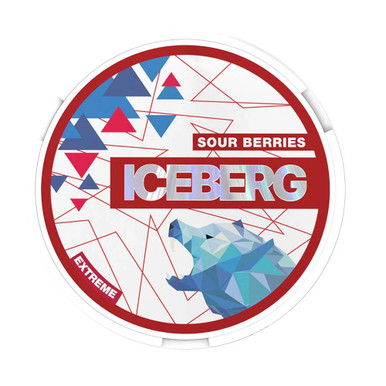
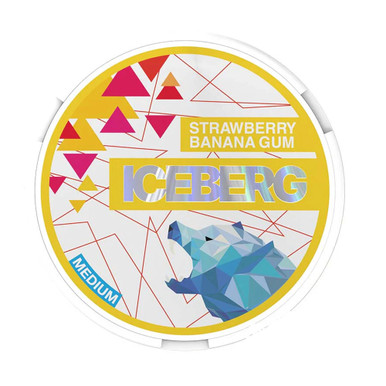
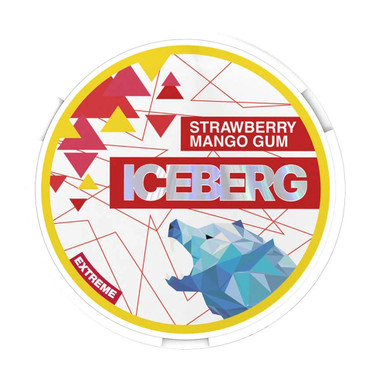
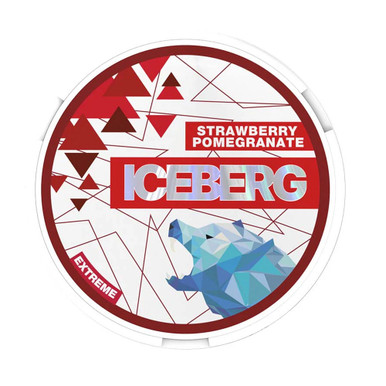
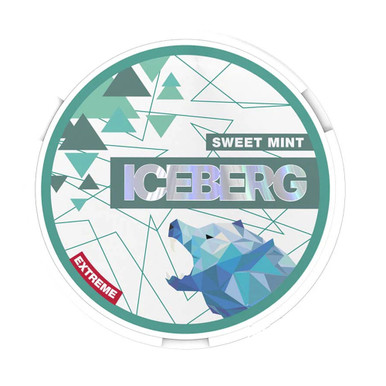
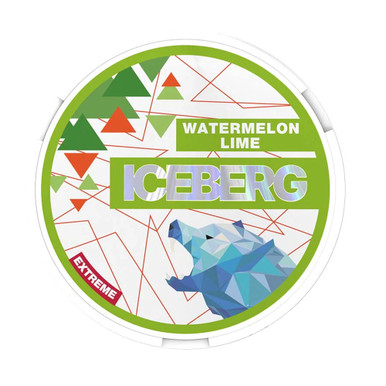
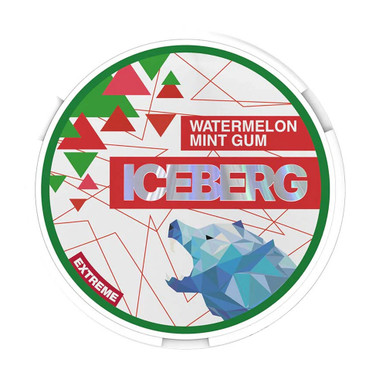
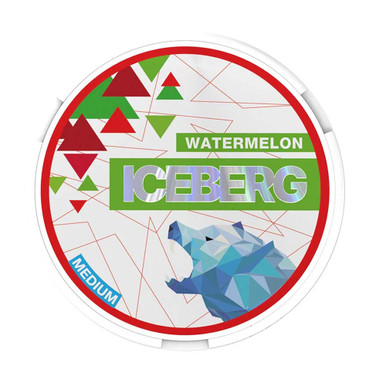
Forty listings, and as a range they are unusually fruit-heavy and unusually inventive in their lid names. The declared strength figures run from 20mg to 50mg per pouch. Our flavour filing tags this shelf with twelve words — berry, cherry, citrus, cola, energy, grape, mango, mint, strawberry, sweet, tropical and watermelon — which is nearly the whole vocabulary we use across the site, and still not enough for what is written on these lids.
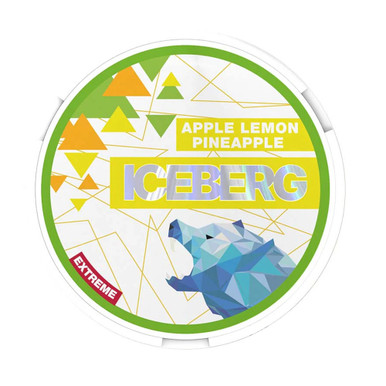
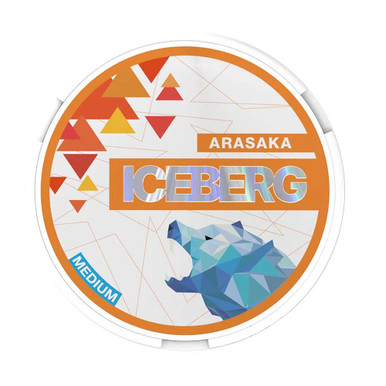
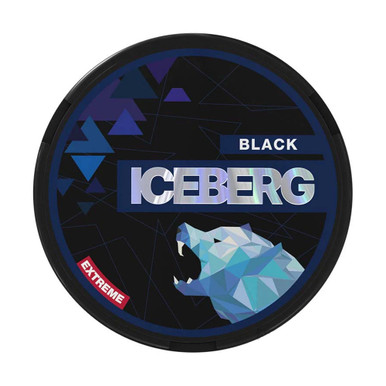
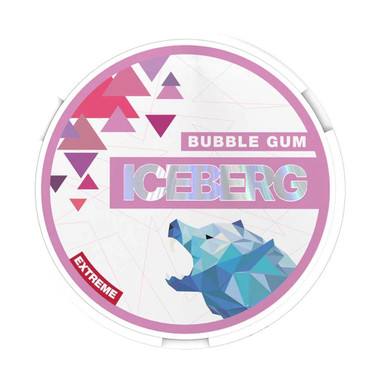
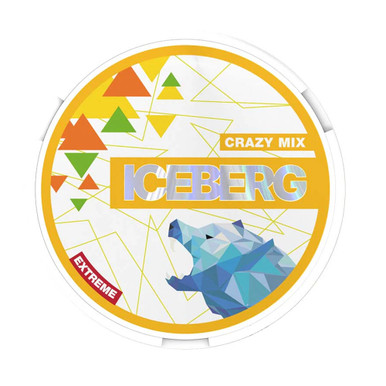
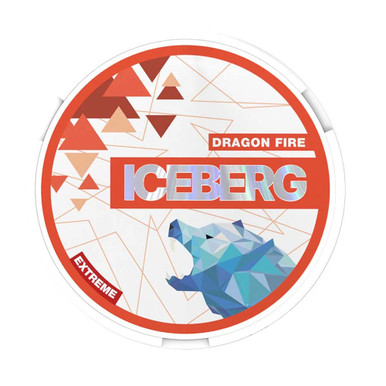
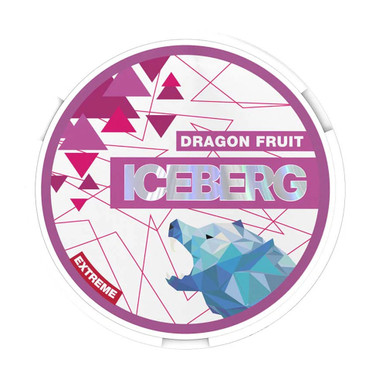
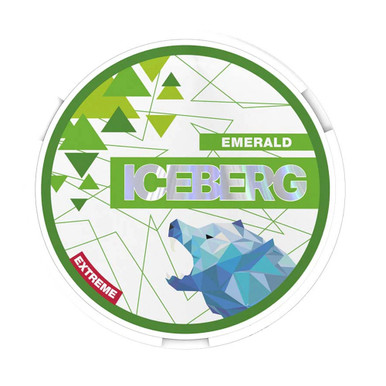
Seven listings carry no flavour tag at all. Those seven are worth knowing by name, because they are the ones that would be invisible on any flavour shelf even if they were orderable: Arasaka, the listing called simply Iceberg Black, Bubble Gum, Crazy Mix, Dragon Fire, Dragon Fruit and Emerald. All seven are unavailable, as is everything else here. Several of those names — Arasaka, Emerald, Black, Dragon Fire — say nothing about flavour at all, which is precisely why nothing could be tagged against them.
The price column, and why a flat figure tells you almost nothing
Every listing on this shelf shows £39.90. One figure, forty times over. There is no spread, no low end and no high end, so price cannot be used to sort, compare or infer anything about one Iceberg listing against another. On a shelf where nothing can be bought, that figure is doubly inert — it is a number the catalogue is carrying rather than a price anyone is being charged.
The interesting part sits underneath it. Seventeen of the 40 listings declare how many cans the listing covers. The other 23 do not. And all 40 carry the identical £39.90 regardless of which group they are in. That is a strong hint that the undeclared listings cover the same quantity as the declared ones — but a hint is not a fact, the catalogue does not state it, and we are not going to print a can count we cannot source. Where a listing declares its count, its product page shows it. Where it does not, the field is genuinely empty.
This is the general trap with headline prices across the whole site, not just here. A figure like £39.90 is a listing price, and a listing may cover one tin or a roll of them. Dividing it by a can count you have assumed rather than read is how people end up surprised. Two live comparisons make the point: the Pablo shelf runs from a low single-can figure up to a multi-can one within the same brand, so its bottom price and its top price are not measuring the same object at all; the Killa shelf is flat like this one but at a different figure, with no listing on it declaring a can count at all. Comparing any of those three numbers without knowing what each covers produces a conclusion that looks quantitative and is not.
So if you use this page for anything, use it for that lesson rather than for the number. On this shelf specifically, £39.90 is what the catalogue records and nothing is being sold at it.
The cans as objects, and what the listings leave out
Strip away flavour and strength and a can of pouches is a small round tin you carry in a pocket. The things that actually differ between one and another are physical — the tin's diameter and depth, how many portions are inside, the shape of the portion itself, and whether the lid has a well for finished pouches. Those are the questions people ask when they are choosing between two cans in front of them, and this shelf answers almost none of them.
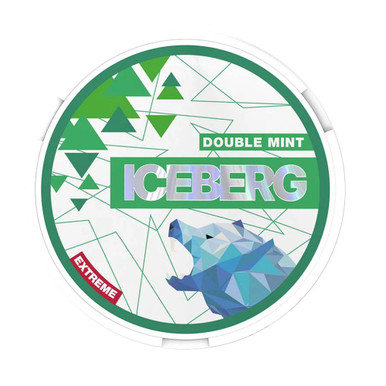
No listing here puts a portion format word in the product title. There is no slim, no regular, no mini, no compact anywhere in the naming. Cool Mint and Double Mint are titled identically apart from the flavour word, and neither tells you what shape the portion is or how it sits. Compare that with the 77 shelf, where format words do appear in titles and a shopper can at least see which listings are the smaller format before ordering. Here you would be finding out when the tin arrived — which, given nothing can be ordered, is academic, but it is worth knowing if the range returns.
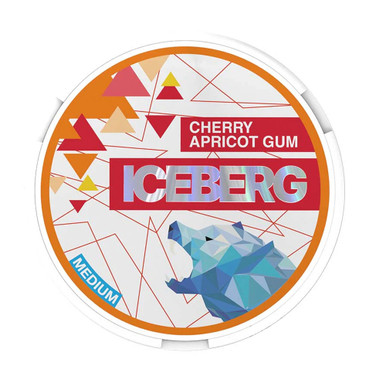
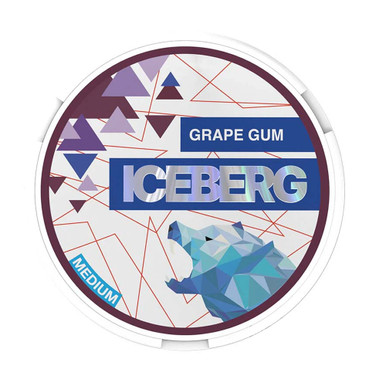
The one naming pattern that looks like format information and is not is the word Gum. It appears at the end of several lid names — Grape Gum and Cherry Apricot Gum among them — and it describes a confectionery-style flavour rather than anything about the object. A can with Gum in the name is the same kind of tin as one without it. Similarly, Double in Double Mint and Double Apple is a flavour-naming convention, not a statement about quantity or the size of anything.
What is consistent is the tin itself: a lid, a shallow well of portions underneath, and on these cans a lid compartment meant to take pouches you have finished with. That compartment is the reason a can is a sensible pocket object rather than a problem — used portions go back into the lid or into a bin, not onto the ground. Our general guide to what a pouch is covers the format questions in more detail than a brand shelf should.
One listing, more than one declared figure
Here is a filing quirk this shelf shows more clearly than most. A product page does not always correspond to a single declared milligram figure. About half the listings here cover two declared variants under one URL, so the page you land on offers a choice rather than a fixed number, and the range we record for that listing spans both. That is why the shelf-wide figure reads 20mg to 50mg: the ends of that range are sometimes the two ends of a single listing.
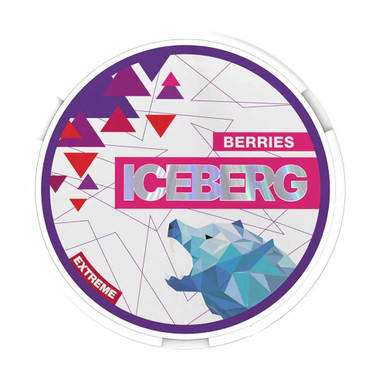
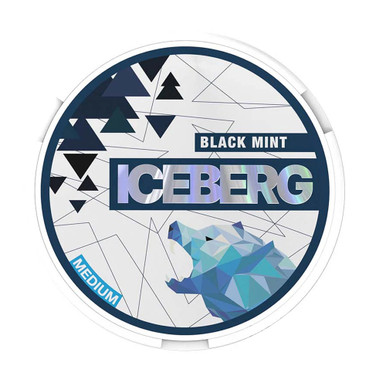
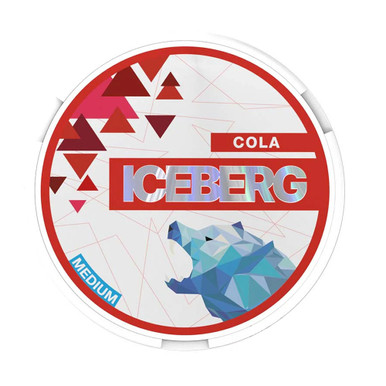
The Berries listing, Black Mint, Cola and Black Currant are all built that way. Other listings carry a single figure — Apple Lemon Pineapple is one of those, at the lower end. All of them, single-figure or two-figure, are unavailable.
The consequence for our filing is mechanical and worth stating plainly: when a listing spans two figures, the band it lands in is decided by the top one. Our bands are flat arithmetic — up to 6mg is Low, roughly 7mg to 14mg is Medium, 15mg to 30mg is Strong, above 30mg is Extra Strong — so a listing offering both a lower and a higher variant files under Extra Strong on the strength of the higher one, even though you could have chosen the lower variant on the page. Only the handful of listings that carry a single lower figure sit on the Strong shelf instead.
That is a limitation of filing a two-variant listing under one shelf, and it is the sort of thing a shopper should know rather than discover. It also means the strength shelves slightly overstate this range at the top end. None of it is a ranking: the bands sort numerically because numbers do, not because a higher figure is better, more advanced, or something anyone should work towards. We cannot advise which strength suits anyone, and the numeric order of our shelves is not a route.
Where our filing is coarser than the lids
Twelve tag words against forty lids, and several of those lids naming two or three things at once. The mismatch is visible all over the shelf.
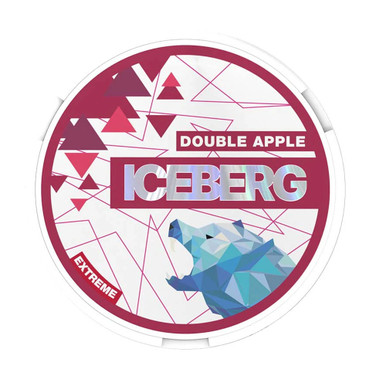
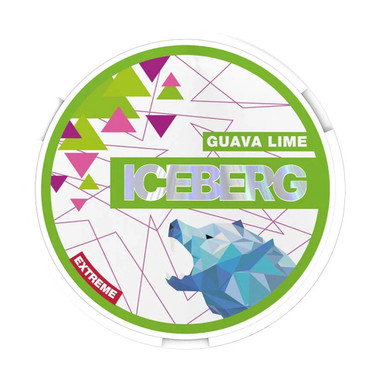
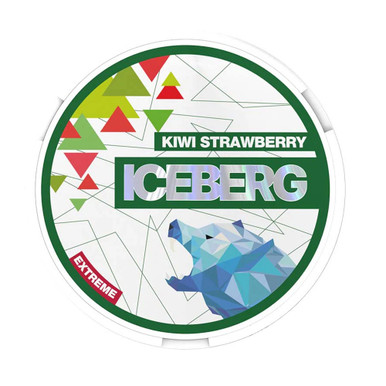
The clearest cases are the compound names. Kiwi Strawberry names two fruits, only one of which has a shelf — there is no kiwi word anywhere in our vocabulary, so the kiwi half is simply not recorded. Guava Lime has the same problem with guava. Apple Lemon Pineapple names three fruits and none of the three has its own shelf; it is filed against whatever near-enough words exist. Double Apple is filed as tropical for want of an apple shelf, which is defensible as filing and plainly wrong as a description.
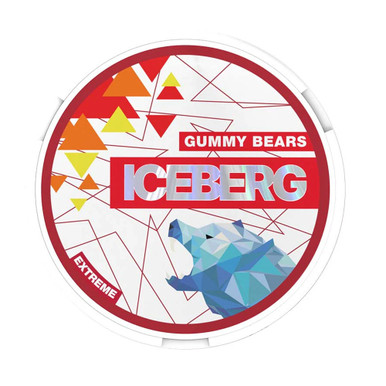
Then there is inconsistency within the shelf itself, which is the part we like least. A confectionery-styled lid called Gummy Bear did pick up our sweet tag. The Bubble Gum listing, which is confectionery-styled in exactly the same way, picked up nothing and sits among the seven untagged. Both are unavailable. There is no principle behind that difference; it is two similar lids landing on opposite sides of a line that was never drawn carefully. We would rather say so than let you assume the tagging is systematic.
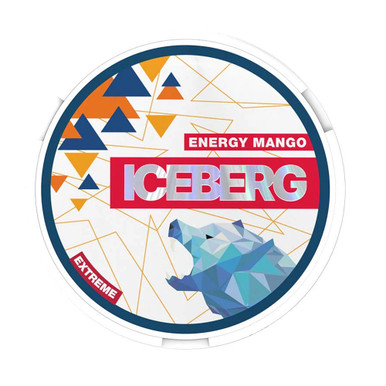
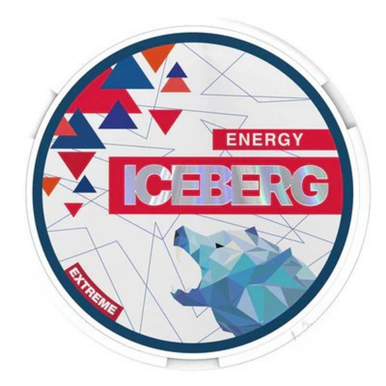
One tag needs a specific note. Several listings carry the word energy, including the listing named for it and Energy Mango. That word is a flavour label in the soft-drink sense — the taste associated with energy-drink cans — and nothing more. It does not describe what a product does, and we make no claim of that kind about anything we list.
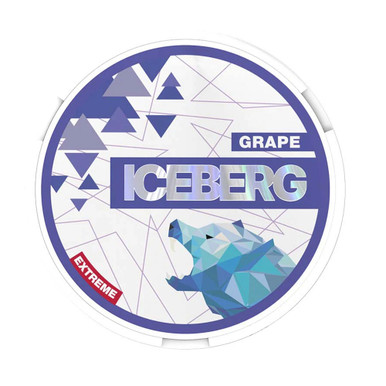
Finally, the tags collide inside the shelf as well as failing to reach outside it. The listing called simply Grape and the Grape Gum lid carry the same tag and are clearly not the same lid. Cherry and Cherry Apricot Gum are in the same position. On a flavour shelf those pairs sit side by side with nothing in the tagging to tell them apart, and only the full product title distinguishes them. The same thing happens across brands: lid names repeat between ranges, so a search result that shows a flavour without a brand is not enough to order from. Check the brand in the title — the Cuba shelf in particular shares several flavour words with this one.
Where to go if you want to order something today
Since this shelf has nothing on it, here is the honest redirect. These are the shelves that currently hold orderable listings:
- Pablo — the largest brand shelf on the site at 56 listings, and at the time of writing all of them can be ordered. It is also the only brand shelf here with a real price spread, which the section above explains how to read.
- Killa — 31 listings, all of them orderable, all at one declared figure and one flat price. Narrow, but nothing on it is a dead end.
- Cuba — 47 listings of which a substantial majority can be ordered, though a meaningful minority cannot, so check before planning around a specific lid.
- 77 — 29 listings with availability split roughly down the middle, and the shelf whose naming carries format words.
- Smaller ranges: ZYN at 22 listings, Velo at 21, Fumi at 16 and Nordic Spirit at 14.
If a flavour rather than a brand is what brought you here, the flavour shelves cut across every brand at once and are the faster route. Mint is the broadest at 148 listings; berry holds 76 and tropical 58, which between them cover most of what this Iceberg range would have offered. If the declared figure is what matters to you, the Medium Strength shelf carries 135 listings and the two higher bands carry more. And the full catalogue in one list is there if you would rather scan everything than work shelf by shelf.
Names, and what a name is not
Iceberg is a trade name. It is not a statement about temperature, about where anything is made, or about any property of the product. The same goes for every other brand name on this site — Nordic, Cuba, Siberia and the rest are labels chosen by manufacturers, and we hold no country-of-origin information for any of the ranges we list. We are not going to infer one from a word on a lid, and we would treat any page that does with suspicion.
The same principle applies inside the range. Black, Double, Crazy Mix, Dragon Fire, Emerald and Arasaka are names. None of them is a grade, a rank or a description of anything we can verify, and we hold no information that would let us order them for you even if that were a sensible thing to do.
Who this shelf is for
Everything catalogued here is sold only to adults aged 18 or over who already use nicotine — and, at present, is not being sold at all. Nicotine is an addictive substance. These products are not a licensed stop-smoking medicine and are not intended for non-smokers, non-nicotine-users, anyone under 18, or anyone who is pregnant or breastfeeding. We make no health or medical claim about them in any direction, and we cannot advise anyone on which product or strength to choose. ID may be requested on delivery.
Frequently asked questions
Can I order anything from the Iceberg shelf?
No. All 40 listings are unavailable at the time of writing — not some of them, all of them. Every product link on this page points at something that cannot currently be bought, and we have flagged that rather than letting you find out at checkout. If you need to order today, the Pablo shelf and the Killa shelf are both fully orderable as things stand, and the full list of alternatives is in the body of this page.
When will Iceberg be back in stock?
We do not know, and we are not going to invent a date to keep you on the page. A listing that returns will show as orderable on its own product page, which updates ahead of a category page like this one. We would rather give you a blunt answer than a reassuring one we cannot stand behind. In the meantime the shelves listed further up this page do have stock, and the flavour shelves cut across every brand at once.
Why keep the page up if nothing can be bought?
Because the shelf is still a useful map of what this range consists of — the lid names, the declared figures from 20mg to 50mg, and where our own filing struggles with the naming. Deleting it would lose that, and quietly redirecting you to a different brand would be worse. The compromise is to lead with the unavailability, flag every link, and point clearly at the shelves that can actually be ordered from.
Why does every listing show £39.90?
Because the shelf is priced flat in the catalogue: one figure across all 40 listings, with no spread to compare. Since nothing is orderable, it is a recorded number rather than a price anyone is paying. Underneath it, 17 listings declare how many cans the listing covers and 23 do not, all at the same figure — which is suggestive but not something the catalogue actually states, so we do not print a can count we cannot source.
Why do some listings show two different strengths?
Because a single product page here can cover two declared variants rather than one. The Berries listing and the Cola one are built that way — both unavailable, like everything else here. That is also why the shelf-wide range reads 20mg to 50mg: those ends are sometimes the two ends of one listing rather than two separate products. Where a listing spans two figures, our filing places it by the higher one.
Which strength shelf do Iceberg listings sit on?
Mostly Extra Strong, with a small number on the Strong shelf. The reason is mechanical rather than meaningful: our bands are flat arithmetic applied to the declared figure, and a listing covering two variants files under the higher one. That slightly overstates this range at the top end. The bands sort numerically and are not a ladder, a tier or a progression, and we cannot advise which figure suits any individual.
Does the name Iceberg say anything about where these are made?
No. It is a trade name and carries no geographic or factual meaning. The same applies to every brand name we list — Nordic, Cuba, Siberia and the rest are labels, not origin statements. We hold no country-of-origin data for any range on this site and will not infer one from a word on a lid. If that matters to you, the manufacturer and the can itself are the places to ask rather than a retailer's category page.
How many listings have no flavour tag?
Seven of the 40. They are Arasaka, Black, Bubble Gum, Crazy Mix, Dragon Fire, Dragon Fruit and Emerald — all unavailable, as is the rest of the shelf. Several of those names describe no flavour at all, so there was nothing for our filing to catch. Untagged means our vocabulary has no word for the lid, not that the pouch is unflavoured.
What does Gum mean at the end of a product name?
It is part of the flavour name, describing a confectionery style, and says nothing about the can or the portion. Grape Gum and Cherry Apricot Gum come in the same kind of tin as any other listing here. Double, in names like Double Mint, works the same way — it is a naming convention rather than a statement about quantity or size. Both are unavailable at present, like everything on this shelf.
Two listings look almost identical in a flavour shelf. How do I tell them apart?
By the full product title, because the tag will not do it. The listing called simply Grape and the Grape Gum listing carry the same flavour tag and are not the same lid; Cherry and Cherry Apricot Gum are another such pair. Lid names also repeat across brands, so a flavour word on its own is never enough to order from — check the brand in the title. All of these particular listings are unavailable.
Is a 50mg listing better than a 20mg one?
No. A declared figure is a content statement printed by a manufacturer, not a quality mark and not a level. Our shelves sort those figures numerically because that is how arithmetic works, and nothing on this site is arranged so that anyone should move from a lower figure to a higher one. We cannot advise which figure suits any individual and will not present one as an upgrade. On this shelf the question is academic anyway, since nothing can be ordered.
What is the fastest way to find something similar that is in stock?
Use a flavour shelf rather than a brand shelf, since flavour cuts across every brand at once. Mint is the broadest at 148 listings, with berry at 76 and tropical at 58 covering much of what this range offered. If a declared figure matters more than a flavour, the Medium Strength shelf and its neighbours are the better entry point, and the full catalogue lists everything in one place.