
Home / Extra Strong / Iceberg Strawberry Mango Gum Nicotine Pouches

Iceberg · 20mg–50mg · 10-can pack
Read the full guide
Iceberg Strawberry Mango Gum Nicotine Pouches
£39.90
✔ In stock — ready to ship
100% tobacco-free
Free over £20
Same-day dispatch
Secure checkout
This is an Iceberg listing sold as a pack of ten cans at £39.90. It is offered at two declared strengths, 20mg and 50mg, and the price is the same figure for both. There is a single product image attached to the record. At the time of writing the listing is marked out of stock, which means this page exists to be read and compared rather than ordered from today. Those five facts — brand, pack size, price, the two strength figures, and the stock position — are the whole of what our catalogue holds about this product, and everything below is either built directly on them or is clearly flagged as general information about the format rather than a claim about this particular can.
We are stating that boundary at the top because it governs the rest of the page. Where our record is silent, we will say it is silent instead of writing something plausible into the gap. There is no portion count in the record. There is no country in the record. There is no description of the flavour written by whoever makes the product, so what you get below is an account of what the words on the lid mean as flavour names, and not a tasting note produced by tasting this can. A page that admits its gaps is more use to an adult customer than one that quietly fills them.
The full guide to Iceberg Strawberry Mango Gum Nicotine Pouches
5,189 words on how it eats, who it suits, how to serve it and what to put beside it.
What the Strawberry Mango Gum listing actually says
This is an adult product. It is sold only to people aged 18 or over who already use nicotine, and the compliance section near the foot of the page sets that out properly rather than leaving it to a line of small print.
Three fruits in a name, and what our flavour field records
The product name is Strawberry Mango Gum. Our structured flavour field for it records three tags: berry, strawberry and mango. Two of those three line up with the name exactly. The third, berry, is the wider family shelf that strawberry belongs to, so it is not a contradiction so much as a broader filing of the same thing — you will find this listing among the seventy-six cans on the berry shelf as well as among the nineteen narrower ones on the strawberry shelf. What the field does not record is the third word in the name.
Strawberry as a flavour name
Strawberry is the most heavily used single fruit name in this category and it does not mean one thing. At one end it is worked towards the fresh fruit: light, slightly watery, with the faint green edge a real berry has at the stem. At the other it is worked towards confectionery, which is rounder, sweeter, and carries a perfumed top note that no actual strawberry has ever produced. Most cans land somewhere between the two. Because the third word here is Gum, the reasonable reading is that this one leans towards the confectionery end rather than the fruit-bowl end, but that is an inference from the name and we are not going to dress it up as a specification.
Mango, and what it does alongside a strawberry
Mango behaves differently from berries in flavour work. It is thick rather than sharp, with a soft sweetness and a slightly resinous, almost floral top that reads as tropical the moment you meet it. Paired with strawberry it usually does one of two jobs: it either sits underneath and rounds the berry off, or it pushes forward and turns the pair into something more tropical with a red fruit attached. Which of the two happens is a formulation decision by whoever built the flavour, and our record does not tell us which way this one went. You can taste the contrast for yourself against a single-fruit can — the sixteen listings on the mango shelf include cans where mango is the whole point rather than half of a pair.
The word Gum, which the tags do not carry
Here is the small inconsistency worth naming. The name ends in Gum. Our flavour field does not have a tag for that, so nothing in our structured data records the confectionery character the name is pointing at. In practice the word signals a sweeter, rounder, more manufactured treatment of the two fruits — the sort of flavour that is aiming at a sweet rather than at fresh produce, with the sugar-note kept high and the sharpness kept low. In aroma, flavours of that construction usually read sweet and obvious on opening the can rather than subtle. That is the general meaning of the word as a flavour term across the category. It is not a measurement of this can, and if you want the definitive account of what the manufacturer thinks is in it, the can itself is printed and our data field is not.
One thing the sweetness does not change: a confectionery flavour name on a nicotine product does not make the product suitable for anyone under 18. This listing is an 18+ product for adults who already use nicotine in exactly the same way an unflavoured or a plain mint listing is, and we would rather answer that point head-on than leave it hanging.
The pouch in the mouth and the can in the hand
Whatever the flavour, the format is the same across everything we stock, and it is worth setting out plainly for anyone comparing this listing against a different type of can.
Where the portion goes and how long people keep one in
A pouch is a small soft rectangle. It goes between the lip and the gum, usually on the upper side, and once a person has found the spot they like they tend to use the same one every time. It is not chewed and it is not swallowed. It goes in dry and it is taken out in one piece. Most people settle it with the tongue once and then stop thinking about it. How long anyone keeps a portion in varies from person to person, and we are not going to publish a figure, because there is no correct figure and printing one would read as instruction. The can carries a strength number and nothing about timing, and neither do we.
The lid and the second chamber on top of it
A can of this type is a squat cylinder with a push-on lid, and the top surface of that lid is a shallow sealed recess intended to hold finished portions until you reach a bin. That recess is the feature that makes the format workable away from a kitchen. The discipline is to empty it when you empty your pockets rather than when it is visibly full, because an overfull recess is what stops a lid seating flat, and a lid that is not seated flat is what dries out everything still sitting in the body of the can. A lid at a slight angle looks closed and is not.
Finishing with one
Used portions go into general waste. Not a sink, where they sit in the trap. Not a urinal, not a drain, not a plant pot, and not out of a car window, which is littering regardless of what the object is. The reason to labour a point this obvious is that disposal is the only part of the format that other people ever see. A can opened on a train table with a full recess is an unpleasant thing to be sitting opposite; thirty seconds of housekeeping a day keeps the whole business invisible, which is most of the point of a container this size.
Keeping a ten-can pack in usable condition
This listing is a box of ten, and that changes the storage question from "where does my can live" to "where does a month or more of stock live". A pouch is a dry product in a sealed can, and the two things that spoil it are moisture leaving and heat arriving. Neither happens quickly to a sealed can, and both happen steadily to an open one that is treated carelessly.
What a dried pouch is actually like
A portion that has dried out goes stiff and papery. It sits differently, it feels coarser against the lip, and the flavour comes across as thinner and shorter than it did from a fresh can. Nothing dramatic happens; it simply becomes a worse version of itself. The usual cause is not time on a shelf but a lid that has been left ajar, a can carried loose in a bag so the lid gets knocked half off, or a recess so full that the lid cannot close. Drying is almost always a handling problem rather than an age problem.
Cans that arrive moist, and cans that arrive dry
Different products in this category are packed at different moisture levels, and the difference is immediately obvious between a slightly damp portion and a notably dry one. That is a property of the product design and not a fault in either direction, and it does affect how forgiving a can is: a moister portion has more to lose to a badly closed lid, a drier one starts closer to the papery end. Our record does not state which side this Iceberg product sits on, so we will not guess. If you already keep a dry-packed can and a moist-packed one in the same drawer, you will know the difference by feel within a second of opening either.
Heat, cars and windowsills
Heat is the more destructive of the two problems, because it works on a sealed can as well as an open one. A car dashboard in summer is the worst place in a person's life for a can of anything, and a sunny windowsill is second. Warmth pushes moisture out of the portions and towards the lid, which is why a can left in a hot car often has condensation on the underside of the lid and stiffer portions underneath it. A box of ten sitting in a hot loft or a conservatory is ten cans going the same way at once, which is the real argument for putting a multi-can pack somewhere dull and cool the day it arrives.
The fridge and the freezer question
People ask about both. A fridge is unnecessary for a sealed can and is not something we advise, partly because fridges are humid and a can moved in and out of one picks up condensation on the outside. A freezer is a step further and we would not suggest it either. Room temperature, out of direct sun, away from a radiator, is the whole of the storage requirement. Anything beyond that is fussing, and fussing with temperature swings tends to cause the condensation problem it was meant to avoid.
The open can against the nine sealed ones
With a pack of ten, the practical routine is that one can is in use and nine are not. The nine want a drawer, a cupboard shelf or a box — somewhere dark, dry and out of the sun, and ideally somewhere you will not have to move them every day. The one in use wants a consistent pocket. Cans that live in the same pocket every day get their lids knocked off far less often than cans that migrate between a coat, a bag and a car door pocket. Stacking helps too: nine identical cylinders in a drawer stay tidy, whereas three half-used cans loose in a rucksack do not, and the one at the bottom of the bag is always the one with a lifted lid.
Opening the pack, and opening the first can
There is a small practical point about a fresh can that catches people out. Portions in a brand-new can are packed tightly, and lifting the first one out takes a moment of fiddling with a fingertip or a thumbnail. After that the can is easy to get into for the rest of its life. That is a property of full cans in general rather than a fault in any one of them. If you are opening a box of ten, there is no reason to break the seal on more than one at a time — nine unopened cans keep themselves perfectly well, and an opened can that is not being used is just a can slowly getting drier.
Reading 20mg and 50mg as figures on a label
The milligram number printed on a can states the nicotine content of a portion. That is the whole of what it means. It is not a score, not a quality grade, not a rank and not an instruction, and we are neither able nor permitted to tell you which figure suits any particular person. What we can do is explain how the two numbers behave on this listing and across our shelves, which is information rather than advice.
| Variant | Price | Cans in pack | Availability |
|---|---|---|---|
| 20mg | £39.90 | 10 | Out of stock |
| 50mg | £39.90 | 10 | Out of stock |
Why both variants carry the same price
Shoppers routinely expect the higher figure to cost more, and on this listing it does not: £39.90 buys ten cans either way. Across this category the price generally tracks the brand and the pack size rather than the declared strength, so flat pricing between variants of one product is normal rather than an error on the page. It does mean the number is not a thing you are paying extra for, which is worth knowing if you had assumed a ladder of price as well as a ladder of milligrams.
Why a 20mg variant sits on the Extra Strong shelf
A product page is filed once, and it is filed by its highest variant. Because this listing includes a 50mg option, the whole page lands on our Extra Strong shelf, and it takes its 20mg option with it. Elsewhere in the shop a 20mg can on its own would be filed as Strong. The consequence is practical: if you browse the Strong shelf expecting to see every 20mg can we hold, you will miss this one, and the same thing happens in reverse to a handful of listings on the Medium Strength shelf. Shelves are a filing convenience for browsing. The variant table above is the authority.
The ladder as we file it, and what it does not tell you
We sort into Medium, Strong and Extra Strong bands, and those band names are our own filing language rather than anything printed by a manufacturer. They tell you roughly where a can sits among the ninety-eight cans filed as Extra Strong and the one hundred and thirty-two on the Strong band. They do not tell you how a portion will be experienced, because declared milligrams per portion is one variable among several, including how a particular product is built, and we are not in a position to make that comparison for you. Nothing about a higher number is better, more advanced or more desirable, and nothing about it is an achievement. It is a content figure on a label, printed for the same reason any content figure is printed.
Iceberg on our shelves, and the cans nearest to this one
Iceberg is one of the larger brands we carry, with forty listings filed under it. The range runs across mints, single fruits, fruit pairs and a group of confectionery-leaning names of which this is one. One useful thing about the brand is that the related cans attached to this record all carry the same £39.90 as this listing, so moving between them changes the flavour and nothing else — no price to weigh, no pack difference to account for. One unhelpful thing, and it needs saying before the links rather than after them: every Iceberg listing we hold is showing as out of stock at the moment, all six named below included. That is the whole brand rather than a gap on one flavour, so treat what follows as a guide to what the range contains rather than as a shopping list, and take the live stock line on each listing over this paragraph.
Taking them in order of how close they are to a strawberry-and-mango pairing: Iceberg Berries is the nearest by family, a plural name covering a mixed-berry idea rather than two named fruits. Iceberg Black Currant is the sharp, dark counterpoint to a sweet red berry, and the fruit with the most acidity of anything in this paragraph. Iceberg Apple Lemon Pineapple is the closest match in construction rather than in flavour — a listing that stacks three fruits the way this one stacks two, and takes the tropical direction considerably further.
Further out, Iceberg Black Mint and the plainer Iceberg Black can leave fruit behind altogether, which makes either a sensible thing to keep beside a sweet can for contrast, and Iceberg Arasaka is one of the range's named blends rather than a flavour description, so the name will not tell you what is in it and neither will we. All six are £39.90, and all six are unavailable at the time of writing, so none of those six links is a route to a basket today. The Iceberg shelf holds the remaining thirty-odd, which are in the same position.
What people keep beside a strawberry-and-mango can
Most people who use this format do not run one flavour exclusively. Two or three cans on the go is the common pattern, and the pairing logic is simple enough: keep something adjacent for when you want the same idea, and something unlike it for when the palate has gone flat on sweetness.
Staying inside the strawberry family
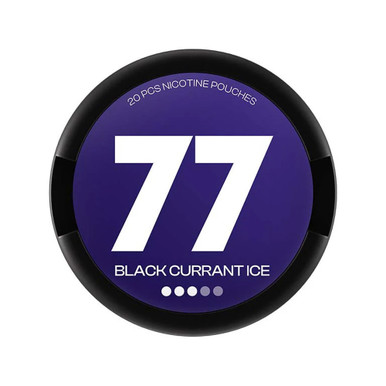
If strawberry is the part of this can you want more of, there are several routes at different prices. 77 Strawberry is another multi-can listing at the same £39.90, which makes it the closest comparison on pack terms as well as flavour. Denssi Strawberry Freeze adds a cold element to the same fruit, which is a genuinely different experience rather than a variation in sweetness. Fumi Strawberry at £27.90 is a cheaper way into the same fruit, and XQS Strawberry Kiwi pairs the berry with something sharp instead of something tropical, which is the direct counterpoint to what the mango is doing here. Staying with the same brand and the same £39.90, Iceberg Kiwi Strawberry makes that same swap without changing anything else, which is about as controlled a comparison as this catalogue allows — though it is out of stock along with the rest of the Iceberg range, so it is a comparison to read rather than to order.
Pairing the fruit with something else
For contrast rather than continuity, Killa Exclusive Strawberry Watermelon at £33.50 keeps the strawberry but swaps the tropical partner for a lighter, more watery one, and Pablo's strawberry cheesecake can at £3.85 takes the confectionery idea considerably further than a gum note does. That last one is also the cheapest thing in this comparison by a wide margin, which makes it an easy single purchase if you want to test whether the dessert direction is one you enjoy at all.
Crossing over to the darker berries
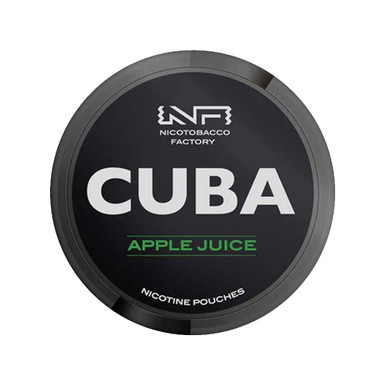
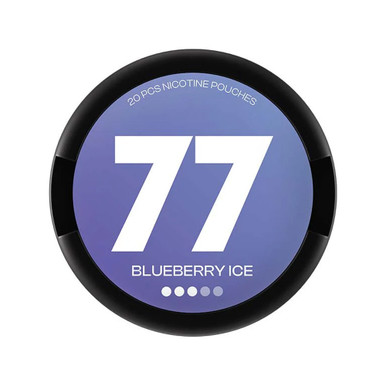
Blueberry and blackcurrant sit in the same tagged family as strawberry and taste nothing like it — deeper, less perfumed, with a jammy weight and far less of the bright top note. Cuba Black Blueberry at £39.90 is single-fruit and dark, which makes it a clean comparison against a two-fruit can built on a red berry: it shows you what the berry family does when it is not being sweetened towards confectionery. At the other end of the money, Edge Strawberry at £14.95 stays with the red fruit for roughly a third of the outlay, which makes it the cheapest way on this list to keep a second strawberry can in rotation — with the caveat that it is out of stock at the time of writing, so the price is a comparison rather than an offer. Beyond those, seventy-six berry listings is a large enough shelf to browse rather than be led through.
Choosing between what this listing offers
The choice on this page is narrow, which is worth saying plainly rather than pretending there is a decision tree. There is one flavour, one pack size and one price. The only variable is the declared strength, and the two options are 20mg and 50mg. Nothing else changes between them: the same ten cans, the same £39.90, the same flavour, the same stock position.
We cannot advise which of those two figures suits you. That is not us being cagey — it is a limit we hold to on every page on this site, because a strength recommendation is a judgement about a person rather than a fact about a product, and we do not know anything about the person reading. What we can tell you is what the numbers are, what they mean, and where each one sits in our filing. The decision after that is yours, and if you already use this format you will have a view based on cans you have already had, which is better evidence than anything a product page can offer.
An out-of-stock listing, and what it changes
Both variants are currently marked out of stock. Practically, that means you cannot order this today and we cannot give you a return date, because we do not hold a restock date in our record and inventing one would be worse than useless. Stock in this category moves in and out on the supplier's schedule rather than ours.
What the page is still good for is comparison. If you are working out whether a strawberry-and-mango pairing is something you want, the flavour discussion above holds whether the can is orderable or not, and the alternatives linked in the previous section are live listings. If it is specifically the ten-can format you were after rather than this flavour, everything we stock can be filtered down and the multi-can packs are easy to spot by price.
Ordering, dispatch and the age check
When a listing like this is orderable, the process is the ordinary one: it goes in the basket, you check out, and it is dispatched. There is nothing unusual about the packaging or the handling of a pouch order, and a ten-can box travels as a small parcel rather than a letter.
The age check is the part that is not ordinary and should not be. This is an 18+ product and we sell it only to adults who already use nicotine. You will be asked to confirm your age at checkout, and identification may be requested on delivery. A courier is entitled to refuse to hand over an age-restricted parcel to anyone who cannot show they are old enough, and to anyone who is not present to receive it. If you are likely to be out, consider that before choosing a delivery address, because a parcel of this kind is not one that gets left behind a bin.
Routes on from this page
If this listing is not the one, the quickest ways out are by brand, by flavour or by band. The Pablo shelf and the Cuba shelf are both large ranges with fruit-heavy line-ups and both appear repeatedly in the comparisons above. The strawberry shelf narrows straight to the fruit if that is the part you came for, and the mango shelf does the same for the other half of the pairing. For a wider sweep, the full catalogue is the top of the tree, and the three strength bands sit underneath it as the other main axis of browsing.
Questions we are asked about this can
Is £39.90 the price of one can or the pack?
It is the price of the pack, and the pack is ten cans. That works out at £3.99 a can, which is arithmetic rather than a comment on value. Both strength variants are the same price, so the figure does not change if you pick 50mg over 20mg. We do not list a single-can option for this product; if you want a single can of something in the same flavour territory, the cheaper listings in the comparison section above are sold in smaller units.
Does the Gum in the name mean it tastes of chewing gum?
It signals a confectionery treatment of the two fruits rather than a fresh-fruit one — sweeter, rounder, with the sharp edges taken off. What it does not do is appear anywhere in our structured flavour data, which records only berry, strawberry and mango. So the word is on the lid and in the product name, and our tags do not carry it. We have described what the term generally means as a flavour style, and we are not going to go further and describe a taste we have no record of.
Which fruit leads, the strawberry or the mango?
We do not hold that information. The name puts strawberry first, and product names often but not always list the dominant note first, which is a weak signal rather than a fact. Our flavour field lists both without ranking them. If the balance matters to you, the honest answer is that a single-fruit can on each side — a plain strawberry listing and a plain mango one — will teach you more about your own preference than any description of a blend can.
Why is a 20mg option filed under Extra Strong?
Because a listing is filed once, by its highest variant, and this listing has a 50mg option. The 20mg variant is carried along with the page onto the Extra Strong shelf. It is a filing artefact rather than a statement about the 20mg can. If you are browsing by band and wondering why a 20mg product is not where you expected, that is the reason, and the variant table on this page is the thing to trust over the shelf it sits on.
How many pouches are in each can?
Our record does not state a portion count for this product and we are not going to estimate one. Cans in this category vary, and a number invented for a web page is actively unhelpful if your can turns out to hold fewer. The count is normally printed on the can itself, so the object answers the question definitively once you have it. What our record does give is the can count: ten per pack.
When will it be back in stock?
We do not know, and we do not hold a restock date in the record for this listing. Availability in this category depends on supply we do not control, so any date we put here would be a guess dressed as information. If the flavour direction matters more than the brand, several of the live listings linked above cover similar ground; if the brand matters more, the Iceberg shelf shows what is currently available under it.
Should I keep the pack in the fridge?
There is no need to, and we would not suggest it. Sealed cans keep perfectly well at ordinary room temperature as long as they are out of direct sun and away from a heat source. Fridges are humid and moving a can in and out of one invites condensation on the outside of it. A dark cupboard or a drawer is entirely adequate for nine sealed cans, and the tenth is best served by living in the same pocket every day so its lid stops getting knocked.
Which strength should I choose?
We cannot tell you that. A strength recommendation is a judgement about a person, and we know nothing about the person reading this page. What we can give you is the label information: this listing offers 20mg and 50mg, both at £39.90, both in a pack of ten, and the figure refers to nicotine content per portion and nothing else. A higher number is not better, more advanced or a target, and we would not frame it that way.
Can I mix the two strengths in one pack?
No. The pack of ten is a single variant — ten cans of whichever strength you select. There is no mixed option on this listing, and we do not split packs. If you want both figures on hand you would need to order the pack twice, once at each variant, which at £39.90 each is a considerable outlay for a comparison.
What else does Iceberg make that is close to this?
Six related cans are attached to this record and all of them are £39.90, the same as this listing. The nearest by flavour family is the mixed-berry one; the blackcurrant can is the sharp dark alternative; and the three-fruit blend is the closest in construction, since it stacks fruit the way this listing does. Two of the six leave fruit behind entirely. They are all linked in the brand section above, and Iceberg's forty listings is the fuller picture. All six are out of stock at the time of writing, as is every other can under the brand, so those links are for comparison rather than for ordering.
Do you publish reviews or ratings for this product?
No. We do not carry customer reviews, scores or ratings on product pages, and we are not going to quote opinions we cannot show you the source of. What is on this page is the catalogue record and an explanation of the format written around it. If you want a view on the flavour, a cheaper single can in the same family is a more reliable way to form one than a number out of five would be.
Does the flavour last the whole time a portion is in?
Flavour in this format is strongest early and fades from there — that is the general behaviour of the product type and it applies across brands rather than being particular to this one. How long the fade takes depends on the individual and on the can, and we do not publish a figure for either. What we will say is that a can stored badly starts weaker than it should, which is the practical reason the storage section above is the longest one on the page.
Legal position, and who this product is for
This is an age-restricted product and the following is not decoration. Sales are to adults aged 18 or over only, and only to adults who already use nicotine. We will ask you to confirm your age at checkout, and identification may be requested by the courier on delivery; a parcel that cannot be handed to someone who is old enough will not be left.
Nicotine is an addictive substance. That statement carries no qualification on this page and takes no comparison with anything else.
This product is not a licensed stop-smoking medicine and it is not intended for non-smokers, for people who do not already use nicotine, for anyone under 18, or for anyone who is pregnant or breastfeeding. We make no health, medical or safety claim about it in any direction, and we do not advise on strength, quantity or frequency for any individual. If you have questions of that kind, a suitably qualified professional is the right place for them and a product page is not.
Keep cans out of reach of children and of animals. The catch recess on the lid holds used portions temporarily and is not a storage solution; empty it into general waste regularly.
The short version
Iceberg Strawberry Mango Gum is a ten-can pack at £39.90, offered at 20mg and 50mg for the same money, tagged berry, strawberry and mango, and currently out of stock. The name promises a confectionery treatment of two fruits and our data records the fruits but not the confectionery part, so we have described what those words mean rather than pretending to a tasting note. The strength figures are label information and nothing more. The storage advice is the part of this page most likely to be useful in practice: cool, dark, dry, one can in a pocket and the rest in a drawer, and a lid that actually closes. Everything else on the page is comparison. Some of those links go to cans that can be bought today and some, including every Iceberg one, go to listings that are unavailable; we have said which is which as each came up rather than leaving you to find out at the basket.
More from Iceberg



More extra strong pouches



More berry pouches
Where this sits
Iceberg Strawberry Mango Gum Nicotine Pouches appears in these categories. Browse them, or jump to something close.
You might also like