Home / All Pouches / Mint
Mint Nicotine Pouches
Every listing in the catalogue that carries the mint flavour tag lands on this shelf, and there are 148 of them. That makes it larger than the berry shelf and the tropical shelf put together. Of the 148, 106 can be ordered today; the other 42 are listed but currently unavailable, and the grid marks them.
Declared strengths run from 1.5 mg to 50 mg and prices from £3.85 to £39.90. Before you read the grid as a tidy menu, it is worth knowing what our mint tag actually separates — and the honest answer is: a good deal less than the lids do.
Energy PouchesLow StrengthMedium StrengthStrongExtra StrongPabloCubaIcebergKilla77ZYNVeloFumiNordic SpiritXQSRushDenssiUBBSSYXClewMaggiePouch NurdzElf BarWhite FoxKlintSiberiaEdgeMintBerryTropicalCitrusWatermelonCherryStrawberryColaMangoGrapeSweetEnergyCoffee
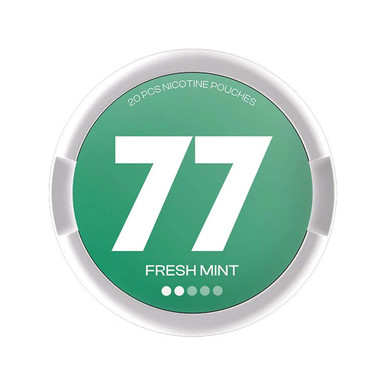
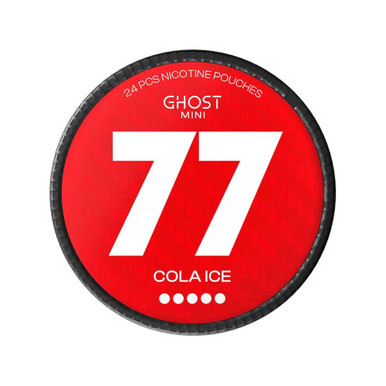
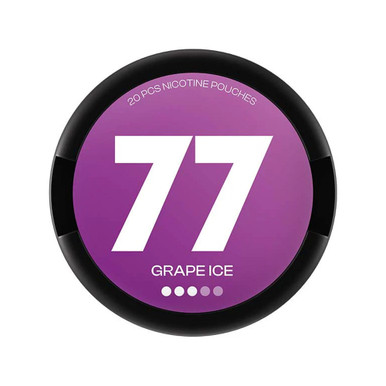
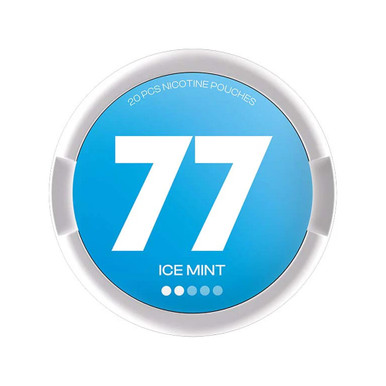


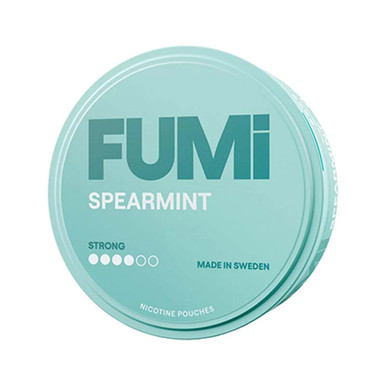
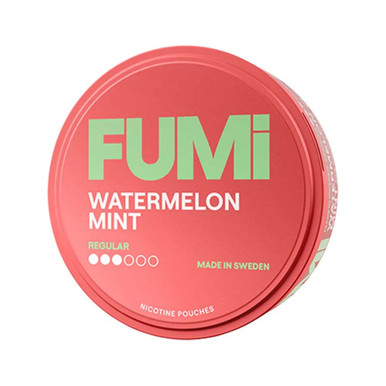
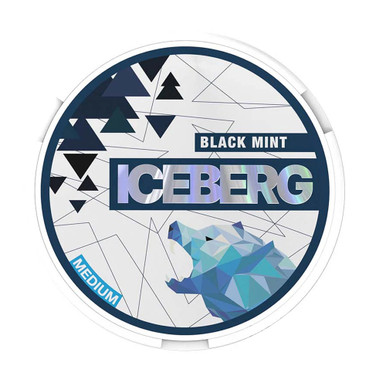
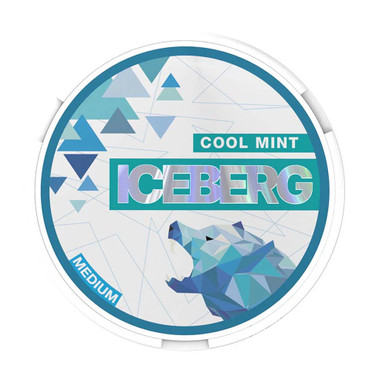
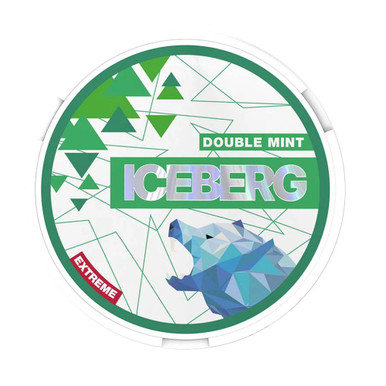
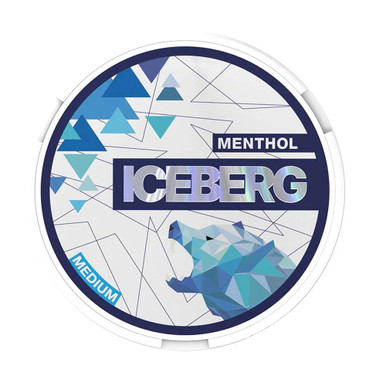
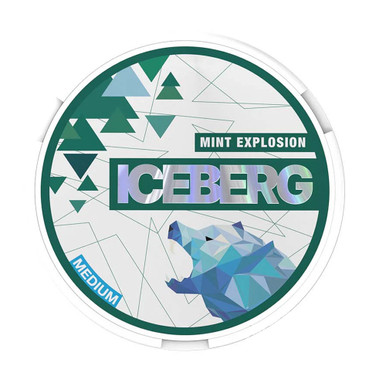
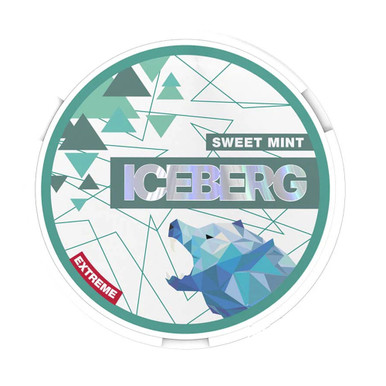
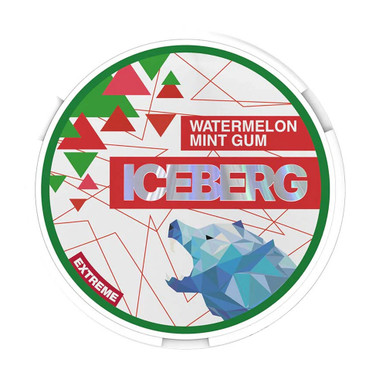
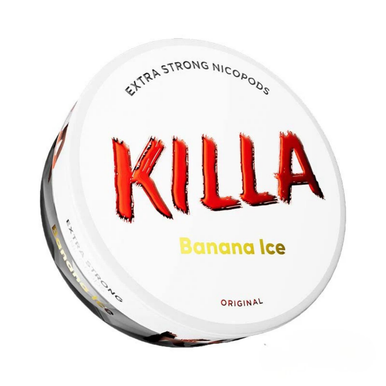
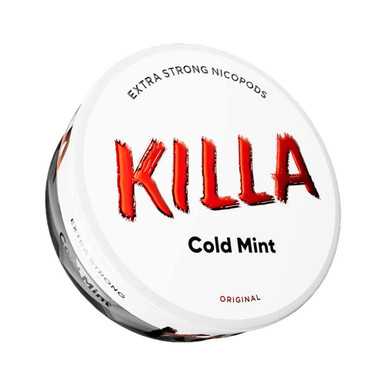
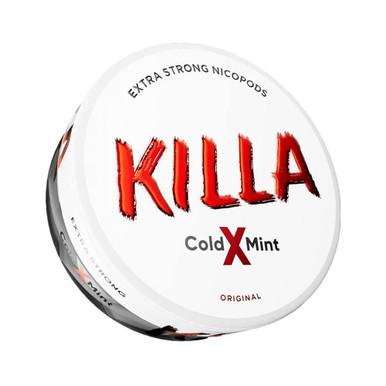
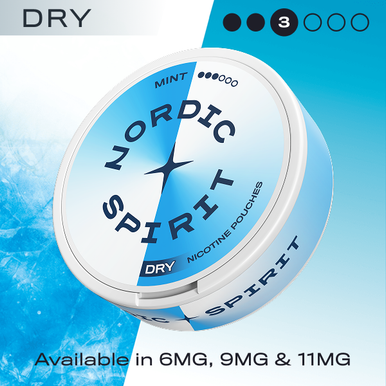
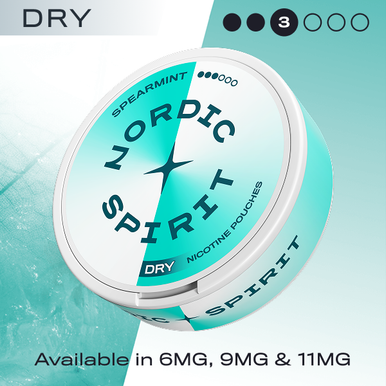
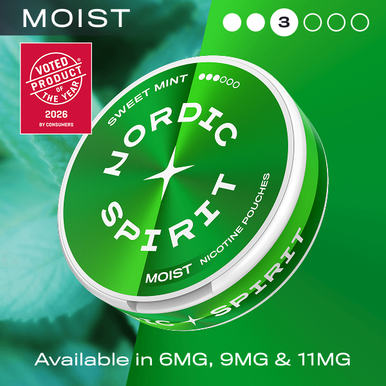
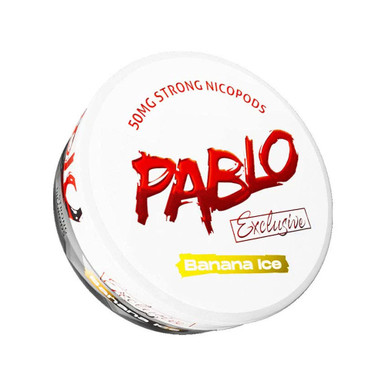
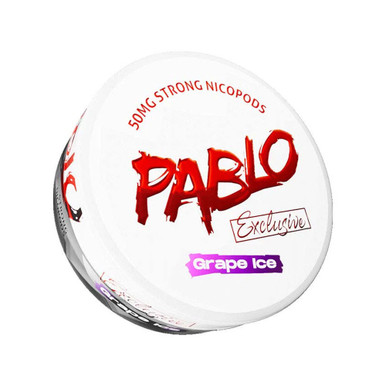
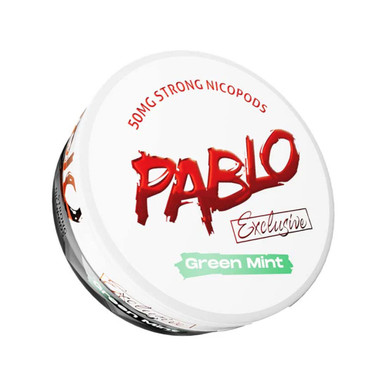
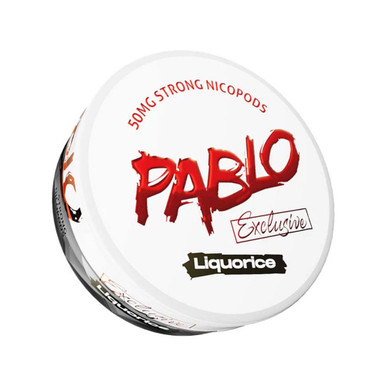
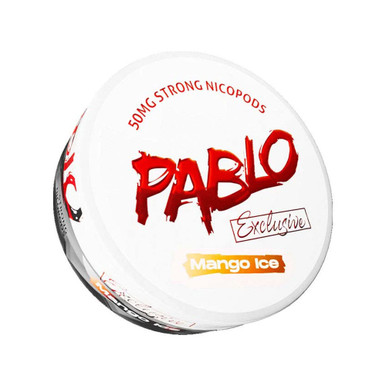
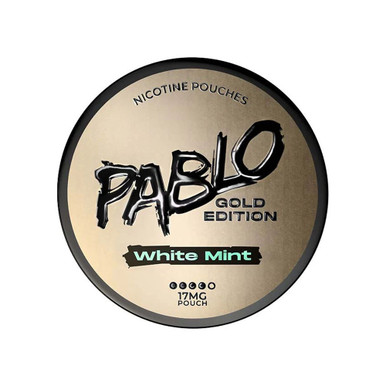
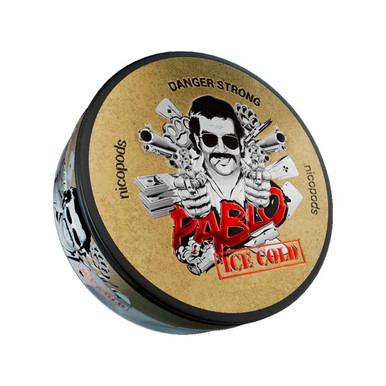
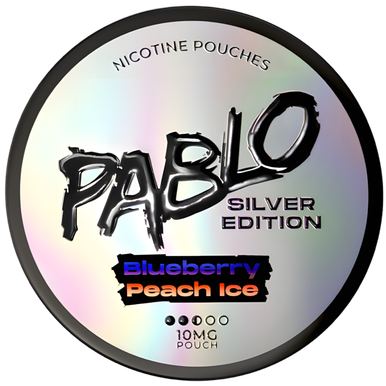
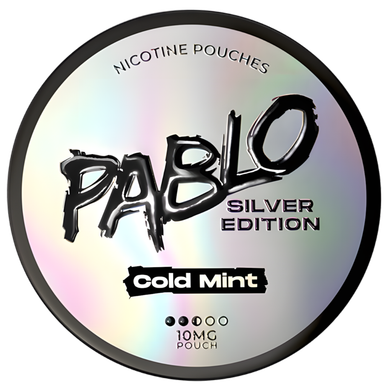

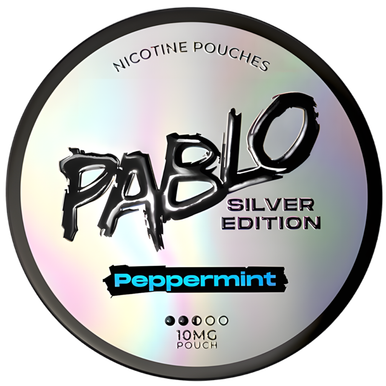
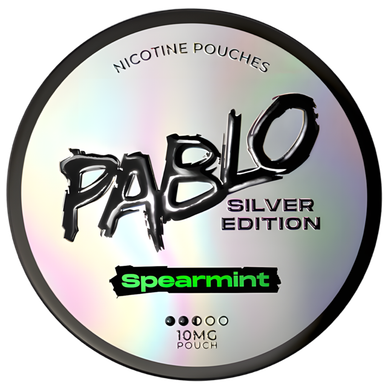
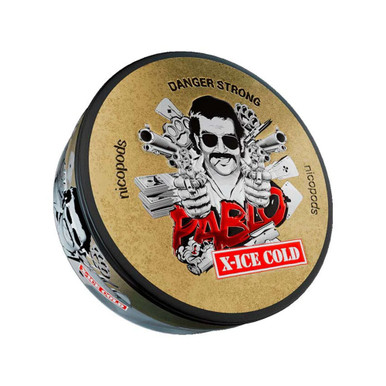
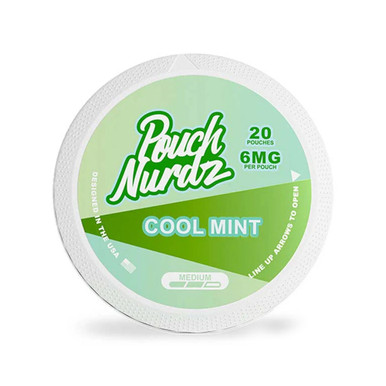
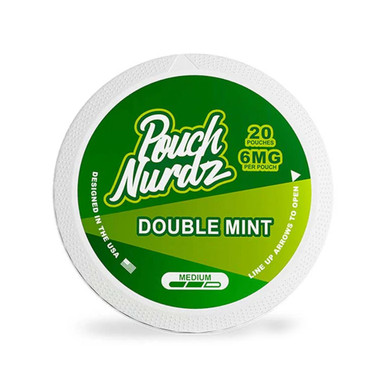
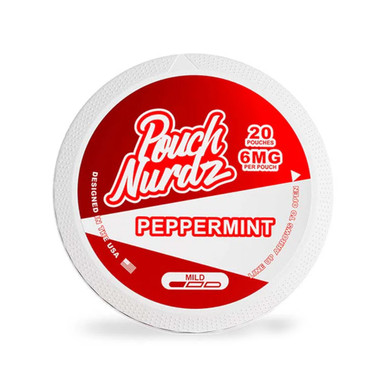
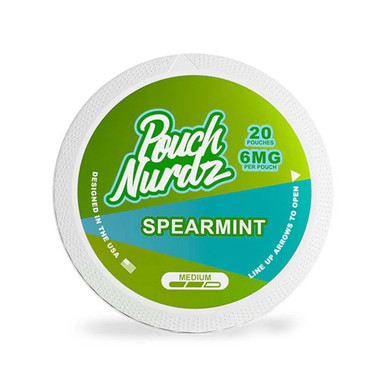
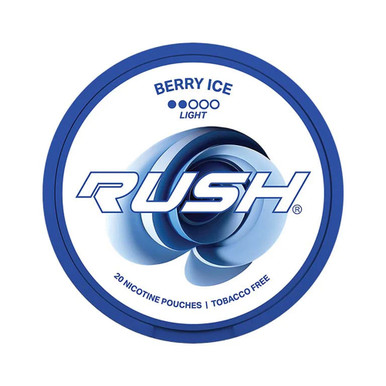
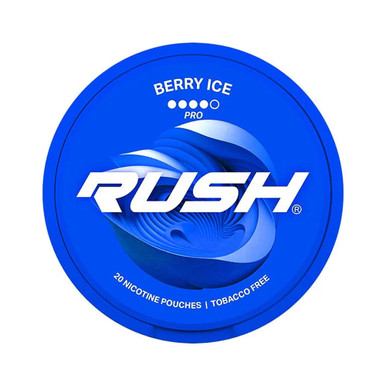
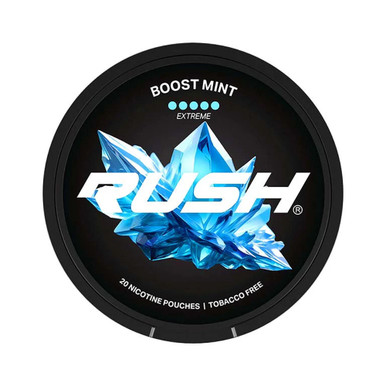
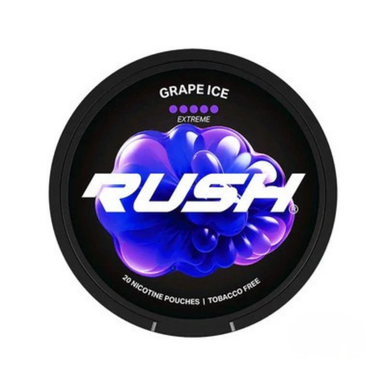
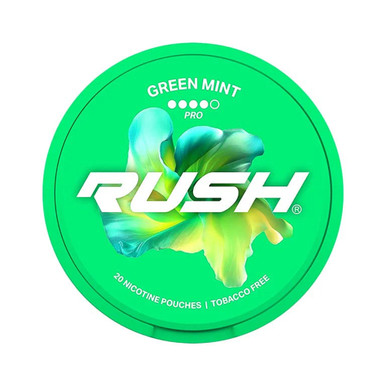
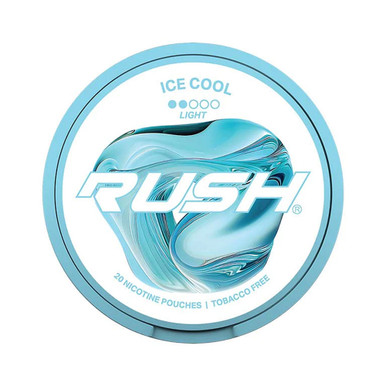
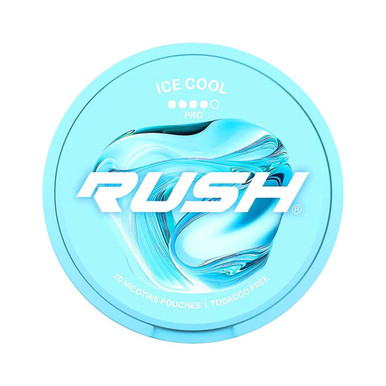
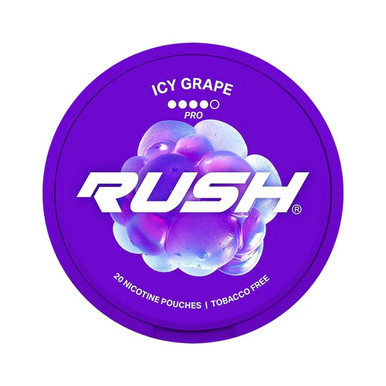
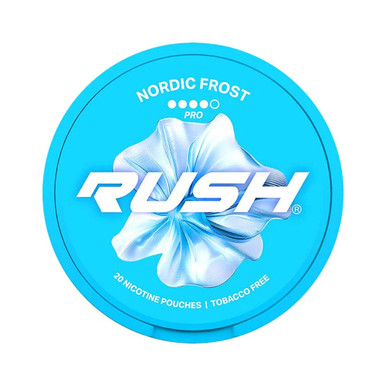
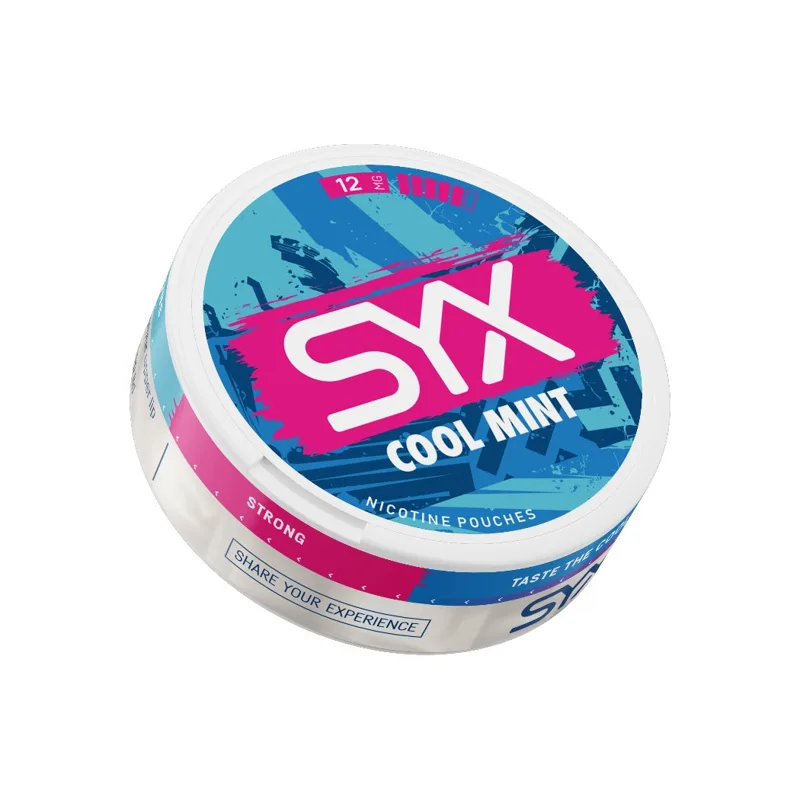
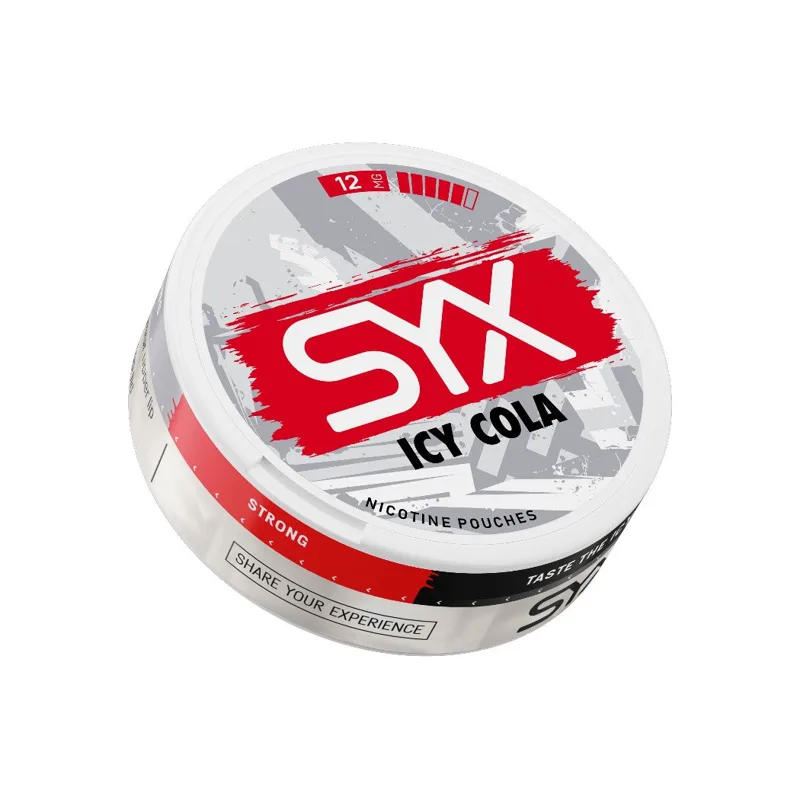
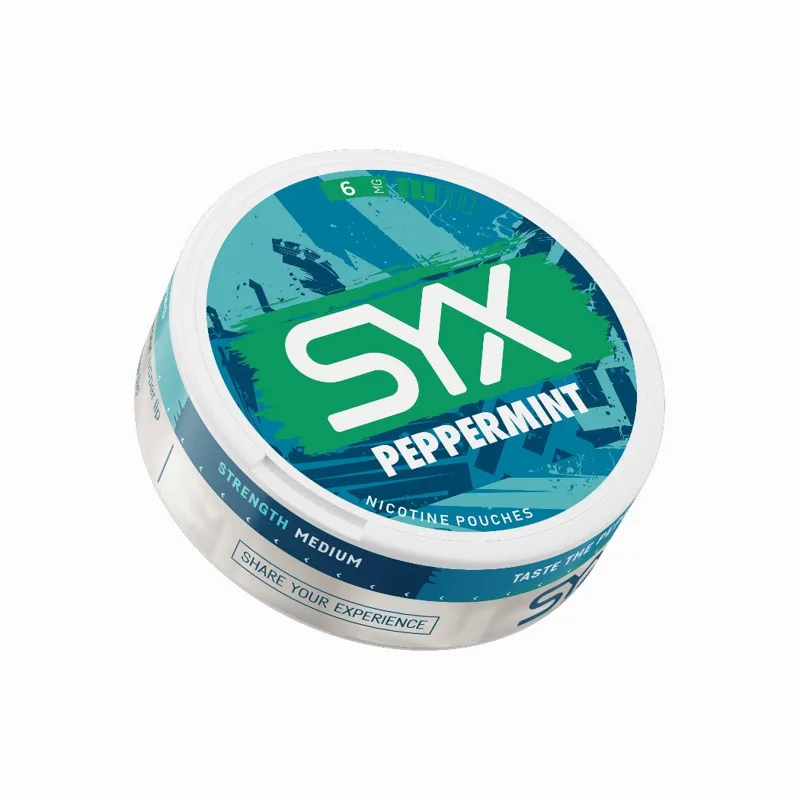
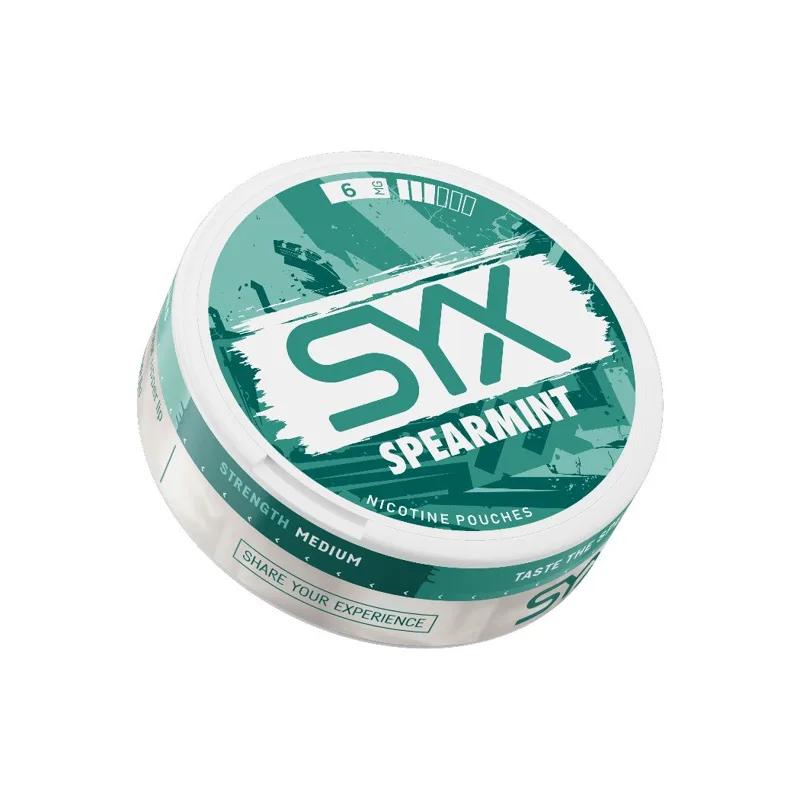


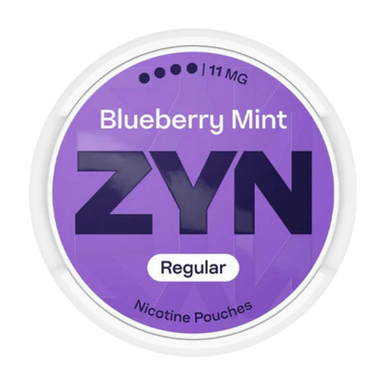
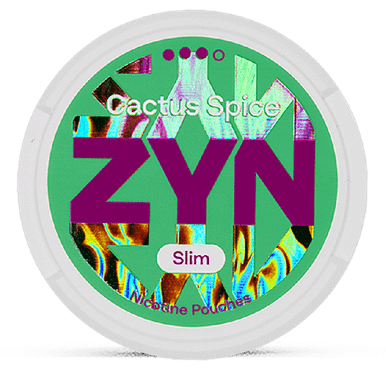
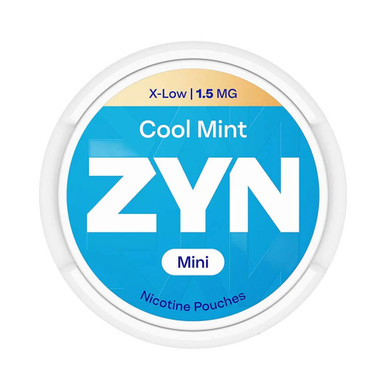
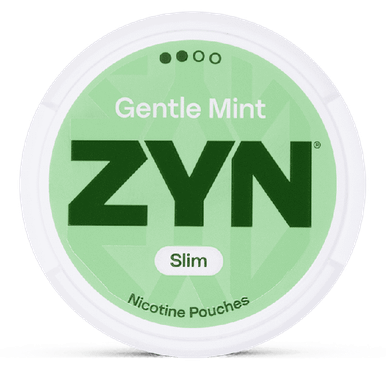
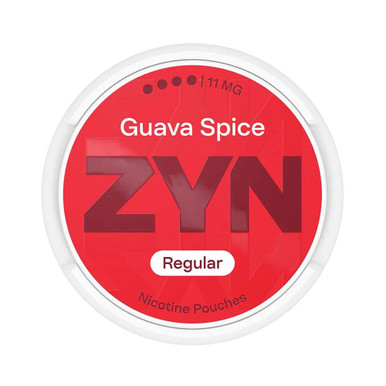
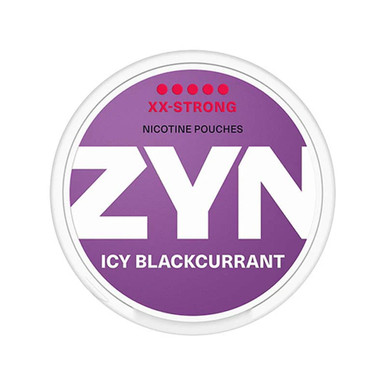
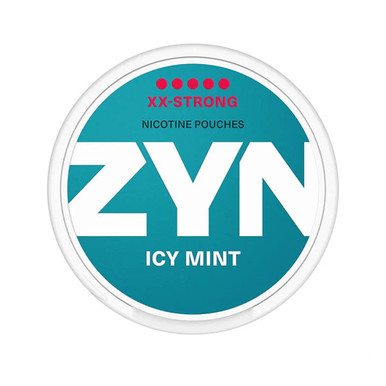
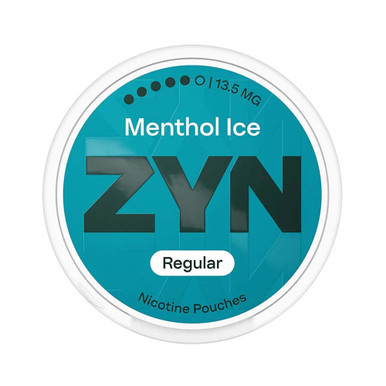
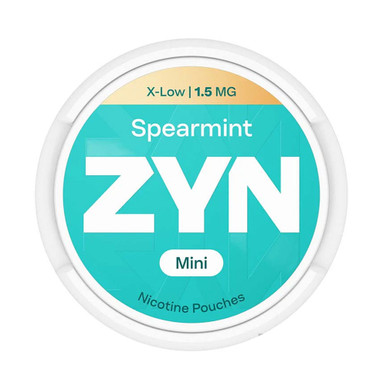
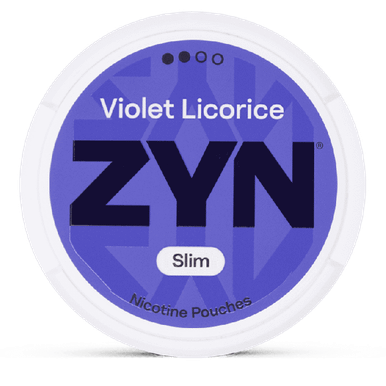
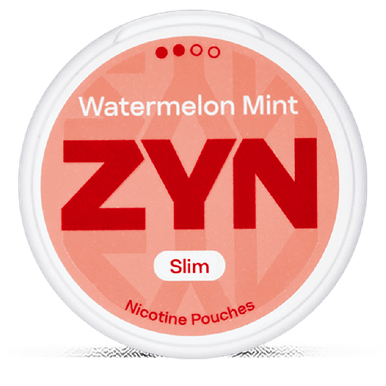
Related categories
Other ways into the range.
Berry 76Tropical 58Citrus 25Watermelon 23Cherry 20Strawberry 19Cola 17Mango 16Grape 14Sweet 12Energy 10Coffee 9
What the mint tag is, and what it is not
Every flavour tag on this site is a filing decision made on our side of the counter so that a catalogue of this size could be browsed at all. It is not a description supplied by the manufacturer and it is not a tasting note. A listing arrives here because somebody decided that the word mint was the closest single label available, and 148 listings have been through that decision.
The number is worth sitting with. The citrus shelf holds 25 listings, watermelon holds 23, cherry holds 20 and mango holds 16. Mint holds 148. A shelf that large is less a category than a drawer, and a drawer that size is doing more sorting work than one word can honestly carry. The rest of this page is mostly about where the word gives out, because knowing that saves you scrolling through a grid expecting it to behave like a filter.
One tag across several genuinely different lids
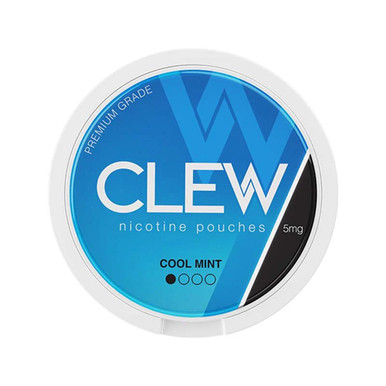
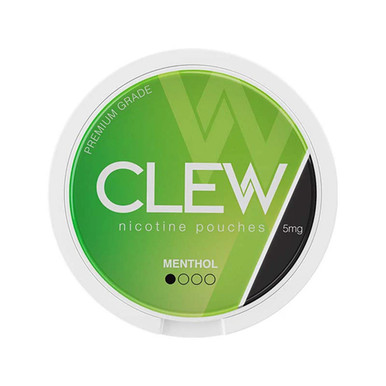
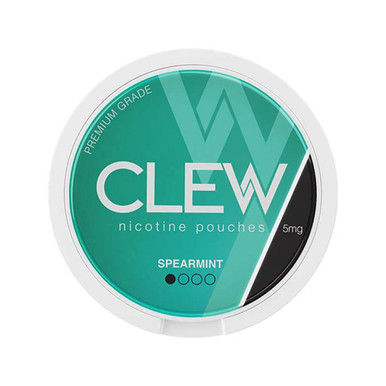
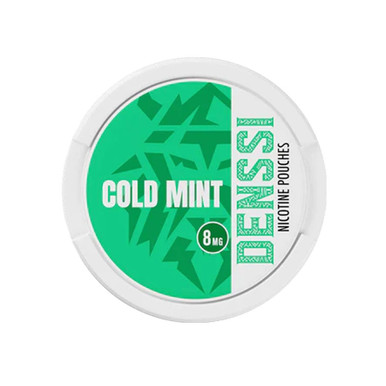
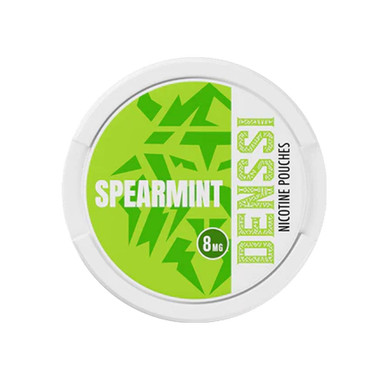
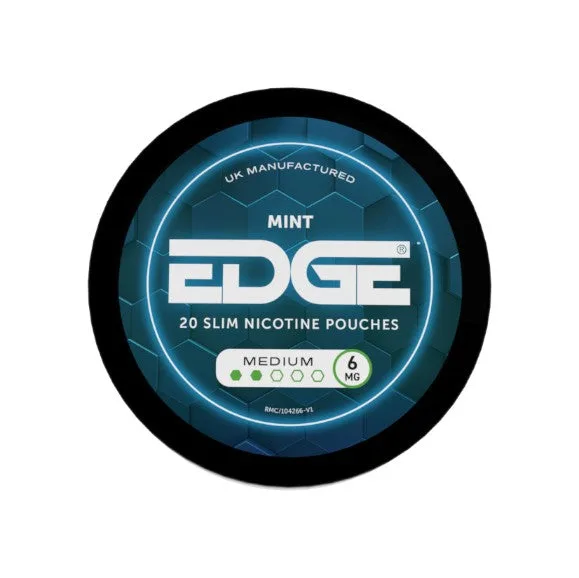
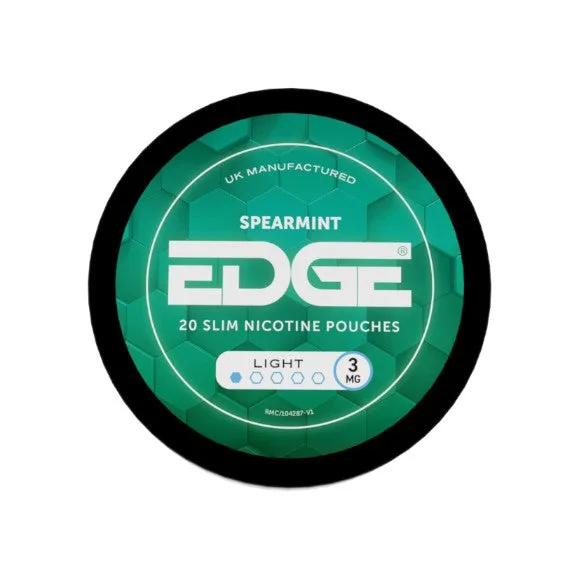
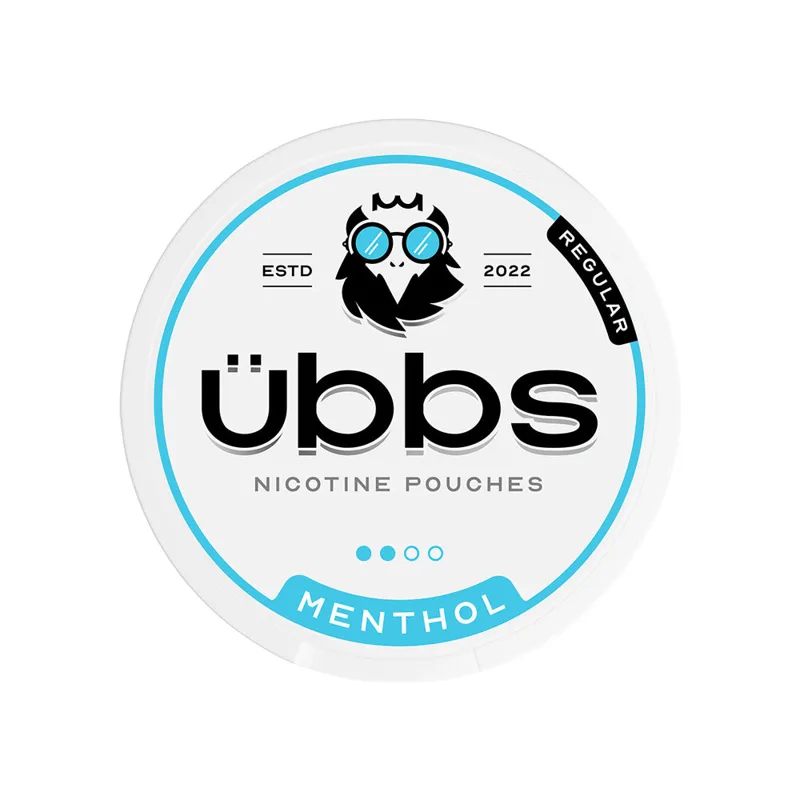
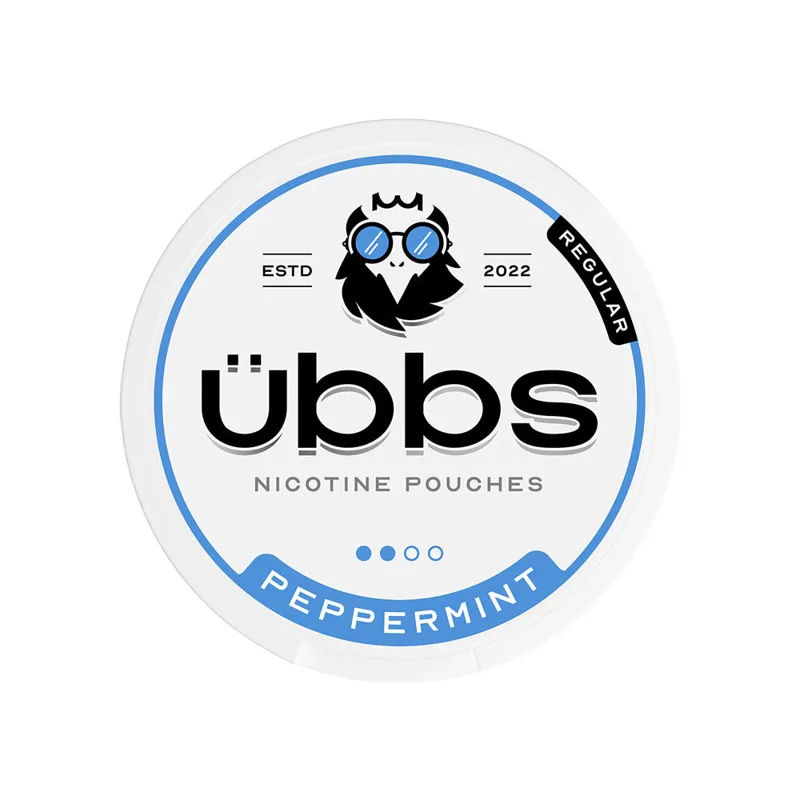
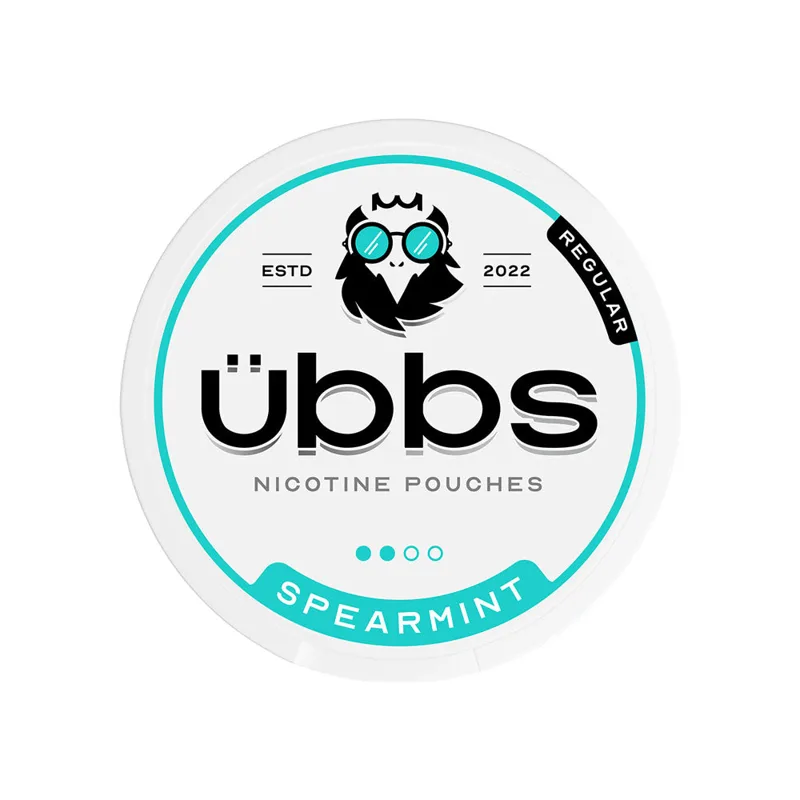
The clearest way to see the problem is to put one brand's mint cans next to each other. We list Clew Cool Mint, Clew Menthol and Clew Spearmint as three separate products, because they are three separate products with three different lids. In our flavour data they are identical triplets: all three carry the tag mint, and nothing else in our records tells them apart. The same holds for Denssi Cold Mint against Denssi Spearmint, and for Edge Mint at £14.95 against Edge Spearmint at the same figure.
So if you arrived looking for spearmint specifically, or menthol specifically, or whatever a given brand means by cool mint, this shelf cannot do that job. It will show you all of them in one grid and leave the separating to you. The product titles are the only place the distinction survives, which means that on this shelf you are reading names, not filtering data. There is no hidden sub-tag underneath. What you see in the title is genuinely all we hold.
Cans filed here with no mint on the lid
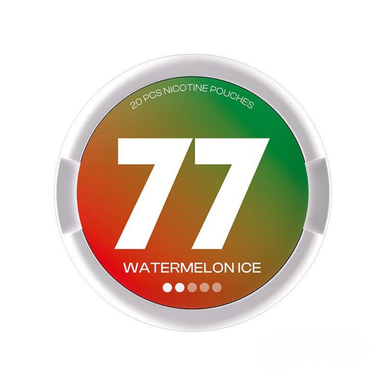
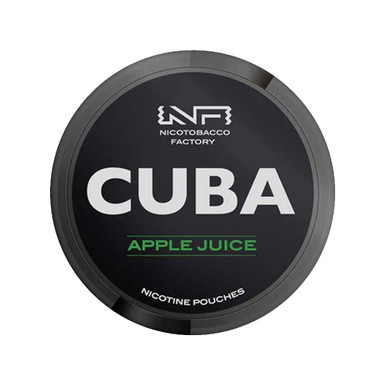
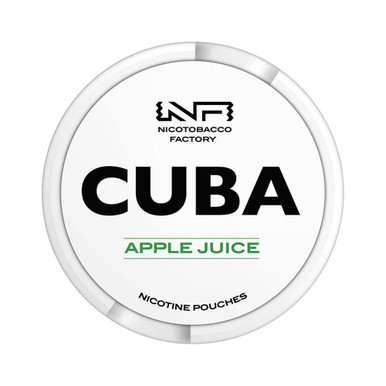
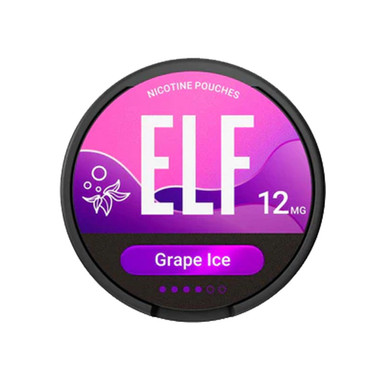
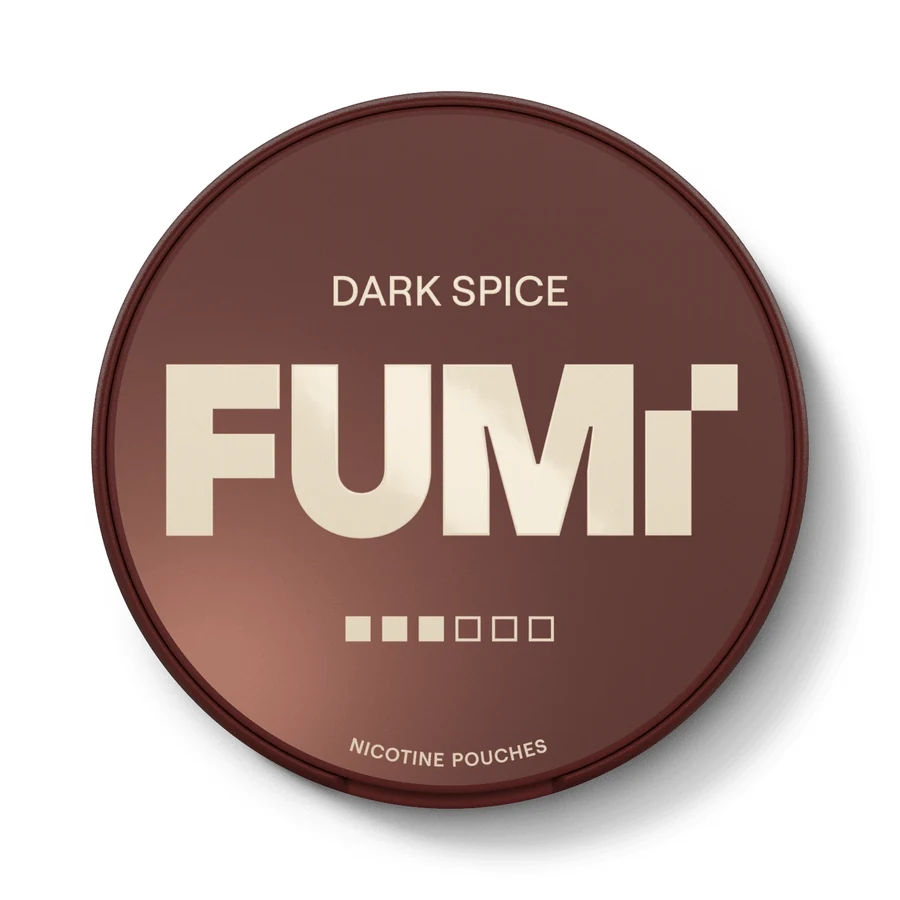
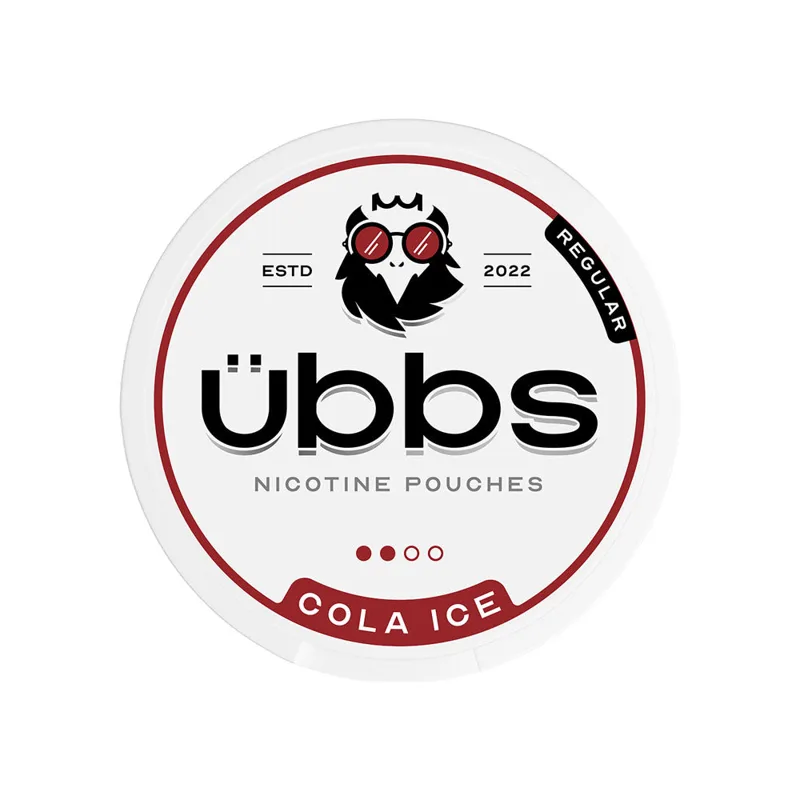
The tag has quietly come to mean two things at once: tastes of mint, and has a cooling element. Once the second meaning crept in, listings started arriving that have no mint in the name at all. 77 Cola Ice is on this shelf. So is Elf Bar Grape Ice at £29.90, and 77 Watermelon Ice, and both Cuba Black Apple Juice and its stablemate Cuba White Apple Juice. Fumi Dark Spice is here too, and nothing in that name points at mint from any angle.
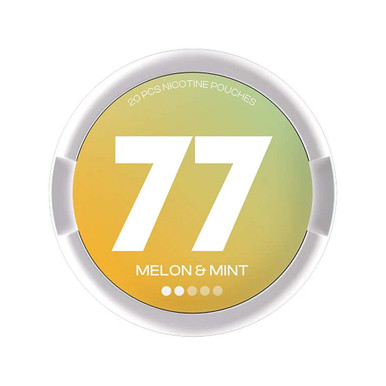
None of those are filing mistakes exactly — each has something cold declared about it — but a shopper who reads the shelf heading literally will be surprised by a decent slice of the grid. The traffic runs the other way as well: twelve different flavour tags appear across the 148 listings gathered here, which is another way of saying that a large share of this shelf is simultaneously filed somewhere else. 77 Melon Mint also sits on the watermelon shelf. 77 Apple Mint also sits on the tropical one. Neither listing is duplicated in the catalogue; it is one listing wearing two labels.
The cans that reach no flavour shelf at all
Our records show that none of the 148 listings gathered here are missing a flavour tag. That sounds reassuring until you notice it could not be otherwise: a listing with no flavour tag cannot land on a flavour shelf, by definition. Those cans do exist in the catalogue. They are simply unreachable by flavour browsing, because nothing files them anywhere, so no flavour grid will ever surface them however long you scroll. The only routes to them are the full catalogue in one list and the brand shelves. If you are hunting comprehensively rather than casually, start from one of those and treat the flavour shelves as a convenience rather than an index.
The formats gathered here, taken as objects rather than flavours
Set the taste question aside for a moment, because the thing you actually put in a pocket varies more across this shelf than the word mint suggests, and our data is poor at telling you how.
What we hold about the object itself
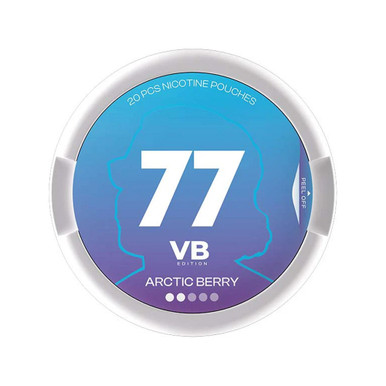
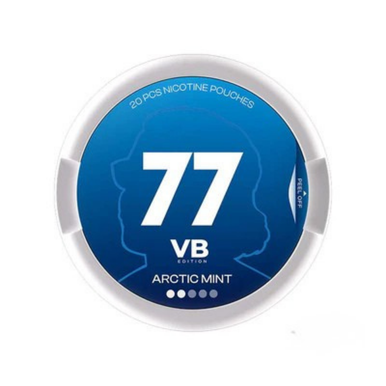
Very little, and it is better to say so than to imply otherwise. A listing in our catalogue stores a title, a brand, a price, a stock flag, a declared milligram figure and our flavour tag. It does not store a can diameter, a pouch format, a pouch weight or a moisture description. Where a format word appears at all, it appears inside the product name the manufacturer chose — the word Mini in 77 VB Edition Mini Arctic Mint and in the Mini Arctic Berry version, set against the plain 77 VB Edition Arctic Berry with no format word in it. That is naming, passed through verbatim. We hold no separate field that confirms what a given brand means by Mini, and we are not going to guess on the brand's behalf.
The tin, in a coat pocket
What arrives is a shallow round tin with a lid that clicks shut, and many of them carry a catch compartment in the lid for used pouches — which matters more than it sounds once you are away from a bin. A single tin travels in a coat pocket or a bag without much thought. The multi-can listings change that calculation entirely, because what turns up is a sleeve of tins rather than one tin, and a sleeve stays at home while one can goes out with you.
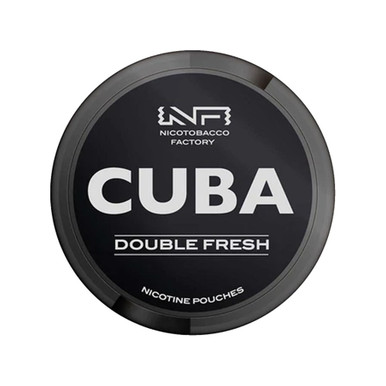
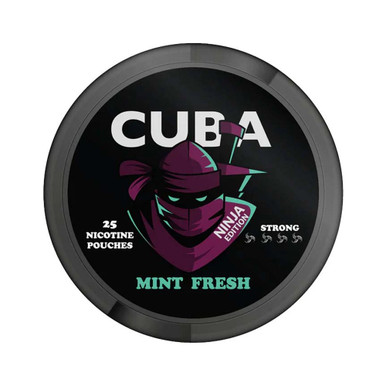
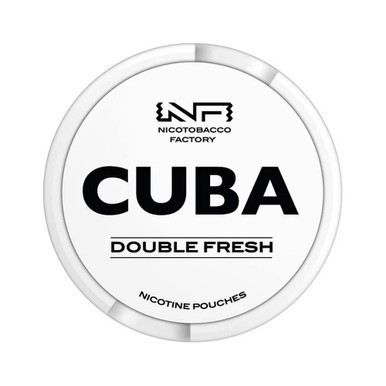
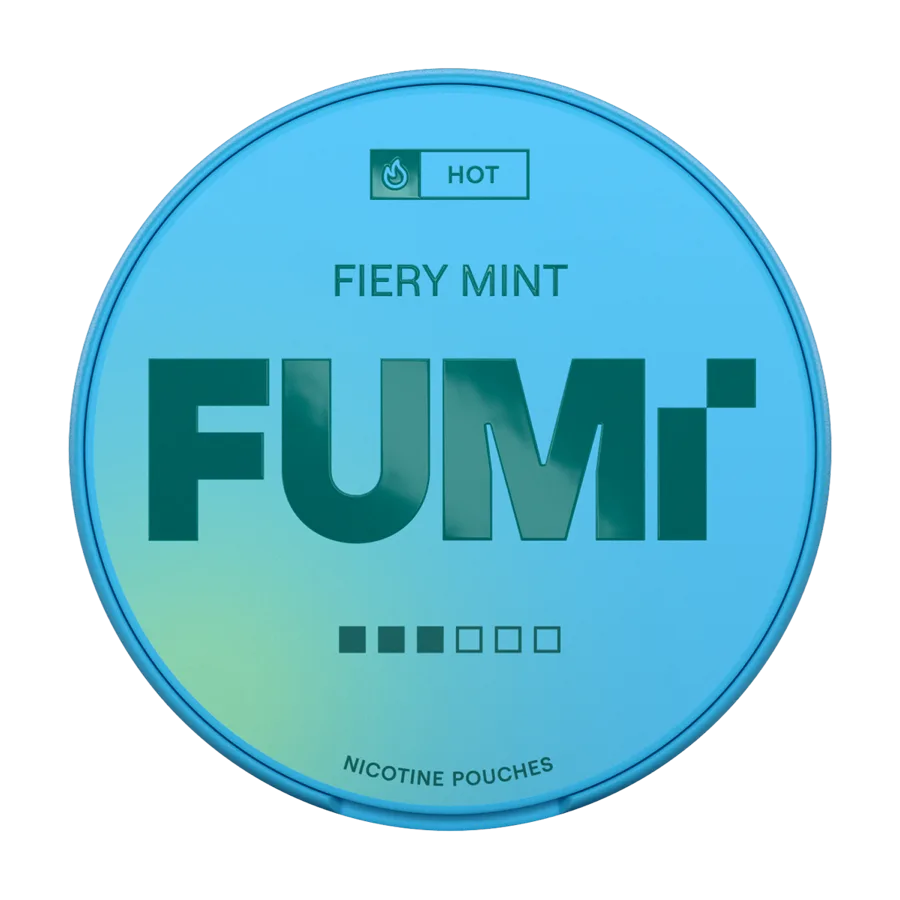
That distinction cuts straight across this shelf. 77 Ice Mint, Cuba Ninja Mint Fresh and Cuba Black Double Fresh all sit at £39.90, while the Edge mint can sits at £14.95 and Fumi Fiery Mint at £27.90. Those are not four points on a quality scale. In several cases they are not even the same kind of purchase. Which brings us to the money.
Reading the prices on this shelf
The spread runs £3.85 to £39.90 — roughly ten to one. Almost none of that gap is a quality gap, and reading the top of the range as the good end would be a straightforward misreading of what the numbers are doing.
Most of the spread is a units gap. Some listings are a single can and some are a multi-can pack, and the headline figure on the grid is the figure for whatever the listing contains, not a per-can figure. A £39.90 listing and a £3.85 listing may be closer per tin than the two numbers suggest, or they may not be; the grid alone will not tell you.
Here is the difficulty stated plainly: 86 of the 148 listings on this shelf carry no can count in our data at all. For those 86 we genuinely cannot tell you from the catalogue whether the price buys one tin or several. Occasionally a listing gives it away in the product name or in the web address it was created with, but that is an accident of how a particular record was entered rather than a rule we can lean on. It is not a gap we can paper over with an average, and an average would be worse than useless here.
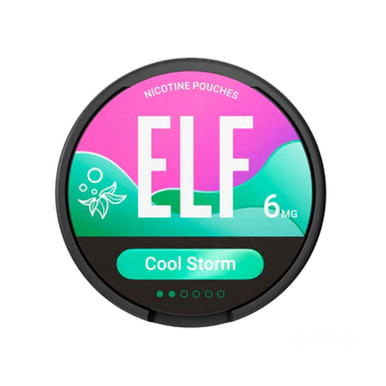
So the practical move is to open the product page before you compare anything. Elf Bar Cool Storm at £29.90 and Cuba Ninja Ice Cool at £39.90 look like a ten-pound decision on the grid, and whether they really are depends entirely on what each box holds. If the product page does not say, treat the difference as unknown rather than as evidence. The brand shelves help here too, because a brand tends to be consistent with itself: browsing all 47 Cuba listings or all 56 from Pablo puts like next to like far better than a flavour grid mixing eight price structures together.
What the milligram figures on this shelf mean
Declared strengths here span 1.5 mg to 50 mg. Those are label figures, reproduced from the can and the manufacturer's listing. They tell you what is printed, and that is the whole of what they tell you.
We cannot advise which strength suits you. That is not a polite hedge; it is an accurate description of what we know, which is a number on a lid. Nor is strength a ladder, a tier or a progression. A 50 mg listing is not a better listing than a 1.5 mg one, a higher figure is not an achievement and there is nothing here to work up to. The figures are a specification, like a shoe size, and a bigger shoe is not a better shoe.
Brand naming muddies this further. Words such as Extra Strong, X Strong and Mini are chosen by manufacturers as part of a product name, and they are not measured against any shared scale between brands. Our strength shelves ignore the names and file by the declared figure instead: Medium Strength gathers 135 listings, Strong gathers 132 and Extra Strong gathers 98. The two systems disagree often enough to be worth watching, and our own records sometimes disagree with themselves: the listing titled 77 VB Edition Mini Arctic Mint carries the words extra strong inside the web address it was created with, while the visible title says Mini. Neither of those is a measurement. The milligram figure on the listing and the figure printed on the can are.
Stock, said straight
Of the 148 listings on this shelf, 106 can be ordered right now and 42 cannot — a bit over a quarter of the grid. Unavailable listings stay visible rather than vanishing, because a can that has gone out usually comes back, and a listing that disappeared would be harder to find again than one marked unavailable.
Every product linked from this page was showing as available when the page was compiled. Stock moves faster than page copy, so the product page is the authority, not this paragraph. If the one you want is out, the brand shelf is usually the quickest place to find its nearest relative — the 40 Iceberg listings are a good example of a range where a gap in one flavour is often covered by a neighbour.
Better ways to narrow this shelf down
Twenty brands appear somewhere on this mint grid, which is most of the shop. If you already know the brand, go to the brand shelf and ignore flavour entirely; you will see that brand's whole range in one place with consistent pack structures and consistent naming, which makes comparison possible in a way this grid does not.
If you know the flavour family instead, the sibling shelves are narrower and therefore more honest simply because they are smaller: strawberry holds 19 listings and cola holds 17, and a grid of 17 can be read end to end in a minute. Combining axes works well too — check a strength shelf against a brand shelf and let the overlap do the filtering, rather than asking one broad flavour word to carry the whole search.
And if you are not yet sure what any of this refers to, our plain explanation of what a pouch is covers the format, the lid and the practicalities without any of the catalogue arithmetic above.
The twenty brands that appear on this grid
Twenty separate brands have at least one listing filed under mint, which is more than any other flavour shelf gathers and close to the whole shop. That breadth is the main reason this grid is hard to work through: you are not comparing twenty versions of one thing, you are comparing twenty naming schemes, twenty pricing structures and twenty different ideas of what a mint can should be, all presented in one uniform list of tiles.
The spread is also uneven. Some brands have a single mint can here and some have most of their range on this shelf, so scrolling further does not reliably reveal more from the brand you liked. If a brand you know shows one listing here, its other flavours are not further down — they are on its own shelf, filed under whatever else they are. That is the single most useful thing to understand about how this site is organised, and it is why a brand shelf will almost always beat a flavour shelf once you know what you are looking for.
Keeping a can in reasonable condition
Our catalogue records no storage instructions for any listing, so anything specific comes off the can rather than from us, and the can is the only source with authority. The general practicalities are unremarkable. A tin keeps better with the lid properly closed than with it resting on top. Cans live in pockets and bags, which means they get sat on, dropped and left in warm places, and a glovebox in July or a windowsill in direct sun is a worse home for one than a drawer. Whether a particular product benefits from being kept somewhere cool is a question for the manufacturer's own instructions printed on the can, not for a catalogue page that does not hold that information.
Two points apply whatever you buy. Keep cans where children cannot reach them and away from anyone under 18. And where a can carries a catch compartment in the lid, that compartment exists so a used pouch has somewhere to go that is not a pocket or a pavement — a small thing, but the one practical note on this page that applies equally to all 148 listings in the grid.
Ordering from this shelf
The 42 unavailable listings cannot be added to an order. The grid marks them and the product page confirms it, so you will not get to a basket with one in it and find out later. For the 106 that can be ordered, the process is identical whichever brand you choose, with one caveat already covered at length above: the figure on the tile is the price of the listing, not necessarily the price of a can, so the product page is the last thing to read before you commit rather than the first thing to skip.
Age verification runs at the checkout and can happen again at the door. ID may be requested on delivery and an order will not be handed over where age cannot be confirmed, which matters if you were planning to have a parcel left with a neighbour or in a porch — a delivery for age-restricted goods needs somebody able to answer for it. None of that is unusual, but it does shape how you should time an order.
If you are building a basket of several things rather than replacing one can, do it from a brand shelf rather than from here. Pack structures are consistent within a range, so you can see what you are actually adding up, which is close to impossible on a grid that mixes single tins and multi-can packs at similar headline prices.
Age restrictions and required notices
Everything on this shelf is sold to adults aged 18 or over who already use nicotine. Nicotine is an addictive substance. These products are not a licensed stop-smoking medicine and are not intended for non-smokers, non-nicotine-users, under-18s, or anyone who is pregnant or breastfeeding. ID may be requested on delivery, and an order will not be handed over where age cannot be confirmed.
Frequently asked questions
Why is the mint shelf so much larger than the others?
Partly because a lot of brands list mint cans, and partly because our tag is broad. It gathers 148 listings against 76 on the berry shelf and 58 on tropical, and it is catching two different things at once: cans that taste of mint, and cans with a cooling element declared in the name. Add those together across twenty brands and you get a grid that is bigger than any single word deserves. It is a drawer, not a category.
Can I filter for spearmint rather than peppermint or menthol?
Not on this site. We hold one flavour tag per listing and that tag is mint, so Clew Cool Mint, Clew Menthol and Clew Spearmint are indistinguishable in our data even though they are plainly different cans. The only place the distinction exists is the product title. You can read the titles in the grid, or go to the brand shelf where a range is laid out in order, but there is no filter that will do it for you.
Why is a cola can showing up on a mint shelf?
Because 77 Cola Ice carries a cooling element in its name, and at some point our filing treated that as enough to warrant the mint tag. The same reasoning put Elf Bar Grape Ice, 77 Watermelon Ice and both Cuba apple juice listings here. It is defensible per listing and confusing in aggregate. If you want mint in the plain sense of the word, read the titles rather than trusting the shelf heading.
Does the mint tag mean the same thing on every can here?
No, and it is better that you know that before you browse. On some listings it means the lid says mint. On others it means the lid says ice, cool, arctic or freeze. On Fumi Dark Spice it means neither of those things obviously. The tag is our shorthand for a family, not a statement about what is in a particular can, and the can is the only place a description carries any authority.
Why do prices here run from £3.85 to £39.90?
Chiefly because some listings are one can and others are a multi-can pack, so the grid is comparing different quantities at the same glance. Brand pricing accounts for some of the rest. What it is not is a quality scale: £39.90 does not indicate a superior product and £3.85 does not indicate a compromised one. Open the product page and establish what the box actually contains before treating any price gap as meaningful.
Does a £39.90 listing mean I am getting several cans?
Sometimes, but we cannot promise it from the shelf. 86 of the 148 listings here carry no can count in our records at all, so for the majority of this grid our data simply does not say whether the price covers one tin or a pack. A few listings reveal it in the product name. For the rest, check the product page, and if the product page does not state it either, treat the quantity as unconfirmed rather than assuming.
What do the mg figures mean, and which should I choose?
The figure is the declared nicotine content printed on the can, reproduced by us as label information. Listings here declare anywhere from 1.5 mg to 50 mg. We cannot advise which strength suits you and we will not guess — we hold a number, not knowledge of any individual. If the choice matters to you, the milligram figure on the product page and the figure on the can are the two things to read, and no ranking of them exists on this site.
Is a can named Extra Strong stronger than one named Strong?
Not reliably, because those words are part of a product name rather than a measurement, and manufacturers do not share a scale. Our strength shelves file by the declared milligram figure instead, which is why a can with a dramatic name can land on a different shelf than its name implies. One of our own mint listings is titled as a Mini while carrying the words extra strong in its web address. Read the mg figure, not the adjective.
Why are 42 listings on this shelf ones I cannot buy?
They are out of stock rather than discontinued. We leave them visible because most return, and because a listing that vanished would be harder to find later than one marked unavailable. The grid flags them, and the product page states current availability. If one you want is out, the fastest substitute is usually the same brand's shelf rather than another flavour shelf, since pack size and naming stay consistent within a brand.
Are there mint cans you stock that never appear on this shelf?
Possibly, yes. Some listings in the catalogue carry no flavour tag at all, and an untagged listing cannot appear on any flavour shelf — not this one, not any of its siblings. Those cans are reachable only through the full catalogue listing or the brand shelves. So this grid is a good place to browse and a poor place to confirm that something does not exist. For that, use the full list.
What is the quickest way to find one specific can?
Go by brand. The brand shelves group a range the way the manufacturer built it, with consistent naming and consistent pack structures, so scanning twenty or forty listings from one brand is faster and more conclusive than scanning 148 mixed ones. Failing that, the full catalogue list holds everything including the untagged listings. The flavour shelves are built for browsing a mood, not for locating a known item.
Keep looking
Berry · Tropical · Citrus · Watermelon · Cherry · Strawberry · Cola · Mango · Grape · Sweet