Home / Extra Strong / Iceberg Menthol Nicotine Pouches
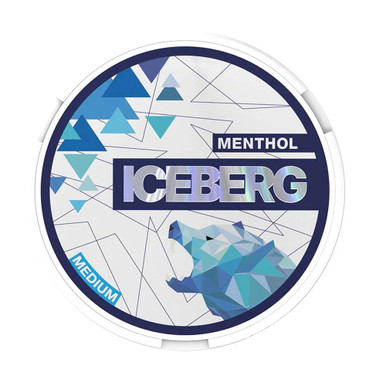
Iceberg · 20mg–50mg
Read the full guide
Iceberg Menthol Nicotine Pouches
£39.90
✔ In stock — ready to ship
100% tobacco-free
Free over £20
Same-day dispatch
Secure checkout
Most cold cans on our shelves are named after a plant. This one is not. Iceberg Menthol Nicotine Pouches takes its name from the character itself, and that is the single most useful thing to know before reading anything else on this page, because it sets the expectation correctly in a way that a mint name would not.
The facts we hold are short and worth listing before the description. The brand is Iceberg. The product name is Menthol. The price is £39.90. Two declared strengths sit against the listing, 20mg and 50mg, and both carry that same £39.90 price. One image is on file. Our flavour tag against the record is mint — not menthol, because menthol is not one of the categories our system runs, and mint is the nearest bucket it fits into. We would rather point that out than let a reader assume the tag and the name are the same statement. The tag tells you which of our shelves the can appears on. The name tells you what the maker calls it.
The full guide to Iceberg Menthol Nicotine Pouches
5,067 words on how it eats, who it suits, how to serve it and what to put beside it.
A can named for the note rather than the leaf
The listing is marked out of stock at the time of writing. We hold no return date, no expected week and no waiting list against this page, so there is nothing we can promise about when or whether it comes back. The page remains because people look a can up by name whether or not it is on the shelf that day, and because everything below about format, labelling and storage is as true of the can sitting in somebody's drawer as of one in a warehouse. What is actually available from this maker sits on the Iceberg shelf, which runs to forty lines.
A few gaps in the record, stated once so the rest of the page reads straight. We hold no pouch count per can. The cans-per-pack field is empty, so we cannot tell you how many tins £39.90 covers and will not imply a number. We hold no weights, no measurements, no dates and no ingredient information whatsoever. The can and its own printed labelling settle all of those. This is an age-restricted nicotine product for adults who already use nicotine; the required wording has its own section towards the end.
Menthol against mint: what actually separates them on the palate
Our mint shelf runs to a hundred and forty-eight lines, which makes it comfortably the largest flavour category on the site, and the great majority of those are mint blends rather than menthol. The distinction is real and worth setting out properly, because it is the reason someone would choose this can over any of the others on that shelf.
What a mint blend tastes and smells like
Mint is a leaf, and mint flavours taste leafy. Spearmint sits at the soft, sweet, herbal end — rounded, slightly green, with a sweetness that can read almost fruity at the edges, and an aroma that is recognisably a growing plant. Peppermint is sharper and more resinous, with a pine-adjacent lift to it and a clarity that spearmint does not have. Most cans named cool mint, fresh mint, arctic mint or similar are built somewhere between those two poles and then given a cold-tasting note layered over the top. The result is a flavour with several things going on in it: leaf, sweetness and cold, arriving together and fading at slightly different rates.
What menthol tastes and smells like
Menthol as a flavour name describes the cold character on its own, without the leaf around it. On the palate that reads as a single clean line rather than a blend — dry, sparse, with very little sweetness and a slightly camphorous edge that sits closer to eucalyptus than to anything growing in a garden. There is often a faintly medicinal quality to it, in the descriptive sense rather than the pharmaceutical one, and that quality is exactly what people either like about menthol cans or do not.
The aroma differs in the same way. Lift the lid on a mint blend and there is usually something green and confectionery-ish in the air. Lift the lid on a menthol can and the scent is sharper, thinner and more astringent, with an almost crystalline quality — less a smell of a plant than a smell of the cold note itself. It is a short event either way; in this format the aroma is a moment at the opening of the tin rather than something that carries.
How the difference plays out over time
A blend has more parts to lose, and people generally report them going in order: the sweetness first, then the leafy top, with whatever cold note sits underneath outlasting both. A menthol can has fewer components to begin with, so what changes over the life of a pouch is more often the volume than the shape — it reads as the same flavour getting quieter rather than as a flavour rearranging itself. Whether that is a virtue depends entirely on what you want from a can, which is not something a shop page can decide for you.
A note on the word itself
Menthol is a flavour name here and nothing more. We are describing how a flavour of that name is generally recognised in taste and aroma terms. We are not describing what any pouch does to anybody, and nothing in this section should be read as a claim about effect.
The tin, the lid and the compartment
The can is worth a section of its own, because it is the part of the product people handle most and the part most often taken for granted. What follows describes the standard format across this category. We hold one image against this listing and no measurements, so where something below is a general observation rather than a fact about this specific tin, we have said so.
Shape and what it fits into
A pouch can is a shallow round tin — wide across, barely deep, closer to a coin than to a box in the way it sits in a pocket. That shape is the reason it travels well: it lies flat against the inside of a jacket pocket, slips into a small bag pocket without wedging, and does not dig in when seated. A back trouser pocket is the one place it goes badly, not because it will not fit but because being sat on all day works the lid loose, and a loose lid is the most reliable way to let a can go flat without noticing.
The lid
Lift-off lids on cans of this type are designed to be firm. That firmness is the point — it is what keeps the can closed in a bag — but it means a full tin can be awkward to open one-handed the first few times, and it means a lid pushed on crooked can feel closed while leaving a gap. Press it down evenly and squarely every time. A can does not go stale because the lid was left off for an hour; it goes stale because the lid was never quite on for a fortnight.
The catch compartment
Most cans of this shape carry a shallow compartment in the lid, separated from the main body, intended to hold used pouches until a bin is available. It is a genuinely practical piece of design and one of the few things about the format that has clearly been thought about rather than inherited. Two limits are worth knowing. It is temporary storage, not a substitute for a bin — a used pouch is damp, and several of them sitting above the unused pouches puts moisture exactly where it is least wanted. And it is the most common reason a lid will not seat flat: a used pouch caught under the rim holds the lid a fraction proud, which is invisible and quietly effective at letting air in.
Portion count, and what we cannot tell you
We do not hold a pouch count for this can. Not a number, not a range, not an approximation. It is one of the fields our record does not carry, and rather than reasoning our way to a plausible figure from the shape of the tin, we will say plainly that the number is printed on the packaging and not in our data. The same applies to portion size and portion weight. If pouch count matters to your buying decision — and for a £39.90 line with no cans-per-pack figure it reasonably might — it is a question to settle from the packaging or before ordering rather than from this description.
Getting one out, and what happens to it after
Lid off, one pouch, lid back on. On a completely full tin the first pouch is fiddly because there is no gap to get a finger into; after that it is straightforward. The pouch goes in the mouth, between lip and gum, usually under the top lip at the front, and stays there. It is not chewed and it is not swallowed. It can be shifted along the gum if it sits badly; if it is uncomfortable wherever it is put, take it out, because nothing about this format requires anyone to persevere with discomfort. When it is finished it goes in a bin, or into the lid compartment until a bin appears. Not down a drain, not out of a window, and never left where a child or an animal could get to it.
How long people keep one in
No average from us. The spread across people is wide enough that any single figure would describe almost nobody, and publishing one would turn information into usage guidance, which is not ours to give. The manufacturer's guidance on the can is the guidance that counts. The only pattern worth reporting is that most people take a pouch out when the flavour has gone, which on a menthol can tends to be a clearer moment than on a heavily blended one.
Reading the milligram figure on this can
Two declared figures sit against this listing, so it is worth being exact about what a figure on a can is and what it is not. Everything in this section is about labelling. None of it is advice, and none of it should be read as one option being recommended over another.
Where the number comes from
The manufacturer declares it and prints it. We reproduce it. We do not measure cans, verify declarations, or adjust figures between formats. When this page says 20mg and 50mg, it is reporting what appears on two versions of this can — no more than that, and certainly not a claim about what either version will do for a given person.
Why the same number on two brands is not the same statement
This is the part most worth carrying away. Makers arrive at printed figures by their own methods, against their own portion formats, with no shared convention that lets one brand's number be read straight across to another's. Two cans from two manufacturers showing the same number are two separate declarations that happen to coincide. If you are used to the figure printed on the Klint Arctic Mint can at £36.90, or on Edge Mint at £14.95, the number on this listing is not a translation of it. We publish each maker's figure as given and decline to convert between them, because we do not hold the information that would make a conversion honest.
Both options cost the same
The 20mg and the 50mg are both £39.90. There is no premium attached to either figure and no discount on either. Whatever anybody decides here, price is not a factor in it, and nothing about how we have priced the variants should be read as the shop nudging anyone one way or the other.
Strength bands as a filing system
Every nicotine line on the site is filed into one of three bands so the catalogue can be narrowed by that field. This listing sits on our Extra Strong band, ninety-eight lines deep. The others are the Medium Strength band and the Strong band. They exist so that a very long catalogue can be cut down to a browsable list. They are not a ranking, not a quality scale and not a path anyone is expected to travel along. A can on a higher band is not a better can and we will not present it as one.
The limit of what we will say
We will not recommend a figure to anybody. We will not describe a strength as appropriate for a person, an occasion or a level of experience, and we give no medical, health or dosage guidance of any kind. This page will tell you exactly what each variant declares and what it costs; what to do with that is outside what a shop is competent or permitted to answer.
Iceberg on our shelves, and the cans filed next to this one
We carry this brand in quantity — forty lines under the brand name — across cold names, fruit names and citrus names, mostly at the same £39.90 price point and mostly filed on the same strength band as this one. Menthol is the plainest of the cold entries in that group: the one named for the character rather than for a plant or a weather word.
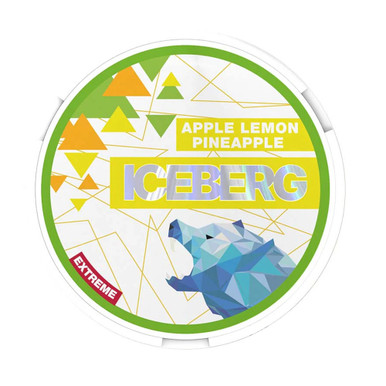
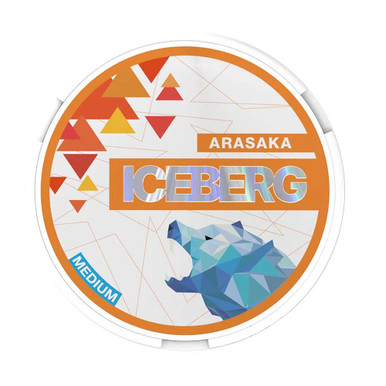
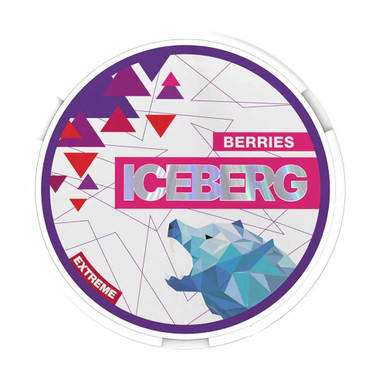
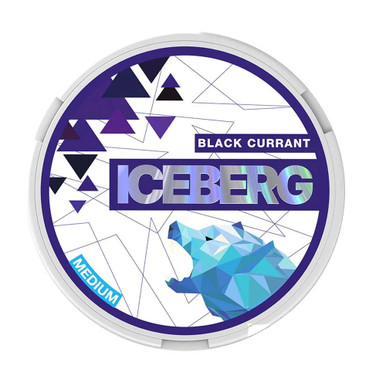
Six of those forty are attached to this record as the cans from the same maker that sit nearest to it, and all six carry the same £39.90 as this listing, so the choice between them is a choice about the name on the lid rather than about money. Only one of them stays on the cold side: Iceberg Black Mint, which is the sibling to read first if what you want from this page is another mint-tagged can under the same brand. The other five step away from cold. Iceberg Berries names a fruit family, the Iceberg Black Currant can narrows that to one fruit, and Apple Lemon Pineapple is the most explicit name in the six, listing three at once. Iceberg Arasaka and the Iceberg Black listing name neither a fruit nor a temperature, so their own pages and their own printed cans are the only guide to where they are pitched.
Every one of those six is out of stock on our record, as this listing is. That is worth knowing before you click, because the links are there to show the shape of the brand's range, not to send you at a page you cannot order from. It is also why the cold cans suggested further down this page come from other makers: those are the ones our record marks as available, and a neighbour you can buy is more use than a sibling you cannot.
Cold cans we stock alongside this one
Nobody uses one flavour indefinitely — a single note used continuously stops registering — so most regular customers keep two or three cans on the go. These are the neighbours our record puts next to this listing, with the reason for each. All are separate products from separate makers, and each page carries its own details.
Closest in character: Clew Cool Mint at £39.90, the same price as this can and a blend rather than a straight menthol, which makes it the obvious comparison for anyone wanting to hear the difference described above; Denssi Cold Mint, also £39.90, another cold blend at the same price point; and the Klint arctic mint entry at £36.90, slightly under the £39.90 lines.
Cheaper on the shelf: Edge's plain mint can is listed at £14.95, which is the lowest-priced mint on this list, though with no cans-per-pack figure held against the £39.90 lines we cannot tell you how those prices compare per unit. Elf Bar Cool Storm sits between them at £29.90 and is a cold name rather than a named mint variety.
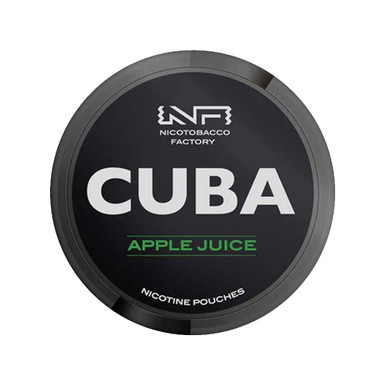
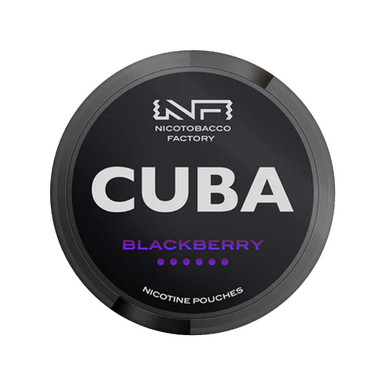
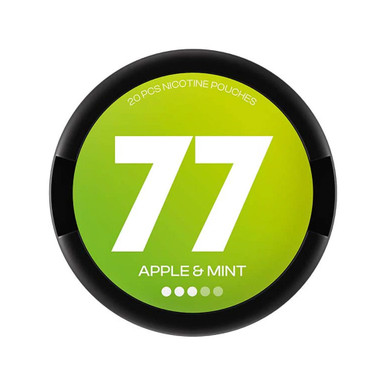
For a break from cold flavours entirely: 77 Apple Mint at £39.90 puts fruit and mint together rather than choosing one; Cuba Black Apple Juice at the same price drops the mint altogether; Killa Banana Ice at £33.50 and Pablo Exclusive Banana Ice at £3.85 are two takes on the same fruit at very different list prices; and Fumi Dark Spice at £27.90 is the furthest thing from a menthol can on this list, which is precisely why people keep one next to a cold tin.
The same neighbours, arranged by list price
Prices are scattered through the paragraphs above in the order the flavours made sense in, which is a poor way to see the money. Here they are in one place. Read the caveat under the table before drawing any conclusion from it.
| Listing | List price | What the name points at |
|---|---|---|
| Pablo Exclusive Banana Ice | £3.85 | Fruit with a cold note |
| Edge Mint | £14.95 | A plain mint |
| Fumi Dark Spice | £27.90 | Neither cold nor fruit |
| Elf Bar Cool Storm | £29.90 | A cold name rather than a named variety |
| Killa Banana Ice | £33.50 | Fruit with a cold note |
| Klint Arctic Mint | £36.90 | A cold mint blend |
| Clew Cool Mint | £39.90 | A cold mint blend |
| Denssi Cold Mint | £39.90 | A cold mint blend |
| 77 Apple Mint | £39.90 | Fruit and mint together |
| Cuba Black Apple Juice | £39.90 | Fruit, no cold element in the name |
| Iceberg Menthol (this page) | £39.90 | The cold character on its own |
The caveat is the one this page keeps returning to, and it matters more in a table than in a sentence, because a table invites the eye to rank things. These are list prices for whatever each listing sells. Our record does not carry a cans-per-pack figure for this line and does not carry one for several of the others, so a £3.85 entry and a £39.90 entry sitting ten rows apart may be describing quite different quantities. The column is honest about what it is — the price of the listing — and dishonest the moment it is read as the price of a can.
What the column does show reliably is that the £39.90 point is crowded. Four of the eleven rows sit on it, and three of those four are cold cans from three different makers. That is a real fact about our shelf and a useful one: at this price, in this flavour family, the choice is genuinely between makers rather than between price brackets, which is unusual and makes the comparison a cleaner one than most.
Storage, in brief
We hold no storage instructions from this manufacturer, and the can's own labelling takes precedence over anything here. What follows is ordinary practice across the format.
Heat is what shortens a can's life: gloveboxes, windowsills in afternoon sun, radiators, a bag against a warm laptop. A drawer or a cupboard is enough and nothing more elaborate is needed. Close the lid squarely every time, and check that nothing in the catch compartment is holding it proud. If you keep several cans, work through them in the order you opened them rather than by whichever is nearest to hand. Some people keep unopened tins in a fridge; we neither recommend nor discourage that, but note that a cold tin opened in a warm room draws damp air in as it warms, so people who store cold generally let one come up to room temperature first. On a menthol can specifically, a tired tin tends to read as quieter rather than as differently shaped, which — as noted above — is the flip side of there being fewer components in the flavour to begin with.
What there is to choose on this page
Two variants, one price. The 20mg carries the lower declared figure at £39.90; the 50mg carries the higher declared figure at £39.90. Same brand, same name, same flavour tag, same tin, same cost. Our record treats them as one line with two options, which is why there is a single page here rather than two.
Because both figures sit at the same price, the only distinction between them is the number printed on the lid, and that number means what the section above said it means: a manufacturer's declaration, not a comparison, not a ranking and not a recommendation. We are not going to tell anyone which to buy, describe either as suitable for anybody, or frame one as a natural step from the other. If you already use pouches and already know which declared figures you get on with, that knowledge is the relevant input here and it is not one a product description can supply.
Two variants that look alike in a drawer
One consequence of a single line carrying two figures is worth flagging as a practical matter rather than a compliance one. Both variants share a brand, a name, a flavour tag and a tin of the same shape. Our record holds one image against the listing, not one per variant, so this page cannot tell you what visually distinguishes a 20mg tin from a 50mg tin — whether the lid colour changes, whether the figure is printed large or small, or where on the can it sits. The printing on the tin is the only reliable answer, and it is an answer you can only get once the can is in front of you.
The practical upshot is for anyone who keeps both. Two tins of the same line in the same drawer, both opened, both half used, is a situation in which the figure printed on the lid is the only thing telling them apart, and a lid put back on the wrong body loses even that. Keep them in separate places, or put a mark on one, or simply do not run both at once. It is a small thing that costs nothing to get right and is tedious to sort out afterwards.
Ordering, delivery and proving your age
This is an age-restricted product sold only to adults. Age verification applies when an order is placed, and ID may be requested on delivery; a courier may refuse to complete the handover if age cannot be confirmed, and that refusal is the process working as intended. We will not knowingly process an order placed on behalf of anyone under 18.
On availability: this listing is marked out of stock, so nothing here is an invitation to order it today. There is no notify list on this page and no restock date in our system. For what is genuinely on the shelf from this maker, check the brand's own page rather than this one, since availability moves line by line rather than brand by brand.
On price: £39.90 is what we show against both variants. With no cans-per-pack figure in the record, we cannot say what that covers in units, and we would rather state the gap than imply a quantity. Compare it against the other prices quoted on this page with that caveat firmly in mind — a £14.95 line and a £39.90 line may or may not be describing the same unit, and we do not hold the field that would tell you.
Delivery terms, carriers and timings apply across the whole catalogue and live on the delivery pages rather than in a product description, which is where they belong since they change independently of any particular can.
Routes out of this page
If this can is not the one — and today it cannot be, given the stock position — there are a few useful directions. The mint category is where every cold-tagged line on the site collects, a hundred and forty-eight of them, and it is the natural next stop for anyone who came here for a cold can. The band this listing is filed on narrows things by declared figure instead of by flavour. The Pablo shelf and the Cuba shelf are two of our larger maker pages if you would rather browse by manufacturer. And the full catalogue listing holds everything we stock in one place if none of those cuts is the right one.
Working through a shelf of a hundred and forty-eight
That mint figure is large enough to be unhelpful on its own, so it is worth saying how the shelf is actually composed and how people get through it. Three rough groups sit inside it. Named varieties — spearmint, peppermint and the like — say what leaf they are built on. Weather-and-temperature names such as cool, cold, arctic, ice or storm say only that something cold is going on and leave the rest to the can. And fruit-plus-mint constructions carry a fruit in the name as well, which is the clearest signal on the shelf, because a can called apple mint is telling you both halves of what it is.
This listing belongs to a fourth and much smaller group: the ones named for the cold character with no leaf and no fruit attached. If that is what brought you here, the shelf is best read by discarding the fruit names first, which removes a large share of the hundred and forty-eight in one pass, and then reading the remainder by name rather than by picture.
The other useful cut is to cross the flavour shelf with a strength band, since the two filters narrow from different directions and a can has to satisfy both. That is faster than scrolling either list on its own, and it is the route most people settle into once the catalogue stops being new to them.
Questions this listing raises
Is menthol just a strong mint?
No, and framing it that way misses the difference. Mint flavours are leafy and usually sweetened; menthol names the cold character on its own, without the leaf, and reads drier and more single-note as a result. That is a description of taste and aroma, not of intensity — we are not saying one is stronger than the other, because strength in that sense is not something we would claim about a flavour name.
Why is it tagged mint if it is called Menthol?
Because our flavour categories are a fixed list and menthol is not one of them. Mint is the nearest bucket, so that is where the listing is filed and that is the shelf it appears on. The tag is a navigation decision made on our side. The name on the can comes from the manufacturer. Where the two differ, as here, the can is the authority.
Can I buy this today?
No. The listing is marked out of stock at the time of writing, we hold no restock date, and we are not going to estimate one. The brand shelf shows what is actually available from the same maker, and the mint category shows what else is available in the same flavour family.
How many cans is £39.90?
We do not hold that. The cans-per-pack field is empty on this record, which is why this page has repeatedly declined to say. It also means the price comparisons above — against a £14.95 line or a £3.85 line — are comparisons of list prices and not necessarily of like for like. It is worth resolving before ordering rather than after.
How many pouches are in a can?
Not held either. No count, no range, no estimate. The figure is printed on the packaging and our record does not carry it, and we are not going to reason our way to a number from the size of the tin.
Is 50mg better than 20mg?
No — and that is not a question about the product so much as about how the numbers are being read. A higher declared figure is a higher declared figure. It is not a quality grade, not an upgrade and not something we would describe as better. Both variants are the same price, which should itself make clear that we are not treating one as the premium option.
Does the cold note fade before the rest?
On blends, people commonly report the sweetness going first and the cold character outlasting it. On a straight menthol can there is less to rearrange, so people more often describe it simply getting quieter. That is a report of what people say rather than an explanation, and explaining it would take this page into territory it stays out of.
What is the compartment in the lid for?
Used pouches, until a bin is available. It is useful and it is temporary — used pouches are damp, and a lid full of them sits directly over the unused ones. Empty it when you can, and check nothing is caught under the rim, because that is the usual reason a lid stops seating flat.
Should cans be refrigerated?
Some people refrigerate unopened tins. We hold no storage instructions from this maker, so we will neither recommend nor discourage it, and the can's labelling takes precedence. The practical point is that cold metal or plastic opened in a warm room pulls damp air in as it warms, so let a chilled tin reach room temperature before opening it.
Will you recommend a can for me?
No. We will describe what each listing declares — brand, name, flavour tag, price, strength figure — and compare listings on those fields as precisely as our data allows. We do not recommend strengths or products to individuals and we give no medical or dosage advice. That holds across the whole site.
Why does this page say so often that you do not hold something?
Because the alternative is filling gaps with plausible-sounding invention, which on a product like this is both dishonest and a compliance problem. Where our record carries a fact, this page states it. Where it does not — pouch count, pack size, measurements, ingredients, restock dates — the page says so and points you at the packaging.
Required statements
This is an 18+ product. We sell it to adults who already use nicotine, and to nobody else. Nothing on this page is intended for, or addressed to, anyone who does not.
Nicotine is an addictive substance. That is true of both declared variants on this listing and of every other nicotine product in our catalogue.
This product is not a licensed stop-smoking medicine. It is not intended for non-smokers, for anyone who does not already use nicotine, for under-18s, or for anyone pregnant or breastfeeding. Nothing here constitutes medical advice or guidance on how much to use.
ID may be requested on delivery. Age checks apply at ordering and again at handover, and a courier may decline to complete a delivery where age cannot be confirmed. Store cans securely and out of reach of children and animals.
To finish
Iceberg Menthol is the straight cold entry in a forty-line brand: named for the character rather than a plant, filed by us under mint because that is the nearest shelf we run, priced at £39.90, declared in 20mg and 50mg at the same price, and marked out of stock at the time of writing. Where our record holds a fact, it is on this page; where it does not — pouch count, pack size, dimensions, ingredients, a return date — we have said so rather than guessed. The can itself, and the labelling printed on it, remains the authority on every point of detail.
More from Iceberg
More extra strong pouches
More mint pouches
Where this sits
Iceberg Menthol Nicotine Pouches appears in these categories. Browse them, or jump to something close.
You might also like