Home / All Pouches / Citrus
Citrus Nicotine Pouches
Twenty-five listings carry the citrus tag. Seventeen can be ordered today and eight cannot, which is close to a third of the shelf unavailable — a higher share than most of its neighbours. Prices run £3.85 to £39.90, declared strengths 3 mg to 50 mg, and eleven brands are represented.
This is one of the smaller shelves, which makes it readable end to end in a couple of minutes. It does not make the tag precise. Lemon, lime, orange and lemonade all arrive under the same single word, and what separates them survives only in the product titles.
Energy PouchesLow StrengthMedium StrengthStrongExtra StrongPabloCubaIcebergKilla77ZYNVeloFumiNordic SpiritXQSRushDenssiUBBSSYXClewMaggiePouch NurdzElf BarWhite FoxKlintSiberiaEdgeMintBerryTropicalCitrusWatermelonCherryStrawberryColaMangoGrapeSweetEnergyCoffee

Related categories
Other ways into the range.
Mint 148Berry 76Tropical 58Watermelon 23Cherry 20Strawberry 19Cola 17Mango 16Grape 14Sweet 12Energy 10Coffee 9
The shelf in numbers, before anything else
Twenty-five listings, seventeen orderable, eight not. Eleven brands, against twenty on the mint shelf and sixteen on tropical. A price range of £3.85 to £39.90 and a declared strength range of 3 mg to 50 mg. Those six figures are the whole of what our catalogue can tell you about this shelf as a group, and everything below is either an explanation of one of them or an admission of what sits outside them.
The useful consequence of the small count is that you can actually read this grid. Twenty-five tiles is a minute's work, and on a shelf this size the titles are doing a job that a filter cannot do for you — so read them rather than scanning for the right-looking tile.
What actually arrives: the can as an object
Flavour is the axis this page is organised on, but it is not the axis that decides whether a purchase suits you, and our records are noticeably weaker on the physical side than on the flavour side. It is worth being clear about what we hold.
What the catalogue records, and what it does not
A listing stores a title, a brand, a price, a stock flag, a declared milligram figure and our flavour tag. There is no field for can diameter, none for pouch format, none for pouch weight and none for how many pouches a tin holds. So when two listings on this shelf differ physically, our data will not show it — the difference exists only in the title, if the manufacturer chose to put it there.
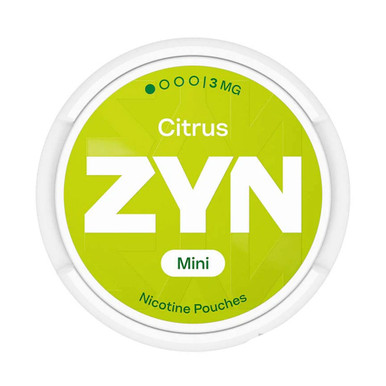
This shelf contains one clean example of that. We list ZYN Citrus at £19.99 and, separately, ZYN Citrus Mini, also at £19.99 and currently unavailable to order. The word Mini is the only thing distinguishing them anywhere in our records, and the price is identical, which our data cannot explain and we will not invent an explanation for. If the format matters to you, the product page and the can are where the answer lives.
A tin, or a sleeve of tins
What arrives is a shallow round tin with a lid that clicks shut, and many carry a catch compartment inside the lid for used pouches, which is more useful than it sounds once you are away from a bin. One tin goes in a coat pocket without thought. A multi-can pack does not — what turns up is a sleeve, and a sleeve stays at home while a single can travels.
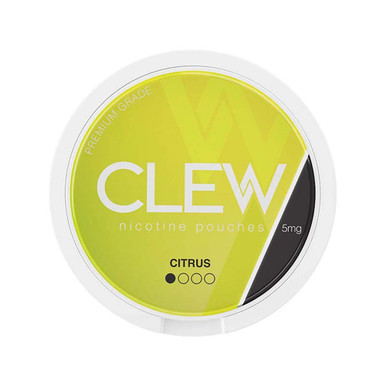
That distinction runs straight through this shelf and our data mostly cannot resolve it: 18 of the 25 listings here carry no can count at all. Clew Citrus and XQS Citrus Cooling both sit at £39.90; Velo Tangy Lime sits at £4.19. Whether that is three tins against one tin, or ten against one, the catalogue does not say for most of these listings, and a guess from us would be worse than the silence.
One word doing the work of four fruits
Our flavour tags are a filing system we built so the catalogue could be browsed. They are not descriptions supplied by manufacturers. Each listing gets the nearest available word, and citrus is the nearest available word for lemon, lime, orange, lemonade and everything adjacent to them. Four distinct fruits and a soft drink, sharing one label.
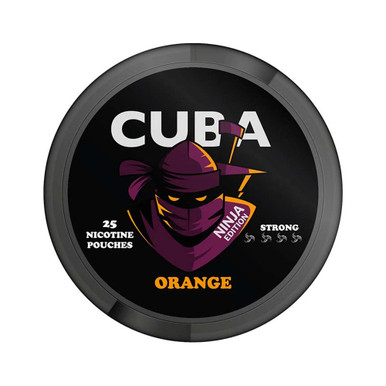
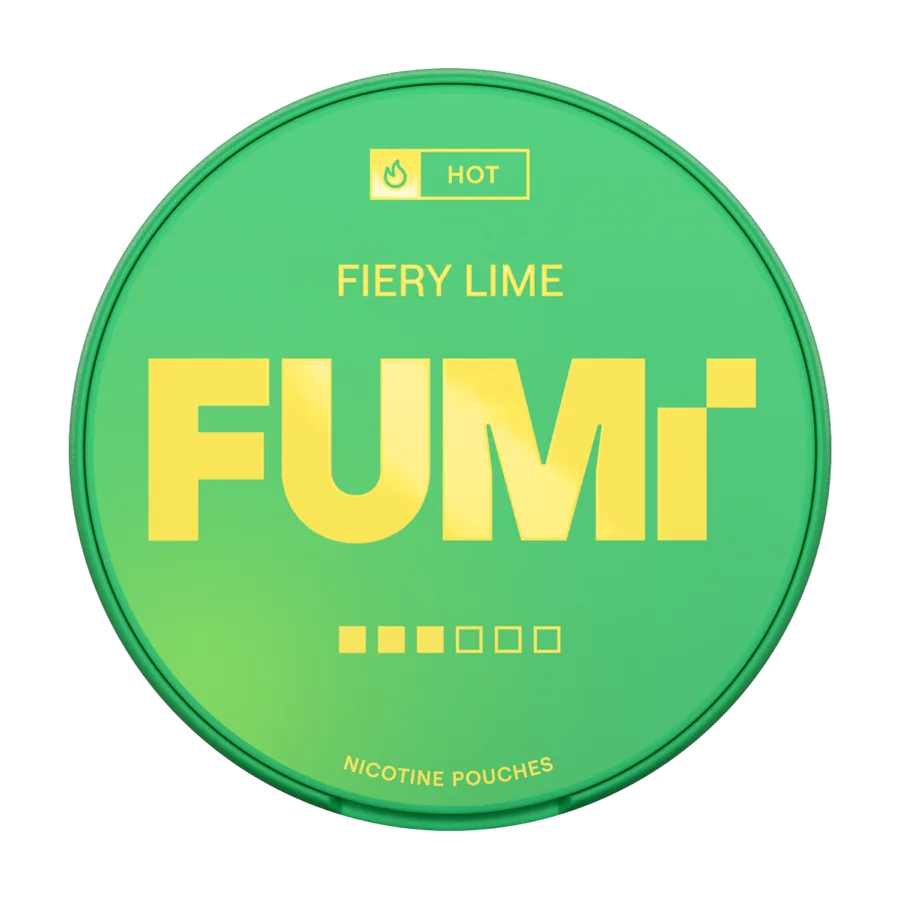
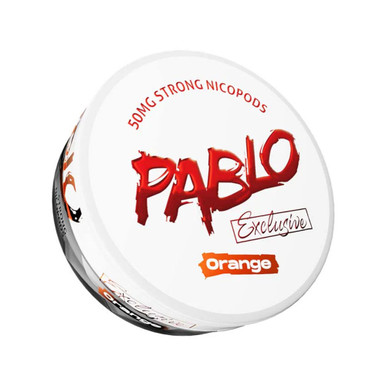
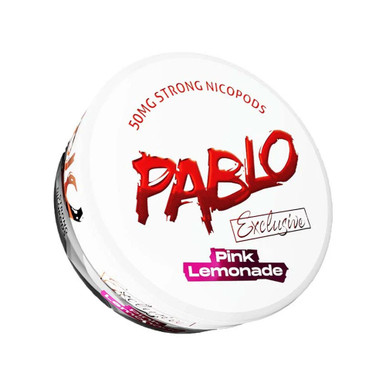
So the grid puts Fumi Fiery Lime at £27.90 next to Cuba Ninja Orange at £39.90 next to Pablo Exclusive Pink Lemonade at £3.85, and our data holds nothing that tells them apart. If you want lime specifically, this shelf cannot narrow it; it can only show you everything and let you read.
Where even the lid declines to be specific
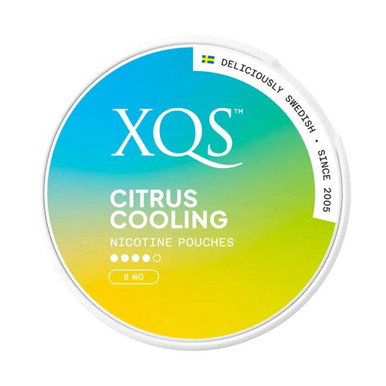
There is a twist on this shelf that the other flavour grids do not have. Usually our tag is coarser than the product name. Here, several product names are exactly as coarse as the tag. The Clew can is called Citrus. The ZYN one is called Citrus. XQS Citrus Cooling adds one word and still does not name a fruit. For those three, reading the title harder will not help, because the manufacturer has chosen the same level of vagueness we did. The can is the only remaining source, and we do not hold what it says.
Where the tag throws information away
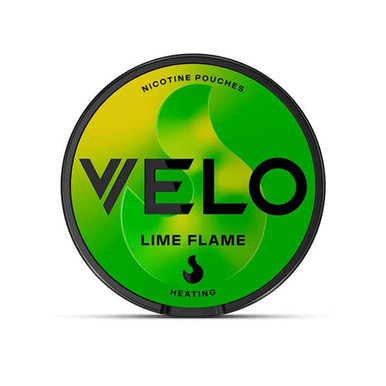
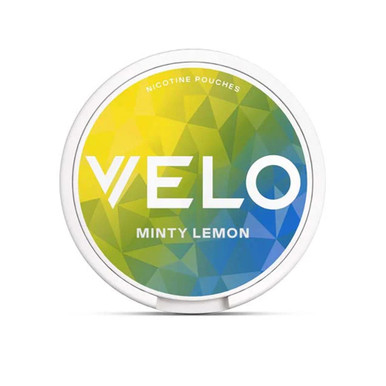
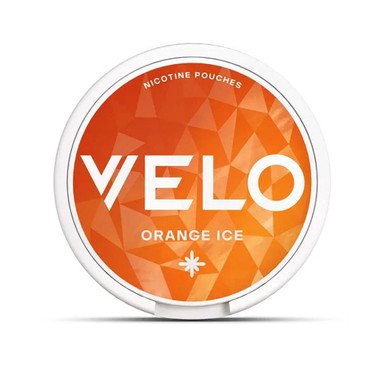
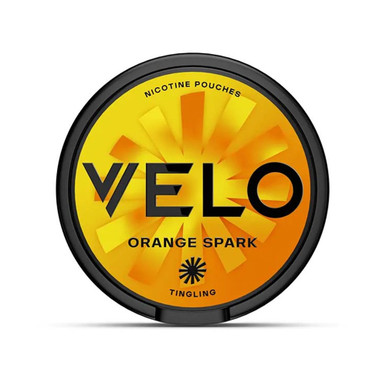
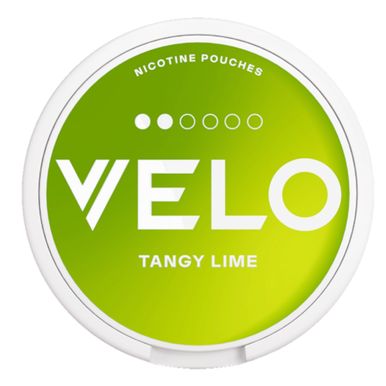
Velo has five listings on this shelf and the brand's own naming separates them carefully: Orange Ice and Orange Spark are plainly meant to be different cans, as are Lime Flame and Tangy Lime, with Minty Lemon alongside them. In our flavour data all five are the same: citrus. Every distinction the brand drew is discarded at the point of filing.
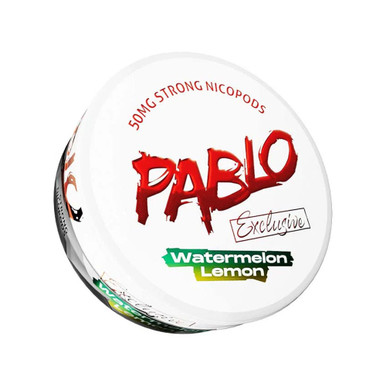
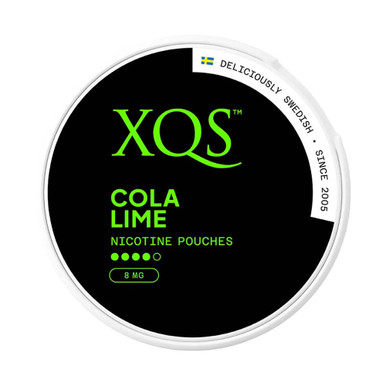
The cross-filing runs the other way too. Five different flavour tags appear across these 25 listings, so several are on two shelves at once. XQS Cola Lime is also on the cola shelf. Pablo Exclusive Watermelon Lemon is also on watermelon. The Velo cans with a cooling word in the name are also filed under mint. One listing, several labels — not several listings.
And the cans that no flavour shelf reaches
None of these 25 listings lacks a flavour tag, which is true by construction rather than by good record-keeping: an untagged listing cannot land on a flavour shelf. Such listings do exist in the catalogue, and no amount of browsing here will bring them up. The full catalogue in a single list and the brand shelves are the only ways to reach them. Browse here; confirm elsewhere.
When a title names two things, which word wins?
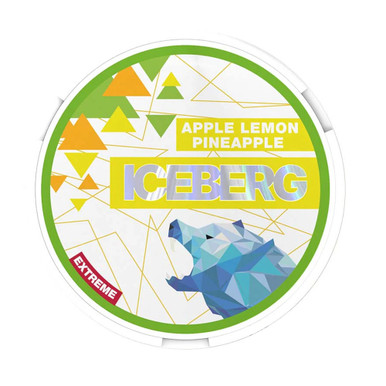
A good share of this shelf is blends, and a blend forces a decision our filing is not really equipped to make. Iceberg Apple Lemon Pineapple, currently unavailable, names three fruits in one title; only one of them is a citrus and the listing is here anyway. Klint Cola Lime, also unavailable at the moment, names a drink and a fruit. Pablo Exclusive Watermelon Lemon names two fruits and sits on two shelves as a result.
There is no consistent rule behind which word wins. Sometimes a blend is double-filed and shows up on both relevant shelves, which is the better outcome. Sometimes only one word is picked up, and the listing becomes effectively invisible to anyone browsing for the other flavour in its own name. You cannot tell from the grid which of those has happened to a given listing, so if you are looking for a blend, search the fruit you care about on more than one shelf rather than assuming a single grid has caught everything.
The shelf also holds a drink, not just fruit
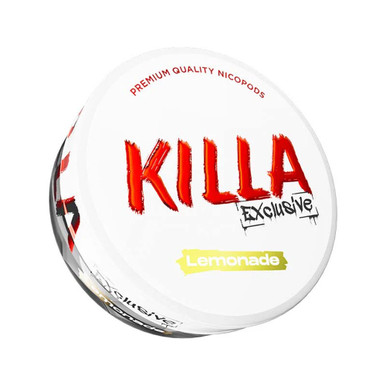
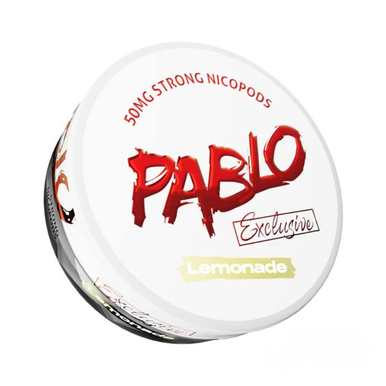
Lemonade is not a citrus fruit, but it is close enough to one that our tagging swallowed it whole. Killa Exclusive Lemonade at £33.50 and Pablo Exclusive Lemonade at £3.85 sit here alongside the pink lemonade version from the same range. Whether a lemonade can and a lime can belong in the same grid is arguable; our filing decided they do, and it decided it once rather than case by case.
It is the same mechanism that put cola-and-lime blends on this shelf. The tag reads for a family resemblance in the name and stops there. It considers nothing else about the product, which is worth holding in mind every time a flavour grid looks more coherent than it is.
Why the price column tells you the brand and nothing else
Look down the prices on this shelf and a pattern appears immediately. Every Velo listing is £4.19. Every Pablo listing is £3.85. Every Killa listing is £33.50. The Clew, Cuba, XQS and Iceberg listings all sit at £39.90.
In other words, price on this shelf is flat within a brand and steps between brands. It carries no information whatsoever about which lemon can is better than which lime can, because within any one range there is no variation to read. The only thing the price column distinguishes is which manufacturer you happen to be looking at, and the size of the step between brands is almost entirely about how many cans a listing contains rather than anything about the product itself.
This is why a headline figure is not a per-can figure, and why comparing £3.85 against £39.90 as though they were rival prices for the same thing is a category error. They are, in all likelihood, different quantities. Our catalogue does not record the count for 18 of these 25 listings, so for the large majority of this shelf we cannot convert either figure into a per-can price, and no arithmetic we could offer would be honest.
What you can do about it is straightforward. Decide on a brand first, using the Pablo shelf with its 56 listings, the 47 from Cuba or the 40 Iceberg listings, where pack structures are consistent and prices are directly comparable. Then let flavour narrow it. Doing it the other way round means comparing eleven pricing structures at a glance, which is exactly the situation a price column handles worst.
Stock: nearly a third of this shelf cannot be ordered
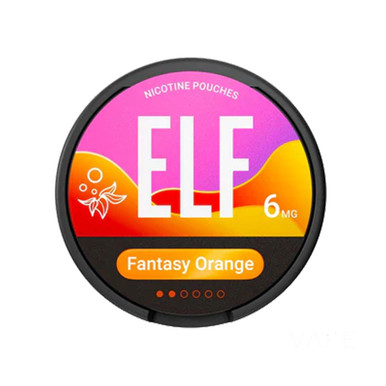
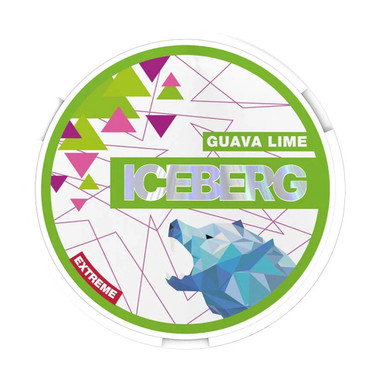
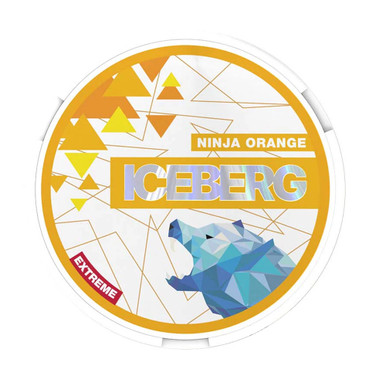
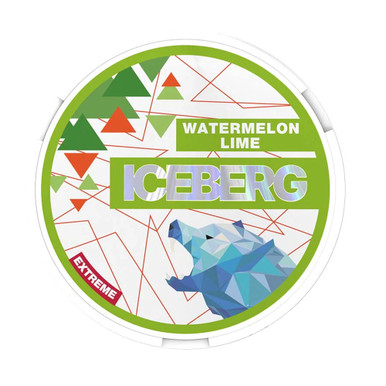
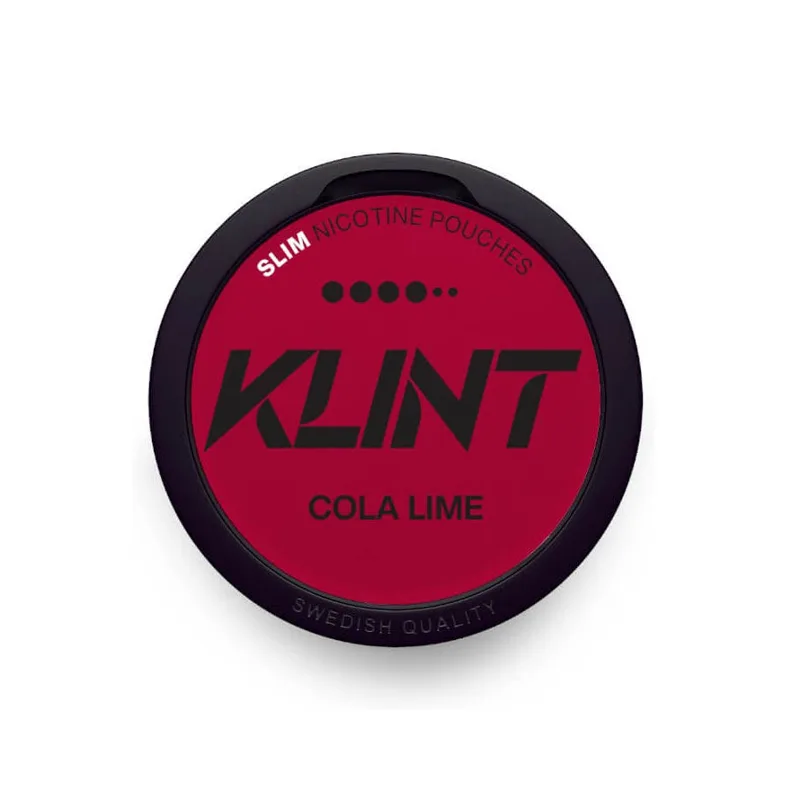
Eight of the 25 listings are unavailable, and the pattern is worth knowing because it is concentrated rather than scattered. Four of the eight are Iceberg cans — Guava Lime, Ninja Orange, Watermelon Lime and Apple Lemon Pineapple, all currently out of stock and all listed at £39.90. Elf Bar Fantasi Orange at £29.90, Klint Cola Lime at £36.90 and the ZYN Citrus Mini are also unavailable at the time of writing.
Those links all work and the pages are worth reading, but none of them can be added to a basket right now — follow them for information rather than to buy. We leave unavailable listings visible because most return, and because a listing that disappeared entirely would be much harder to find again than one clearly marked. Stock moves faster than page copy, so the product page is always the authority over this paragraph.
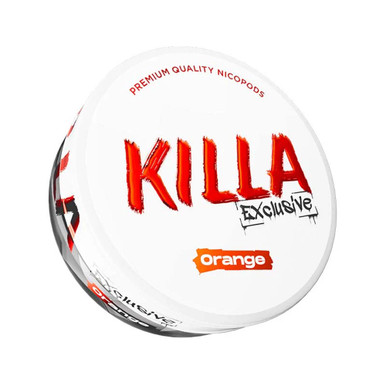
The practical effect on browsing is that the orange selection here is thinner than the count suggests, since two of the eight unavailable listings are oranges. Killa Exclusive Orange at £33.50 and Pablo Exclusive Orange at £3.85 are both orderable, as are the two Velo oranges.
What the milligram figures mean here
Declared strengths on this shelf run from 3 mg to 50 mg. Those figures are printed on cans and reproduced by us as label information. That is the whole of their function on this site.
We cannot advise which strength suits you. We hold a number, not knowledge of any individual, and anything more would be invention. Strength is also not a ladder, a tier or a level to work through: a 50 mg listing is not an improvement on a 3 mg one, and there is nothing here to progress toward. The figures are a specification.
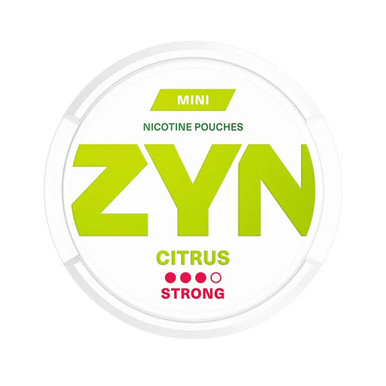
Product names complicate the picture because words like Strong, Mini and Exclusive belong to a manufacturer's naming scheme and are not measured against any shared scale. Our strength shelves ignore names and file by the declared figure, which is why Medium Strength holds 135 listings, Strong holds 132 and Extra Strong holds 98. Where a name and our filing disagree, the name is the part to disregard — and on this shelf the unavailable ZYN listing is titled as a Mini while carrying the word strong inside the web address it was created with. Neither is a measurement.
The eleven brands on this grid
Eleven brands is the narrowest spread of any large flavour family on the site, and the representation is lopsided: Velo has five listings here and Pablo four, while several brands contribute one can each. If a brand you already buy shows a single citrus listing, that is probably all it has in this family — its other flavours are on its own shelf rather than further down this grid.
Which is the argument for using brand as your first axis and flavour as your second. A brand shelf shows a range as the manufacturer built it, in one consistent naming scheme and one consistent pack structure, and that is the only view on this site where two listings can be compared fairly.
Keeping a can, and ordering one
We record no storage instructions for any listing, so anything specific comes off the can itself. The general points are dull: a tin keeps better with its lid properly closed, and a can that spends the afternoon in a sunny car is in a worse place than one in a drawer. Whether a given product wants to be kept somewhere cool is a matter for the manufacturer's printed instructions, which we do not reproduce. Keep cans where children cannot reach them and away from anyone under 18, and use the lid compartment where a can has one so a used pouch has somewhere to go.
On ordering, the eight unavailable listings cannot be added to a basket and the grid marks them. For the seventeen that can, the only thing worth repeating is that the figure on the tile is the price of the listing, and for most of this shelf we cannot tell you whether that means one tin or several. Age verification runs at the checkout and may happen again at the door: ID can be requested on delivery and an order will not be handed over where age cannot be confirmed, so leaving a parcel with a neighbour or in a porch is not an option here.
Where to go next
If citrus was a starting point rather than a destination, the neighbouring shelves are all readable at this sort of scale: watermelon holds 23 listings, cherry 20, strawberry 19, cola 17 and mango 16. The berry shelf at 76 listings is a step up in size and correspondingly looser in what it gathers. And if the format itself is unfamiliar, our plain explanation of what a pouch is covers the basics without any of the catalogue arithmetic above.
Age restrictions and required notices
Everything on this shelf is sold to adults aged 18 or over who already use nicotine. Nicotine is an addictive substance. These products are not a licensed stop-smoking medicine and are not intended for non-smokers, non-nicotine-users, under-18s, or anyone who is pregnant or breastfeeding. ID may be requested on delivery, and an order will not be handed over where age cannot be confirmed.
Frequently asked questions
Can I filter for lime rather than lemon or orange?
No. Our catalogue holds one flavour word for all of them, and that word is citrus. Lime, lemon, orange, lemonade and pink lemonade are indistinguishable in our data, so the only place the difference exists is the product title. On a shelf of 25 listings that is manageable — you can read every title in a minute — but it is reading rather than filtering, and no setting on this site will do it for you.
Why are three cans just called Citrus?
Because the manufacturers named them that way. Clew Citrus, ZYN Citrus and XQS Citrus Cooling are as vague on the lid as our tag is in the catalogue, which is unusual — normally the title carries more detail than the filing does. For those three, reading the title harder will not help. The can is the only source that might say more, and we do not hold what is printed on it.
Velo has five cans here. How do I choose between them?
By title, because our data cannot help. Orange Ice, Orange Spark, Lime Flame, Tangy Lime and Minty Lemon are five distinct products in the brand's own naming, and all five carry the identical citrus tag in our records. They are also all £4.19, so price offers nothing either. The Velo brand shelf shows the range together in one consistent scheme, which is a better place to compare them than a mixed flavour grid.
Why does every Pablo listing cost the same?
Because price on this shelf is flat within a brand and steps between brands. Pablo listings sit at £3.85, Velo at £4.19, Killa at £33.50 and several others at £39.90. That means the price column tells you which manufacturer you are looking at and nothing at all about which can is better. Most of the gap between brands reflects how many cans a listing contains rather than anything about the product.
Does £39.90 mean I am buying several cans?
Very possibly, but our records do not confirm it. 18 of the 25 listings here carry no can count at all, so for the majority of this shelf the catalogue cannot say whether a price covers one tin or a pack of them. We are not going to estimate, because an estimate presented as information is worse than an admission. Check the product page, and if it does not state a quantity either, treat it as unconfirmed.
Why do ZYN Citrus and ZYN Citrus Mini cost the same?
We cannot tell you. Both are listed at £19.99, the word Mini is the only thing separating them in our records, and we hold no can count or format field for either. The Mini listing is also currently unavailable. Either the two contain different quantities at the same price, or the format difference does not affect price, and our data does not settle which. Both product pages are worth reading before deciding.
Which listings on this shelf can I not buy right now?
Eight of the 25, and they cluster. Four are Iceberg cans — Guava Lime, Ninja Orange, Watermelon Lime and Apple Lemon Pineapple. Elf Bar Fantasi Orange, Klint Cola Lime and the ZYN Citrus Mini are also unavailable. Their pages still work and are worth reading, but nothing can be added to a basket from them. We keep unavailable listings visible because most come back and a vanished listing is harder to find again.
What do the mg figures mean and which should I choose?
The figure is the declared nicotine content printed on the can, which we reproduce as label information and nothing more. On this shelf they run from 3 mg to 50 mg. We cannot advise which strength suits you — we hold a printed number and no knowledge of any individual, so a suggestion would be invention. The figures are a specification rather than a ranking, and nothing on this site orders them as one.
Is a can named Strong actually stronger than one that is not?
Not reliably. Those words are part of a manufacturer's product name and are not calibrated against any scale shared between brands. Our strength shelves file by the declared milligram figure instead, so a dramatically named can and a plainly named one can easily sit on different shelves than their names suggest. One listing here is titled as a Mini while carrying the word strong inside its web address. The number is the only dependable part.
Are there citrus cans you stock that are not on this shelf?
Possibly. Listings that carry no flavour tag cannot appear on any flavour shelf, so they are invisible to this style of browsing entirely and are reachable only through the full catalogue list or a brand shelf. Beyond that, a can with citrus in the name might have been filed under a different tag if another flavour in the title took priority. Use this grid to browse, not to conclude that something is not stocked.
What is the quickest way to compare two cans properly?
Fix the brand first and let flavour narrow it afterwards. A brand shelf lays out a range in one consistent naming scheme with one consistent pack structure, so two listings on it can be compared fairly. A flavour shelf mixes eleven brands with eleven pricing structures, which is the situation where a price column misleads most. Once you have picked a brand, reading twenty-five citrus titles is quick work.
Keep looking
Mint · Berry · Tropical · Watermelon · Cherry · Strawberry · Cola · Mango · Grape · Sweet