
Home / Extra Strong / Iceberg Guava Lime Nicotine Pouches
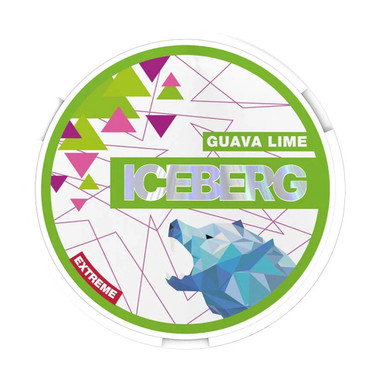
Iceberg · 50mg
Read the full guide
Iceberg Guava Lime Nicotine Pouches
£39.90
✔ In stock — ready to ship
100% tobacco-free
Free over £20
Same-day dispatch
Secure checkout
Iceberg Guava Lime Nicotine Pouches is a two-fruit can from a brand that has forty separate entries on our shelves. It is priced at £39.90, carries one declared figure of 50mg, and is filed in three places in our navigation: on the Iceberg brand shelf, on the Extra Strong strength shelf of ninety-eight cans, and on the citrus flavour shelf, which holds twenty-five.
Before any of the detail, three flat statements about what our records do and do not contain.
The full guide to Iceberg Guava Lime Nicotine Pouches
4,967 words on how it eats, who it suits, how to serve it and what to put beside it.
Opening the file on Iceberg Guava Lime
This line is out of stock at present. The availability flag on our record reads false. Nothing on this page will get around that, and we have not written the description as though you can add it to a basket today. What the page is good for is the specification, the comparison against cans we do have, and the general practical material, all of which keeps whether or not this particular can is on the shelf this week.
We hold no can count. Our data has a field for the number of cans in a pack and it is blank for this product. So £39.90 is the price on the 50mg variant and that is the whole of what we can say about it. Whether that covers one can or a sleeve of them is not something this description is going to assert, and you should treat any comparison of this price against another listing's price with that gap in mind.
The flavour tag does not match the flavour name, and we are not going to smooth that over. The product is called Guava Lime. Our flavour field contains one word: citrus. Lime is a citrus fruit. Guava is not — it is a tropical fruit with nothing citrus about it botanically. So the tag captures half the name and misses the other half, and this can appears on the citrus shelf and on no tropical shelf, even though half of what is printed on the front is tropical. That is how our catalogue has it filed, it is an imperfect fit, and telling you so is more useful than pretending the tag is a complete description.
One image is held against this listing: a single photograph of the can. There is no second image of the pouches or the open lid.
The object in your hand, and what happens to it
Taking the format early on this page, because everything that follows makes more sense once the physical routine is settled.
A can is a shallow plastic cylinder, roughly the size of a large coin in diameter and a couple of centimetres deep. The lid comes off to reveal the pouches in their chamber. On most cans of this type the lid itself is hollow and doubles as a catch compartment for used pouches, which is the reason you do not need a bin within reach. People who are new to a particular brand's can sometimes miss that the lid opens in two ways, and then wonder why the thing seems over-engineered.
A pouch is a soft sealed portion designed to sit in the space between the top lip and the gum. It goes in, it stays put, it is not chewed and it is not shifted around with the tongue. Our record for this product does not state a portion size, so we are not going to claim it is a standard or a mini format; the can face and the listing photograph are what you have to go on. Where a format is stated in a name, we say so — Siberia Mini at £39.50 is an example on our shelves of a can whose name declares a mini portion.
How long anybody keeps a pouch in is personal habit and we publish no recommended duration. When it comes out it goes into the lid compartment or straight into a bin. It never goes down a sink or a toilet, it does not get left on a table edge, a car console or the arm of a chair, and it does not get left anywhere a child or a pet could reach it. That last point is not an afterthought; it is the most important practical line on this page.
Used pouches are general household waste. The empty can is a plastic item and what happens to it depends on what your council accepts, which is a question for them.
Guava and lime as a pair of tastes
Two-fruit names are a balancing act, and the order of the words on the front usually tells you which fruit the maker intends to lead. Guava is printed first here.
The guava half
Guava is a soft, perfumed tropical fruit. In flavoured products it tends to read as sweet and slightly floral, thicker and rounder than a berry, with a scent that carries further than its taste does. It is the half of this pairing that does the body work — the part that fills out the middle of the flavour rather than the part that gets your attention first.
The lime half
Lime is the sharp, green, aromatic citrus note that most people can identify blindfolded. In flavoured products it generally arrives early, cuts through whatever it is paired with, and fades before the sweeter partner does. It is also the note most likely to read as slightly bitter at the edges, which is exactly what stops a sweet tropical flavour from becoming cloying.
The two together
A guava and lime pairing is a common construction because the two halves do different jobs: the citrus supplies the top edge and the tropical fruit supplies the body underneath it. Expect the lime to be more obvious in the first stretch and the guava to be what remains later on. As with every can on this shelf, the aroma when the lid comes off will be fuller and sweeter than the taste in the mouth, and the flavour will decline steadily rather than holding level. None of that is specific to this can; it is how dry pouches behave.
That is a description of two tastes and an aroma. It is not a claim about anything else, and this site does not make claims about anything else.
Iceberg's forty listings, and where a two-fruit can falls among them
The natural way to read a single product is against the rest of its brand, so that is what this section does. It comes with a caveat that shapes the whole of it.
The gap in our data, stated plainly
Our record for this product carries an empty field where related products from the same brand would normally live. There are no individual Iceberg sibling listings attached to this page, which means we cannot walk you through the brand's other cans one at a time with a link against each. Filling that gap with invented addresses is not something we will do. What we can do is send you to the brand shelf itself, where all forty entries are listed and browsable, and describe the shape of the range in general terms that our shelf counts support.
What forty listings under one name implies
Forty entries is a large range by the standards of our catalogue, and a range that size is not built out of variations on one idea. In practice a brand with that many listings will cover single-fruit cans, two-fruit and three-fruit combinations, mint and menthol cans, confectionery-style names, and cans whose names describe a format or an edition rather than a flavour at all. This particular can belongs to the two-fruit group — a tropical fruit and a citrus fruit named in order — which is the middle of that spread rather than either extreme.
What we will not tell you
The obvious next move in a section like this is to tell you which of the brand's cans suits which kind of person. We are not going to do that, and the refusal is deliberate rather than lazy. Suitability language slides very quickly into recommending a strength or a product to somebody, and this site does not recommend. What a can's name declares is a fact we will happily report. Who should have it is not our call to make, and it is certainly not something a product description should be deciding on your behalf.
Reading the brand against the wider shelves
If you want to place the brand in context rather than in isolation, the strength shelves are the cleanest tool. This can sits among the ninety-eight cans filed as Extra Strong, while the Strong shelf and the Medium Strength shelf hold the cans whose printed figures fall lower. Those three shelves together are how the whole catalogue sorts by declared number, and browsing them is a better way to understand the range than reading any single description of it.
The 50mg printed on the front
One figure sits on this can and one figure sits in our strength field: 50mg. We copy it from the label and we do not editorialise it.
The number does three things on this site and no more. It appears on the listing. It determines which strength shelf the product is filed on. It gives you a consistent handle for comparing one can against another within our own catalogue. That is the full extent of its job here.
Several things the number is not. It is not a quality score, and a can with a higher printed figure is not a better can than one with a lower figure. It is not advice, and nothing on this page suggests that 50mg is appropriate for you or for anyone. It is not necessarily comparable across manufacturers, because our records give us the printed figure without the basis on which each maker measured it, and two cans printing the same number may not have arrived at it identically. Where we cannot reconcile two figures, we say so rather than implying a precision our data does not have.
Iceberg cans generally print figures at the upper end of what this category declares. That is a fact about where the labels sit, offered as information for sorting purposes, and it is not a boast. If you have found yourself reading strength figures as a leaderboard, the number on this can is not an invitation to climb one.
A format that stays where you put it, and the rules that still apply
The practical characteristic people ask about most with pouches is how little they announce themselves. A pouch needs no device, no charging, no hands once it is in, makes no noise, produces nothing anyone else can see or smell across a room, and requires no interruption to whatever you are doing. That is a description of a format's physical behaviour, and it is worth setting out carefully because the conclusions people draw from it are where the trouble starts.
Offices and workplaces
A workplace sets its own policy, and that policy is not ours to interpret. Many employers have rules covering nicotine products of every kind, some of them broader than people assume, and plenty of workplaces treat all such products identically regardless of format. The fact that a pouch is not visible does not mean it is permitted. If you use these at work, the sensible thing is to know what your employer's policy actually says rather than assuming the quietness of the format settles the question.
Trains, planes and long journeys
Carriers set their own conditions of carriage, and airlines in particular have detailed rules about what may be carried and what may be used on board. Those rules change and they differ between operators, so the only reliable answer is the one on the carrier's own website on the day you travel. There is a second layer on international journeys: the legal status of nicotine pouches is not the same in every country, and some destinations restrict or prohibit products that are ordinary retail items here. We are not going to list which, because that would mean publishing legal specifics we cannot keep current and did not verify. Check before you pack, not after you land.
Sites, yards and other controlled environments
Construction sites, warehouses, food premises, hospitals and similar environments frequently have rules about consumption of any kind in working areas, and food-handling settings in particular tend to be strict about anything in the mouth. Again, those are the site's rules, not ours, and a format being discreet is not a defence against a policy that covers it.
The honest summary of this section
A pouch is quiet and unobtrusive, and that is a property of the object. It is not a licence, and this description is not telling you where to use one. Where rules exist, they exist regardless of whether anybody can tell. Used pouches also need disposing of properly wherever you are, which matters more in shared and public spaces, not less.
Keeping cans in condition
A can of dry pouches is not delicate, but it does respond to how it is kept, and the difference shows up as flavour rather than as anything dramatic.
The lid is most of it. Close it properly after taking a pouch out, not at the end of the evening, and a can will hold its character for far longer than one that spends its days ajar on a worktop. A lid that is resting on rather than seated in is the commonest storage mistake anyone makes with these.
Heat is the other half. A car in summer is the single worst place a can can live, and a dashboard in direct sun is worse still. Radiator shelves, sunny windowsills and the top of a fridge all run warmer than they feel. A drawer, a cupboard or a bag pocket away from the sun will do perfectly well, and none of it needs to be clever.
Damp works in the other direction. Bathroom shelves and anywhere that gets steamy are poor choices, and if you keep a can somewhere cold, let it come back to room temperature with the lid on before you open it, so that condensation forms on the outside of the can rather than on the pouches inside it.
Flavour fades over the life of an opened can. That is normal for an aromatic product and not a fault. A citrus-led flavour like this one will typically lose its top note before it loses its body, which means an older can of a guava and lime line tends to read more tropical and less sharp than a fresh one. Nothing revives it, and adding moisture to a dried-out can is not a repair, it is just a worse can.
Storage has a second dimension that has nothing to do with flavour. Cans should live out of reach of children and animals, out of sight where possible, and nowhere that anyone could mistake them for confectionery. That takes priority over every point above.
Cans people keep in rotation with a tropical citrus one
One can used continuously stops registering. Most regular users keep two or three on the go, and the sensible partners for a can like this either share the citrus half, share the tropical half, or deliberately go somewhere else entirely.
Staying in citrus, the closest comparisons on our shelves are Clew Citrus and XQS Citrus Cooling, both listed at £39.90, with the XQS name declaring a cooling element that neither this can nor the Clew one puts on the label. ZYN Citrus sits at £19.99, and Velo Lime Flame at £4.19 takes the lime half specifically rather than citrus in general.
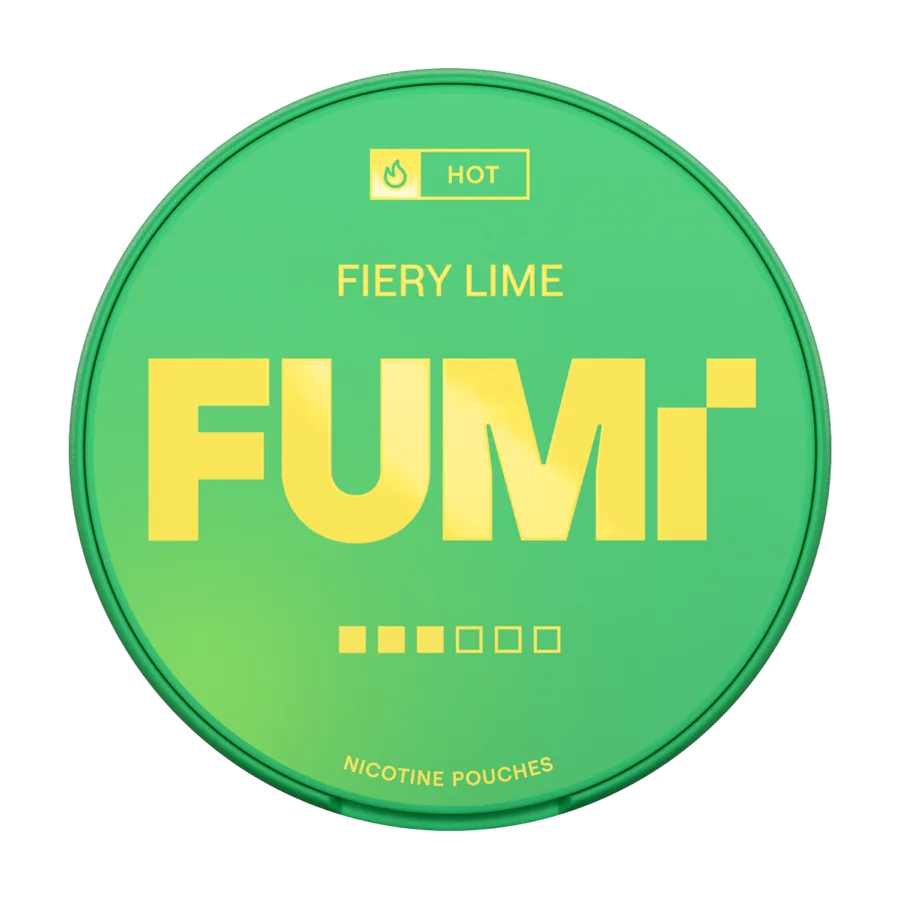
For lime treated as a sharper proposition, Fumi Fiery Lime is listed at £27.90 and its name declares a fiery character this one does not claim. For citrus as a soft drink rather than as a fruit, there are two lemonade lines on our shelves: Pablo Exclusive Lemonade at £3.85 and Killa Exclusive Lemonade at £33.50.
If you would rather your second can be a clean change of direction, Cuba Black Apple Juice at £39.90 moves you to an orchard fruit, and Maggie Original Jamaican Cherry Tonic Wine at the same price is about as far from a tropical citrus can as our nearby list goes. And if the change you want is one of format rather than flavour, the mini can from Siberia at £39.50 is the one in this group that offers it.
A note that applies to any rotation: keep the lids matched to their own cans and keep the cans distinguishable. Two cans of similar size in the same pocket get mixed up, and a lid left on the wrong can defeats the whole point of closing it.
Standard cans and mini cans, as two different objects
Since format came up above and since a rotation often ends up mixing formats without anyone deciding to, it is worth setting out what the distinction actually is on our shelves. Our record does not state which format this listing uses, so nothing here is a claim about this can — it is a description of the two things you will meet if you buy across brands.
A mini is the narrower, shorter portion. Some brands build a whole range around it and say so in the product name, which is why the mini-format can listed at £39.50 carries the word on the label rather than leaving it to be discovered. A standard portion is longer and fuller. Both go in the same place and behave the same way once they are there; the difference is how much of the lip they occupy and how noticeable that is to the person carrying it.
The tin usually follows the portion. Mini ranges tend to come in a shallower can, which matters less in a drawer than in a jacket, and the lid geometry changes with it, so a mini lid and a standard lid are not interchangeable even between two cans that look similar at a glance. That is the practical reason for the warning above about matched lids: it is not only untidy, on two different formats it does not seat at all.
Where a brand does not declare a format in the name, our record is frequently silent on it and so are we. The can face answers it immediately, and one look at an opened tin settles a question this page cannot.
One row in the variants table
There is no strength decision to make on this page. Our variants table holds a single row — 50mg at £39.90 — and we would rather say that in one sentence than dress a single option up as a choice.
Some of our listings genuinely do offer alternatives: two declared figures on one page, occasionally four, sometimes a multi-can option at a separate price. This is not one of those. If a different printed figure is what you are looking for, browsing by strength shelf will show you what exists across the catalogue faster than working through individual product pages.
The same applies to pack size. With the can-count field empty on this record, there is no larger or smaller pack presented against this listing for you to weigh up. What you see is one variant at one price, currently unavailable, and the honest version of this section is that short.
The citrus shelf and the wider catalogue
Beyond its own brand, this can belongs to a flavour group of twenty-five. The citrus shelf is where anything we have tagged as citrus sits, and it is a mixed group: limes, lemons, lemonades, mixed citrus blends and cans like this one where citrus is only half the name. Twenty-five entries is a middling shelf by our standards, larger than some fruit shelves and much smaller than the berry group.
Worth repeating here: because this product is tagged citrus and not tropical, you will not find it by browsing a tropical shelf, even though guava is a tropical fruit. If somebody has told you we stock a guava can and you cannot find it under tropical, that is the reason. The tag follows the lime, not the guava.
Two brand shelves appear repeatedly among this can's neighbours and are worth knowing about if you are comparing across makers rather than within one: the Pablo shelf and the Cuba shelf. Between them they account for a good share of the cross-brand comparisons on this page.
Buying it, and the age check
Today the answer to "can I order this" is no, because the listing is out of stock. When it returns, ordering happens through the product listing rather than through this description, and the listing always takes precedence over anything written here about price or availability. Descriptions are written once; listings update.
Every order on this site is age restricted. We sell only to adults aged 18 or over. Age verification is part of checkout, and ID may be requested on delivery. Couriers can and do refuse to hand over age-restricted parcels where the recipient cannot show they are 18 or over, or appears not to be. That is not discretionary and it is not something we can arrange around. If the delivery address will not have an adult at it, send it somewhere that will.
Parcels go out as ordinary small goods. Cans travel well; what they do not enjoy is sitting in a hot porch or on a sunny doorstep for a day after they arrive, which is worth bearing in mind if you are having a parcel left in a safe place in summer. Bring it in reasonably promptly and the storage section above starts from a better place.
If something arrives damaged, mislabelled or not as described, get in touch through the site rather than trying to sort it out yourself. That is what our contact route is for.
How to find this page again
Three routes lead here and all of them start from the main shop index.
By brand: the Iceberg shelf, forty entries, this one among them. By strength: the Extra Strong shelf, ninety-eight entries, filed by printed figure. By flavour: the citrus shelf, twenty-five entries, where this can sits on the strength of its lime half.
Which route is fastest depends on what stuck in your memory. People who remember a brand name find brand shelves quickest; people who remember a fruit go through flavour. If neither stuck, browsing everything we list from the top is not as slow as it sounds, since the shelves narrow it quickly.
If this can turns out not to be what you wanted, the two sideways moves that help most are the citrus shelf for the same flavour family and the Extra Strong listing for cans sharing this one's printed figure.
Questions people put to us about this one
Why is this filed under citrus when it is called Guava Lime?
Because our flavour field for this product contains the single word citrus, which reflects the lime half of the name. Guava is a tropical fruit and not a citrus fruit, so the tag is an incomplete description of what is on the front of the can. We have flagged it rather than quietly writing around it. In practice it means the can appears on the citrus shelf and not on any tropical shelf, which affects where you will find it when browsing.
Can I buy it right now?
No. The availability flag on our record for this line currently reads out of stock. We keep the page up because the specification and comparisons are still useful, but nothing here will let you order it today. We do not publish expected restock dates in descriptions, since a date written into copy becomes wrong quickly and starts to read as a promise. The product listing carries live availability.
How many cans is £39.90 buying?
We do not know, and we are not going to estimate. The field in our records that would hold a can count is empty for this product. £39.90 is the price attached to the single 50mg variant and that is the limit of what we can state. If the quantity is decisive for you, confirm it on the product listing or ask us before ordering rather than relying on this paragraph.
What does the 50mg figure mean?
It is the strength the maker declares on the can, reproduced here exactly as printed. We use it to file the product onto a strength shelf and to give you a consistent way of comparing cans within our catalogue. It is not a rating, not a recommendation, and not guaranteed to be measured on the same basis as a same-numbered can from another manufacturer, because our records hold the figure and not the method behind it.
Which fruit comes through more strongly?
Typically the lime arrives first and the guava lasts longer, because sharp citrus notes tend to be front-loaded and softer tropical ones tend to sit underneath. That is how these pairings usually behave rather than a measurement of this specific can, and taste varies enough between people that your experience of the balance may not match the description. The can prints guava first, which is normally an indication of which fruit the maker intends to lead.
Is it a cooling or icy flavour?
Nothing on the label says so. The name is two fruits with no ice, freeze or cooling word attached, and our flavour tag says citrus rather than mint or menthol. By contrast, some of the neighbouring cans on this page do declare a cooling element — the XQS citrus line has cooling in its name — and that difference in what the label claims is the only reliable comparison we can make between them from our records.
Why are no other Iceberg cans linked from this page?
Our record for this product has an empty same-brand field, so there are no verified sibling listings for us to link to. We will not manufacture product addresses to fill a structural gap in a page. The brand shelf is the substitute and it is a perfectly good one, since it lists all forty Iceberg entries in one place and lets you browse them directly.
Is there a 20mg version of this flavour?
Not on this listing. Our variants table holds one row, 50mg at £39.90, and no second figure. Some other cans in our catalogue, including other products under this brand name, do carry more than one declared figure on a single page. If a lower printed figure is what you want, the medium and strong shelves are where cans with lower figures are filed, and browsing them is more efficient than checking pages one at a time.
Can I use these on a plane or at work?
That depends entirely on the airline's conditions of carriage and on your employer's policy, and neither is something we can answer for you. Rules on nicotine products vary between carriers, workplaces and countries, and the discreetness of the format has no bearing on whether a rule applies. Check the relevant policy directly. We would also point out that the legal status of these products differs between countries, so international travel needs checking before you go.
Does it smell?
The can has a noticeable aroma when the lid is off — a sweet tropical smell with a green citrus edge — and that aroma is considerably more pronounced than anything detectable once a pouch is in use. We are describing what the product smells like, which is a sensory fact about it. We are not making any comparison with other products or suggesting where that property makes the can appropriate to use.
How should I dispose of used pouches?
In the catch compartment in the lid if the can has one, and then into general household waste. Not down a sink, not down a toilet, and not left on any surface where a child or an animal could pick one up. In shared or public spaces, take the same care you would with any small item of waste. The empty can is plastic and whether it can be recycled depends on your local authority's rules.
Do you have more photographs of this product?
One image is held against this listing, and it shows the can rather than the pouches. Some of our products carry several photographs and this one does not. Since we also hold no stated portion size for this line, the format section on this page is general rather than specific, and we have written it that way deliberately instead of guessing at dimensions we cannot confirm.
The compliance statements for this product
These apply here and across every nicotine product we list.
- Sold to adults aged 18 and over only. This product is intended for adults who already use nicotine products. It is not for anyone else.
- Nicotine is an addictive substance.
- This is not a licensed stop-smoking medicine, and it is not intended for non-smokers, for people who do not already use nicotine, for under-18s, or for anyone pregnant or breastfeeding.
- ID may be requested on delivery, and a courier may refuse to release an age-restricted parcel without it.
No part of this description is medical advice or a recommendation to use nicotine or any particular strength of it. Questions about nicotine and your own health belong with a healthcare professional. Keep cans and pouches, used and unused, away from children and animals.
To close
Iceberg Guava Lime is a two-fruit can at £39.90 with one declared figure of 50mg, filed under citrus despite half its name being a tropical fruit, held with one photograph, no can count on record, and currently out of stock. The lime leads and the guava lingers, the format is the ordinary one, and the storage rules are the ordinary ones.
If you want something in the same family that you can actually order, the citrus shelf holds twenty-four other entries, and browsing that group is the quickest route to a near equivalent. If it was the brand rather than the fruit that brought you, the forty Iceberg listings are the place to look next.
More from Iceberg


More extra strong pouches
More citrus pouches

Where this sits
Iceberg Guava Lime Nicotine Pouches appears in these categories. Browse them, or jump to something close.
You might also like