
Home / Extra Strong / Pablo Exclusive Lemonade Nicotine Pouches
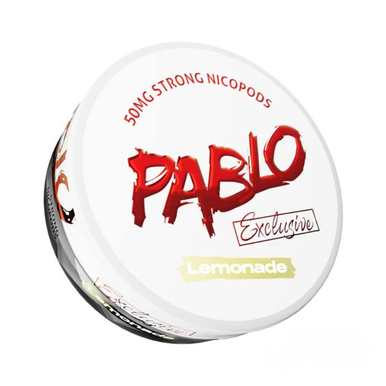
Pablo · 50mg
Read the full guide
Pablo Exclusive Lemonade Nicotine Pouches
£3.85
✔ In stock — ready to ship
100% tobacco-free
Free over £20
Same-day dispatch
Secure checkout
This page covers Pablo Exclusive Lemonade Nicotine Pouches at £3.85. Our record against this listing carries one declared strength, 50mg, one flavour tag, citrus, one product image, and a stock status of in stock at the time of writing. That is the complete inventory of what we hold. Nothing else about this product exists in our data, and so nothing else on this page is presented as a fact about the product — what follows is a description of the object, a set of comparisons with other cans on our own shelves, and, where it applies, a clear statement that we do not have something.
Two things worth establishing before the rest. First, we do not publish composition, ingredient or technical detail for any nicotine product on this site, and we do not describe what happens after a pouch is in place. Second, we make no statement in any direction about anybody's wellbeing. Those two constraints remove a great deal of the material a product page might otherwise carry, and what they leave — the tin, the taste, the shelves, the price, the gaps in our own data — is what this page is made of.
The full guide to Pablo Exclusive Lemonade Nicotine Pouches
4,846 words on how it eats, who it suits, how to serve it and what to put beside it.
Pablo Exclusive Lemonade: the listing in front of you
The can is a shallow round tin. The lid lifts clear and presses back on, and its underside is hollow, which is the catch compartment for used pouches. Inside the base, the pouches sit in a ring: small, soft-edged, dry to the touch, white. Nothing needs charging, nothing needs assembling, and there is no second piece of equipment involved. A pouch goes under the upper lip, sits there, and is taken out by hand.
This is an adult nicotine product, sold on the basis that the buyer is 18 or over and already uses nicotine. The full wording on that is in its own section near the foot of the page, and nothing above it is addressed to anyone else.
Lemonade, described as a taste
Lemonade is a more specific flavour brief than lemon, and the difference is the whole of what this can is trying to do. A lemon flavour points at the fruit: peel, acid, a sharp top note with very little body under it. A lemonade flavour points at the drink, which means the acid is still there but it is carried on something rounder and sweeter, and the overall shape is softer and fuller than the fruit on its own.
This one reads as the drink rather than the fruit. The opening is bright and citrus-led, with a clean sharpness that arrives immediately, and underneath it there is a rounded sweetness that keeps the sharpness from being the only thing present. It is a pale, light flavour rather than a heavy one. There is no berry underneath it and no cooling layer over the top — our record carries the single tag citrus with no mint or ice tag against it, and the product name does not include the word ice, so on our data this is a citrus can with no declared cooling element.
The aroma from a freshly opened tin is citrus-forward and comes up quickly. In the mouth, the order is the same as the aroma suggests: sharp first, sweet a moment behind, and then the two settle into each other. The sweetness is the thing that fades first as a pouch goes on, which leaves the citrus edge a little more exposed towards the end than it was at the start. That is characteristic of citrus flavours generally rather than a fault of this one.
Finally, the standard caveat. This is a description by people who stock the can, not a specification, and taste is personal. The part we can state flatly is the filing: our citrus grouping holds 25 listings and this is one of them, which makes citrus one of the narrower flavour shelves we run.
How a recognisable flavour gets built into a dry pouch
A pouch has to deliver a flavour that people recognise instantly, from a small, dry object, with no liquid, no heat and no device involved. That is a genuinely constrained problem, and understanding the shape of the constraint is the most useful thing we can offer about why one can tastes the way it does and another does not. What follows is about the perceptible result, not the method. We do not publish composition and we are not going to speculate about it.
The three phases of a pouch flavour
Most pouch flavours behave in three recognisable phases, and the difference between cans is largely a difference in how those phases are balanced. There is an opening — the first thirty seconds or so, which is the sharpest and most flavour-dense part and the one that determines whether the can reads as the thing on the label. There is a body, which is the long middle where the flavour holds at a lower level and where most of the time with a pouch is actually spent. And there is a tail, where the flavour thins out toward a background note.
A flavour can be built to front-load, which makes for a striking opening and a shorter useful life, or to hold back, which makes the opening less immediately recognisable but keeps the body going for longer. This lemonade can is closer to the front-loaded arrangement than the held-back one: the citrus identifies itself immediately and the body is lighter than the opening. Whether that is the arrangement you want is a preference, not a ranking, and the same maker builds other cans in the range differently.
Why some flavour families survive the format better than others
Certain flavour ideas translate into this format with very little loss and others have to be reinterpreted. Mint is the easiest: it is essentially a cooling-and-aroma flavour to begin with, so a dry pouch gives up almost nothing. Citrus is next, because the defining feature of citrus is a sharp top note and top notes are the easiest thing to carry. Both of those reach you almost intact.
Heavier fruit is harder. A ripe peach or a banana is defined as much by texture and body as by taste, and a dry pouch has no way to supply texture, so a flavour of that kind has to be rebuilt out of aroma alone, which usually means it reads as a confectionery version of the fruit rather than the fruit itself. Coffee and liquorice-type flavours are harder still, because the part people recognise is bitterness and depth, and those are the slowest things to register. None of that makes one can better than another. It explains why a citrus can tends to taste like a clear version of the thing on the label while a heavy-fruit can often tastes like a sweet interpretation of it.
Why perceived sweetness changes what you notice
Two cans built around the same fruit can read very differently depending on how much perceived sweetness sits under the flavour, and that is the variable people most often mistake for strength of flavour. A sharper, drier reading of a citrus tends to be described as thinner even when the citrus itself is just as present, because there is less underneath it holding it up. A rounder reading of the same fruit tends to be described as fuller, and sometimes as less authentic, for exactly the same reason.
This can sits on the rounder side of that line, which is what "lemonade" as a name is announcing. It is worth knowing which side of the line you prefer before comparing cans across brands, because the flavour name on the lid will not tell you and two listings with identical names can sit at opposite ends of it. Our own flavour shelves group by family rather than by that axis, so the shelf will put a dry citrus and a rounded one side by side without distinguishing them.
What the tail tells you
The last phase of a pouch flavour is the most honest part of it, because there is nothing left to cover anything up. A well-built flavour thins evenly and keeps its character to the end. A less well-built one loses one element before the others, and what is left behind is a partial version of the flavour rather than a fainter one. On a citrus can the sweetness usually goes first, which leaves the sharp edge more exposed at the end than it was at the start; on a heavier fruit can it is often the other way round, and the fruit fades before the sweetness does.
That is a description of what people report noticing, not a measurement, and we have no instrument for it. It is included because it is the kind of thing that actually distinguishes one can from another in daily use, and because it is a great deal more useful than a marketing adjective.
Literal against confectionery
Every flavour in a range sits somewhere on a line between the literal fruit and the sweet-shop version of it. Pablo Exclusive Bubblegum at £3.85 sits at the confectionery end by definition — there is no literal bubblegum fruit to be accurate to. Pablo Exclusive Banana Ice, same price, sits nearer the confectionery end too, because a banana flavour almost always does. This lemonade can sits closer to the literal end than either, and Pablo Exclusive Orange at the same £3.85 is the nearest thing in the range to a direct comparison on that axis: same citrus family, different fruit, and a slightly rounder and less sharp reading of it.
The reason to think in these terms at all is that it predicts what you will get from an unfamiliar can far better than the flavour name does. Two cans both labelled with the same fruit can sit at opposite ends of that line, and the label will not tell you which is which.
The pouch, the portion and the lid well
A pouch from this tin is a small soft rectangle with rounded corners, light enough to disappear in a closed hand. It goes under the upper lip and stays put. A fresh one feels slightly bulkier than it looked in the tin, and that impression settles within a minute or two as it takes the shape of the space. After that it is unremarkable to hold in place, and people talk and drink normally with one in.
How long anyone keeps one in varies more than any figure would suggest. Ten minutes at one end, most of an hour at the other, and the same person differs from one part of the day to the next. Since the flavour thins out toward the end rather than stopping, many people use the fading of the taste as their own signal to change rather than working to a clock. We are not going to publish a recommended duration, because we do not have one and because a shop inventing one would be doing something it should not.
Our record carries no portion count for this listing, so we cannot tell you how many pouches are in the tin. The number is printed on the packaging. The same goes for the weight of a pouch and the dimensions of the can. Taking a used pouch out is a matter of hooking it with a fingertip; it goes in the well under the lid, which holds several before it needs emptying, and from there into general waste. Not a sink, not a plant pot, not a car window. Used pouches are small and pale and easy to leave behind on a surface, which is the practical reason a household with children or pets in it keeps the tin shut and out of reach.
On the tin itself: the lid is a friction fit rather than a thread, so it comes off with a thumb under the rim and goes back on with a push until it seats. A properly seated lid on a can of this shape does not work loose on its own; a lid resting on top of the base very easily does, and that is the usual explanation for a pocket with loose pouches in it. The top face carries the maker's name, the flavour and the declared figure, which is what makes a stack of tins in a drawer readable from above without picking each one up — a small thing that turns out to matter once you own more than two cans.
50mg, and what a declared figure is and is not
The figure on this can is 50mg. It is the only strength this listing is offered in, and we publish it because it is printed on the can and because it is the field people sort the catalogue by.
Three things about it. It is the manufacturer's declaration and not a measurement of ours. Our record stores it as the text 50mg and does not record the basis on which it is declared, and we are not going to assume a convention and print the assumption as though it were fact — the labelling on the can is the authority for that. And the figure is a number, not a rank. Our strength shelves exist so that a catalogue of this size can be filtered: this listing falls on the extra strong shelf, which holds 98 listings, and we also run a medium band and a strong band. Those are filing drawers. They are not a progression, nothing about them is a sequence to move through, and a higher declared figure is not an accomplishment or a mark of a better can.
We cannot tell you which strength is right for you. We hold no information about any individual customer and we are not in a position to advise on it — not by implication, not by hinting, and not by describing one band in warmer language than another. What we will do is publish every figure we hold, in the same format on every listing, so that comparisons between cans are at least comparisons of like with like.
Buying rhythm: one can, a spare, and how reordering actually goes
The question we get asked most often about a £3.85 listing is not about the flavour. It is some version of "how many should I get", and the honest answer has several parts, none of which are about consumption and all of which are about logistics and money.
The single can
Buying one can is the low-commitment option and it is what most people do with a flavour they have not had before. The argument for it is simple: there is no way to test a flavour without opening the tin, an opened tin is not resaleable, and so a single can is the smallest amount of money you can put behind a guess. At £3.85 this is among the cheaper places in our catalogue to make that guess, which is worth knowing when a comparable can from another brand carries a much larger number on it.
The argument against it is equally simple: if you already know the flavour suits you, buying singles repeatedly means paying for delivery more often and running out more often, and the second of those is the one that actually annoys people.
Buying several at once
Our record for this listing carries no multi-can option and no can count, so there is no roll or multipack variant to select here — that is a genuine limit of this listing rather than something hidden in a dropdown. What people do instead is put several cans of different flavours in one order, which gets the same effect on delivery cost while also building a rotation. Because every can in the Pablo Exclusive line sits at the same £3.85 with the same declared figure, mixing flavours in an order costs exactly the same as buying the same one repeatedly.
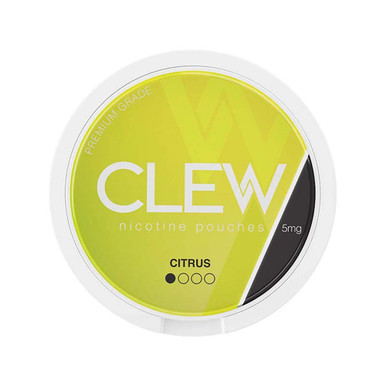
That is the specific reason this range lends itself to ordering in twos and threes. Elsewhere in the catalogue, mixing brands means mixing prices — Killa Exclusive Lemonade at £33.50 and Clew Citrus at £39.90 are both citrus listings and both cost a great deal more on the face of it, although our record does not store what quantity each price covers, so those are not like-for-like numbers.
Keeping a spare
The pattern that comes up most in practice is one can in use and one unopened somewhere sensible — a drawer at home, a bag, a desk. The reasoning is not complicated. Running out happens at the least convenient moment, and a spare removes a category of small problem for the price of one can. Where people go wrong with a spare is where they keep it: a car glovebox in summer or a bathroom shelf is a worse place for an unopened tin than a kitchen drawer, for the reasons in the storage section below.
Reordering
Most people reorder on a rough rhythm rather than a calculated one, and they overshoot or undershoot the first few times. There is no useful advice we can give about frequency, because it depends entirely on use and we do not know yours and would not comment on it if we did. What we can say is the logistical part: check the listing page for stock before you plan an order around a particular can, because stock moves and a page written weeks ago is not a live feed. Iceberg Guava Lime, for instance, is a citrus-adjacent listing at £39.90 that is currently out of stock — the page is there to read, but not to buy from today, and it is better to know that before you build a basket around it.
Where this can sits in the Pablo range
The Pablo brand page holds 56 listings, which makes it one of the biggest single-maker shelves we run, and the Exclusive line is most of it. The line is consistent in a way that is genuinely useful when comparing: one declared strength per listing, a flat £3.85 across the range, and the flavour as the only moving part.
Within that line, this can is one of two straightforwardly citrus entries alongside the Orange can, and the rest of the range spreads across fruit, confectionery and mint. If you want to see how a different maker organises a comparable range, the Cuba shelf is the nearest equivalent we run, and the full catalogue is there if you would rather not filter at all.
What people keep alongside it
Rotation is the norm rather than the exception. Two or three cans on the go, changed by mood rather than by schedule, is what most regular buyers end up doing, and the reason is that any single flavour becomes less distinct the more of it you have.
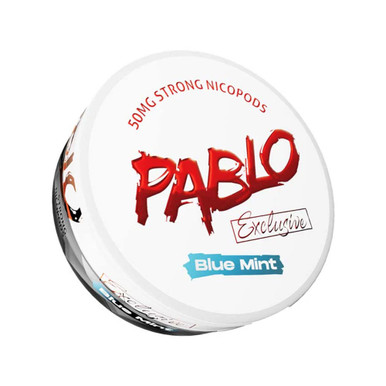
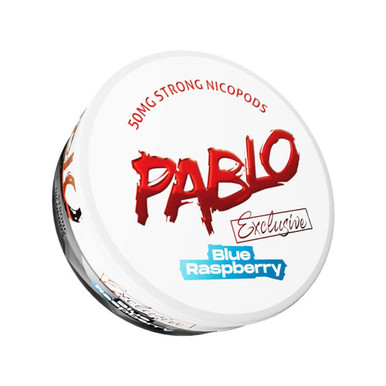
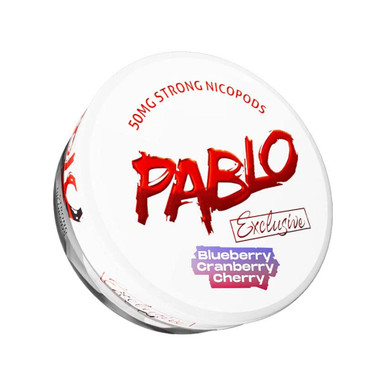
Staying inside the range and inside the price: Pablo Exclusive Blue Raspberry at £3.85 keeps the sharpness but moves it from citrus to a bright berry, and the Blueberry Cranberry Cherry can at the same price goes darker and stacks three fruits where this one runs a single light idea. Blueberry Peach Ice is the range's example of fruit with a cold layer over it, which is the element this can does not have, and the Blue Mint can is the full contrast — no fruit at all, same tin, same price. All of those are marked in stock as this was written.
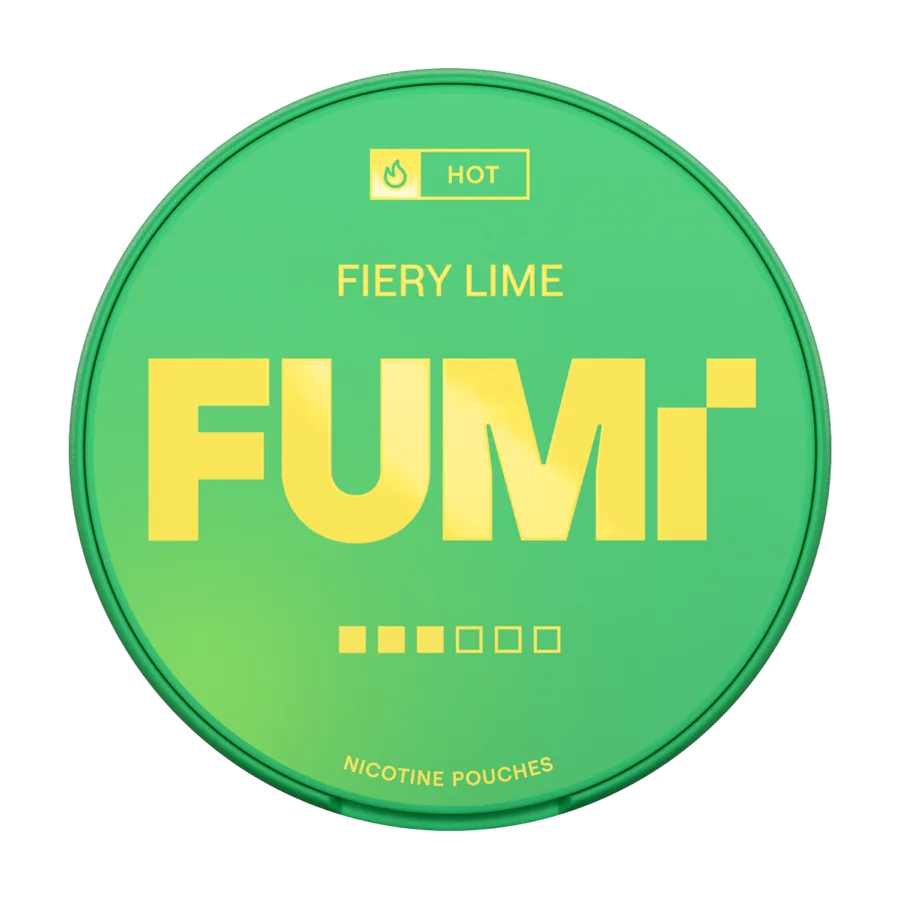
Outside the range, the useful comparisons are the other citrus listings. XQS Citrus Cooling at £39.90 is the same fruit family with the cooling element that this can lacks, which makes it the clearest illustration of what that layer does to a citrus flavour. Velo Lime Flame at £4.19 is the closest listing to this one on price outside the Pablo shelf and swaps lemon for lime with a warm note attached. Fumi Fiery Lime at £27.90 is a third reading of lime again.
For deliberate contrast rather than variation, Cuba Black Apple Juice at £39.90 moves from citrus to orchard fruit, Maggie Original Jamaican Cherry Tonic Wine at £39.90 is the most unusual flavour description on this part of the site and reads dark and bittersweet rather than bright, and Siberia Mini at £39.50 changes the format rather than the flavour family, since it is listed as a mini.
Keeping a can in good condition
Nothing about a tin of pouches is fragile, but three things shorten its life and all three are avoidable. Heat is the first: a dashboard in summer, or a car left standing in the sun, is a worse environment than anywhere indoors. Humidity is the second, which is why a bathroom shelf is a poor choice even though it feels like a sensible one. A lid that has not been pressed home is the third, and it is the one that costs people a tin.
Some people keep an opened can refrigerated on the basis that it holds the flavour longer. We have not tested that and we are not going to endorse or dismiss it. The manufacturer prints storage guidance on the packaging, and that guidance outranks anything written on a shop's web page, including this one.
Otherwise: keep the tin closed when it is not in use, keep it out of reach of children and pets, do not decant the contents into an unlabelled container, and put used pouches into general waste rather than leaving them on a surface.
What there is to choose between here
On this listing, very little, and it is more honest to say so than to pad the section. There is one declared strength, 50mg. There is one price, £3.85. Our record shows no can count and no multipack variant, so there is no pack-size decision available on this page.
The choice, in other words, is between this can and some other can rather than between two versions of this one. The strength shelves will sort the catalogue by declared figure if that is your axis, the flavour shelves will sort it by taste, and the brand pages will hold everything else constant while the flavour changes. What we will not do is tell you which of those to pick, or which figure on a lid to prefer, and the reason is set out in the strength section above.
Ordering, delivery and the age check
The listing is marked in stock as this page was written, and the listing page itself is the live position rather than this sentence. Checkout is ordinary: the price on the listing is the price you pay for the can.
Age verification is not a formality. We sell only to adults aged 18 or over, there is an age check at checkout, and ID may be requested on delivery. If it is requested and no adult at the address can produce it, the parcel does not get handed over. That is worth thinking about when choosing where an order goes — a delivery to a workplace reception or a neighbour is a delivery that may not complete.
Our standard returns policy applies, subject to the obvious point that an opened can of a consumable cannot be resold. There is no way to try a flavour without opening the tin, which is the difficulty in a sentence, and the practical answer most people arrive at is to treat a first can of anything new as a small experiment.
How to find this page again
Three shelves lead here. The 98-listing extra strong band is the coarsest of them, Pablo's shelf of 56 is the one to use if the maker is what you are browsing by, and the 25-listing citrus grouping is the most precise, because it is one of the smaller flavour shelves and you can see all of it quickly.
If none of those suits how you shop, everything we stock sits in one index. The flavour shelves tend to be the most useful entry point when you already know what you want a can to taste of, and the strength shelves when you are comparing declared figures across brands.
Questions people put to us about this can
Is this lemon or lemonade?
Lemonade, and the distinction matters. A lemon flavour is mostly peel and acid with little underneath it. This one carries the acid on a rounder, sweeter base, which is what makes it read as the drink rather than the fruit. If you want the sharper, less rounded citrus idea from another brand, the citrus shelf is where the comparisons are.
Is there a cooling element?
Not according to our data. The record holds a single flavour tag, citrus, with no mint or ice tag against it, and the product name does not contain the word ice. For a citrus can with the cooling layer present, the XQS citrus listing at £39.90 is the nearest example we stock.
How many pouches are in a can?
We do not hold that number. Our record has no portion count for this listing and we will not estimate. The figure is printed on the packaging, and the packaging is the authority for it. If you need it confirmed before ordering, ask us and we will look at a can rather than guess.
Does 50mg mean per pouch?
Our record stores the declared strength as the text 50mg and does not store what the figure is declared against. We are not going to fill that gap with an assumption on a nicotine product's page. The labelling on the can states it.
Which strength should I buy?
That is not a question we can answer. We know nothing about any individual customer, we are not qualified to advise, and a shop steering that choice on a product page would be overstepping. We publish the declared figures consistently so that you can compare listings; the choice itself is yours.
Why is a Pablo can £3.85 when other listings are £39.90?
Because the two numbers are not describing the same thing, and our record does not store what quantity each price covers. Comparing £3.85 against £39.90 as if both were a single can would be misleading, so we have not done it anywhere on this page. Read each listing for what it says it includes.
Can I buy a roll or a multipack of this?
Not on this listing. Our record shows a single configuration with no can count and no multipack variant. If that changes the listing page will reflect it first.
What is actually in the pouches?
We do not publish ingredient, composition or technical information for this or any nicotine product on the site. The manufacturer's labelling on the can carries it and is the authoritative source.
Can I travel with a can?
National rules on bringing nicotine products across borders vary widely, and some countries restrict or prohibit them. We do not hold a list of those rules and will not guess at one. Check the destination's published requirements and the carrier's before you travel.
What happens if I do not get on with the flavour?
An opened can cannot be resold, so a returns policy is not much help with a preference. The realistic answer is that the first can of an unfamiliar flavour is an experiment, and at £3.85 it is a smaller experiment than most on our shelves.
Do you have customer opinions or scores on this can?
No. We do not run a scoring system on this site and we will not write testimonials, so nothing on this page is presented as anybody else's verdict. Everything above is either a fact from our own product record, a description of the object written by people who stock it, or a comparison with other listings we hold. If a sentence sounds like a consensus, it is not one, and we have tried to write so that it does not.
Do you know when out-of-stock items come back?
Usually not with any precision, and we would rather say so than give a date we cannot keep. Where a listing such as the Iceberg citrus can is marked unavailable, the listing page is the place that will change first when that changes.
The wording we are required to carry
Nicotine is an addictive substance.
Pablo Exclusive Lemonade Nicotine Pouches are sold only to adults aged 18 or over who already use nicotine. An age check runs at checkout, we do not sell to anyone under 18, and ID may be requested on delivery; where it is requested and no adult at the address can produce it, the parcel will not be handed over.
This product is not a licensed stop-smoking medicine and carries no authorisation of that kind. It is not intended for non-smokers, for anyone who does not already use nicotine, for anyone under 18, or for anyone who is pregnant or breastfeeding. Nothing on this page is medical advice, and nothing on it should be taken as a suggestion that anyone begin using nicotine or pick any particular strength.
Keep the can closed and out of reach of children and pets, and put used pouches in general waste. Every product fact on this page — brand, name, price, declared strength, flavour tag, stock status — comes from our own record for this listing. Where that record holds nothing, we have said so rather than estimating, and the manufacturer's labelling on the can is the authority for anything printed on the packaging.
In short
Pablo Exclusive Lemonade is a bright, rounded citrus can with no declared cooling element, listed at £3.85 in a single declared strength of 50mg and in stock as this was written. It sits in the extra strong band, on the Pablo shelf with 55 other listings at the same price, and in the citrus grouping with 24 others. The closest comparisons we stock are the Killa lemonade can at £33.50 for the same flavour idea from another maker and the Orange can at £3.85 for the same idea one fruit along. Everything we know about this listing is above, and everything we do not know, we have said we do not know.
More from Pablo
More extra strong pouches
More citrus pouches
Where this sits
Pablo Exclusive Lemonade Nicotine Pouches appears in these categories. Browse them, or jump to something close.
You might also like