Home / All Pouches / Extra Strong
Extra Strong
This shelf holds 98 listings, of which 56 can be ordered today. A listing sits here because of the milligram figure the manufacturer declares on the can, and for no other reason. The declared figures actually recorded against listings filed here run from 16mg to 60mg — a span far wider than the heading suggests, and the single most important thing on this page.
This shelf is not an achievement, a tier or a destination, and nothing on this site is a step towards it. We cannot advise which figure suits you: we do not know what you already use, and the can you already buy is the only reference point that would give any of these numbers meaning. It is precisely the thing we cannot see from here.
Energy PouchesLow StrengthMedium StrengthStrongExtra StrongPabloCubaIcebergKilla77ZYNVeloFumiNordic SpiritXQSRushDenssiUBBSSYXClewMaggiePouch NurdzElf BarWhite FoxKlintSiberiaEdgeMintBerryTropicalCitrusWatermelonCherryStrawberryColaMangoGrapeSweetEnergyCoffee

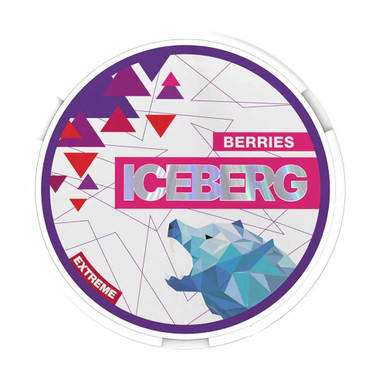

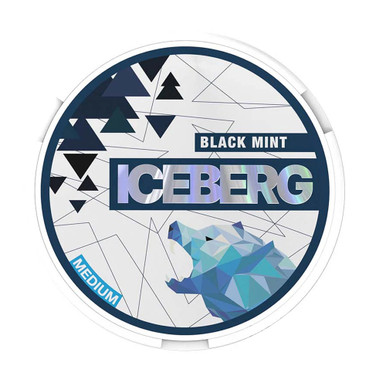

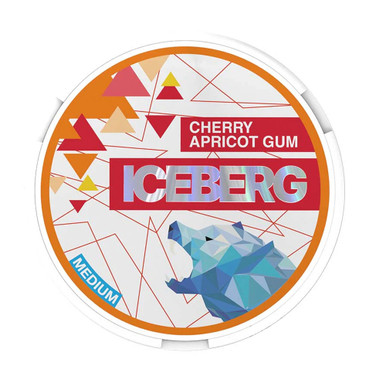

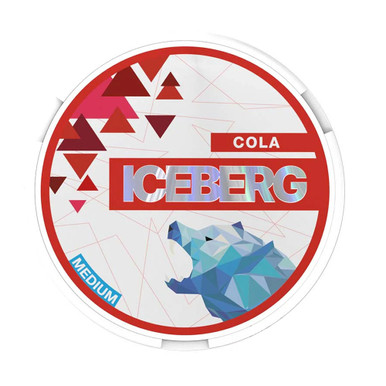

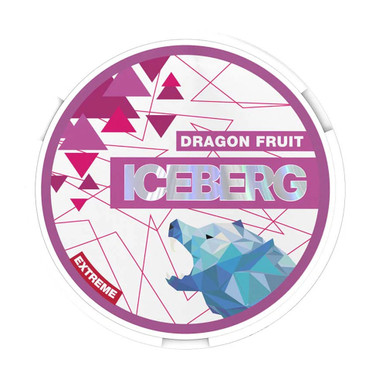
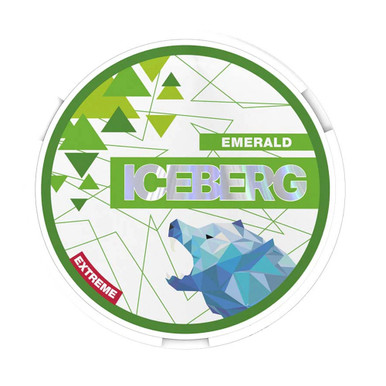


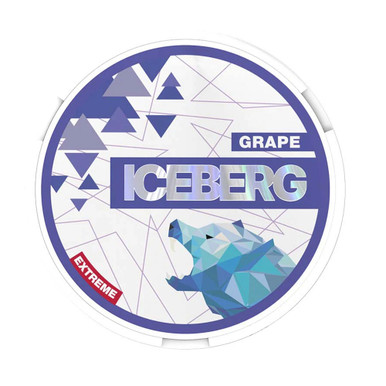






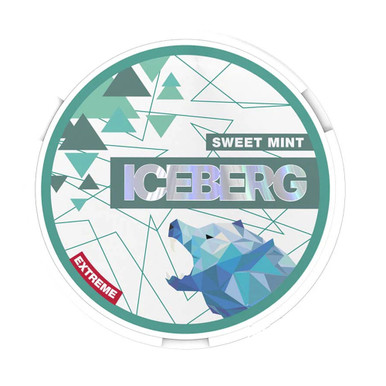
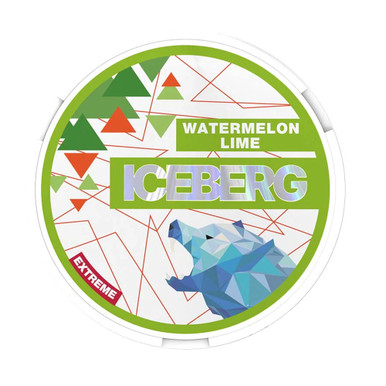
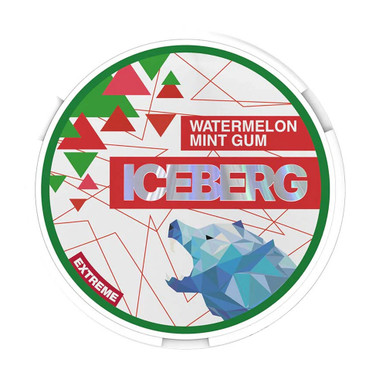
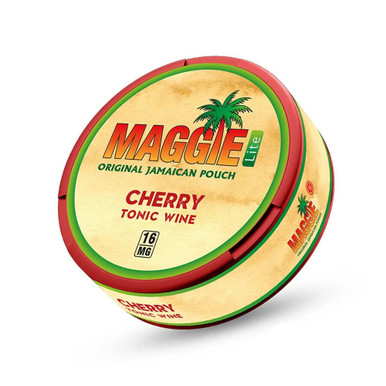

Related categories
Other ways into the range.
What this shelf is, and the thing it is emphatically not
Every listing in the catalogue carries a declared nicotine strength in milligrams per pouch, taken from the manufacturer's own labelling. We sort listings into four strength shelves using that figure and nothing else, so that the catalogue can be filtered. This shelf collects the listings whose declared figure sits at the upper end of what the labels record.
That is all it is. It is worth saying at length what it is not, because this is the page on the site where the wrong impression forms most easily and does the most damage. These four shelves are not levels. They are not tiers, not a progression, not a difficulty curve and not a set of stages. This shelf is not the end of a road, not an upgrade on the others, and not somewhere anyone is expected to arrive. A listing filed here is not better, not more serious and not more advanced than a listing on the Low Strength shelf; it is a listing whose label carries a different number, which is a fact about a label and nothing else.
We will not suggest that anyone move between bands, in either direction, and we will not tell you which figure is right for you. That is not modesty. We cannot see what you use now, how often you use it, or what you used before, and those are the only facts that would make one declared figure meaningful beside another. The can you already buy carries its own figure on its own label. Holding that number up against the number on a product page here is a comparison of two labels, which you can make and we cannot. Anything we added would be guesswork about a stranger, and guesswork about strength is not something a shop should be selling.
The shelf in numbers
| What we can count | On this shelf |
|---|---|
| Listings filed here | 98 |
| Orderable right now | 56 |
| Currently unavailable | 42 |
| Declared strengths recorded | 16mg – 60mg |
| Price range | £3.85 – £39.90 |
| Brands represented | 5 (Cuba, Iceberg, Maggie, Pablo, Siberia) |
| Flavour tags in use | 12 |
| Listings carrying no flavour tag | 21 |
| Listings with no can count recorded | 75 |
Two rows here are unusual for the site. Five brands carry 98 listings, which is by far the narrowest brand spread relative to shelf size anywhere in the catalogue — a shopper who has ruled out those five names has effectively ruled out the whole shelf. And 21 listings carry no flavour tag at all, the highest count we have; those listings appear in the grid on this page but in no flavour filter, so filtering is quietly hiding a fifth of the shelf from you.
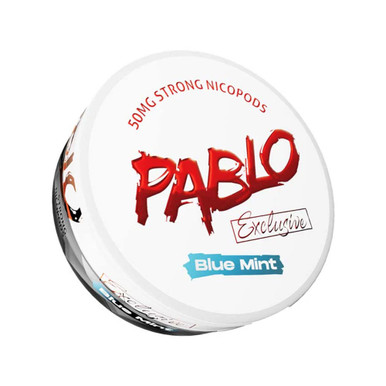
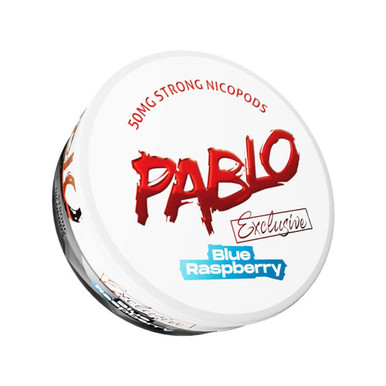
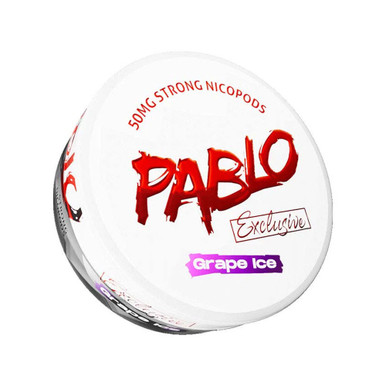
The price row rewards a second look as well, because it contradicts the intuition the heading creates. The cheapest listings in the entire catalogue sit on this shelf: the Pablo Exclusive Banana Ice, Blue Mint and Blue Raspberry listings are all £3.85, while a great many listings here are £39.90. Price does not track the declared figure, on this shelf or any other. It tracks how much product a listing covers — and for 75 of these 98 listings we do not hold a can count at all, so for three listings in four we cannot work out a price per can and will not pretend to.
Reading the shelf: what the 98 have in common
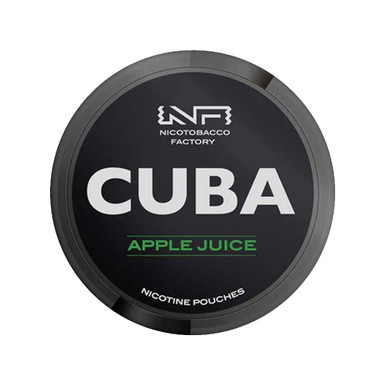
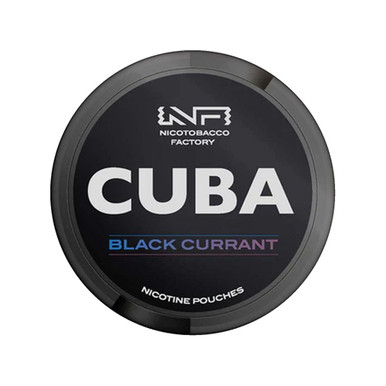
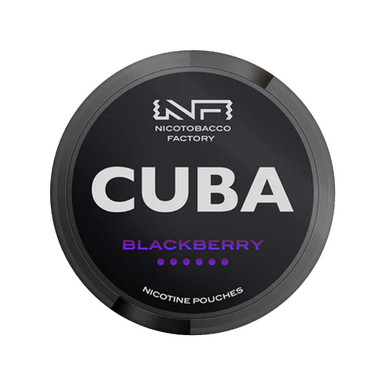
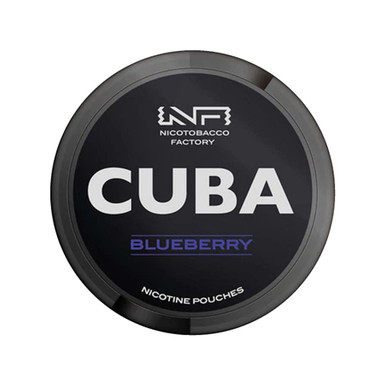
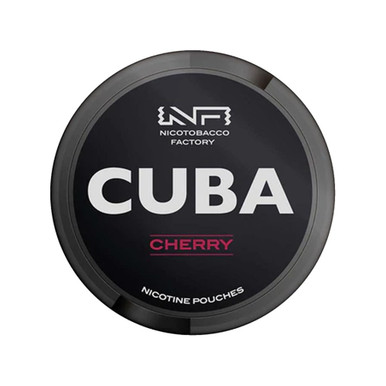
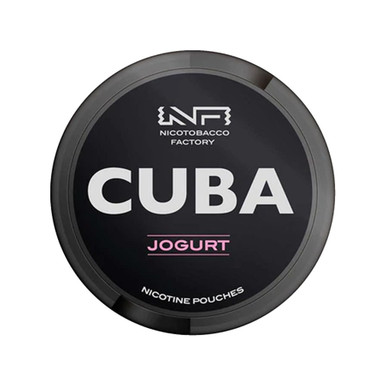
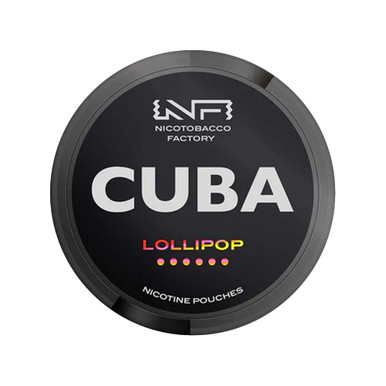
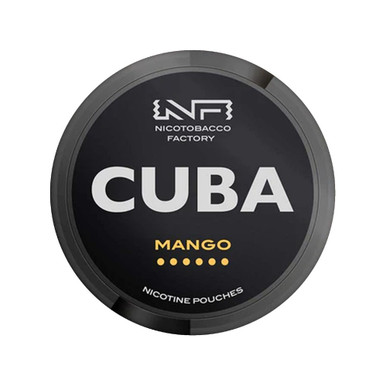
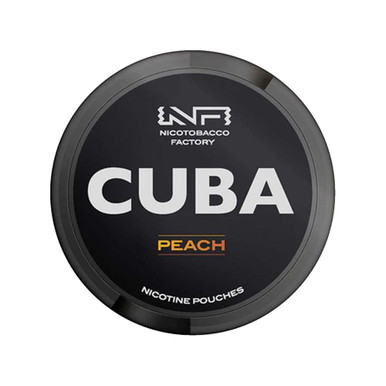
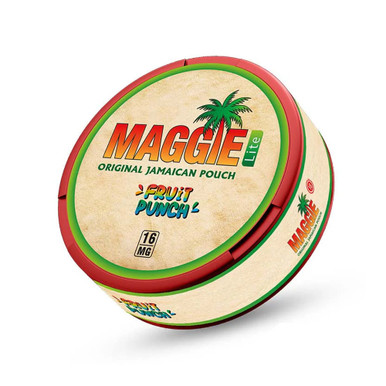
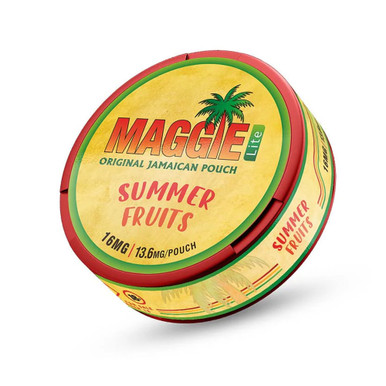
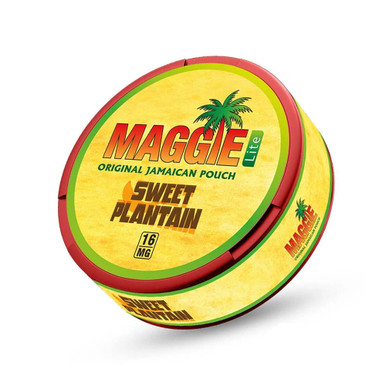
The first and most consequential thing is brand concentration. Five brands is a short list, and the effect on browsing is immediate: the grid reads as a small number of long runs rather than a varied mix. Cuba, with 47 listings across the site, contributes a substantial block of them through its Black line, covering Cuba Black Cherry, Cuba Black Grape, Cuba Black Watermelon, Cuba Black Blueberry and a dozen more in the same pattern. Maggie contributes a similarly uniform run under its Original Jamaican naming. Pablo, at 56 listings site-wide, and Iceberg, at 40, file here as well as elsewhere, and Siberia completes the five.
The second shared feature is price clustering. Most of what is here sits at £39.90, with the Pablo Exclusive listings at the opposite extreme and very little in between. That flattens the field shoppers instinctively use to separate similar products, and it is the reason the section below on near-identical listings exists.
The third is naming style. Nearly everything here arrives under a sub-range name — Black, Exclusive, Original Jamaican — rather than under a bare brand name. Those words are house vocabulary. They are not a scale and they do not carry a defined meaning outside the brand that uses them.
Where the 98 diverge
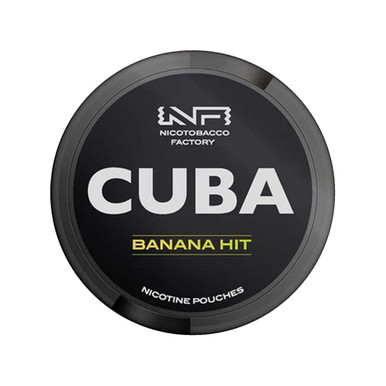
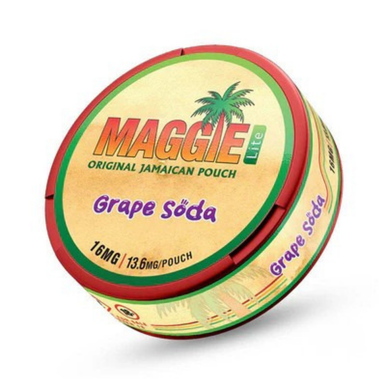
Mostly in flavour, and our tagging struggles to keep up. Twelve tags cover 98 listings, and a good number of the cans are named for things the tag list has no word for. There is no banana tag, so Cuba Black Banana Hit has to sit under whichever of the twelve comes nearest. There is no coconut tag, no plantain tag and no liquorice tag either. Maggie Original Jamaican Sweet Plantain ends up under the broad sweet tag alongside Grape Soda, which tells you the two are both sweet-tagged and nothing more useful than that.
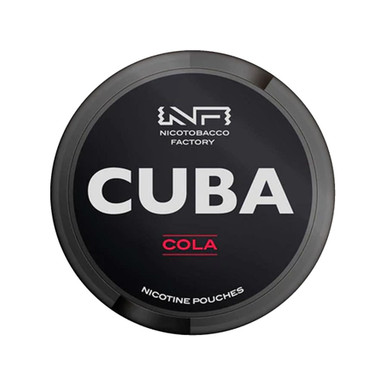
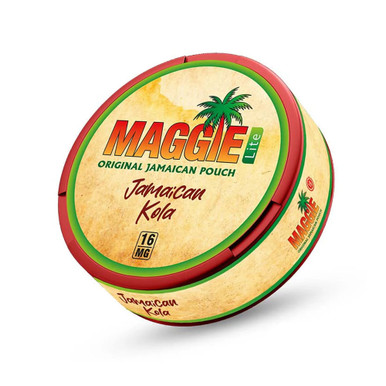
There is a spelling trap worth knowing about too. Maggie Original Jamaican Kola spells it with a K on the lid, while our tag is spelled cola. If you search the word as the can spells it you may miss the tag entirely, and if you filter on the tag you are relying on us having matched the two spellings up correctly. We mention it because it is the sort of small mismatch that makes a shopper conclude we do not stock something we do stock.
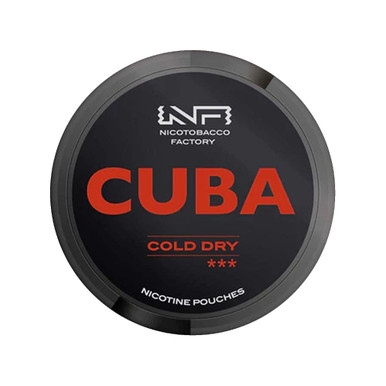
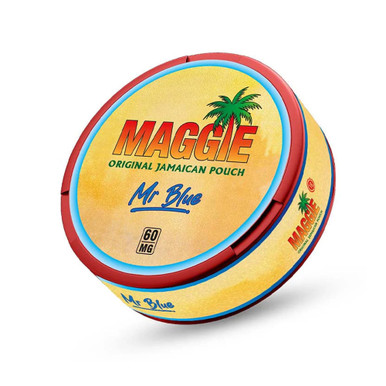
Some of these listings are named for a character rather than a flavour at all. Cuba Black Cold Dry and Cuba Black Double Fresh describe the can in the brand's own terms, and Maggie Original Jamaican Mr Blue names a colour. Cans like those are the likeliest residents of the 21-listing untagged group, and the only reliable way to find them is to scroll the grid rather than filter it.
Why the heading on this shelf is the least reliable on the site
The recorded span here starts at 16mg. The Strong shelf records declared figures running up to 30mg. Those two ranges overlap across a wide stretch, which means a listing filed here can carry a declared figure lower than one filed on the shelf next door. That is not a mistake we are apologising for; it is what happens when a single listing can cover more than one can while our shelf assignment is one decision per listing.
The consequence is worth stating in the dullest possible words, because it is the most useful sentence on the page. The figure on the product page is more reliable than the shelf heading, and the figure on the can in your hand is more reliable than both. Read the page before you buy and read the lid when it arrives. If the two disagree, the lid is the label and the label is what counts.
It also means the four headings cannot be read as a sequence. The Medium Strength shelf records figures from 1.5mg upwards, this one from 16mg, the Strong shelf from 4mg — the bands interleave rather than stacking. Anyone reading our four names as rungs is reading a structure the data does not support and we did not intend.
Sub-range names, and what they do not tell you
"Black", "Exclusive", "Original" and the rest are naming, not measurement. Nothing defines them. There is no standard that says what a brand's Black line must declare, no threshold for calling something Exclusive, and no register governing "Extra Strong", "Pro", "Max", "Extreme", "Light" or "Gentle" on any lid in this catalogue. Two brands using the same adjective are not describing the same number, and a plainly named can can declare more than a dramatically named one.
Our filing and the lids therefore disagree often, and openly. There are listings elsewhere in the catalogue whose manufacturer naming includes the words "extra strong" and which are nevertheless filed on the Strong shelf, because the declared figure put them there rather than the name. Meanwhile listings here arrive under names that say nothing dramatic at all. Neither case is an error. They are two vocabularies that happen to reuse the same handful of words, and only one of them is anchored to a number.
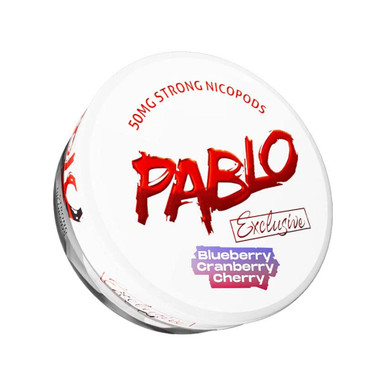
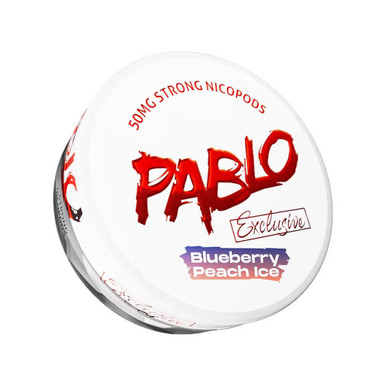
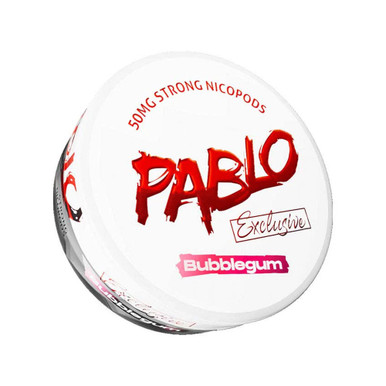
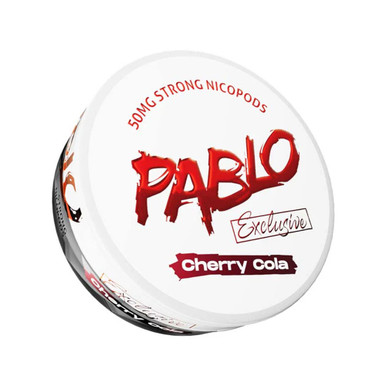
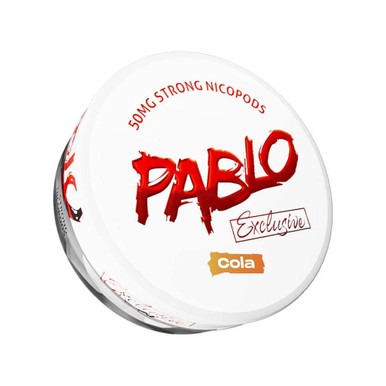
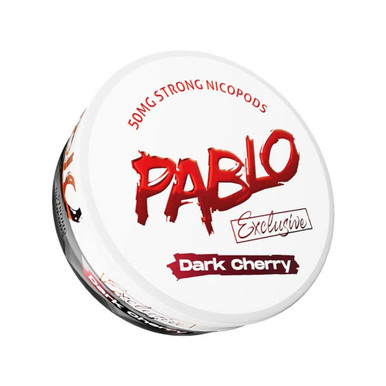
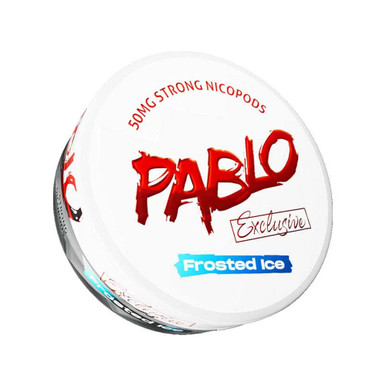
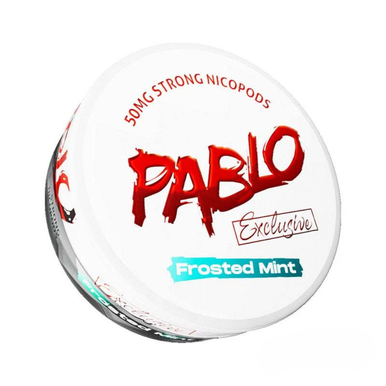
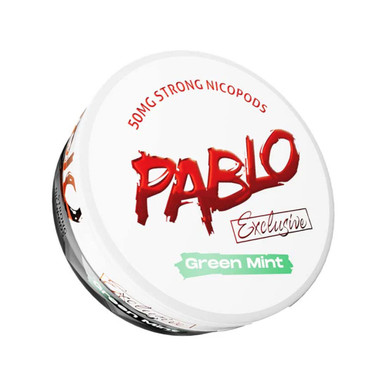
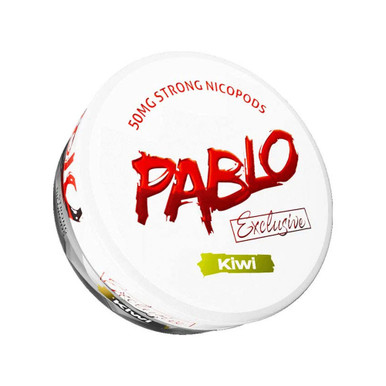
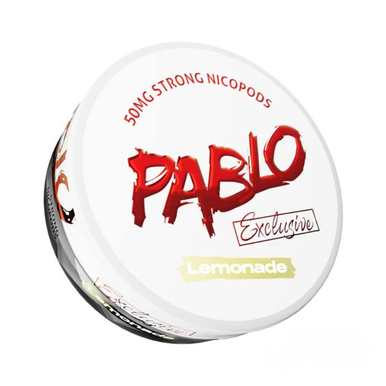
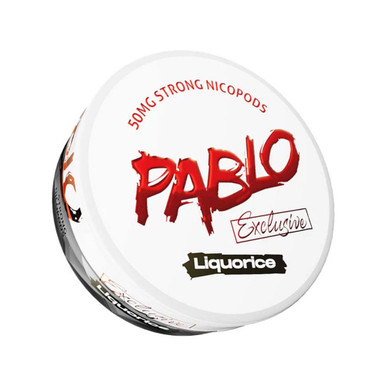
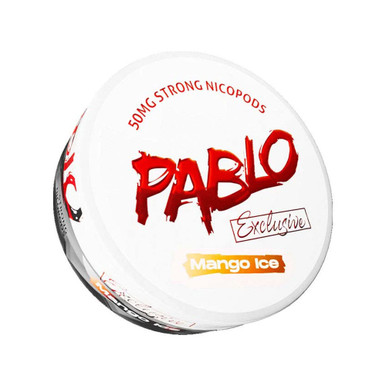
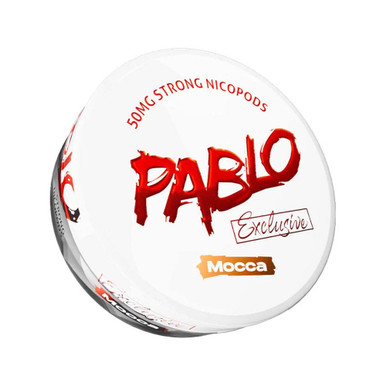
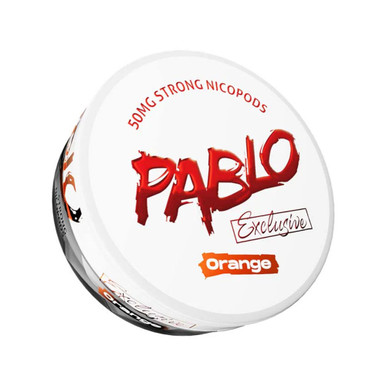
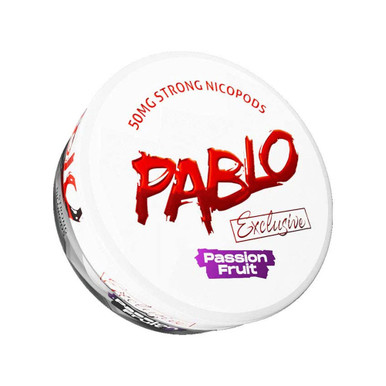
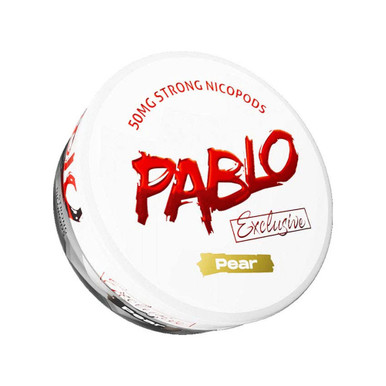
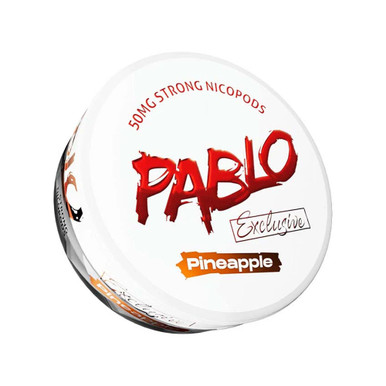
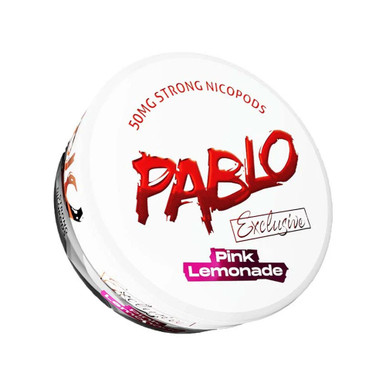
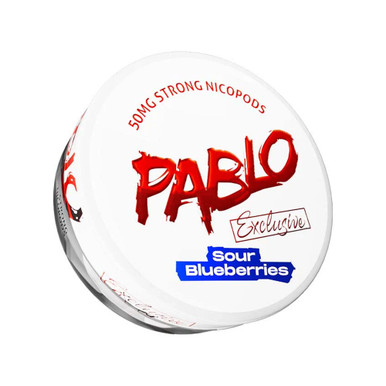
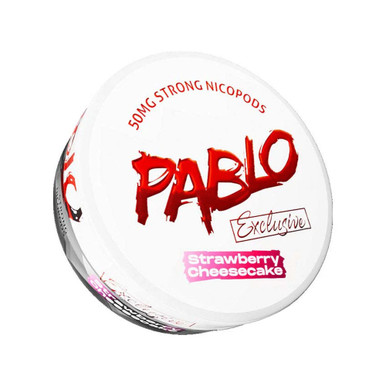
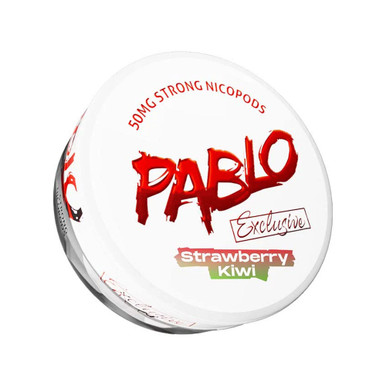
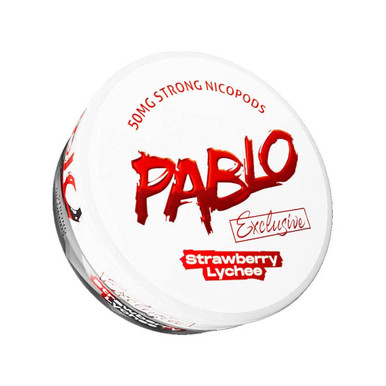
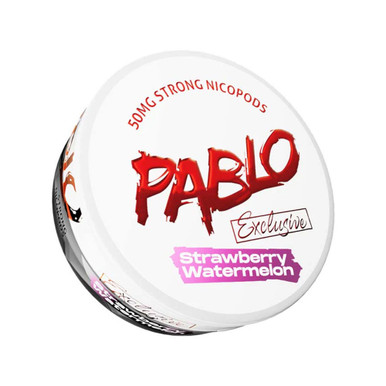
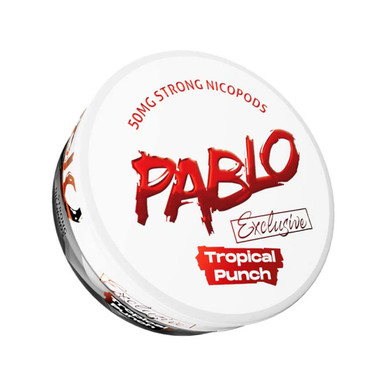
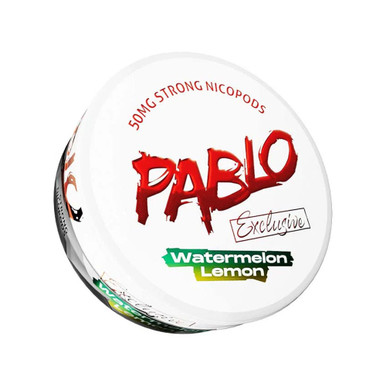
The word "Exclusive" on the three Pablo listings is the cleanest illustration on this shelf. It is a line name. It says nothing about a figure, nothing about quantity and nothing about anything else you could compare — and those three listings are simultaneously the cheapest things in the catalogue at £3.85. The adjective and the price are both telling you about the listing, not about the pouch.
Separating listings the catalogue barely separates
With five brands, long uniform runs and most of the shelf at one price, this is a grid that resists being narrowed. Here is the order we would work in, and the point at which we stop and admit there is nothing further.
- Stock first. Forty-two of the 98 listings cannot be ordered. Removing them takes the shelf down by well over a third before you have spent any thought on the rest.
- Brand, then sub-range. With only five brands present, this is the biggest single cut available. Choosing between a Cuba Black run, a Maggie Original Jamaican run and a Pablo Exclusive run shortens the list more than any flavour decision will.
- Flavour family rather than flavour tag. Fruit or not-fruit splits the shelf usefully. Deciding which fruit is where our twelve tags stop helping, because several cans are named for things no tag covers.
- The declared figure on the product page. The recorded span here is 16mg to 60mg, which is an enormous range to sit under one heading. Two listings on this shelf are very often not carrying the same number at all, and only the product page will tell you.
- Can count, where it exists. For 75 listings it does not, and where the figure is missing we leave the field blank rather than estimating.
- Price, read as price per can and not as a headline. £3.85 and £39.90 are usually not two prices for the same kind of object.
When none of that works
Sometimes two listings share a brand, a sub-range, a price, a shelf and a tag, and the catalogue has simply run out of ways to distinguish them. When that happens we will say so rather than inventing a tie-breaker. There is no house favourite here, no note about what people tend to pick, and no description of one can as the better buy, because all three would be fabrications.
The practical escape is to change axis. The mint shelf carries 148 listings, berry 76 and tropical 58, all of them drawing from every strength band rather than this one alone. The other strength pages are worth a look purely for comparison, since the 132 listings we file as Strong and the 135 we file as Medium both carry far more brands between them than the five here. If a flavour matters more to you than a number — and on a shelf this uniform it very often will — starting there and reading the declared figures afterwards is the faster route to a shortlist.
Stock: 42 listings of 98 cannot be ordered
That is over four in ten, and we would rather lead with it than let you find out at the basket. Unavailable listings keep their pages, because a page still describes a real product even when it cannot be bought, but they are flagged throughout and nothing here should be read as suggesting otherwise.
We hold no restock dates and will not publish a guess as though it were information. If something you want is unavailable, the honest options are to check back, to look at what the same brand files on another strength shelf, or to widen out into the full catalogue in a single grid. If you would like to understand the format itself before going further, our plain description of what a pouch is does that without selling you anything.
Ordering, delivery and the age check
Everything on this shelf goes through the same checkout as the rest of the site. Age verification happens at checkout, and the courier may ask for identification when the parcel is handed over. If nobody able to show ID is there to receive it, the parcel is not left, and that is not something we can waive by request.
A listing price covers whatever that listing covers, which varies widely here and is unrecorded for most of the shelf. Stock figures on this page were correct when the page was built and move independently of it, adding an item to a basket does not reserve it, and an item showing as unavailable cannot be added at all. If you want to compare what is here against the rest of the catalogue in one place, every listing we hold is there in one grid.
The notice we are required to give
Everything on this shelf is sold only to adults aged 18 or over who already use nicotine. Nicotine is an addictive substance. It is not a licensed stop-smoking medicine and is not offered, described or intended as one. These products are not intended for non-smokers, for anyone who does not already use nicotine, for under-18s, or for anyone pregnant or breastfeeding. Proof of age may be requested at checkout and ID may be requested again on delivery.
Frequently asked questions
What puts a listing on the Extra Strong shelf?
The declared milligram figure per pouch, taken from the manufacturer's labelling, and nothing else. We sort every listing in the catalogue into one of four strength shelves on that number so the site can be filtered. It is an internal filing decision and it carries no judgement about the product, no view on who should buy it, and no relationship to how any other retailer uses the same words. The figure itself is shown on every product page.
Why does the recorded range start at 16mg?
Because a single listing can cover more than one can, while our shelf assignment is one decision per listing. The declared figures attached to listings here therefore span 16mg to 60mg, and the lower end of that overlaps the range recorded on the Strong shelf. We publish the real span instead of a tidy one. The rule that follows is simple and dull: trust the figure on the product page over the heading, and the figure on the can over both.
Is this shelf something to work up to?
No. These shelves are bands we sort listings into, not levels, stages or milestones, and nothing on this site is a step towards anything. There is no destination at the end of the four headings, a listing here is not an upgrade on a listing anywhere else, and we will not suggest that anyone move between bands in either direction. The recorded ranges even overlap, so the headings cannot be read as a sequence in the first place.
Which strength should I buy?
We cannot tell you, and we would rather say so than improvise something that sounds helpful. We do not know what you already use, how often you use it, or what you used before, and those are the only facts that would make one declared figure meaningful beside another. The can you already buy carries its figure on its own label. Comparing that number with the number on the listing in front of you is the only honest comparison available, and it is yours to make.
Do the words on the lid tell me anything about the figure?
No. Sub-range names such as Black, Exclusive and Original, and adjectives like Extra Strong, Pro, Max, Extreme, Light or Gentle, are manufacturer naming with nothing defining them. No standard sets a threshold for any of them, two brands using the same word are not describing the same number, and a plainly named can can declare more than a dramatic one. That is exactly why our filing and the lids disagree so often. Read the milligram figure.
Why are the cheapest listings on the site on this shelf?
Because price tracks how much product a listing covers, not the declared figure. The three Pablo Exclusive listings are £3.85 each, which is the lowest price anywhere in the catalogue, while much of the rest of this shelf sits at £39.90. Neither figure says anything about the pouches. For 75 of the 98 listings here we hold no can count, so a price-per-can comparison is not available to us for most of the shelf and we will not estimate one.
Why do so few brands appear here?
Five brands carry all 98 listings, which is the narrowest brand spread relative to size anywhere on the site. It is a consequence of which manufacturers declare figures in this part of the range, nothing more. The practical effect is that the grid reads as a handful of long, uniform runs rather than a varied mix, and a shopper who has ruled out those five names has effectively ruled out the shelf. The brand shelves are the better route in that case.
Why can I not find some of these cans through the flavour filters?
Twenty-one listings here carry no flavour tag at all — the highest count on the site. They appear in the grid on this page but in no filtered view, so filtering silently hides about a fifth of the shelf. It happens when a can is named for something our tag list has no word for: there is no banana tag, no coconut tag and no plantain tag. That is a limitation of our tagging rather than a gap in what we stock.
The can says Kola and your tag says cola. Which is right?
Both, in their own vocabularies. The Maggie listing spells it with a K on the lid, and our flavour tag is spelled with a C. If you search the spelling the can uses you may miss the tag, and if you filter on the tag you are trusting us to have matched the two spellings correctly. We flag it because small mismatches like this are the usual reason a shopper concludes we do not stock something that we do.
How many of these listings can I order today?
Fifty-six of the 98, with 42 unavailable — over four in ten. Unavailable listings keep their pages because a page still describes a real product, but they are flagged and cannot be added to a basket. We hold no restock dates and will not publish an estimate as though it were one. Stock figures on this page were correct when it was built and change independently of it, so check the product page before relying on them.
How many pouches are in a can?
It varies by brand and we do not hold the figure for most of this shelf. Where a can count is recorded it appears on the product page. For 75 of the 98 listings here there is no count at all, and rather than fill that gap with a convincing-looking number we leave it blank. If quantity matters to your decision, the can itself states it, and it is worth checking before weighing one listing price against another.