Home / Extra Strong / Cuba Black Lollipop Nicotine Pouches
Cuba · 43mg
Read the full guide
Cuba Black Lollipop Nicotine Pouches
£39.90
✔ In stock — ready to ship
100% tobacco-free
Free over £20
Same-day dispatch
Secure checkout
This page is the listing for Cuba Black Lollipop Nicotine Pouches. The price is £39.90, the declared strength is 43mg, the brand is Cuba, the range is Black, and at the time of writing we show it as in stock. That short list is the entirety of what our product record holds for this can. Everything below is built out of those facts, out of a description of the physical object you would be handed across a counter, or out of a comparison with other cans already sitting on our shelves. Where our data is blank, this page says it is blank rather than filling the space with a guess.
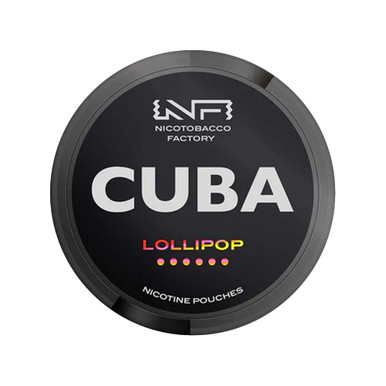
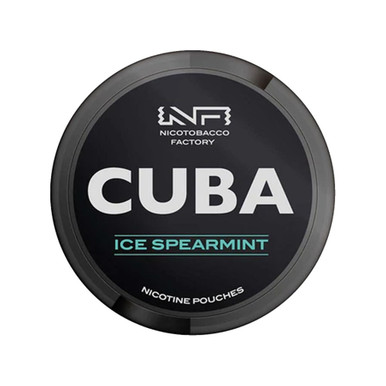
The object itself is the standard pouch tin — a shallow plastic cylinder, a couple of inches across, with a lid that lifts clear and presses back down onto the body. It closes inside a fist. The lid is printed with the brand and with the flavour name, and the strength figure is placed so that you can read it without opening anything, which turns out to matter if you keep more than one can about the house. Lids are the only part of a can you see when they are stacked, and telling two of them apart at a glance is most of the reason the printing is laid out the way it is.
The full guide to Cuba Black Lollipop Nicotine Pouches
4,930 words on how it eats, who it suits, how to serve it and what to put beside it.
A can of Cuba Black Lollipop, and what the listing actually holds
Under the lid, the pouches sit flat in a ring around the inside of the tin. Every pouch in a given can is identical to every other one in it, so the first one out tells you what the rest are like. We do not publish a pouch count for this listing, because our record does not carry one; the printed can is where that number lives. The same applies to the net weight, the pouch dimensions and the manufacturer's own usage wording. If it is not in the fact set we hold, it does not go on this page.
One piece of housekeeping before the rest. This is an age-restricted nicotine product for adults who already use nicotine, and the full compliance wording sits in its own section near the foot of the page. It is not decoration and it is worth reading once.
Lollipop is a flavour name — it is not a shape, a stick or a format
The first thing to clear up, because it is asked often enough to be worth putting high on the page, is that Lollipop here is the name of a flavour and nothing else. There is no stick. There is no boiled sweet in the tin. What is in the tin is a set of pouches, exactly as in every other can on this site, and the word on the lid is the manufacturer's label for the taste they have put in them. A can of Cuba Black Lollipop behaves like a can of pouches because that is what it is.
Now the taste, described as a taste and an aroma and nothing more. Confection flavour names tend to point at a category rather than a single fruit, and this one is no exception. What you get is a rounded, sugary sweetness of the kind you recognise from boiled confectionery — broad rather than specific, with a generalised fruit character sitting inside it rather than one identifiable fruit standing out in front. It reads as sweet first and fruity second. There is very little tartness in it and almost no sourness; the sharp edge that a citrus or a berry flavouring brings is not really present here, and the profile is smoother and flatter as a result.
The aroma off an opened can follows the same line. Take the lid off and what comes up is a confectionery smell rather than a fruit-bowl one — closer to the inside of a sweet jar than to anything picked. It is a distinctly artificial register, and that is not a criticism: confection flavours are supposed to taste of confectionery rather than of the raw ingredient, and this one is honest about what it is doing. People who like sweet-shop flavour names generally like this; people who prefer a flavouring that aims at a real fruit tend to find it too broad and go elsewhere.
Here is the honest gap in our information, and it is a real one. Our flavour classification for this product is empty. Most cans in our catalogue carry at least one flavour tag — mango, berry, tropical, mint — and that tag is what puts them on a flavour shelf. Cuba Black Lollipop has no tag at all in our data. We are not going to invent one by deciding for ourselves which fruit the manufacturer had in mind, because that would be a statement about the product that we cannot stand behind. The name on the lid is the only flavour statement anyone has made about this can, and the can is the authority on it.
That blank field has a practical consequence for browsing, which is covered further down: there is no flavour category page that carries this listing, so if you navigate by flavour you will not meet it. Brand and strength are the two routes that do reach it.
43mg on the lid: what the number is, and what it is not
The declared strength on this listing is 43mg, and that is the only figure attached to it. This section exists to explain what that figure is as a piece of printed information. It is not here to help anyone choose, and nothing in it should be read as a suggestion about which number any particular person ought to be looking at.
One figure means there is no ladder inside this listing
Plenty of pouch products are listed with two, three or four declared strengths under a single name, and on those pages there is an internal comparison to be made — the same flavour, the same can, a different printed number. This listing is not one of those. Our variant table for Cuba Black Lollipop has exactly one row in it: 43mg at £39.90. There is no lower option on this page and no higher one. If you are on this page, the strength question has already been answered by the product itself, and the only decision left is whether you want this can or a different one.
That simplifies the page and it also limits what we can usefully say. We cannot tell you how 43mg compares to whatever you last had, because we do not know what you last had, and we would not be in a position to advise even if we did.
What the figure actually describes
The milligram figure is the nicotine content the manufacturer declares for each pouch. It is printed on the packaging by them, it is reproduced by us exactly as they give it, and we do not adjust, round or reinterpret it. Read literally, it is a label value: a number on a tin. Forty-three is a larger printed number than thirty and a smaller printed number than fifty, and that arithmetic is genuinely the extent of what a number on its own can tell you. It says nothing about how a pouch will seem to any individual, and we make no statement in that direction.
The shelves are a filing system, not a ranking
We sort the catalogue into declared-strength bands so that someone who already knows the figure they are after can filter to it without scrolling. This can lives on our Extra Strong shelf, alongside ninety-seven other listings at the time of writing. We also run a Medium Strength shelf and a Strong shelf for the bands below it. Those three pages exist to make a large catalogue searchable. They are not steps, they are not a progression, and moving between them is not a journey we are inviting anyone to take. They are drawers in a filing cabinet with the labels facing out.
Why two cans showing the same number are not interchangeable
This is the caution that matters most when people compare across the catalogue. Different manufacturers arrive at their declared figures in different ways and against different pouch formats, so a 43mg can from one brand and a 43mg can from another are not automatically equivalent to each other in anything except the printed digits. We publish what each manufacturer publishes. We do not convert between them, we do not normalise them onto a common scale, and we do not hold the underlying technical detail that would let anyone do that honestly. When you want to know about a specific can's figure, that can's own page and its own printed label are the places to look — not a comparison drawn on this page.
Out of the can and into use: the practical side of the format
The second substantial thread on this page is the format itself, treated as a piece of everyday practical business rather than anything more interesting than that. A nicotine pouch is a small sealed pouch placed in the mouth, tucked between lip and gum, and left there. It is not chewed, it is not bitten through, and it does not go down. That is true of every product we list, Cuba Black Lollipop included, and none of what follows is specific to this flavour.
Portion size, and what we do not hold
Our record for this listing does not carry a format designation, so we are not going to tell you whether these are slim pouches, regular ones, or something between the two. Manufacturers use those words inconsistently anyway, and a term that means one thing on one brand's can can mean something slightly different on another's. The can in front of you will state the format if the maker has chosen to state it. What we can say without hedging is that the pouches inside a single tin are uniform, so there is no sorting through for a particular one.
Where it goes and what keeps it there
The usual position is at the front of the mouth, up under the top lip, with the lip itself holding the pouch in place against the gum line. Some people prefer the bottom lip; both work and neither is more correct. Once placed, a pouch stays where it is put unless it is deliberately moved, and it can be shifted from one side to the other if the spot it is in becomes uncomfortable. If it is uncomfortable everywhere, taking it out is the obvious response — there is no reason to persevere with something that is not sitting well, and comfort is individual enough that nobody else's experience predicts yours.
How long people keep one in
The honest answer is that the spread is far too wide for an average to be meaningful. Some people take a pouch out after five minutes. Others leave one in for the best part of an hour. The most common reason given for removing one is simply that the flavour has finished: confection flavours like this one tend to give most of their sweetness early and then fade, in the way that flavour fades out of chewing gum, gradually and then completely. Once the taste has gone the pouch is doing nothing that it was not doing five minutes earlier, and most people bin it at that point. We do not set a duration, we do not publish a recommended one, and any wording the manufacturer prints on the can is the wording to go by.
The lid has a second job
Look at the underside of the lid and you will find a shallow compartment above the main body of the tin, separated from the fresh pouches below. That is the catch compartment, and used pouches go into it. There is nothing clever about the design; it is simply a place to put something that has nowhere else to go when there is no bin within reach, which is preferable to carrying a used pouch loose in a pocket. It does fill up. Our unglamorous advice is to clear it out earlier than feels necessary, because a compartment left until it is crammed stops the lid seating properly, and a lid that does not seat properly is the start of a can drying out.
Finishing with one
Used pouches belong in general waste — a bin, not a basin, not a lavatory, and not out of a car window. The tin is plastic and can go into household recycling to whatever degree your local authority accepts that grade of plastic, which differs from council to council and is not a question we can answer for any particular postcode. Check your own collection rules; they are the only ones that apply to you.
Where this can sits among the Cuba listings we carry
We hold forty-seven Cuba listings in total, and the Cuba brand page is where they are collected. Within that, the Black range is the set this can belongs to, and the Black cans on our own sibling list all carry the same £39.90 price as this one. That consistency is worth knowing because it takes price out of the comparison entirely: choosing between two Cuba Black cans is a question about flavour and nothing else, since the figure at the bottom of the basket does not move.
One point on the brand name, since it comes up. Cuba is a brand name chosen by a manufacturer. It is not a statement about where anything is produced, and we do not hold origin information for this or any other listing, so we are not going to imply one. The same goes for the word Black: it is the name of a range within the brand, and we describe it as a range name because that is all we can honestly say about it. Whatever the maker intends the word to signal, the printed can is the only document that speaks for them.
What people keep in the drawer alongside it
Repeat orders rarely consist of the same can over and over. The commoner pattern is two or three cans bought together and reached for according to which one appeals at the time, because a flavour you have had continuously for a fortnight stops registering the way it did on the first day. What follows is a set of neighbours, described only by flavour, brand and price, all of which come from our own catalogue data.
Staying inside Cuba Black at the same price
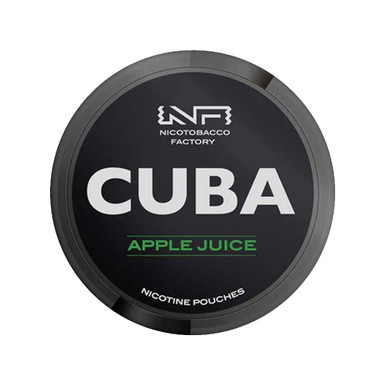
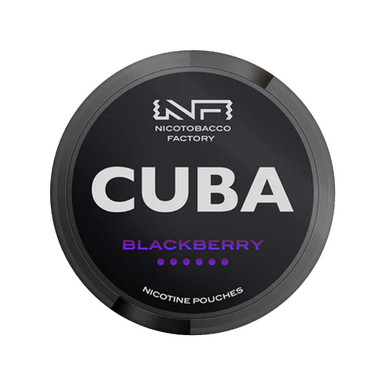
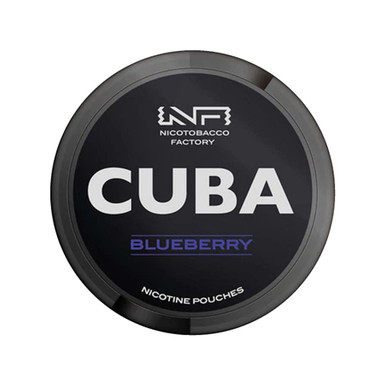
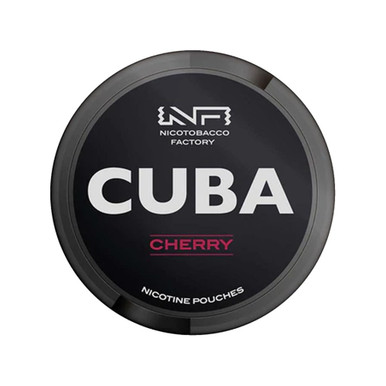
The least complicated companion to a confection flavour is a single-fruit one, because the contrast is immediate. Cuba Black Apple Juice at £39.90 aims at a specific fruit in juice form rather than at a sweet-shop idea, which makes it about as direct a counterpoint to Lollipop as the range offers. Cuba Black Cherry, also £39.90, is the stone-fruit reading; Cuba Black Blueberry at the same price is the darker, smaller-fruit one. All three are named for the fruit they are aiming at, which is precisely what this can is not.
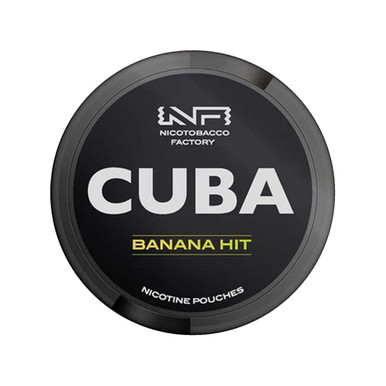
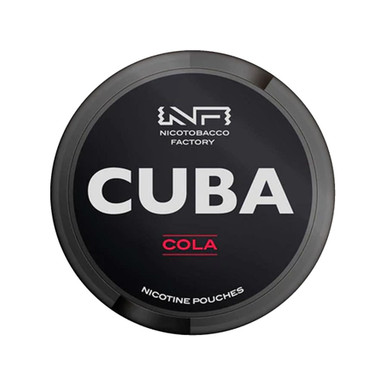
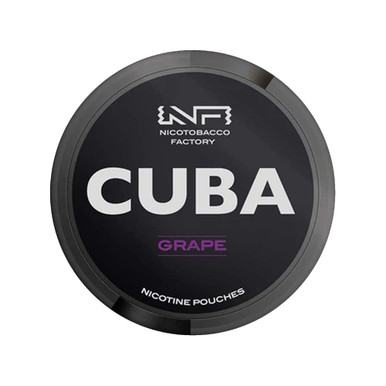
If you would rather keep the sweet register and change the family, Cuba Black Banana Hit at £39.90 is the soft, thick-textured flavour idea in the range, and Cuba Black Cola at the same £39.90 goes at the confectionery angle from a different direction — a cola flavouring is every bit as much a manufactured idea as a lollipop one, but it tastes nothing like it. Cuba Black Grape, again £39.90, is the other sweet-leaning fruit on the list and the one people most often put next to this can when they want two sweet flavours that stay distinguishable from each other.
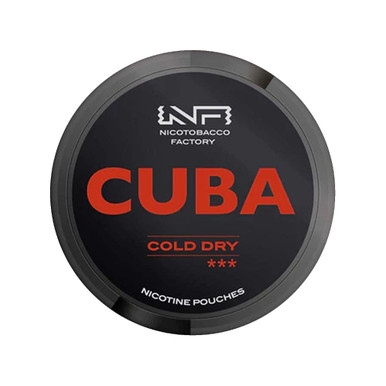
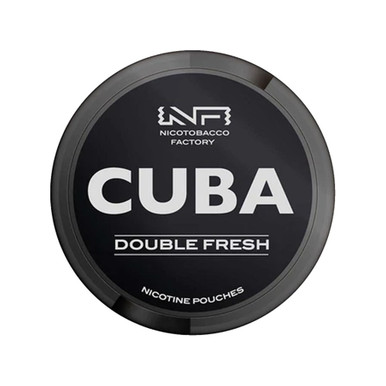
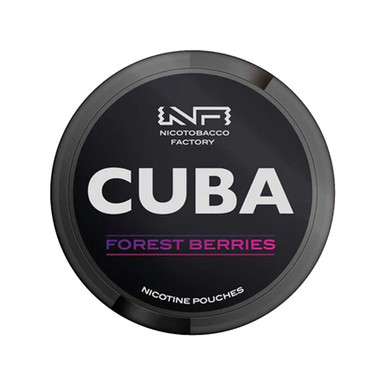
At the far end of the range from all of that sits Cuba Black Cold Dry at £39.90, which is built around a cold character rather than a fruit one, and Cuba Black Double Fresh at the same price, which doubles down on that same cold idea. Either of them makes an unambiguous partner to a sweet can precisely because there is no overlap to blur: you are not choosing between two versions of one thing, you are alternating between two unrelated ones. Cuba Black Forest Berries at £39.90 sits between the two poles, being a mixed dark-fruit flavour rather than a single fruit or a confection.
Two further Cuba Black listings come up constantly in the same baskets as this one. Cuba Black Peach at £39.90 is the softer, gentler stone-fruit option, and Cuba Black Raspberry, also £39.90, brings the tartness that a lollipop flavour deliberately leaves out. If the thing you want next to a broad sweet can is something with an edge on it, the raspberry listing is the one to read.
Leaving the brand entirely
Some people want their second can to have nothing to do with the first. Maggie Original Jamaican Cherry Tonic Wine at £39.90 is the most unusual flavour idea on our nearby list — a cherry flavouring built around a tonic-wine character rather than a plain fruit one, and nothing like a confection sweet. Siberia Mini at £39.50 goes the other way entirely: it is the small-format listing in that brand, and its own page carries its own declared strength, which you should read there rather than assume from this page.
On price, Pablo Exclusive Banana Ice is listed at £3.85, which is a different order of purchase altogether from a £39.90 line. We do not publish how many cans stand behind either figure — that field is empty in our record for this product and we will not guess at another's — so the listing page and the basket are the authorities before you commit to either. If the wider range is what interests you, the Pablo listings collect it in one place, in the same way that all forty-seven Cuba cans we hold sit together on their own page.
The neighbours set out as a table
Prose is a poor way to compare six prices, so here is the same information laid flat. Every figure below is taken from our own catalogue record for that listing and nothing else; where a strength is not shown it is because the figure belongs on that product's own page, not on this one.
| Listing | Our price | Flavour idea in one line |
|---|---|---|
| The Apple Juice can | £39.90 | A named single fruit in juice form |
| The Cola listing | £39.90 | A manufactured flavour idea, as this one is, but from a different family |
| The Grape listing | £39.90 | The other sweet-leaning fruit in the set |
| The Cold Dry can | £39.90 | Built on a cold character rather than a fruit one |
| The Siberia Mini listing | £39.50 | Small-format can; read its own declared figure on its page |
| The Pablo Exclusive Banana Ice line | £3.85 | A different order of price entirely; check what the figure covers |
Two things that table is not doing. It is not ranking anything — the order is arbitrary and no row is being put forward ahead of another. And it is not claiming the prices describe equivalent quantities, because as noted above our cans-per-pack field is empty across these listings and we will not pretend otherwise. Treat it as six facts arranged tidily rather than as a recommendation.
Keeping a can in usable condition
Pouch tins are not fragile, but they are not indestructible either, and most of the complaints that reach us about a dried-out can trace back to one of three things: a lid left off, a lid that cannot close because the catch compartment is full, or a can left somewhere hot.
Heat is the one worth taking seriously as a storage question. A glovebox in July, a windowsill in direct sun, the top of a radiator — these are the places cans deteriorate, and a confection flavour is no more resistant to that than any other. A cupboard, a drawer or a bag pocket is fine. Cool and out of the light is the whole of the instruction, and it is not a complicated one to follow.
On refrigeration: some people keep cans in the fridge and say it holds the flavour longer. We are not going to confirm or deny that, because we have not tested it and we do not publish claims we cannot support. What we will say is that the manufacturer's own storage wording is printed on the can, and if it says anything about temperature, that wording takes precedence over anything a customer or a shop tells you.
Close the lid properly every time. Press it down until it seats rather than resting it on top, and keep the catch compartment clear so that it can. A can that has sat open for a day or two will have noticeably drier pouches in it and a noticeably flatter flavour, and there is no way of reversing either. The rest is common sense: keep it out of reach of children and of anyone in the house who does not use nicotine, and keep it somewhere you will not sit on it.
One strength, one price: what there is actually to choose
This is a short section because this listing gives you very little to decide between. There is one declared strength, 43mg, and one price, £39.90, and our variant table has a single row. There is no larger pack option on this page and no smaller one.
The quantity question is the one we cannot answer here, and it is worth being blunt about. Our record carries no cans-per-pack figure for this product — the field is empty — so this page is not in a position to tell you whether £39.90 covers one can or a roll of them. That is not coyness, it is a gap in our data. The product listing itself and your basket at checkout both state what you are buying, and those are authoritative in a way that a description page is not. Read the basket before you pay, especially if you are ordering more than one line at once.
Ordering, delivery and the age check
Ordering works the way it does everywhere on this site. The can goes into a basket, the basket goes through checkout, and the stock position shown on the listing at the moment you order is the position that applies. We currently show Cuba Black Lollipop as in stock; stock moves, and the live listing is always more current than any paragraph written in advance of it.
Age verification is not optional and is not a formality. This is an 18+ product. We sell it only to adults who already use nicotine, and identification may be requested — at the point of ordering, at the point of delivery, or both. A courier is entitled to ask for ID and is entitled to refuse to hand a parcel over if nobody who can produce it is there to receive it. If you are ordering to an address where you will not be present, or having a parcel left with a neighbour, bear in mind that a refused handover is a wasted delivery. The simplest way to avoid one is to be in.
Orders are packed in the usual way and shipped as ordinary parcels. We do not hold or publish delivery-window information on a product description page, so timings and carrier details belong on the delivery and returns pages of this site rather than here, where they would go stale.
Finding this page again
Two navigation routes reach this can and one does not, which is worth knowing before you go looking for it a fortnight from now.
The routes that work are brand and strength. From the Cuba brand page you will find it among the other Black listings; from the Extra Strong band you will find it among the ninety-eight cans filed there. The route that does not work is flavour, for the reason given earlier: our flavour field for this listing is empty, so no flavour category page carries it. If you browse by flavour habitually, note the name down or bookmark this page, because the flavour shelves will not lead you back here.
Beyond those, the full shop index lists everything we carry with price and declared strength on each card, and nothing on it is ranked, recommended or promoted — it is a list, in the order the site puts it in. If you want to scan by band instead, the ninety-eight listings in the Extra Strong band are the quickest filter for anyone who already knows the figure they are looking for.
Questions we are actually asked about this can
Is there a lollipop in the tin?
No. There is no stick, no sweet and nothing on a handle. Lollipop is the manufacturer's name for the flavour, in the same way that Cola is a flavour name on another can rather than a bottle of cola. What the tin contains is nicotine pouches, laid flat in a ring, identical to one another, and used the same way as any other pouch on this site.
Which fruit is it supposed to be?
We cannot tell you, and we would rather say so than pick one. Our flavour field for this listing is empty, which means nobody at our end has classified it, and deciding for ourselves which fruit the maker had in mind would be us making up a fact about somebody else's product. The name on the lid is the only flavour statement that exists for this can, and the can itself is where to read it.
How many pouches does a can hold?
Not something we publish, because our product record does not carry a pouch count for this listing. The printed can states it. We would rather leave an obvious question unanswered than answer it with a number we have not been given, since a wrong count is worse than no count at all when you are working out how much to order.
Does it come in a strength other than 43mg?
Not on this listing. Our variant table for Cuba Black Lollipop has one row: 43mg at £39.90. If another strength of this flavour exists anywhere in the manufacturer's line-up, we do not currently list it, and we cannot tell you whether one exists. Other Cuba cans have their own listings with their own declared figures, which are stated on those pages.
Does £39.90 buy one can or several?
Our cans-per-pack field is empty for this product, so this page cannot tell you. The listing and the basket both state the quantity you are buying, and the basket is the last word before payment. It is worth a glance, particularly if you are comparing this line against something priced in single-figure pounds, because those two numbers may not be describing the same unit at all.
Why can I not find it on a flavour shelf?
Because our flavour classification for it is blank, and the flavour shelves are generated from that classification. A can with no tag appears on no flavour page. It is an artefact of our own data rather than anything to do with the product. Brand and strength are the two routes that do reach it, and both are linked from this page.
Is 43mg here the same as 43mg on another brand's can?
Only as a printed number. Manufacturers declare their figures in their own way against their own formats, and we publish each one exactly as given without converting between them. We do not hold the technical detail that would let anyone compare the two honestly, so we do not make the comparison. Read each can's own page and its own label for that can's figure.
How long should I leave a pouch in?
We do not give usage guidance and we are not going to set a time. What we can report is that the range people describe is very wide — a few minutes at one end, most of an hour at the other — and that the flavour finishing is the reason most often given for taking one out. Whatever the manufacturer prints on the can about use is the guidance that applies.
Where are these produced?
We do not know and we do not hold it. Our record carries a brand, a range, a price, a strength, a stock position and nothing about production. Cuba is a brand name on a lid, and reading it as a place would be a mistake that we are not going to encourage. If origin matters to you, the packaging and the manufacturer are the sources.
What do I do with the used pouch?
Into the catch compartment under the lid if there is no bin handy, then into general waste when there is. Not down a sink and not on the pavement. Empty the compartment regularly, because once it is full the lid stops closing cleanly and the can behind it dries out faster than it otherwise would.
Can you tell me whether this strength is right for me?
No. We are a shop, not a clinician, and we do not advise on strength, quantity or suitability for any person or circumstance. Everything on this page about the number 43 is a description of what is printed on a can. If you want advice about nicotine in relation to your own situation, that is a conversation for a medical professional rather than a product page.
The legal position, stated plainly
This product is for adults aged 18 or over. We sell it only to people who already use nicotine, and it should not be bought for anyone else.
Nicotine is an addictive substance.
Cuba Black Lollipop is not a licensed stop-smoking medicine and makes no medicinal claim of any kind. It is not intended for non-smokers, for people who do not already use nicotine, for anyone under 18, or for anyone who is pregnant or breastfeeding. Nothing on this page is medical advice, and nothing on it should be taken as a recommendation to use nicotine.
Proof of age may be requested when you order and may be requested again by the courier on delivery. Keep the can out of reach of children and of anyone in the household who does not use nicotine.
Last word on this listing
Cuba Black Lollipop is a 43mg pouch can in the Cuba Black range at £39.90, carrying a confectionery-style sweet flavour that our own data does not classify further. It sits on the Extra Strong shelf and on the Cuba brand page, and on no flavour page at all. If that is the can you came for, it is the can described above, and everything we can verify about it is written on this page; everything we cannot verify has been left alone.
More from Cuba
More extra strong pouches
More cuba pouches
Where this sits
Cuba Black Lollipop Nicotine Pouches appears in these categories. Browse them, or jump to something close.
You might also like