Home / All Pouches / Pablo
Pablo Nicotine Pouches
This shelf gathers every Pablo listing in the catalogue — 56 of them — and as things stand all 56 can be ordered. Declared strengths run from 10mg to 50mg per pouch, and listed prices run from £3.85 to £39.90. That price gap is wide enough to be misleading if you read it as a per-can figure, so it is worth a minute before you add anything to a basket.
Underneath the grid we have written out what the shelf actually holds, what the Pablo line names do and do not tell you, and where our own filing is blunter than the words printed on the lids. We cannot advise which strength suits anyone, and nothing on this page is arranged as a ranking.
Energy PouchesLow StrengthMedium StrengthStrongExtra StrongPabloCubaIcebergKilla77ZYNVeloFumiNordic SpiritXQSRushDenssiUBBSSYXClewMaggiePouch NurdzElf BarWhite FoxKlintSiberiaEdgeMintBerryTropicalCitrusWatermelonCherryStrawberryColaMangoGrapeSweetEnergyCoffee
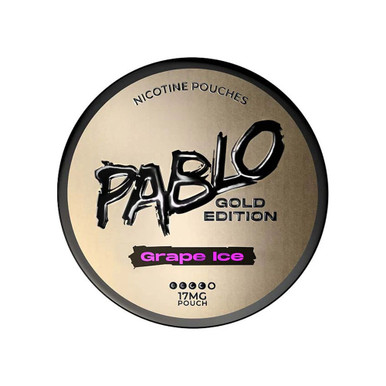
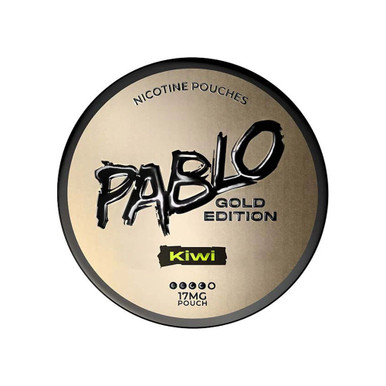
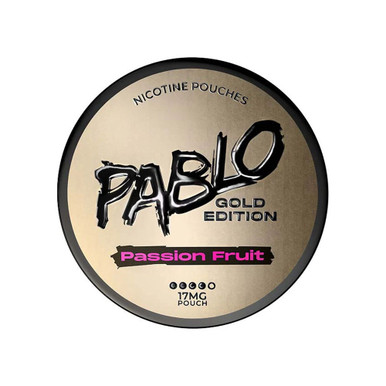
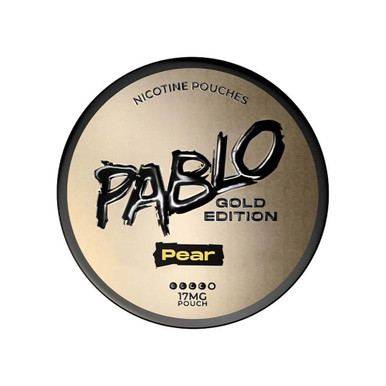
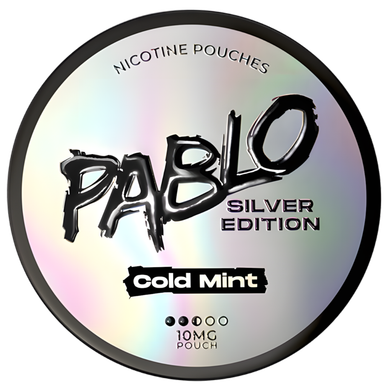
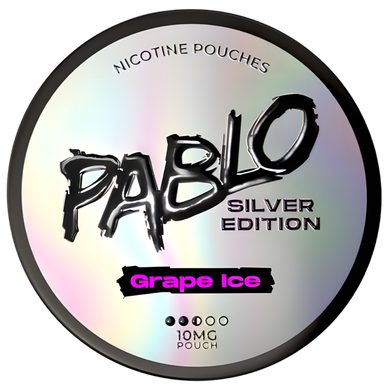
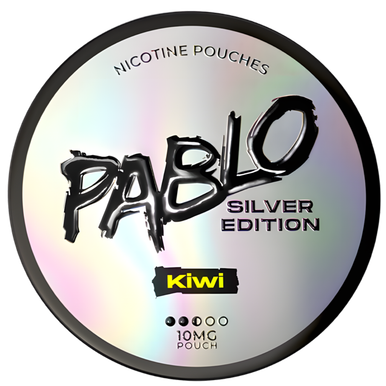
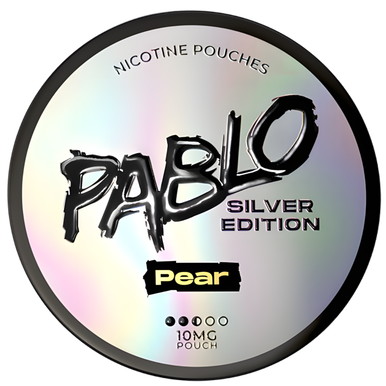
Related categories
Other ways into the range.
What is on this shelf, in plain numbers
Fifty-six Pablo listings sit here, which makes this the largest single-brand shelf on the site. The nearest comparison is the Cuba shelf with its 47 listings, then the 40 listings filed under Iceberg, and the shelf thins out quickly after that. Every one of the 56 is orderable at the time of writing, which is not something we can say about most brand shelves here, so the grid above is a real picture of what would arrive rather than a catalogue of things we once had.
The declared strength range across the shelf is 10mg to 50mg per pouch. Those are the numbers the manufacturer prints; they are not a scale we have designed and they are not a sequence anyone is supposed to move along. Between the two ends you will also find figures such as 17mg and 30mg, which means Pablo listings land on three different strength shelves here: some under Medium Strength, a larger group under the Strong shelf, and the biggest group of all under Extra Strong. If you already know the milligram figure you want, going in through one of those shelves and then looking for Pablo is usually faster than scrolling this page.
The flavour tagging on this shelf uses eleven words: berry, cherry, citrus, cola, grape, mango, mint, strawberry, sweet, tropical and watermelon. Five listings carry no flavour tag at all. Hold on to those two numbers, because the gap between eleven tags and fifty-six lids is the single most useful thing to understand about browsing here, and we come back to it further down.
The formats gathered here, and how little the listing says about them
A can of pouches is a small round object you carry in a pocket, and the things that actually differ between one can and another are physical: how wide the can is, how deep, how many portions are inside, what the portion itself feels like, and whether the lid has a compartment for used pouches. Those are the questions people ask at a counter. They are also, on this shelf, mostly unanswered by the listing.
Start with the can count, because it is the clearest example. Of the 56 Pablo listings, 47 do not declare how many cans the listing covers. Nine do. That is not a detail we are hiding; it is a field the source feed left empty, and we would rather print the gap than guess at it. When a listing does not say, treat it as one can unless the price tells you otherwise, and read the next section before you assume anything from the price.
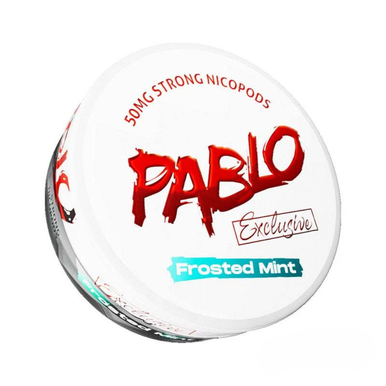
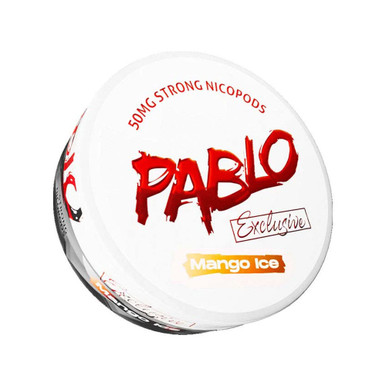
Portion format is the second gap. Most pouch brands publish a slim, a regular and sometimes a mini or a compact format, and those differ noticeably as objects — a slim portion is a longer, narrower strip, a regular one is shorter and fatter, a mini is smaller in both directions. Pablo's listings on this shelf do not put a format word in the product name. Pablo Exclusive Frosted Mint and Pablo Exclusive Mango Ice are titled identically apart from the flavour word, and neither tells you what shape the portion is. If format matters to you more than flavour does, the honest advice is to check the can itself when it arrives, or to look at a brand whose naming carries the format — the 77 shelf is one, where names like Ghost Mini and VB Edition Mini put the word in the title.
What is consistent across the shelf is the can as an object. These are the standard small pouch tins: a screw or snap lid, a shallow well underneath holding the portions, and a lid compartment intended for pouches you have finished with. That compartment is the reason a can is worth keeping in a pocket rather than a bin bag, and it is worth using — a used pouch belongs in a lidded can or a bin, not on the floor of a taxi. Cans stack, they rattle a little when half empty, and they survive being sat on rather better than a cardboard box would.
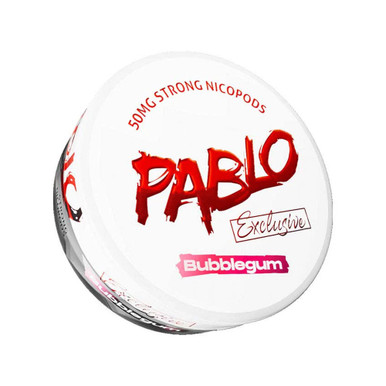
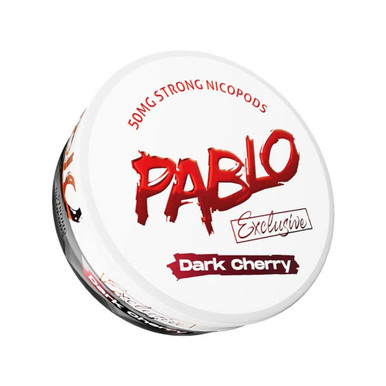
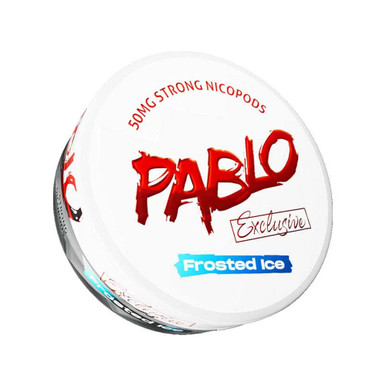
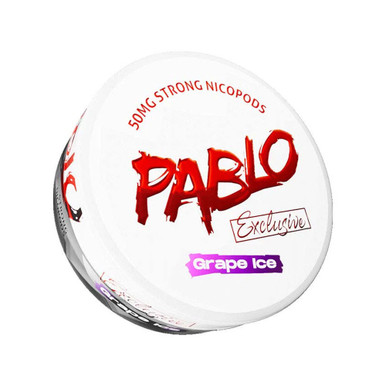
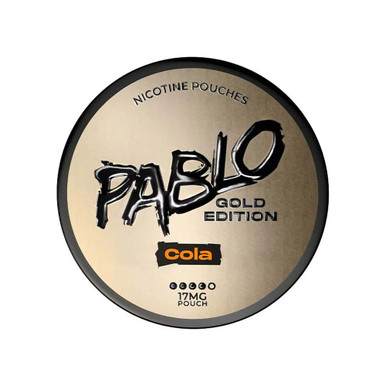
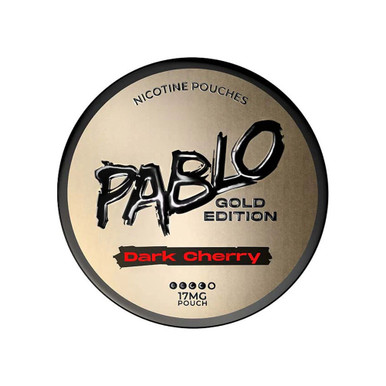
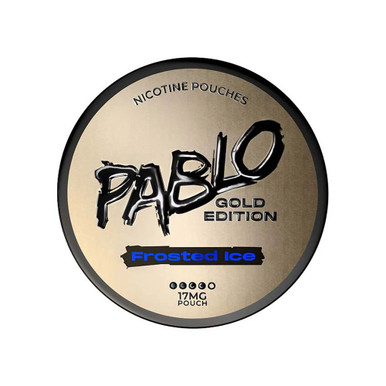
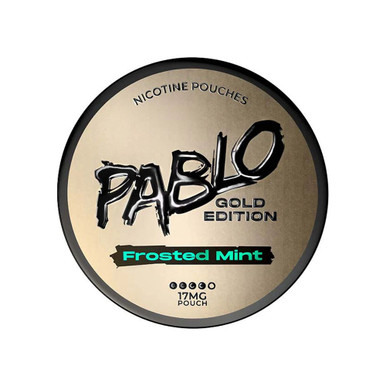
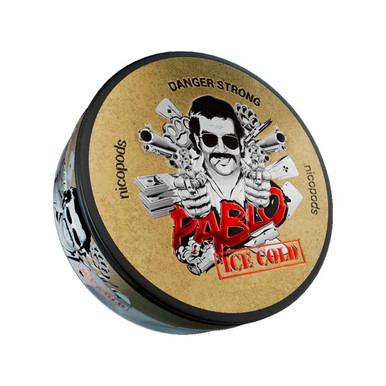
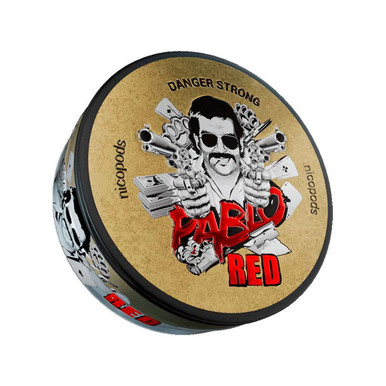
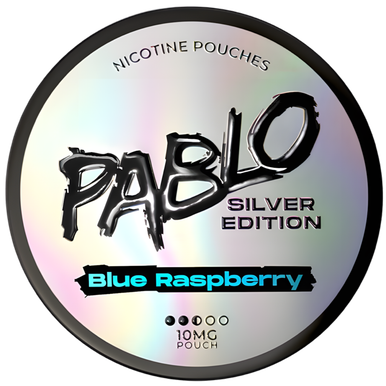
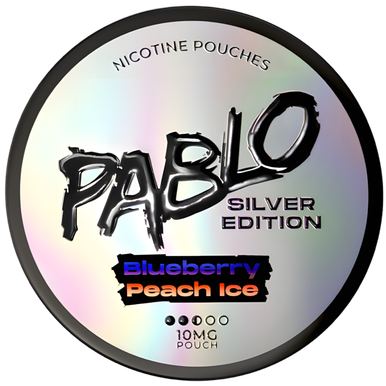
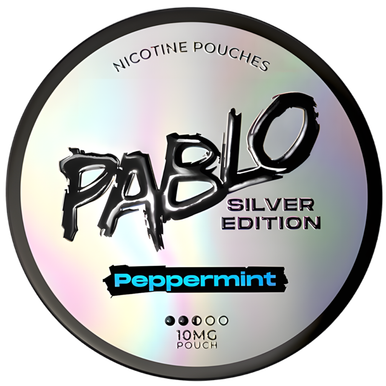
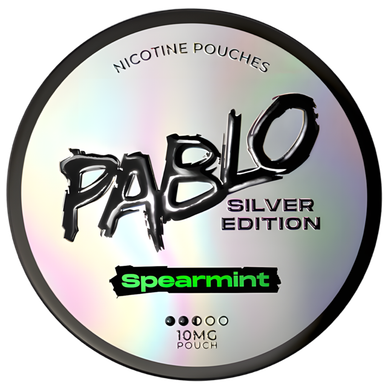
Line names are the third thing people read as format information, and they are not. Most of what is on this shelf carries the word Exclusive — Pablo Exclusive Bubblegum, Pablo Exclusive Cherry Cola, Pablo Exclusive Blue Raspberry and dozens more. Elsewhere on the shelf you will see Gold Edition, Silver Edition, and a listing called simply Pablo Red. Those are names the manufacturer chose. Gold is not above Silver. Exclusive does not mean restricted, rarer, or harder to get; it is a word on a label. None of them describes the can's dimensions, the portion shape, or how many are inside, and we have no information that would let us rank them for you.
Milligrams on the lid, and what they are and are not
The figure on a can is a declared milligram content per pouch. It is a number the manufacturer prints and we file against, nothing more. Our own strength shelves are simply arithmetic bands applied to that number, and a Pablo listing lands where its figure falls:
| Declared figure on the can | Shelf it files under here |
|---|---|
| Up to 6mg | Low Strength |
| Roughly 7mg to 14mg | Medium Strength |
| 15mg to 30mg | Strong |
| Above 30mg | Extra Strong |
The table is sorted numerically because numbers sort that way, not because it is a route anyone should travel. A higher figure is not a better can, a more advanced can, or an achievement, and a lower figure is not a compromise. We cannot advise which strength suits anyone, and we will not pretend that a shop page is the place for that. What we can tell you is where a given can sits in the filing, which is a factual question with a factual answer.
One thing worth flagging because it catches people out: the words on a Pablo lid and the shelf we file the can under are decided by different things. A name is marketing; the shelf is the milligram figure. Where the two disagree, the milligram figure is what we filed on. You will see the same problem in a sharper form on the Killa shelf, where manufacturer naming and our numeric filing pull in opposite directions on almost every listing.
Reading the price column twice
£3.85 to £39.90 is more than a tenfold spread on a single-brand shelf, and no reasonable person would conclude that one Pablo can costs ten times another Pablo can. The spread is almost entirely about how many cans a listing covers.
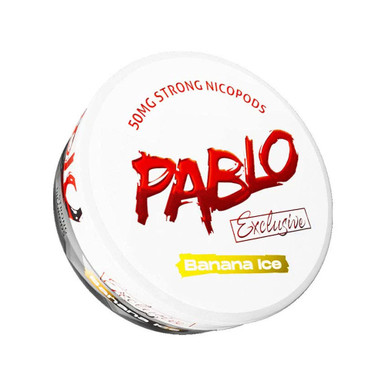
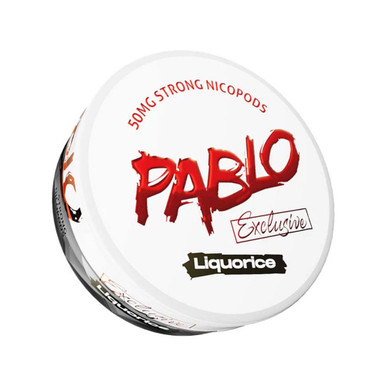
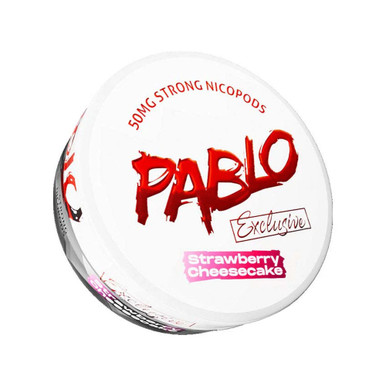
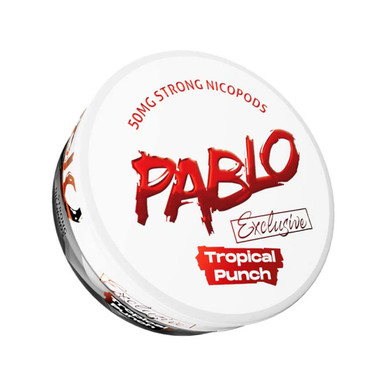
Most of the grid above sits at £3.85, and every product linked on this page carries that figure — Pablo Exclusive Banana Ice, Pablo Exclusive Liquorice, Pablo Exclusive Pineapple and the rest are all listed at the same single-can price. Further up the shelf there are listings at higher figures, and the £39.90 at the top of the range is a multi-can listing rather than an expensive can. Where a listing declares its can count, the product page says so. Where it does not — and on this shelf that is the 47 listings mentioned earlier — the price is the only clue you have, and a price roughly ten times the single-can figure is the obvious signal that you are looking at a roll rather than a tin.
Three practical consequences. First, sort by price at your peril: a price-ascending sort on this shelf puts every single can first and every multi-can listing last, which looks like a strength or quality ordering and is not one. Second, if you are comparing Pablo with another brand, compare like with like — the flat £39.90 across the whole Cuba range is a multi-can figure throughout, so setting it against £3.85 here tells you nothing useful. Third, if a listing's price does not make sense against its neighbours, the product page is the place to check rather than this one; the grid above shows headline figures only.
We do not run a loyalty scheme, tiered pricing, or a quantity discount that changes what you see in the grid. The figure on the listing is the figure at checkout, with delivery added separately.
Where our filing is coarser than the lids
This is the part of the page that will save you the most time. The whole site files flavour under thirteen words, and this shelf uses eleven of them. Fifty-six Pablo lids carry a great deal more variety than eleven words can hold, and the result is that the flavour shelves are a rough sieve rather than a precise index.
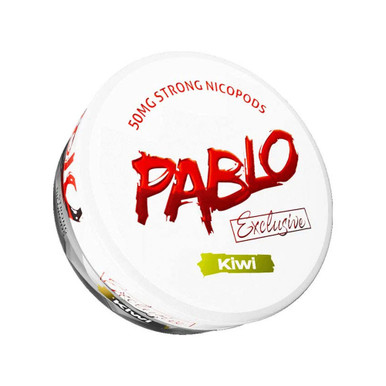
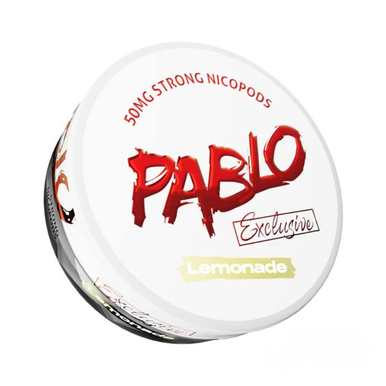
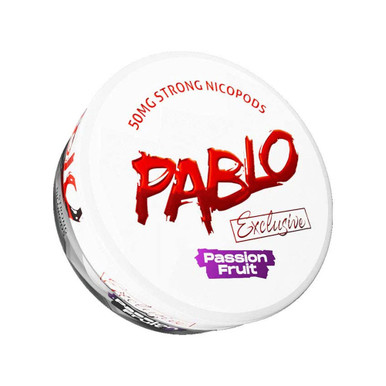
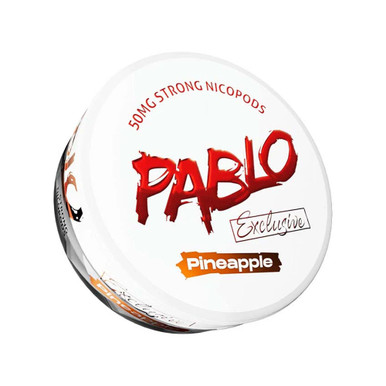
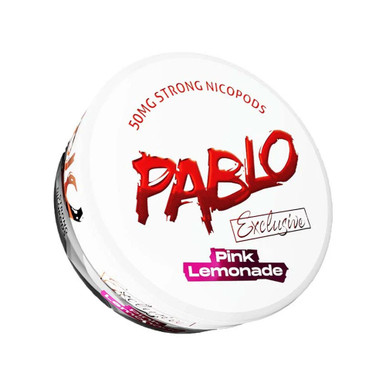
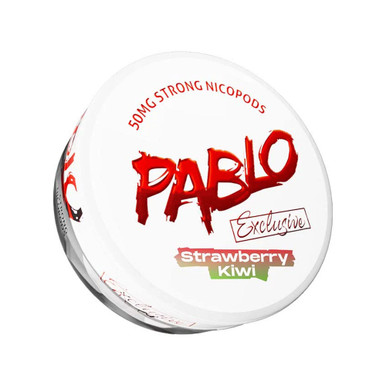
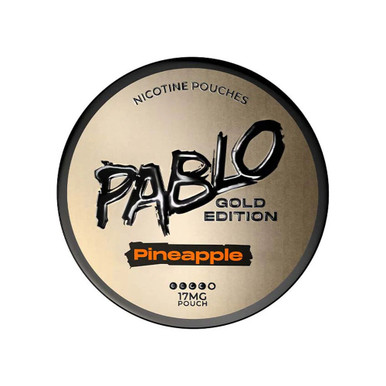
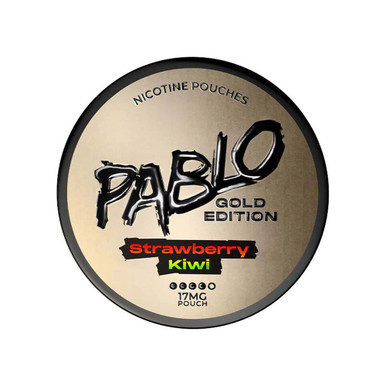
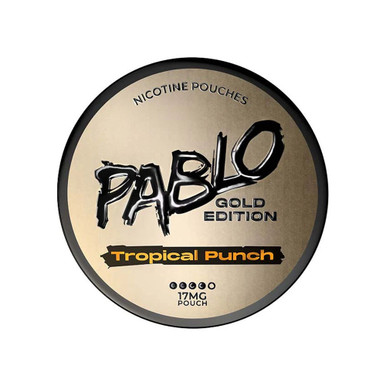
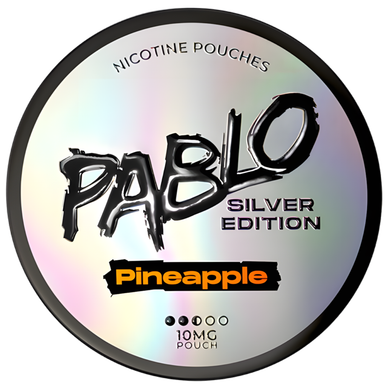
Some examples from the grid above. Pablo Exclusive Kiwi has no kiwi shelf to live on, because there is no kiwi shelf on this site. The pineapple can has no pineapple shelf either; pineapple-ish things tend to end up filed under Tropical along with mango, passion fruit and a good deal else. Pablo Exclusive Passion Fruit sits in the same position. Pink Lemonade and the plain Lemonade can are two clearly different lids that our citrus tagging does not separate from each other or from an orange can. And Banana Ice is tagged, but not under banana, for the simple reason that banana is not one of our thirteen words.
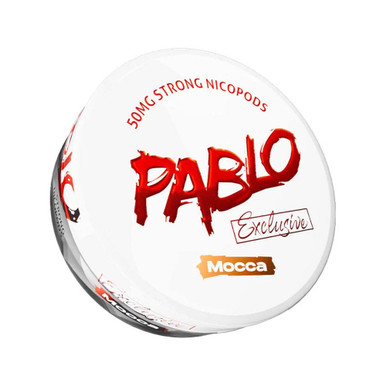
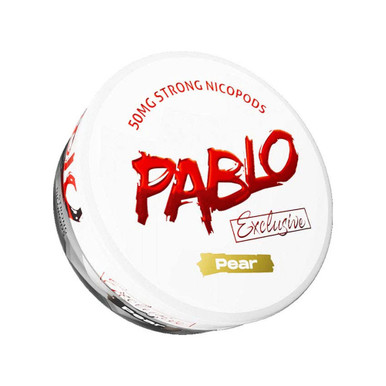
Then there are the five listings on this shelf with no flavour tag at all. Two of them are linked above the fold in the grid: Pablo Exclusive Mocca, a coffee-style lid on a shelf whose tag list contains no coffee entry, and Pablo Exclusive Pear, where there is simply no word in our vocabulary that fits. The other untagged listings follow the same pattern — a second and third Pear can under different line names, and the Pablo Red listing, whose name says nothing about flavour at all. Untagged does not mean unflavoured; it means the lid says something our filing has no word for. Those cans will never appear on a flavour shelf, so a brand shelf like this one is the only place you will find them by browsing.
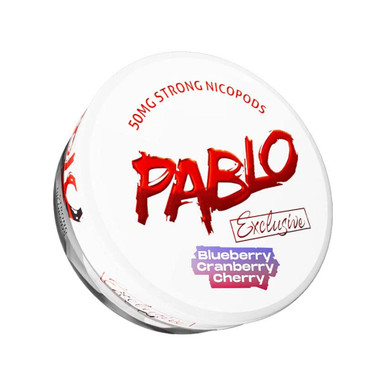
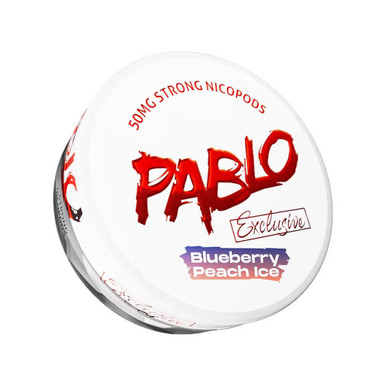
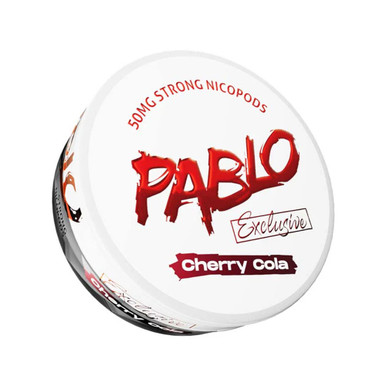
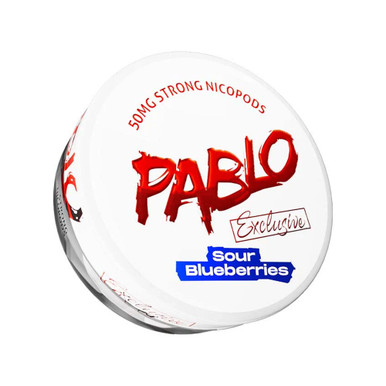
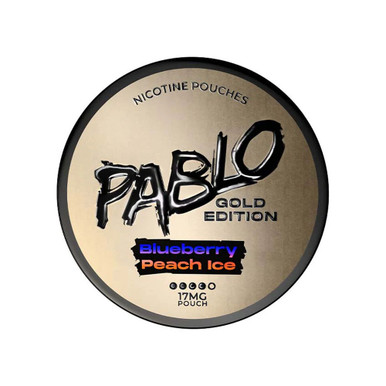
Compound names are the other soft spot. Blueberry Cranberry Cherry names three fruits, and any tagging scheme that assigns one or two words to it is throwing information away. Blueberry Peach Ice is the same problem with a cold note attached. Cherry Cola genuinely belongs on two shelves and can only be found by name. Sour Blueberries carries a sourness in the name that no tag of ours records. Where a lid names two or three things, read the product title rather than trusting the tag.
The short version: use the flavour shelves to narrow, then read titles. If you already know the word you want, the search box will beat browsing every time.
Crossing this shelf with the others
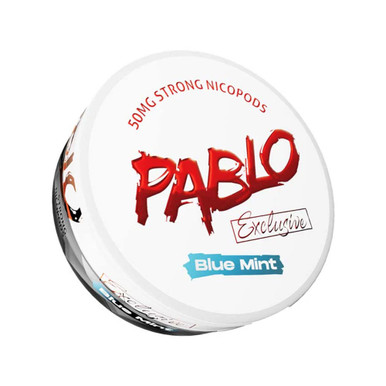
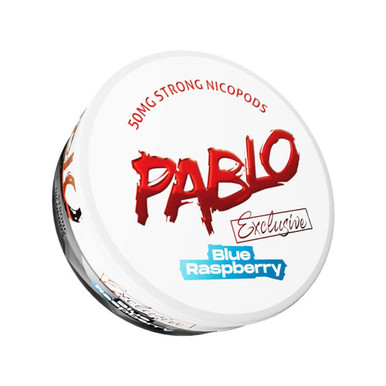
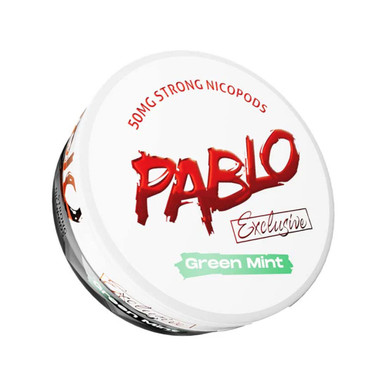
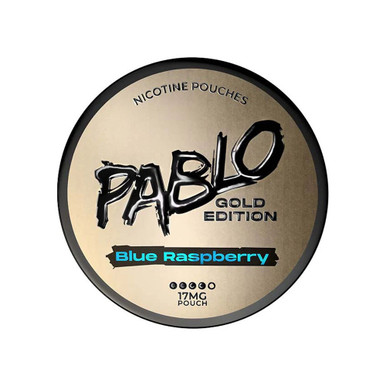
Brand, flavour and strength are three separate axes here, and the useful moves are the combinations. If you want mint and you want it from this brand, the mint shelf is the broadest on the site at 148 listings, and Pablo's mint cans — Green Mint, Blue Mint, the Frosted variants — appear there among everything else. The berry shelf is the place for Blue Raspberry and the darker fruit lids.
Across brands, the sensible comparisons depend on what you are matching. For a similar fruit-heavy spread at a single flat price, the Cuba range is the closest thing on the site. The Iceberg shelf is worth a look as a map of what that brand makes, but be warned that nothing on it can be ordered at present, so treat it as reference rather than shopping. For smaller, tighter ranges there are the 22 ZYN listings, the 21 under Velo, Fumi with 16 and Nordic Spirit with 14 — and a word on that last name, since it comes up: a brand name is a brand name. Nordic, Cuba, Iceberg and Siberia say nothing whatsoever about where anything is made, and we do not hold origin information for any of these ranges.
If none of that narrows it, the full catalogue is browsable in one list, and our plain explanation of what a pouch actually is covers the format questions this page has deliberately left to it.
Ordering, delivery and the age check
Orders are placed through the product pages, not this one; the grid above links straight through. Prices shown are the prices charged, with delivery calculated at checkout. Stock moves, and a listing that was orderable when this page was written may not be by the time you read it — the product page is always the current answer.
Everything here is age-restricted. Age verification runs at checkout, and a courier may ask for ID at the door. If ID cannot be produced, the order will not be handed over. It is worth having something to hand rather than losing a delivery slot over it.
Who this shelf is for, and what it is not
Everything on this shelf is sold only to adults aged 18 or over who already use nicotine. Nicotine is an addictive substance. These products are not a licensed stop-smoking medicine and are not intended for non-smokers, non-nicotine-users, anyone under 18, or anyone who is pregnant or breastfeeding. We make no health or medical claims about them in any direction, and we cannot advise anyone on which strength or product to choose. ID may be requested on delivery.
Frequently asked questions
How many Pablo listings are there, and can they all be ordered?
There are 56 Pablo listings on this shelf and, at the time of writing, all 56 are orderable. That is unusual here — several brand shelves carry a significant number of listings that cannot currently be bought, and the Iceberg shelf is entirely unavailable. Stock does change, so the product page is always a more current answer than a category page. If a listing has gone while you were browsing, the grid above will show it.
Why do prices on this shelf run from £3.85 to £39.90?
Because the listings cover different quantities, not because one can costs ten times another. Most of the grid sits at £3.85, which is a single-can price, and the figures at the top of the range are multi-can listings. The complication is that 47 of the 56 listings do not declare a can count in the catalogue feed, so the price is often the only signal. If a figure looks roughly ten times the single-can price, you are almost certainly looking at a roll rather than a tin.
What does the word Exclusive mean on a Pablo can?
It is a line name the manufacturer uses, and nothing more. It does not mean limited, restricted, harder to obtain, or better than another line. The same applies to Gold Edition, Silver Edition and the listing called simply Pablo Red — Gold does not outrank Silver, and none of these words tells you anything about the can's size, the portion format, or the milligram figure. Read the declared strength and the flavour name on the listing itself; the line word carries no information we can pass on.
Which Pablo strength should I choose?
We cannot answer that, and we would be wrong to try. The milligram figure on a can is a declared content, not a recommendation, and we have no way of knowing what is appropriate for any individual. What we can tell you is factual: this shelf declares figures from 10mg to 50mg, and those figures fall across our Medium Strength, Strong and Extra Strong shelves. Those shelves are arithmetic bands, sorted numerically, and are not a sequence to work through.
Why can't I find a pear or kiwi flavour shelf?
Because our flavour filing uses thirteen words across the whole site, and pear and kiwi are not among them. The kiwi can is on this brand shelf and orderable, but it will not turn up on a flavour shelf. Pablo Exclusive Pear is one of five listings here that carry no flavour tag at all. This is a limitation of our tagging, not of the range — the lid says what it says, and our vocabulary is simply narrower than the lids.
How many listings on this shelf have no flavour tag?
Five. Two are linked in the body of this page: the Mocca can, which is coffee-styled on a shelf with no coffee tag in its list, and one of the Pear cans. The remaining three are two further Pear listings under other line names and the Pablo Red listing, whose name gives no flavour information at all. Untagged means our filing has no word for the lid — it does not mean the pouch is unflavoured.
Does the Pablo shelf tell me the portion format?
No, and that is a real gap. The listings here do not put a format word such as slim, regular or mini into the product title, so two cans with identical names apart from the flavour may or may not be the same shape inside. If portion format matters more to you than flavour, the 77 shelf is one place where the naming does carry it, with Mini appearing in several titles. Otherwise the can itself is the reliable answer once it arrives.
Is a higher milligram figure a better can?
No. A milligram figure is a declared content, and the numeric order of those figures is arithmetic rather than a ranking, a tier list or a progression. Nothing on this site is arranged so that a shopper should move from one figure to a higher one, and we do not present the shelves that way. We cannot advise which figure suits any individual, and any page that tells you a stronger can is an upgrade is selling you something rather than informing you.
Does the Cuba or Iceberg name tell me where those pouches come from?
No. Brand names on this site are trade names and nothing else. Cuba, Iceberg, Nordic Spirit and similar names carry no information about where a product is made, and we do not hold country-of-origin data for any of the ranges we list. If origin matters to you, the can and the manufacturer are the place to ask; we would only be guessing, and a guess on a page like this is worse than an honest gap.
What happens with age checks when my order arrives?
Age verification runs at checkout, and the courier may also ask for ID at the door. If ID cannot be produced, the delivery will not be handed over — that is not discretionary. Everything on this shelf is sold only to adults aged 18 or over. It is worth keeping something to hand on the delivery day rather than losing the slot, particularly if someone else is likely to answer the door for you.
How do I find a specific Pablo flavour quickly?
Search by the word on the lid rather than browsing the flavour shelves, because the tagging is coarser than the names. A compound lid like Blueberry Cranberry Cherry names three fruits and cannot be reduced to one tag honestly, and Cherry Cola genuinely belongs on two shelves. If you want to see the whole range in one place instead, the full catalogue listing takes you out of this shelf entirely.
What is actually in a pouch, and how does the can work?
We keep that explanation on one page rather than repeating it across the shelves: our guide to what a pouch is covers the can, the portions inside it and the lid compartment for used ones. On this shelf specifically, the cans are the standard small tins with a lid well, and 47 of the 56 listings do not declare how many cans the listing covers. We print that gap rather than filling it with a guess.