Home / All Pouches / ZYN
ZYN Nicotine Pouches
This shelf is every ZYN listing we hold: 22 products, every one of them priced at £19.99, with declared strengths across the shelf running from 1.5mg to 13.5mg per pouch. Eleven can be ordered today and eleven cannot, so roughly half of the grid below is a record of what the range contains rather than something that can go in a basket this afternoon.
Everything written on this page comes from the catalogue entry sitting behind that grid — the name, the price, the stock flag, the declared milligram figure and our own flavour tags. Where that record is thin, coarse, or at odds with what is printed on the lid, we say so rather than smoothing it over. These are products for adults aged 18 or over who already use nicotine.
Energy PouchesLow StrengthMedium StrengthStrongExtra StrongPabloCubaIcebergKilla77ZYNVeloFumiNordic SpiritXQSRushDenssiUBBSSYXClewMaggiePouch NurdzElf BarWhite FoxKlintSiberiaEdgeMintBerryTropicalCitrusWatermelonCherryStrawberryColaMangoGrapeSweetEnergyCoffee

Related categories
Other ways into the range.
The shelf in numbers
Before anything else, here is the whole of what our catalogue knows about this shelf as a group. Nothing below this table adds a fact that is not in it or on an individual listing.
| What | On this shelf |
|---|---|
| Listings filed here | 22 |
| Orderable right now | 11 |
| Currently unavailable | 11 |
| Price | £19.99, the same figure on every listing |
| Declared strengths across the shelf | 1.5mg to 13.5mg per pouch |
| Flavour tags in use here | berry, cherry, citrus, coffee, mint, tropical, watermelon |
| Listings carrying no flavour tag at all | 1 |
| Listings with no can count recorded | 3 |
Two things in that table do most of the work when you are narrowing a choice. The first is the stock split, because it halves the shelf. The second is the strength span, because 1.5mg to 13.5mg is a narrower window than the site as a whole covers, and that single fact tells you more about where ZYN sits in our catalogue than any adjective would. The rest of this page unpacks both, plus the tagging, which is coarser than the lids and worth understanding before you use the filters.
Reading the range as a map
A brand shelf is a map of what we could get rather than a map of what the brand makes. We do not claim this is the complete ZYN range; it is the 22 listings our catalogue holds, and the shape of those 22 is what this section describes. Read as a map, the shelf is dense in one corner, thin in several others, and greyed out down the middle.
Where the shelf is dense
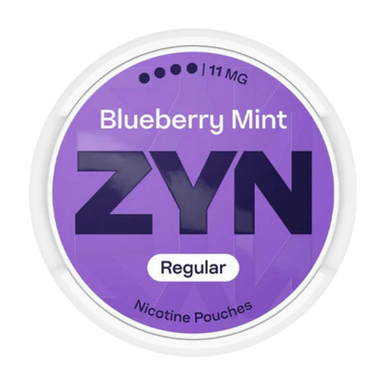
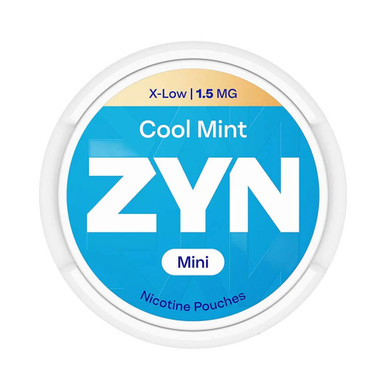
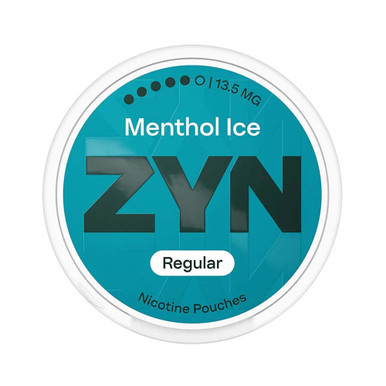
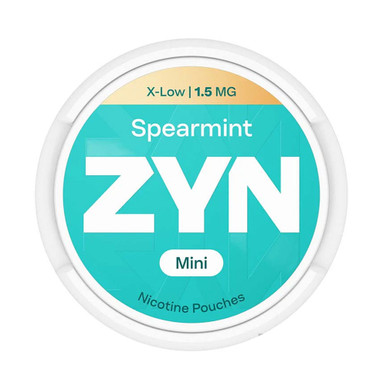
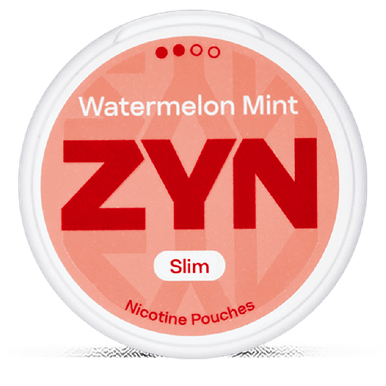
Mint is the crowded corner. More listings here carry a mint tag than carry any other tag, and they are not interchangeable in name even where they are identical in our filing. ZYN Spearmint and Menthol Ice are both orderable and both sit under the single word "mint" as far as our system is concerned, which is a fair description of the family and a poor description of the difference between two lids. Cool Mint X is a third orderable mint, and Blueberry Mint and Watermelon Mint are mints carrying a second tag apiece — berry and watermelon respectively — which is our way of saying the lid names two things.
If mint in general is what brought you here rather than ZYN in particular, the mint shelf collects 148 listings from across every brand we stock, and it is the largest single shelf on the site. Coming at it from that direction usually gives a shopper more to choose between than working down one brand.
Where the shelf is thin
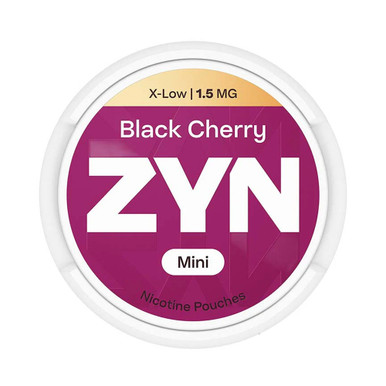
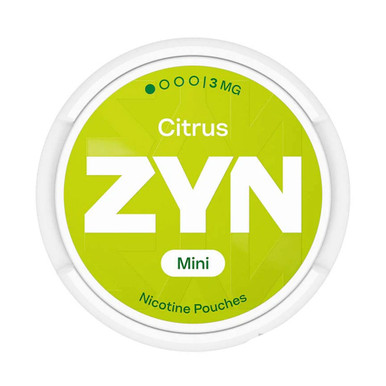
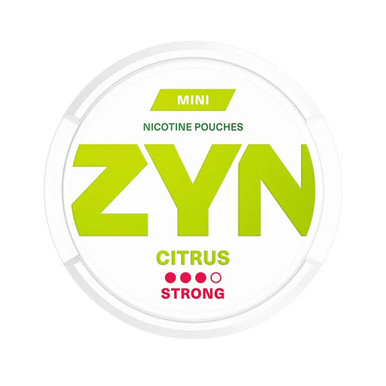
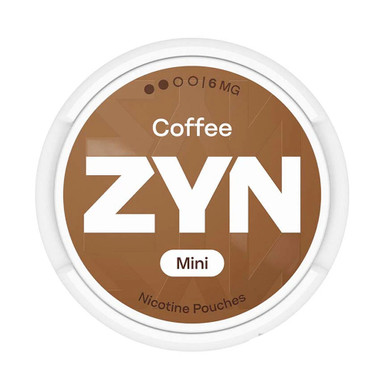
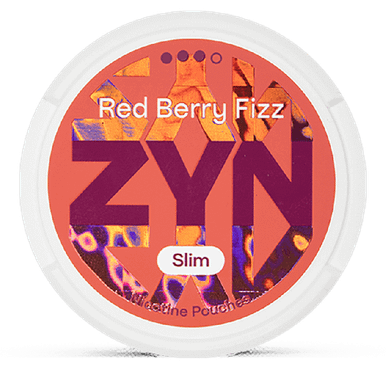
Outside mint, the map thins out fast. Berry runs to a handful of listings — Blackcurrant Forest is the orderable one, with Red Berry Fizz sitting alongside it but currently unavailable. Cherry is a single listing, ZYN Black Cherry, which is in stock. Citrus has the plain Citrus can available and both Citrus Mini and Lemon Spritz unavailable. Coffee is one listing, ZYN Coffee Mini, and it is in stock; the coffee shelf is one of the smallest on the site, so a coffee tag on a brand shelf this size is unusual simply because there are so few of them anywhere.
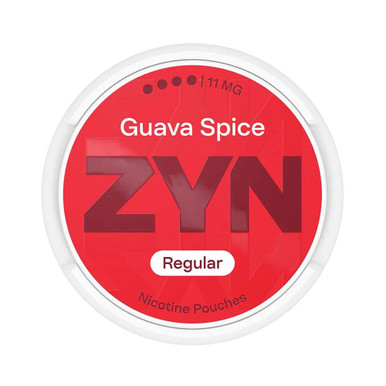
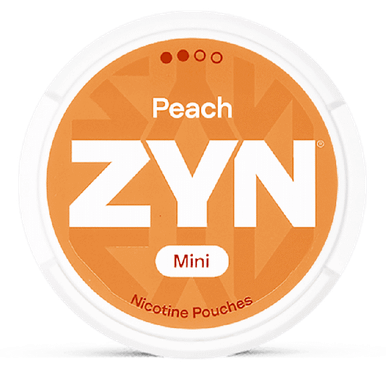
Tropical here is a tag doing more work than the word suggests. Guava Spice X is orderable and ZYN Peach is not, and both sit under tropical because that is the nearest bucket we have. If the tropical direction is what you are following, the broader tropical shelf runs to 58 listings across the catalogue and gives you a far wider set to compare against.
Where the map has holes
Our flavour system runs to thirteen shelves. Seven of them are represented on this brand shelf and six are not: there is no ZYN listing here tagged grape, cola, mango, strawberry, sweet or energy. That is not a comment on the brand, it is a statement about our 22 listings. If you arrived wanting a grape or a mango and had settled on ZYN as the brand, this shelf cannot serve both wishes at once, and the flavour route will serve you better than the brand route. The berry shelf, at 76 listings, is the obvious second stop for anyone whose ZYN berry option turns out to be unavailable.
Half the map is greyed out
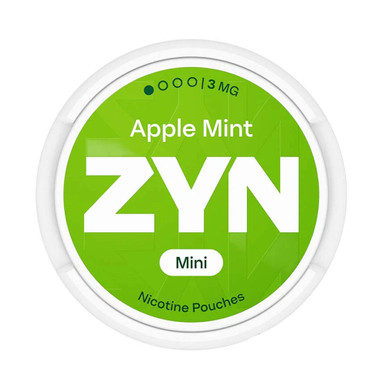
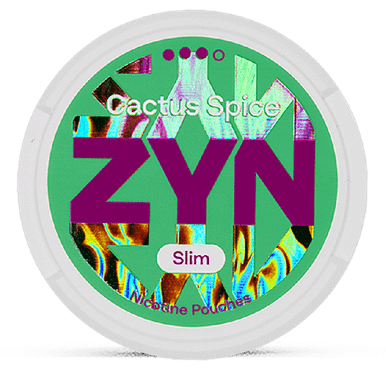
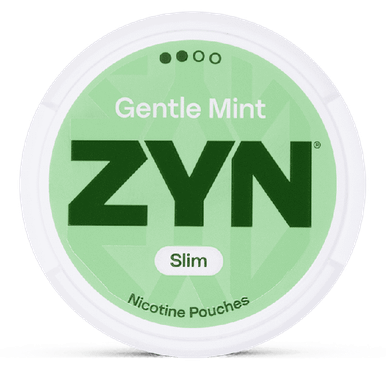
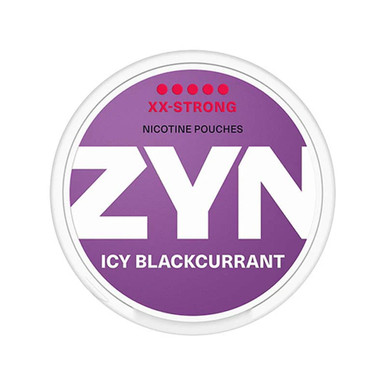
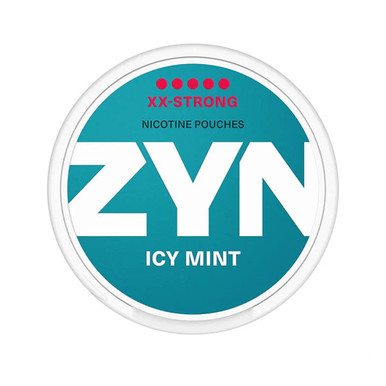
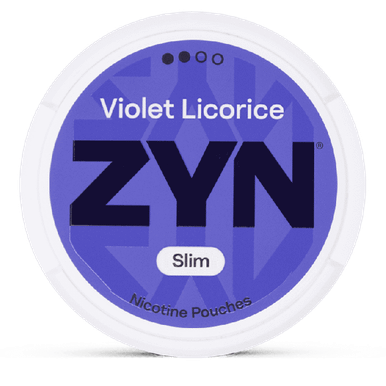
Eleven of the 22 listings cannot be ordered at the time of writing. We leave them on the shelf deliberately, because a brand page that silently drops everything out of stock stops being a record of the range, and because a shopper checking whether we have ever listed a particular can deserves a straight answer. But it does mean this shelf needs reading with the stock line in view. Gentle Mint, Icy Mint, Apple Mint, Black Licorice, Violet Licorice, Cactus Spice and Icy Blackcurrant XX are all listed and none of them can be bought today. Their pages are worth reading if you want the detail we hold; they are not worth planning an order around.
We do not publish restock dates, because we do not reliably know them and a date we invented would be worse than no date at all. If a particular can matters more than the rest of the shelf, the practical move is to check the listing again rather than to wait on a promise from us.
Names on the lid, numbers in our filter
ZYN lids carry words that look like a scale: you will see "Gentle", you will see "Mini", you will see an X, and on one listing you will see a double X. It is worth being precise about what those are, because shoppers reasonably read them as instructions and they are not.
They are manufacturer naming, and in the case of "Mini" a description of the pouch format rather than anything else. They are not a ranking we endorse, not a sequence, and not a route anyone is meant to travel along. We will not describe one can as a starting point and another as a destination, and we will not say that a bigger number is a better purchase, because neither of those is a statement a retailer is in any position to make. We cannot advise which strength suits any individual, and that is not a hedge — it is the whole of our position. Nobody here knows what any reader currently uses.
What we can do is tell you what the arithmetic says, because our strength shelves are filed on the declared milligram figure and nothing else. Our bands run low up to about 6mg, medium from roughly 7mg to 14mg, strong from 15mg to 30mg, and extra strong above 30mg. The whole ZYN shelf declares between 1.5mg and 13.5mg. That has a blunt consequence: no listing on this shelf files above the medium band, including the ones whose names carry an X or a double X. The listing our system calls medium strength and the lid that says X Strong are describing the same can, and where our filing and the name disagree, the filter is following the number.
Both readings are legitimate. The manufacturer is naming within its own range; we are sorting 400-odd cans from two dozen brands on one shared axis and the only axis that works across all of them is the declared figure. Neither one is a recommendation. If you use the strength shelves, use them as arithmetic — the number on the can against the number on the can — and not as a league table. The 132 listings on our strong shelf and the 98 on extra strong come from other brands; you will not find ZYN among them, and that absence says nothing at all about quality.
Why a listing lands on this shelf, and what the tagging misses
The rule for this shelf is mechanical and dull: if the brand field on a product record reads ZYN, the listing appears here. That is the whole of it. There is no curation, no selection, and no judgement about which cans deserve the page. It also means the shelf inherits every gap and every inconsistency in the underlying records, which is the honest subject of this section.
Where our tagging is coarser than the lids
Flavour tags on this site are a small controlled vocabulary applied across the whole catalogue. They were built to make cross-brand browsing possible, not to describe individual cans accurately, and on a brand shelf the difference shows. Three examples from this shelf, all of them real:
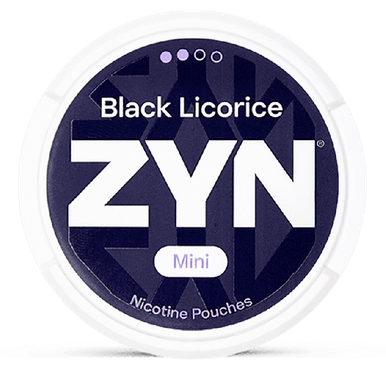
- Black Licorice, currently unavailable, carries a mint tag. Nothing on the lid says mint. We have no licorice shelf, mint was the nearest thing in the vocabulary, and so mint is what the record says.
- Cactus Spice, also unavailable, is likewise filed under mint, for the same reason and with the same lack of justification from the name.
- Guava Spice X, which is orderable, is filed under tropical — defensible for the guava, silent about the rest of the name.
The practical effect is that filtering our mint shelf will surface ZYN cans whose lids do not mention mint, and filtering for a flavour we have no tag for will surface nothing at all. If you are hunting a specific taste, the listing titles on this page are a more faithful guide than the tags, and reading down the grid beats filtering.
The listing with no tag at all
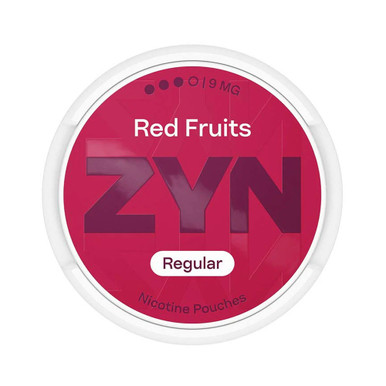
One listing on this shelf carries no flavour tag whatsoever: ZYN Red Fruits, which is in stock. The name plainly points at fruit and a berry tag would be a reasonable guess, but nobody has ever applied one, and we are not going to apply one inside a paragraph of marketing copy to make the shelf look tidier. The consequence is worth stating: Red Fruits will not appear on any flavour shelf, so a shopper browsing by flavour will never meet it. It is reachable from this brand shelf, from a search on its name, and from the full catalogue listing, and nowhere else.
Three listings with no can count
Our records hold a can count for most listings here but not for three of them. We have not filled those in by inference. This matters for one specific thing only: you cannot work out a cost per pouch on those three listings from our data, so a price comparison against another brand shelf will be comparing prices for units of unknown size. The number printed on the can itself is the reliable one, and if the record is silent the packaging is where to read it.
One price across 22 listings
Every listing on this shelf is £19.99. That is unusual and it makes the page simpler than most: within this shelf, price carries no information at all and you can ignore it entirely while choosing. Nothing here is cheaper or dearer than anything else here.
Across shelves it is a different story, and a confusing one. Our Velo shelf lists at £4.19 and our Fumi shelf at £27.90, and those figures are not comparable with £19.99 without knowing what each price covers. Because can counts are missing on some listings and absent entirely on some other brand shelves, we often cannot make that comparison for you. The honest instruction is to compare prices within a shelf, where the terms are consistent, and to treat cross-brand price differences as unexplained until you have checked what each listing actually includes.
Crossing this shelf with the others
The catalogue is filed on three axes — brand, flavour and declared strength — and a shopper who uses two of them together usually gets to a short list faster than one who works down a single long page. This shelf is the brand axis. The flavour shelves and the strength shelves cut across it.
On the brand axis, this is a mid-sized shelf. Pablo is the largest at 56 listings and Cuba follows at 47, with Iceberg at 40 and Killa at 31 behind them. The 77 shelf holds 29. Below this one, Velo runs to 21 listings, Fumi to 16 and Nordic Spirit to 14. Those numbers are worth knowing for one practical reason: on a shelf where half the listings are unavailable, a bigger neighbouring shelf is simply more likely to have something orderable in the flavour family you were after.
Combining axes is the point. A mint at a medium declared figure is a two-filter question, and you can approach it from the mint side or the strength side and arrive at the same set. If you are new to how the site is organised, our guide to what a pouch is explains the format and the filing conventions without any of the brand detail, and it is the right page to read first if the terminology on the grid is unfamiliar.
Ordering, delivery and age checks
Ordering from this shelf is the same as anywhere on the site. Add an in-stock listing to the basket from its own page, where the declared strength and the current stock flag are shown against that specific can rather than against the shelf as a group. The shelf-level range quoted at the top of this page covers 22 different products; it is not the figure for any one of them.
Stock flags are taken from our records and can lag reality by a short period. If a listing shows as available at the moment you order and turns out not to be, we will tell you rather than substituting something we think is close, because a substitution on a product filed by declared strength is not a decision for us to make on a customer's behalf.
We sell to adults only. Age verification applies at checkout, and ID may be requested on delivery; if age cannot be confirmed at the door, the order will not be handed over. Cans keep best closed, dry and out of direct sun, and the lid on this format is designed to be pressed back on after each use — that is a storage note, not a claim about anything.
Age restriction and the legal position
This shelf lists age-restricted products for adults aged 18 or over who already use nicotine. Nicotine is an addictive substance. Nothing on this page is addressed to anyone else, and nothing on it is an encouragement to anyone to begin.
These products are not a licensed stop-smoking medicine, and are not intended for non-smokers, non-nicotine-users, under-18s, or anyone who is pregnant or breastfeeding. We are a retailer. We do not give medical advice, we make no health claim in any direction, and we cannot advise which strength or which listing suits any individual reader. If you want advice of that kind, it has to come from a qualified professional and not from a shelf page.
Frequently asked questions
How many ZYN products can I actually order today?
Eleven of the 22 listings on this shelf are orderable at the time of writing, and eleven are not. That split is the single most useful number on the page, because it means a shopper who picks a can purely by name has roughly even odds of landing on something unavailable. The stock flag on each individual listing is the authoritative one and it updates with our records, so check there before planning an order rather than relying on the shelf-level figure quoted here.
Why are out-of-stock cans still shown on the shelf?
Because a brand page that hides everything unavailable stops being a record of what we list. Someone checking whether a particular can exists in our catalogue deserves a straight answer rather than an empty result that implies we have never held it. We flag every unavailable listing clearly, both on the grid and wherever this page links to one, so nobody reaches a page expecting to buy and finds they cannot. We do not publish restock dates because we do not reliably have them.
What do the words Gentle, Mini, X and XX on the lids mean?
They are the manufacturer's own naming, and in the case of Mini they describe the pouch format. They are not a scale we endorse, not a sequence, and not something anyone is meant to move along. We will not describe one can as a beginning and another as an end point, and we will not suggest a larger number is a better buy. Our filing ignores the words entirely and sorts on the declared milligram figure, which is the only measure that works across every brand we stock.
Which ZYN strength should I buy?
We cannot tell you, and we will not guess. We do not know what any reader currently uses, and a retailer suggesting a strength to an individual is giving advice it is not qualified to give. What we can give you is the arithmetic: the declared figures on this shelf run from 1.5mg to 13.5mg per pouch, and each listing states its own figure on its own page. Compare those numbers against whatever you already buy, and treat our strength shelves as a sorting tool rather than a ranking.
Why does a can named X Strong file as medium on your site?
Because our strength shelves are built on the declared milligram figure and nothing else. Our medium band covers roughly 7mg to 14mg, and the whole of this shelf declares between 1.5mg and 13.5mg, so nothing here reaches our strong band at 15mg and above. The lid is naming within one brand's own range; our filter is sorting hundreds of cans from two dozen brands on a single shared axis. Where the two disagree, the filter follows the number, and we would rather say so than hide the mismatch.
Why is Black Licorice tagged as mint?
Because our flavour vocabulary is small and has no licorice shelf, so the tag landed on the nearest available bucket. It is not a description of the lid and we are not defending it as one. The same coarseness explains Cactus Spice sitting under mint and a guava listing sitting under tropical. If you are hunting a specific taste on this shelf, read the listing titles rather than trusting the tags, because the titles come from the packaging and the tags come from a cross-brand filing system.
Is there a ZYN listing that no flavour filter will find?
Yes. One listing on this shelf carries no flavour tag at all, and it is Red Fruits, which is currently in stock. Nobody has ever tagged it, and we are not going to invent a tag in a description to make the page look neater. The practical consequence is that browsing by flavour will never surface it. It can be reached from this brand shelf, from a search on its name, or by working through the full catalogue, and those are the only routes to it.
How many pouches are in a can?
Our records hold a can count for most listings on this shelf but not for three of them, and we have not filled those gaps by inference. Where the record is silent, the number printed on the packaging is the reliable figure. This is the one place where the omission has a practical cost: without a count you cannot work out a price per pouch, so a comparison against another brand shelf is comparing prices for units of unknown size.
Everything here is £19.99 — is that a deal?
It is simply the price recorded on all 22 listings, and we make no claim about it beyond that. The useful consequence is that price carries no information within this shelf, so you can ignore it entirely while choosing and decide on name, declared strength and availability instead. Comparing it against a shelf listing at £4.19 or £27.90 is not meaningful without knowing what each price covers, and because can counts are missing on several listings we often cannot establish that for you.
I want a mango or a grape ZYN — do you list one?
Not on this shelf. Our flavour system runs to thirteen shelves and only seven of them are represented here; there is no listing filed under grape, cola, mango, strawberry, sweet or energy. That is a fact about the 22 products we hold rather than a statement about the brand. If the flavour matters more than the brand, browsing from the flavour shelves will serve you far better, because those pages gather every brand we stock rather than one.
How does this shelf compare in size to the other brands?
It sits in the middle. Twenty-two listings puts it behind Pablo at 56, Cuba at 47, Iceberg at 40, Killa at 31 and 77 at 29, and ahead of Velo at 21, Fumi at 16 and Nordic Spirit at 14. Size matters here for one blunt reason: when half a shelf is unavailable, a larger neighbouring shelf is simply more likely to hold something orderable in the same flavour family, so it is worth knowing which way to look.