Home / All Pouches / Low Strength
Low Strength
This shelf holds every listing in our catalogue whose declared strength is 6mg per pouch or lower. That is the entire rule behind it. It is our own filing, done on the number the manufacturer prints on the can, so that a long catalogue can be sorted into something a person can actually browse. It is not a rating, not a rank, and not a stage in anything.
There are 15 listings filed here, with declared figures running from 3mg to 6mg, and 6 of them can be ordered today. We cannot tell you whether a figure in that range suits you. We do not know what you already use, and the can you already buy is the one reference point that would make any of these numbers mean something — and it is precisely the thing we cannot see. What follows is what the shelf actually contains, including the places where our own tagging is blunter than the lids.
Energy PouchesLow StrengthMedium StrengthStrongExtra StrongPabloCubaIcebergKilla77ZYNVeloFumiNordic SpiritXQSRushDenssiUBBSSYXClewMaggiePouch NurdzElf BarWhite FoxKlintSiberiaEdgeMintBerryTropicalCitrusWatermelonCherryStrawberryColaMangoGrapeSweetEnergyCoffee




Related categories
Other ways into the range.
What lands here, and what it does not mean
Every listing on this site carries a declared nicotine strength in milligrams per pouch, taken from the manufacturer's own labelling. We sort the catalogue into four strength shelves on that figure and on nothing else. This one collects the listings declared at 6mg or below, and the lowest figure recorded against anything filed here is 3mg.
It is worth being blunt about what the four shelves are not. They are not levels. They are not a progression, they do not run in an order that anyone is expected to travel along, and there is no destination waiting at the far end. A listing on the Extra Strong shelf is not a better pouch than a listing here, is not an upgrade on one, and is not somewhere a person is supposed to arrive. These shelves exist because "show me everything declared at 6mg or under" is a useful way to narrow a list, in exactly the same way that "show me everything from one brand" is a useful way to narrow a list — and for exactly as little reason beyond that.
We will also not tell you which number suits you, and we would treat any shop that offered to do so with suspicion. We cannot see what you use now, how often you use it, or what you have used before. Nobody at this end of the website has that information. The only honest reference point is the can you already buy: its declared figure is printed on its own label, and you can hold that number up against the figure on any listing here. That comparison is a fact about two labels. Anything we added to it would be guesswork about a person we have never met, and guesswork about strength is not something a shop should be selling.
Two practical consequences follow. First, the shelf name is a summary of a filing rule, not a description of how a pouch will seem to anyone. Second, the declared figure on the product page is the number that matters, and you should read it on the page and again on the can when it arrives, rather than trusting the shelf heading to have got it right for every can inside every listing.
The shelf in numbers
Everything in the table below is drawn from the catalogue as it stands today. The stock rows move, sometimes daily; the rest of it moves only when we add or remove listings.
| What we can count | On this shelf |
|---|---|
| Listings filed here | 15 |
| Orderable right now | 6 |
| Currently unavailable | 9 |
| Declared strengths recorded | 3mg – 6mg |
| Price range | £4.19 – £39.90 |
| Brands represented | 6 (77, Rush, UBBS, Velo, XQS, ZYN) |
| Flavour tags in use | 8 |
| Listings carrying no flavour tag | 0 |
| Listings with no can count recorded | 6 |
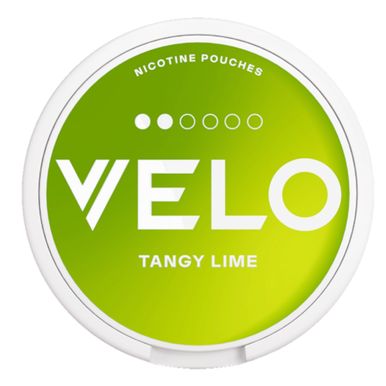
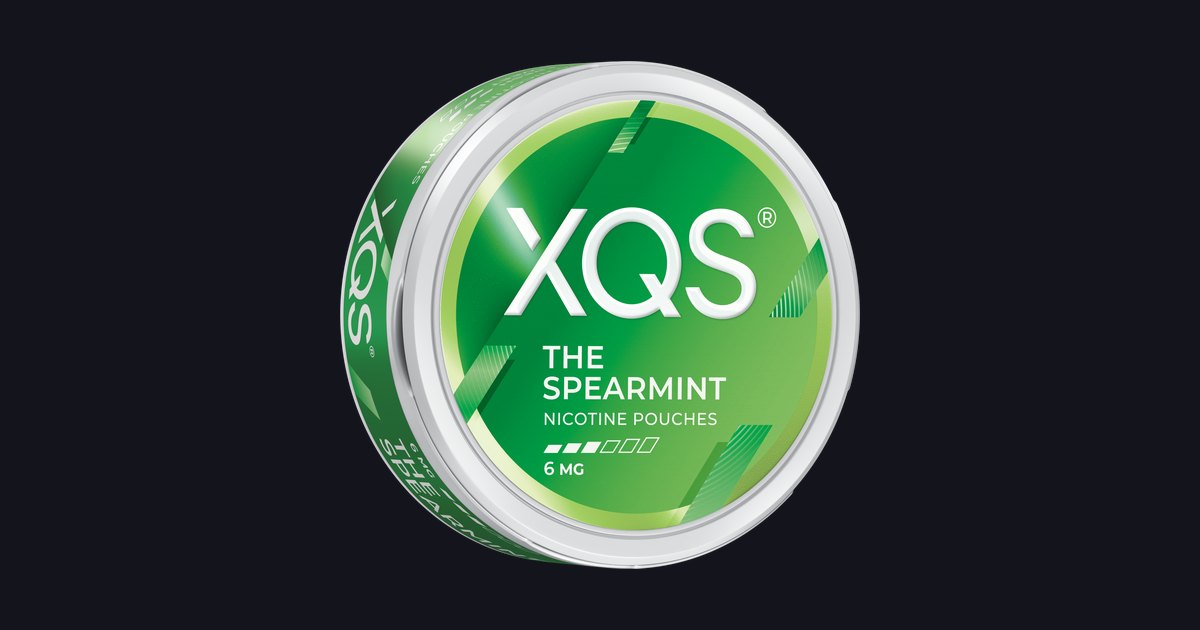
Two of those rows deserve a note before you go any further. The price range is the widest thing on the shelf: Velo Tangy Lime sits at £4.19 and XQS The Spearmint at £39.90, a gap of almost ten times between two listings filed under the same heading. That gap says nothing whatsoever about the pouches. It is very largely about how much product each listing covers — a single can against a larger quantity — and the awkward part of that is the second row worth noting: for six of the fifteen listings we hold no can count at all. For nearly half this shelf, a price-per-can comparison is simply not available to us, and we are not going to estimate one for you.
The declared range is worth a second look too. The shelf rule is "6mg or under", but the lowest figure actually present is 3mg, so this is not a shelf that runs down to nothing. If you want to see how the other bands are drawn, the Medium Strength shelf and the Strong shelf each publish their own recorded ranges, and those ranges overlap in places that the band names do not prepare you for. We say so on each of those pages rather than tidying it away.
What these fifteen listings have in common
More than the shelf heading suggests, and in one respect much more than is convenient. Six brands are represented, but they are not represented evenly. ZYN accounts for six of the fifteen listings, Rush for three and UBBS for three, with 77, Velo and XQS contributing one apiece. So half the shelf is two brands, and a shopper who has already decided against those two brands is looking at a much shorter list than the count at the top of the page implies.
The second thing they share is that every one of them carries a flavour tag. That sounds unremarkable until you look at the rest of the catalogue, where a good number of listings arrive with no flavour tag at all and simply cannot be found through a flavour filter. On this shelf that problem does not exist — but a different one does, which we come to below.
The third shared feature is format vocabulary. Several of these listings carry an adjective in the product name — "Light", "Gentle", "Mini" — that reads like a strength statement and is not one. That is a naming convention belonging to the brand that used it, and we have a section on it further down because it is the single most misleading thing on this page and it is not our doing.
And where they diverge
Sharply, in three places. The first is availability, and it falls almost perfectly along brand lines: every ZYN listing and every Rush listing filed here is currently unavailable, which is where all nine of the out-of-stock listings come from. Everything you can actually order from this shelf today is UBBS, 77, Velo or XQS. That is an unusually clean split and it is worth knowing before you spend ten minutes browsing.
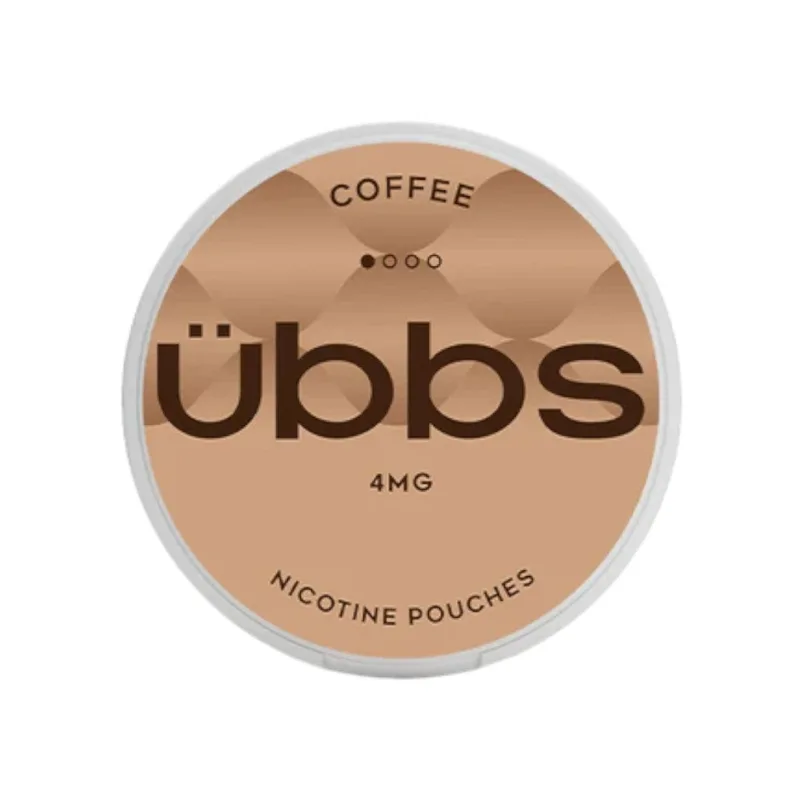
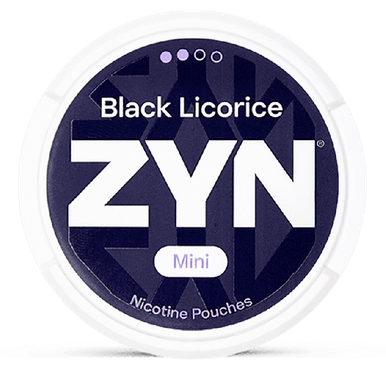
The second is price, already covered, and the third is flavour spread. Eight tags — berry, cherry, citrus, coffee, mango, mint, tropical and watermelon — are carrying fifteen listings between them, which means several tags are doing work they were never really designed for. There is no liquorice tag in our system, for instance, so ZYN Black Licorice, which is currently unavailable, has to sit under whichever of those eight comes nearest, and none of them is genuinely it. The same pressure applies at the other end: UBBS Coffee is the only listing here whose name says coffee, so the coffee tag on this shelf is effectively a tag for one can. Between those two extremes sit the broad tags. Mint covers a spearmint, an apple mint and a melon mint without distinguishing between them, and if a precise mint character matters to you, the tag will not get you there on its own — the wider mint shelf, with its 148 listings, has the same limitation at a larger scale.
When the name on the can and our filing part company
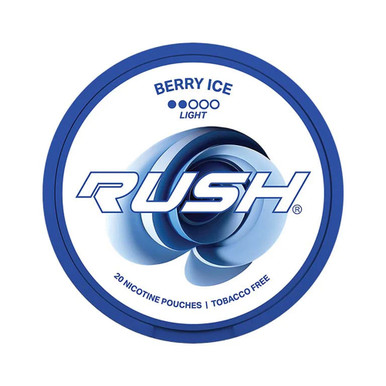
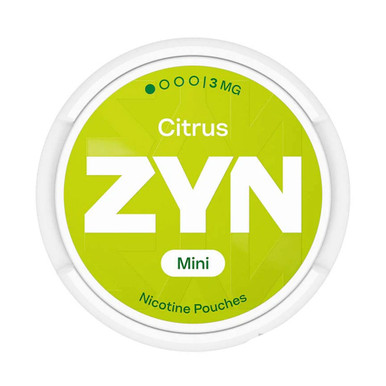
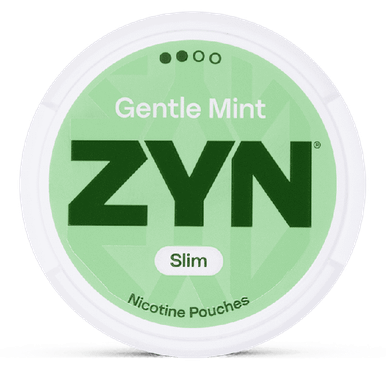
Three Rush listings here carry the word "Light": Rush Berry Ice Light, Rush Ice Cool Light and Rush Mango Freeze Light, all three of them currently out of stock. One ZYN listing carries the word "Gentle" — ZYN Gentle Mint, also unavailable at the moment. Another, ZYN Citrus Mini, carries "Mini", which is about the size of the can and the pouch rather than the figure declared on it.
None of those words is defined by anything. There is no industry register of what "Light" means, no threshold a can has to clear before a brand may call something "Gentle", and no rule stopping one house from using a word that another house would apply to a completely different figure. Two cans from two brands, both labelled "Light", can carry different declared milligrams. A can with no adjective at all can carry a lower figure than a can that has one. The adjective is marketing vocabulary; the milligram figure is the only part of the label with a fixed meaning.
The mismatch runs in the other direction across the rest of the catalogue, which is the part people find harder to believe. On the shelf we file as Strong there are listings whose own manufacturer naming includes the words "extra strong", sitting there because the declared figure put them there and not where the name pointed. Meanwhile the Extra Strong filing holds cans whose names say nothing dramatic at all. If you take one thing from this page, take that: the adjectives on the lids and our shelf headings are two separate vocabularies that happen to use overlapping words, and only one of them is anchored to a number.
We file on the number because it is the only thing we can file on consistently. It still is not perfect. A single listing can cover more than one can, our shelf assignment is one decision per listing, and that is why the recorded ranges on the four strength pages overlap rather than butting neatly against each other. We would rather print that plainly here than let the tidiness of four headings imply a precision the data does not have.
Separating listings the catalogue barely separates
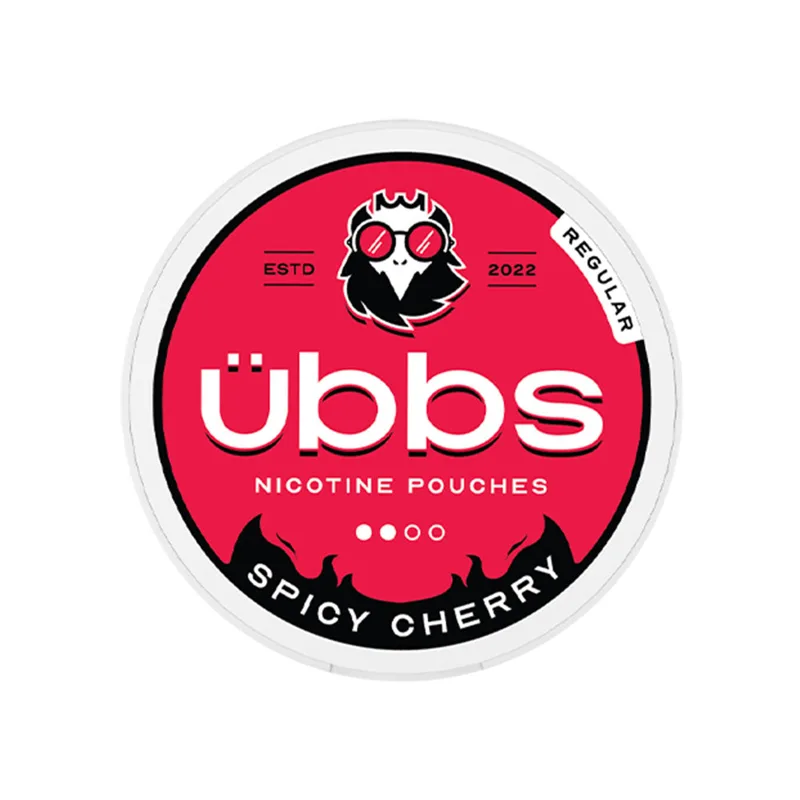
This is the honest difficulty of a shelf like this one. Three of the Rush listings differ from each other only in the flavour word. The three UBBS listings — UBBS Peach Passion, UBBS Spicy Cherry and the coffee one already mentioned — share a brand, share a price of £19.95 and share this shelf. When six ZYN listings sit in a row at £19.99 each, the catalogue has handed you almost nothing to choose between them with. Here is the order we would actually work in.
- Stock first, because it removes most of the problem. Nine of these fifteen cannot be ordered today. Filtering to what is orderable takes the decision from fifteen listings down to six, and six is a list a person can hold in their head.
- Then the flavour family, not the flavour tag. Decide whether you want a mint character or a fruit character before you look at anything else. That single decision splits this shelf more usefully than any other question, because the tags underneath it are too coarse to split it further.
- Then the declared figure on the product page. The shelf covers 3mg to 6mg, which is a real spread within one heading. Two listings on the same shelf are not necessarily carrying the same number, and the product page states it.
- Then the can count, when we have one. For six listings we do not, and where the figure is missing we will not guess at it. Where it is present, it is usually what explains a price like £39.90 sitting next to a price like £4.19.
- Then price, read as price per can and not as a headline. A £4.19 listing and a £39.90 listing are frequently not comparable objects at all. Reading the headline figures against each other is the fastest way to a disappointment on delivery day.
- Then brand familiarity, last and unapologetically. If you already buy one of these six brands, that is real information and it is yours. It is not information we have, and we are not going to pretend otherwise.
When the list still will not split
Sometimes it does not, and the correct answer is to say so. If two listings share a brand, a price, a shelf and a flavour family, we have no further fact to offer you and we are not going to invent a tie-breaker — no house favourite, no nudge, no "most people go for this one". What we can suggest, and it is a practical suggestion rather than a persuasive one, is that buying a smaller quantity of an unfamiliar flavour costs less to be wrong about than buying a large one. The Velo listing at £4.19 is the cheapest thing on this shelf by a wide margin for exactly that reason.
The other thing worth doing when a shelf will not split is to stop using this axis and use another one. If you arrived here by strength but what you really care about is a flavour, the flavour shelves will cut the catalogue differently — the berry shelf holds 76 listings and the tropical shelf 58, both of them drawing from every strength band rather than just this one. If you care about a brand, the brand shelves do the same thing again.
Stock: nine listings of fifteen cannot be ordered
We would rather lead with this than bury it. Six in ten of the listings on this shelf are unavailable at the time of writing. Every one of them still has a page, and those pages are worth reading if you want to know what the listing is — but you cannot buy from them today, and nothing on this page should be read as suggesting otherwise.
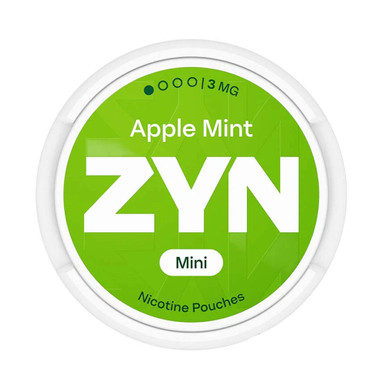
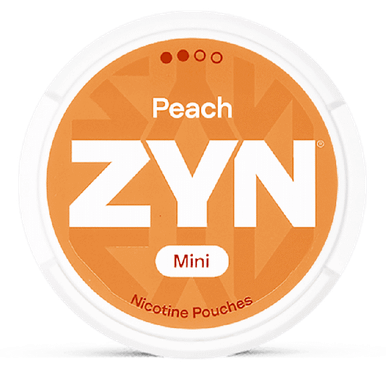
The unavailable listings are the three Rush ones named above, plus ZYN Apple Mint, ZYN Lemon Spritz, ZYN Peach, the liquorice and gentle mint listings already linked, and the Mini one. That is the whole ZYN and Rush presence on this shelf.
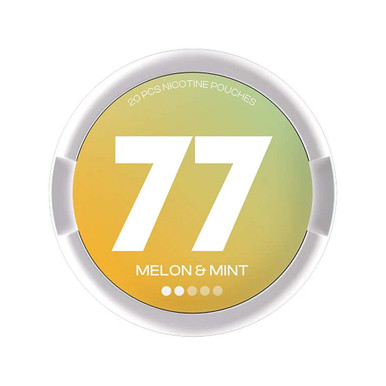
What is orderable is short enough to print: 77 Melon Mint at £39.90, the three UBBS listings at £19.95, the XQS spearmint listing at £39.90 and the Velo one at £4.19. Six listings, four brands, and a price spread that is mostly about quantity rather than about the cans themselves.
We do not hold restock dates and we will not invent them. If a listing you want is unavailable, the honest options are to check back, to look at what the same brand has filed on another strength shelf, or to widen the search across the full catalogue.
Crossing this shelf with the rest of the catalogue
Strength is one of three axes we file on, and it is the bluntest of them. The other two are brand and flavour, and using this shelf together with one of those is usually how a shopper gets from a long list to a short one.
Brand first. None of the brands filed here appears on every strength shelf, and the reverse is also true: several brands with substantial presences elsewhere have no listing on this shelf at all. Pablo, with 56 listings, and Cuba, with 47, are the two largest of those — neither of them files anything at 6mg or under, so if one of those names is what brought you to the site, this shelf is not where their cans live. That is a fact about our filing, not a comment on the brands.
Flavour second. The flavour shelves cut across every strength band, which makes them the better axis when a taste matters more to you than a number. The mint, berry and tropical shelves linked above are the three largest. They carry the same coarseness problem this shelf has, and their pages say so.
The other strength shelves are worth a look purely as comparison. The 135 listings we file as Medium and the 98 we file as Extra Strong are both far larger than this one, which is the main reason a shopper browsing by strength alone will find more to read there. Larger is not better, and a bigger shelf is not a recommendation — it is a count. If you want none of these axes and would rather just see everything, the whole catalogue in one grid is the plainest way to do it, and if you want to know what the format is before you look at any of it, our plain explanation of what a pouch is covers that without selling you anything.
Ordering, delivery and the age check
Orders from this shelf go through the same checkout as everything else on the site. Age verification happens at checkout, and a courier may ask for identification when the parcel is handed over. If nobody who can show ID is there to receive it, the parcel does not get left, and that is not something we can waive on request.
Prices on this page are the listing prices as they stand, and a listing price covers whatever quantity that listing covers, which is not the same across the shelf. Where we hold a can count we show it on the product page; where we do not, the product page says nothing rather than guessing, and you should read the listing price as the price of the listing rather than the price of a can.
If an item shows as unavailable you cannot add it, and adding an item to a basket has never reserved it. Stock figures on this page were correct when the page was built and move independently of it.
The notice we are required to give
Everything on this shelf is sold only to adults aged 18 or over who already use nicotine. Nicotine is an addictive substance. It is not a licensed stop-smoking medicine and is not offered, described or intended as one. These products are not intended for non-smokers, for anyone who does not already use nicotine, for under-18s, or for anyone who is pregnant or breastfeeding. We may ask for proof of age at checkout and ID may be requested again on delivery.
Frequently asked questions
What does "Low Strength" actually mean on this site?
It means one thing only: the listing's declared strength is 6mg of nicotine per pouch or lower, taken from the manufacturer's labelling. It is our filing decision, applied to make the catalogue sortable. It carries no judgement about the product, no suggestion about who it is for, and no relationship to any other shop's use of the same words. The lowest figure currently recorded on this shelf is 3mg, so the band runs from 3mg to 6mg in practice rather than from zero.
Which strength should I buy?
We cannot answer that, and we would rather say so than improvise. We do not know what you already use, how often you use it, or what you have used before, and those are the only facts that would make one milligram figure mean anything next to another. The one reference point that exists is the can you already buy: its declared figure is on its own label. Compare that number to the number on the listing you are looking at. That comparison is yours to make, not ours.
Is a lower number better than a higher one?
No, and neither is the reverse. The four strength shelves are bands we sort listings into, not a scale running from worse to better or from beginner to expert. A listing on one shelf is not an improvement on a listing on another, nothing here is a step towards anything, and we will not suggest that anyone move between them. The shelves exist so that a shopper who already knows what figure they are looking for can find it quickly, and for no other purpose.
Does "Light" or "Gentle" on a can mean the same as this shelf?
No. Those words are manufacturer naming and nothing defines them. There is no standard that says what "Light" must mean, no threshold a can has to meet before a brand can call it "Gentle", and no reason two brands using the same word are describing the same figure. A can with no adjective at all can carry a lower declared figure than one that has one. Read the milligram figure on the product page and on the can; treat the adjective as part of the name.
Why do the strength shelves overlap?
Because a single listing can cover more than one can, while our shelf assignment is one decision per listing. That means the range of declared figures recorded against the listings on a shelf can run wider than the shelf's heading implies, and the ranges on adjacent shelves can overlap rather than meeting cleanly. We print the real recorded range on each strength page instead of hiding it. The number on the product page, and on the can in your hand, is always more reliable than the shelf heading.
Why can I not order most of this shelf?
Nine of the fifteen listings are unavailable at the moment, and they fall almost entirely along brand lines: every ZYN and every Rush listing filed here is out of stock, while everything orderable is UBBS, 77, Velo or XQS. We leave unavailable listings visible because their pages still describe a real product, but we flag them rather than letting you find out at the basket. We do not hold restock dates and will not invent one.
Why is one listing £4.19 and another £39.90?
Almost entirely because the listings cover different quantities. A single can and a larger quantity can both appear as one listing with one headline price, so comparing those headline prices tells you very little. Where we hold a can count we publish it on the product page; for six of the fifteen listings here we do not hold one at all, and we will not estimate. Read the price as the price of the listing rather than the price of a can.
Does every listing here have a flavour tag?
On this shelf, yes — all fifteen carry one, which is not true everywhere in the catalogue. The catch is the other direction: eight tags are covering fifteen listings, so some tags are stretched a long way. There is no liquorice tag, so a liquorice-named can has to sit under whichever tag is nearest. The mint tag covers several quite different mints without separating them. The tags are a filter, not a description.
How many pouches are in a can?
It varies by brand and we do not hold the figure for every listing. Where a can count is recorded it appears on the product page. For six of the fifteen listings on this shelf we have no can count at all, and rather than fill the gap with a plausible-looking number we leave it blank. If the quantity matters to your decision, the can itself states it, and it is worth checking before you compare one listing's price against another's.
Can I combine this shelf with a flavour or a brand?
Yes, and it is usually the fastest way to shorten a list. The flavour and brand shelves cut across every strength band, so starting from a flavour you already know and then reading the declared figures is often more useful than starting here. Bear in mind that several large brands file nothing at 6mg or under, so a brand you are looking for may simply not appear on this shelf at all — that is our filing at work, not a gap in the range.
Will these listings come back into stock?
We do not know, and we will not put a date on it to make the page feel more helpful. Availability depends on supply we do not control. The pages stay up while a listing is still part of the catalogue, so you can read them and check back. If you need something orderable today, the six available listings are named above, and the wider catalogue holds a great deal more across the other three strength shelves.