Home / Low Strength / Velo Tangy Lime Nicotine Pouches
Velo · 6mg
Read the full guide
Velo Tangy Lime Nicotine Pouches
£4.19
✔ In stock — ready to ship
100% tobacco-free
Free over £20
Same-day dispatch
Secure checkout
Velo Tangy Lime Nicotine Pouches are in stock and orderable as this is written, priced at £4.19. One strength is declared against the product: 6mg. There is no second variant, so the only decision this listing asks of you is whether you want the can — a shorter question than most pages on this site have to answer.
Two things about the filing are worth putting at the top. The first is that this can sits on the Low Strength shelf, which holds just 15 entries — by a distance the narrowest of our strength groupings, against 135 on Medium Strength and 132 on Strong. If you navigate this shop by strength shelf and you browse the low one, you are looking at a very short list, and this is one of the fifteen cans on it.
The full guide to Velo Tangy Lime Nicotine Pouches
4,939 words on how it eats, who it suits, how to serve it and what to put beside it.
Velo Tangy Lime: one figure, and our narrowest strength shelf
The second is that the flavour record carries a single entry: citrus. Not lime. The product name says lime; the shelf says citrus, because citrus is the family we file by and lime is a member of it. That is not a contradiction and it is not an error — it is the ordinary gap between a manufacturer's flavour name and a shop's filing system, and it is worth naming because it shapes how much this page can tell you. Our record narrows the flavour to a family. The can narrows it to a fruit.
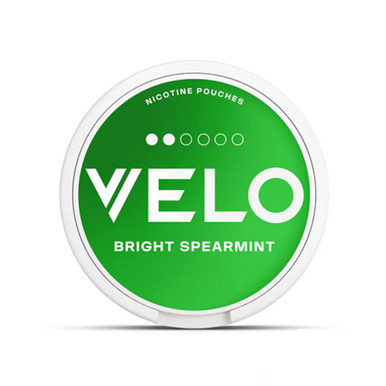
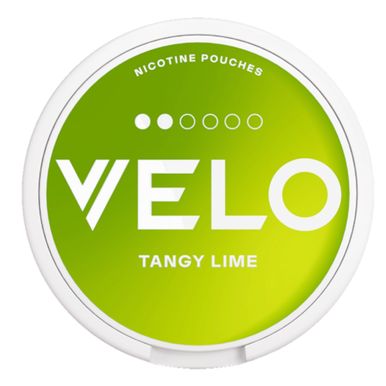
The listing carries one photograph, showing the can face and the printing on it, with no pouch outside the tin and nothing held against it for scale. Our record holds no cans-per-pack figure, so this page cannot tell you whether £4.19 covers one tin or several — the field is empty and the order screen is where it gets settled.
Alongside the strength and flavour filings, the can sits on the Velo brand shelf with 20 siblings. This is an age-restricted nicotine product sold to adults who already use nicotine, and the compliance wording is set out in full near the end of the page.
Lime as a taste, and what the word Tangy is doing
Lime is the sharpest of the common citrus flavours. Where orange reads sweet and round and lemon reads bright and clean, lime carries a green, slightly bitter edge underneath the acidity that the other two do not have — it is the reason lime works in savoury contexts where orange would be absurd. In a dry pouch, that edge is generally the most identifiable part of the flavour, and it tends to be strongest in the first few minutes and then settle into something rounder.
Tangy is a taste word. It describes acidity — the sharp, mouth-watering quality that citrus has and that vanilla, for example, does not. It belongs to the same vocabulary as sweet, bitter and salty, and it is telling you what the flavour tastes like. It is not a claim about anything the pouch causes and we are not presenting it as one. Flavour names do this constantly across the whole catalogue: a word that describes taste gets read as a promise about experience, and the honest thing to do is to say plainly which one it is.
Where a lime can differs most from other citrus cans is in the balance of sweet against sharp. Lemonade-named cans, for instance, are sweetened citrus by definition, and they read as a soft drink rather than a fruit. Killa Exclusive Lemonade at £33.50 and Pablo Exclusive Lemonade at £3.85 are both in stock and both sit on that sweeter side. A straight lime does not. If you are moving from a lemonade can to this one, the drop in sweetness is the change you will notice first, and it is a deliberate difference of type rather than a fault.
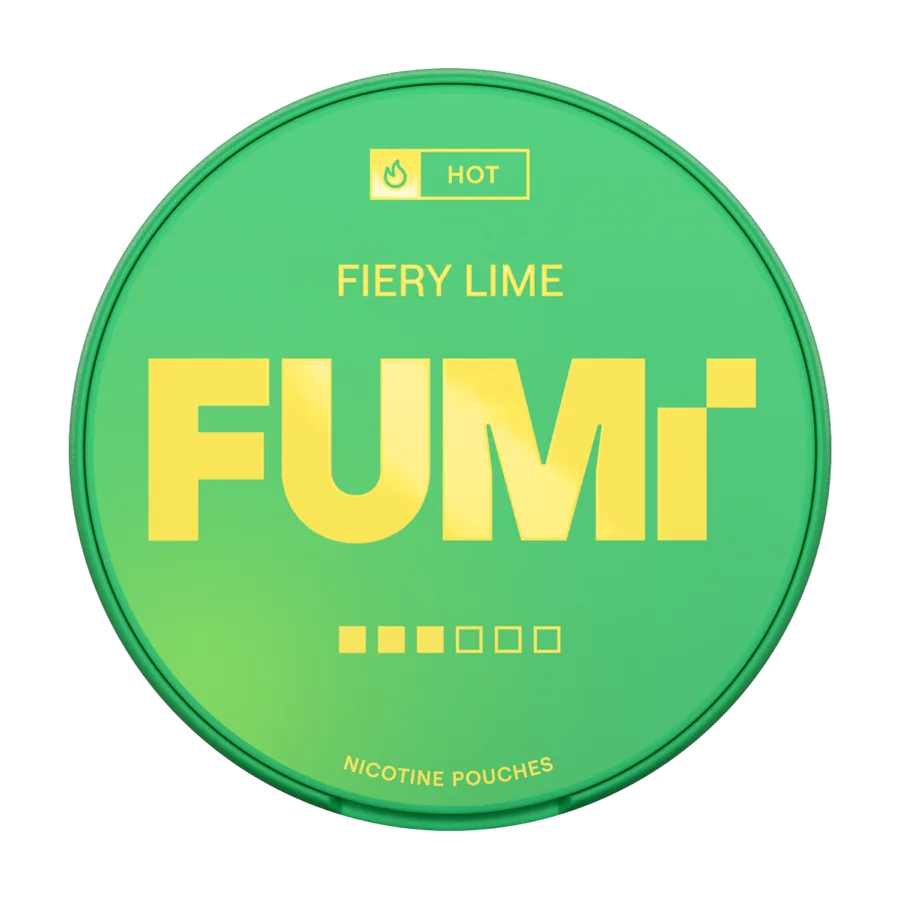
What our record does not carry is any cooling entry for this can. Some citrus cans are built with a cold note over the fruit and are filed under mint as well as citrus; this one is filed under citrus alone. XQS Citrus Cooling at £39.90, in stock, puts that cold word in its own name. Fumi Fiery Lime at £27.90, also in stock, uses a heat word instead, which in flavour naming usually points at a spiced or peppery reading rather than a cold one. Both are names chosen by their manufacturers. Neither is a scale we have verified, and we are not ranking them.
What people keep alongside a sharp can
Very few people run a single can indefinitely. A flavour used on its own stops registering after a while — your attention moves on even though the recipe has not — and the usual answer is two cans kept in rotation. A sharp citrus is a particularly useful thing to build a rotation around, because it is at one extreme of the flavour map and almost everything else contrasts with it cleanly.
Staying inside the brand
The lowest-friction companion is another Velo can: the format stays constant and so does the £4.19. Velo Lime Flame is the obvious one to mention and the obvious one to be careful about — it is the brand's other lime-named can, in stock at £4.19, and it uses a heat word where this one uses a taste word. Whether the two are close or far apart in the mouth is not something our record tells us, and having both is the only reliable way to find out.
For a genuine contrast inside the brand, the mint group is the place to look: Bright Spearmint, Crispy Peppermint and Freezing Peppermint, all £4.19 and all in stock. For fruit rather than mint, Cherry Ice and Icy Berries are both £4.19 and in stock, and both sit on the sweet, dark side of the map — about as far from a green citrus as this brand goes.
Other citrus cans on the shelf
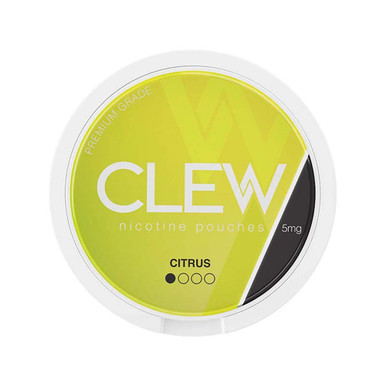
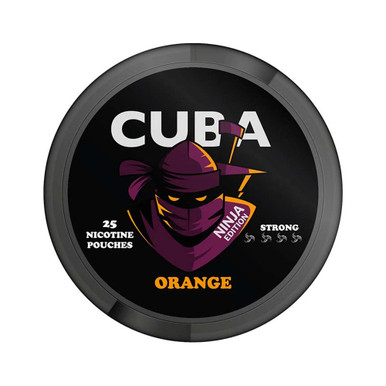
The citrus shelf holds 25 entries, which puts it among our narrower flavour groupings — larger than grape, much smaller than mint or berry. Within this can's neighbour group, the in-stock citrus options are Clew Citrus at £39.90, which like our own record names the family rather than a fruit; Cuba Ninja Orange at £39.90, which is the sweet, round end of citrus rather than the sharp end; and the two lemonade cans and the cooling can named earlier.
The price spread across that group is worth noticing: £3.85 for the Pablo lemonade can, £4.19 here, then a jump to £27.90, £33.50 and £39.90 for most of the rest. Only one neighbour in the entire group is cheaper than this listing. But do not read the spread as a quality ladder — we hold no cans-per-pack figures for those higher-priced listings, so a larger number very probably means more tins rather than a better product, and the order screen is the only place that can be confirmed.
Two citrus cans you cannot buy at the moment
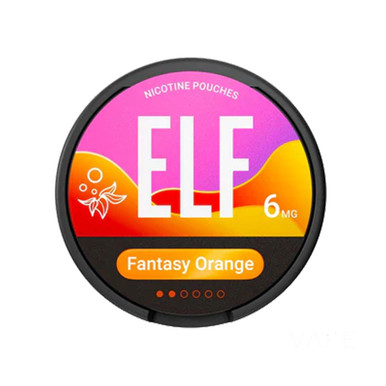
Two of this can's neighbours are currently out of stock, and we would rather say so here than let you discover it at the basket. ZYN Citrus Mini at £19.99 is unavailable as written — worth knowing because it is the only mini-format citrus in the neighbour group, so if a smaller portion was what you were after in this flavour family, that route is closed for now. Elf Bar Fantasi Orange at £29.90 is also unavailable. Both pages remain live and readable. We do not publish restock dates, because any date we gave you would be a guess, and an unavailable listing is not in itself a sign that a product is being dropped.
The outliers, for when you want nothing like this at all
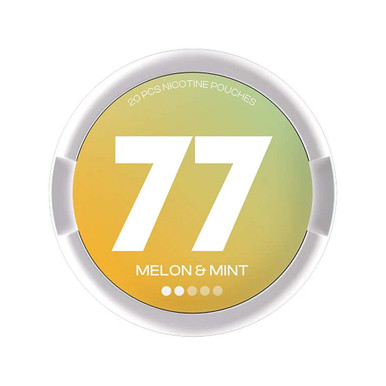
Two cans in this product's neighbour group are nothing like a lime and are all the more useful for it. UBBS Coffee at £19.95, in stock, is about as far from a sharp citrus as our shelves go — coffee sits on the bitter axis where lime sits on the sour one, and the two have almost nothing in common. 77 Melon Mint at £39.90, also in stock, pairs a soft, sweet melon with a mint tag, which is the opposite construction to a sharp fruit with no cooling note.
Both appear in this can's neighbour list because of shared strength and format categories rather than any flavour similarity, which is exactly why they work as a change of pace. If the thing you want from a second can is genuine distance from the first, those are the two to look at.
Pairing by contrast or by adjacency
There are two coherent ways to choose a companion and they pull in opposite directions. Pairing by contrast — lime and coffee, lime and mint — gives you two cans that never blur into one another, and it is the approach that keeps both flavours reading clearly for longest. Pairing by adjacency — lime and lemonade, lime and orange — gives you variation within a family, which some people prefer because they are not really after a different experience so much as a different day.
Neither is better. What matters practically is that adjacent pairings need more attention to which can you are opening, because two citrus tins look similar in a drawer and the printed face is the only thing distinguishing them.
Keeping two citrus tins apart
One small practical matter that only comes up with adjacent pairings. Two citrus cans in the same drawer are hard to tell apart at a glance, and with this brand the problem is sharper than usual because every can in the line shares a price and a house style — the printed top face is the only thing distinguishing one from another. Keep tins face up rather than stacked on their lids, and do not put a sticker over the printing, because that printing carries the flavour name and the declared figure and is the only identification the object has.
The same applies if you keep cans in more than one place, which most people end up doing: one in a bag, one at home. A tin that lives in a bag is the one that gets forgotten about and opened months later, and a tin you cannot identify is a tin you have to open to identify. Neither problem is serious; both are avoidable with thirty seconds of thought when the shopping arrives.
How many cans to keep going
Two is comfortable. Three is the point at which the least-used can starts flattening before it is finished, because pouches fade gradually once a tin is opened and a can you reach for twice a week sits open a long time. That is an observation about how the goods behave on a shelf, not a comment on how much anyone should use. Buying four flavours at once because £4.19 felt like nothing is the standard route to three tired tins and one favourite.
The format in practice
The mechanics are identical across everything we sell, so they are worth stating once rather than assuming. A pouch is a small sealed portion, soft and dry to the touch, intended to sit between the gum and the upper lip. It is not chewed. It is not swallowed. It is placed, it stays where it is put, and it is removed and thrown away when the person using it is done with it.
Portion shape and size differ between manufacturers and that difference registers before any difference in taste does — a slim portion tends to be less noticeable from the outset, a rounder one sits more obviously at first and usually settles. Our listing does not publish a portion format for this can, so we cannot tell you in advance which sort Velo uses here.
How long people keep one in varies enormously and there is no standard worth quoting. Ten minutes is ordinary; the better part of an hour is also ordinary. We are not going to offer a figure, and we are certainly not going to suggest one. The only thing worth saying about time concerns the flavour alone: a citrus reads sharpest early and rounds off as it goes, so the taste changes character rather than simply fading.
The tin is a shallow round press-fit can. The lid lifts clear with a thumb and presses back down until it seats; underneath it is a catch compartment for used pouches, which is a holding place rather than a disposal method. Used pouches belong in general waste — not a sink, not a drain, not a street or a verge. We do not publish a portion count for this listing, so we cannot tell you how many are in a tin; the packaging states it.
6mg as a printed figure
One figure is declared against this product: 6mg. That is label information — the number the manufacturer prints, reproduced in our record without adjustment.
With a single variant, most of what a strength section usually does does not apply. There is no ladder here, no comparison between variants of the same can, and no possibility of this page appearing to nudge anyone through a range. The number lets you tell this product apart from others whose figures are printed the same way, and that is all it does.
Even that comparison is looser than it appears. Manufacturers state their figures on different bases and we neither audit nor normalise them, so the same printed number on two cans from two brands is two printed numbers rather than a like-for-like measurement. We will not present it as more than that.
We cannot advise you whether 6mg suits you. We hold nothing that would let us answer it, it is not a shop's place to decide, and there is no honest version of that answer. Anyone who already uses nicotine will have their own frame of reference, and anyone who does not should not be buying this product at all.
What we can tell you is where the figure puts the can in our filing: on our 15-entry low-strength grouping, rather than on Medium, Strong or Extra Strong. A shelf name describes where we filed a product. It is not a measurement and it is not a recommendation.
Carrying a can, and whose rules apply where
This section deals with the practical business of having a tin about your person, and with the question we get asked most often and answer least satisfyingly: where may I use one. The short version is that the first half is ours to describe and the second half is not ours to answer.
The object itself
A pouch tin is a shallow cylinder, roughly the diameter of a large coin and about a thumb deep. It goes into a jacket pocket without complaint, into a jeans pocket less comfortably because of its depth, and into any bag without being noticed. It is light, it does not rattle much, and the lid stays on if it has been seated properly.
The practical consideration when carrying one is not size but temperature. A tin pressed against a warm laptop in a bag, or left in a car in summer, loses flavour definition faster than one kept in a drawer — and a citrus can shows that quickly, because the bright top of the aroma is the first thing to go. The storage section below covers this properly.
Venues, employers and anyone else who owns a room
Whether you may use a pouch in a particular pub, office, shop, stadium, hospital, school or anywhere else is a matter for whoever runs that place. They set their own rules, those rules differ from one organisation to the next, and they change without telling us. An employer may have a policy; a venue may have a house rule; a landlord may have a tenancy clause.
We sell the product. We do not speak for anybody else's policy, we have no standing to interpret one, and a shop page that told you what you could get away with somewhere would be worth less than nothing. If it matters, ask the organisation concerned — they are the only source that is actually authoritative.
Transport, travel and borders
The same applies to transport operators, and then some. Rail companies, airlines, coach operators and ferry lines each set their own conditions of carriage, and those conditions are theirs to state. Beyond that, the legal position on nicotine pouches differs from country to country, and some countries restrict or prohibit products that are sold openly elsewhere. That is a matter of law rather than policy, it changes, and it is emphatically not something a product page should be summarising for you.
If you are travelling with a can, check the operator's conditions and check the rules of the place you are going. We are not able to advise you on either and we are not going to pretend otherwise.
Discretion inside a household
One setting we can speak to, because it is about the product rather than someone else's rules: a tin in a shared house needs to be kept where an adult keeps things. Out of reach of children, and out of the way of anybody in the household who does not use nicotine. That is ordinary care for an age-restricted product and it is not a statement about health in any direction.
Related, and easy to overlook: do not decant pouches out of the can. A pouch outside its own tin carries no printing, which means nobody can tell what it is or what figure it carries — an inconvenience for you and a genuine problem if someone else in the house finds one.
What we will not tell you
To be explicit, since the subject invites it: we will not tell you where you can use a pouch without anyone noticing, we will not frame the format as a way around anybody's rules, and we will not offer advice about how or when to use one. The format is small and the tin is small. Those are facts about the object. What follows from them, in any particular room, is between you and whoever owns the room.
Fifteen entries on the low strength shelf
The Low Strength shelf is the narrowest strength grouping we run, with 15 entries against 135 on Medium Strength, 132 on the Strong grouping and a further set on Extra Strong. That is a genuine structural fact about this catalogue and it is worth stating plainly rather than leaving for you to work out: most of what we stock is filed above this shelf, and a can filed on it is in a small minority.
We are not going to draw any conclusion from that beyond the arithmetic. It is not a statement that low-strength cans are better or worse, more or less suitable for anyone, or a starting point of any kind. It is a description of what we happen to hold. If you browse by that shelf, expect a short list; if you browse by flavour, expect most of what you find to be filed elsewhere.
Within the citrus family specifically, this combination — a citrus-filed can on the low shelf — is unusual enough that the neighbour list for this product reaches well outside both categories to fill itself out, which is why a coffee can and a melon can appear in it.
The Velo line as we hold it
Twenty-one Velo entries sit on the brand shelf, all at a flat £4.19. The six nearest this one are all in stock as written: Bright Spearmint, Cherry Ice, Crispy Peppermint, Freezing Peppermint, Icy Berries and Lime Flame.
As a group that is three mint-family cans, two on the sweet fruit side, and one other lime. Tangy Lime and Lime Flame are therefore the two citrus entries among the Velo cans closest to this one, which makes them each other's most direct sibling on our shelves — same brand, same price, same fruit in the name, different second word.
The flat price across the line is the most useful structural fact about this brand here: moving between Velo cans costs nothing extra, so the choice is entirely about what is printed on the face. Most brands are not arranged that way. Pablo and Cuba both run wide internal price spreads — the Pablo shelf alone contains a £3.85 listing and listings many times that — with editions and formats priced well apart from one another.
Storage and the condition of a tin
Heat and air are what degrade a can of pouches, and a citrus can gives the game away sooner than most because the bright top of the aroma is the most fragile thing in it.
Heat first. A tin on a sunny windowsill, a dashboard, a radiator shelf or in a bag against a warm laptop reads flatter within days rather than weeks. What goes is the lift at the front of the flavour; what is left is the rounder, duller part of it, with the faint bitterness underneath a little more exposed than it was. That is not a defect and it is not a safety matter. It is simply a worse can than you bought.
Air second. The press-fit lid does its job when it is seated and very little when it is sitting proud, which is easy to do in a hurry and easier still when the catch compartment underneath is full of used pouches. Empty it when you open the can rather than when it overflows, and press the lid until it seats.
One point specific to a can that has travelled to you. A sealed tin survives being posted, but a parcel that has spent a summer afternoon in a delivery van has had a warmer journey than one delivered in February, and a citrus can is the kind that shows it. If a tin arrives reading flatter than you expected, that is the likeliest explanation, and keeping it properly from then on will at least stop it going further.
Beyond that: room temperature, dry, out of direct sun. Not the fridge — taking a cold tin into a warm room puts moisture on it, and damp is worse than warm. Not the freezer either. A drawer or a cupboard is ideal and requires no thought at all, which is the point.
Buying, ID and delivery
The can is in stock at £4.19 with a single 6mg variant, so there is nothing to select on the product page beyond quantity.
This is an 18+ purchase. Age verification applies at checkout and ID may be requested on delivery — a courier is entitled to refuse to hand an age-restricted parcel to someone who cannot show they are old enough to receive it. Keep ID to hand if you are expecting a delivery, and think twice about having the parcel left with a neighbour who would have to account for it.
If you are buying more than one can, a single order is the practical choice: nothing on this listing changes with quantity, so the only saving available is on delivery. And if you are adding one of the £27.90-and-up neighbours to the basket, look at what that price actually covers before you set it against £4.19.
Where this page sits on the site
Three shelves lead here. The Velo brand page lists all 21 entries from this maker and is the quickest way to move between cans at one price. The citrus shelf is the flavour-family view at 25 entries — short enough to read through in a sitting. The Low Strength shelf is the narrowest grouping we run, at 15.
If filtering is not what you want, the full catalogue is browsable in one place. The strength shelves above this one are Medium Strength, the Strong shelf and Extra Strong, and those names record where we filed things rather than recommending anything to anyone.
Questions about this can
Why does the shelf say citrus when the can says lime?
Because our flavour shelves are built on families rather than individual fruits. Citrus is the family; lime is a member of it. The product name is the more specific of the two and is the better guide to what is in the tin. It is a difference of granularity rather than a disagreement between the two labels.
What does Tangy mean here?
It is a taste word describing acidity — the sharp, mouth-watering quality citrus has. It belongs with sweet, bitter and salty rather than with any claim about what the product does, and we do not present it as anything else.
Is this the same as Lime Flame with a different name?
We cannot tell you how the two recipes relate. What the records show is that both are Velo cans at £4.19, both in stock, both naming lime, with different second words chosen by the manufacturer. The Lime Flame listing uses a heat word where this one uses a taste word. Beyond that we would be speculating, and at an identical price, having both is the only way to actually find out.
Is there a stronger version of this can?
Not on this listing — 6mg is the only declared figure and no second variant is offered. Other Velo cans carry several figures, but those are different flavours rather than stronger versions of this product, and we are not going to point you at a higher number as though it were a natural next step.
How many pouches are in the tin?
We do not publish a portion count for this listing, so this page cannot tell you. The can states its own count. We would rather leave the gap visible than print a general figure for round tins as though we had checked it for this product.
Does £4.19 buy one can or more than one?
Our record carries no cans-per-pack figure, so we cannot answer it from here. The order screen is the authority on what the price covers, and if it is still unclear there, ask us before you commit.
Why is one neighbour £3.85 and another £39.90?
Almost certainly because those listings cover different quantities, but since we do not hold cans-per-pack figures for them, we cannot state that as fact. The Pablo lemonade can at £3.85 is the only neighbour of this listing priced below it. Treat the spread as a difference in what is being sold rather than a difference in quality.
When will the ZYN citrus mini be back?
We do not know. That listing is out of stock at £19.99 as written and its page is still live. We do not publish restock dates because they would be guesses, and an unavailable listing is not by itself a sign of a product being discontinued. The same applies to the Elf Bar Fantasi Orange can at £29.90, which is also unavailable.
Do you know where these are made, or who makes them?
We do not hold that information and we do not publish it. The brand name on the can is Velo, and nothing on this page is a statement about origin or manufacture.
Can I use one at work or on a train?
That is for your employer or the operator to say, not us. Their rules vary between organisations and change over time, and we have no standing to interpret them for you. Ask them directly — it is the only answer that is worth anything.
Is a low-strength can a good place to begin?
That is not a question we will answer, because any version of an answer would be a strength recommendation and would also imply that this page is addressed to someone who does not already use nicotine. It is not. These products are sold to adults who already use nicotine, and we cannot advise anybody on which figure to choose.
My can tastes duller than it did. Has the recipe changed?
Most likely not. The bright top of a citrus flavour is the first casualty of heat and of a lid that has not been seated, and the fade is gradual enough that people usually notice only when they open a fresh tin. Nothing in our record suggests recipes vary between batches, and we would not claim to know if they did.
Is there a mini-format version of this flavour?
Not from this brand on our shelves, and the one mini-format citrus in this can's neighbour group — the ZYN Citrus Mini — is unavailable as written. Mini is a format rather than a flavour: a physically smaller portion, which changes the object before it changes the taste.
Compliance, set out in full
Nicotine is an addictive substance. That applies to this product at its single declared figure of 6mg exactly as it applies to everything else on these shelves.
This can is sold only to adults aged 18 or over who already use nicotine. We do not sell to under-18s. Age verification applies at checkout and ID may be requested on delivery.
It is not a licensed stop-smoking medicine and is not offered, described or intended as one. It is not intended for non-smokers, for anyone who does not already use nicotine, for under-18s, or for anyone who is pregnant or breastfeeding.
Nothing on this page is medical advice and this page makes no claim about health, safety or harm in any direction. We cannot advise on strength and we do not tell anyone how much to use. Keep cans out of reach of children and away from anyone in the household who does not use nicotine.
To close
Velo Tangy Lime is a single-figure citrus can at £4.19, declared at 6mg, in stock as written, filed under citrus on a 25-entry shelf and on the 15-entry low strength grouping. What this page holds, it has given you: the price, the figure, the family, the stock position of every neighbour named, including the two you cannot currently order. What it does not hold — the portion count, the cans per pack, which fruit the citrus tag would narrow to without the product name — has been left visible rather than filled in. If you want the wider view, everything we stock is one page away.
More from Velo

More low strength pouches


More citrus pouches
Where this sits
Velo Tangy Lime Nicotine Pouches appears in these categories. Browse them, or jump to something close.
You might also like