Home / Low Strength / UBBS Coffee Nicotine Pouches
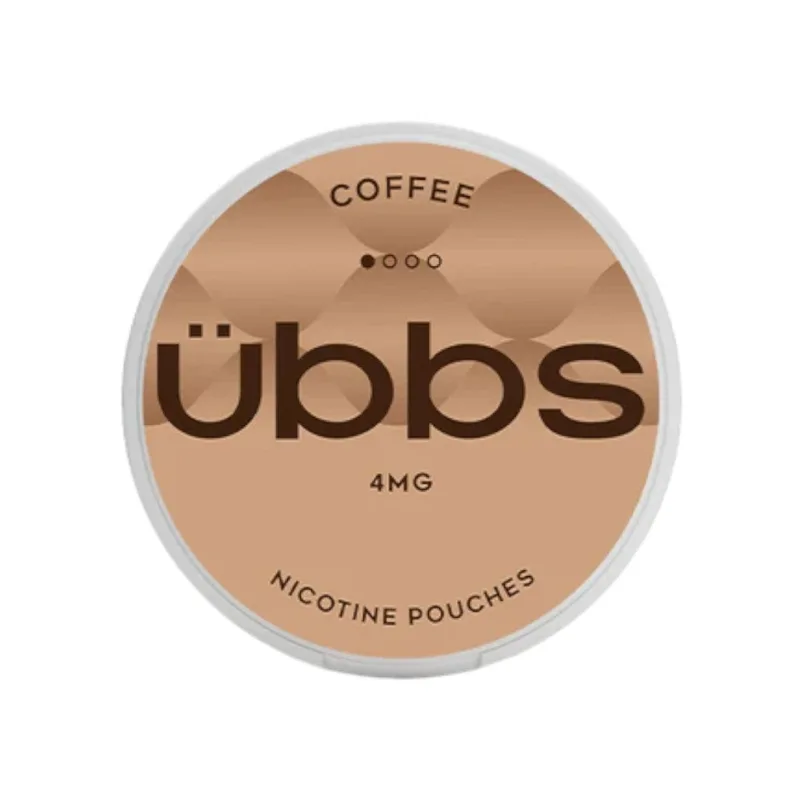
UBBS · 4mg · 5-can pack
Read the full guide
UBBS Coffee Nicotine Pouches
£19.95
✔ In stock — ready to ship
100% tobacco-free
Free over £20
Same-day dispatch
Secure checkout
UBBS Coffee Nicotine Pouches. Brand UBBS. Product name Coffee. Flavour tag in our catalogue: coffee. One declared strength and no variants — 4mg. Price £19.95 for a pack of 5 cans, which divides to £3.99 a can. One image on file. Our record shows it available as this is written.
Two things about this listing make it unusual on our shelves and they are both worth stating before any description. The first is the declared figure: 4mg is the lowest number in the whole UBBS range we carry, and low enough that this can is filed on a different strength shelf from every other listing the brand gives us. The second is the flavour, which sits in the smallest flavour corner of this catalogue. Between them, this is one of the more isolated cans on the site — and that turns out to be the most useful thing to know about it.
The full guide to UBBS Coffee Nicotine Pouches
5,665 words on how it eats, who it suits, how to serve it and what to put beside it.
The can, and what our record says about it
On the name, one clarification that matters. Coffee here is a flavour name printed on a lid. Our record does not state that this product contains coffee, and we do not publish what is in a can, so nothing on this page should be read as a statement about composition. It is a flavour description in the same way that a cola can is not a statement about cola. If that distinction seems pedantic, it is the difference between describing a taste and making a claim we are not entitled to make.
The tin is the standard shallow round type — lid off, lid back on, printing on the face with brand, flavour and the figure, pouches in a ring inside, and a shallow upper compartment for used ones. Five of them in the pack.
Fields our record does not hold, and which therefore stay blank here: pouch count per can, pouch weight or physical format, moisture level, tin dimensions, manufacturer, country, any date, and any flavour detail beyond the single tagged word. Blank is stated as blank on this site. The can's own printed labelling outranks this page on all of it.
Sold to adults aged 18 or over who already use nicotine. Nicotine is an addictive substance. Full compliance wording sits in its own section further down.
4mg, the Low Strength shelf, and a gap in our own navigation
Four milligrams is a declared label figure — the manufacturer's statement, printed on the tin, carried here without adjustment. We do not verify it and we do not translate it into anything that sounds more useful. It identifies the product accurately. It does not predict how the can will read to any particular person, and it is not a rung on a ladder shared with other brands.
There is only one figure on this listing, so there is no internal choice to make and no variant table to read. Whether that simplicity appeals is a matter for you.
Our shelving puts this can on the Low Strength shelf, which currently holds 15 listings. That is by a wide margin the smallest strength shelf we run — the medium shelf holds 135 and the strong shelf 132 — and it tells you something real about the catalogue: the low end is thinly stocked compared with everything above it. If a lower declared figure is what you are looking for, fifteen listings is the whole field, and it is small enough to read in a single sitting.
Here is a gap in our own site that is better admitted than left for you to trip over. The hub links at the foot of this page cover the medium, strong and extra strong shelves and do not include the low shelf this can actually sits on. That is an inconsistency in how the hub row is built rather than a statement that we hold nothing at the low end — we plainly do, since this listing is on it. The shelf link above is the reliable route; the hub row is not, for this particular can. We would rather point that out than have you conclude from the row's contents that a low shelf does not exist.
We cannot advise whether this strength suits you. We do not know what you already use, we have no way of finding out, and no honest reasoning runs from a printed figure to a recommendation for a named person. We are also not going to describe 4mg as a light option, an easy one or a starting point, because each of those words implies a direction of travel and a judgement we have no standing to make. It is a lower number than most of what we stock. That is a fact about the catalogue, not advice about you.
Buying rhythm: how a can like this actually gets bought
The first of this page's two longer subjects is purchasing patterns, which sounds like an odd thing to write about on a product page and is in fact the most practical section here — because a coffee can occupies a different place in most people's buying than a mint or a fruit can does.
The main can and the occasional can
People who use pouches regularly tend to have one or two cans they buy habitually and a handful they buy now and then. The habitual ones are usually the uncontroversial flavours — a mint, a fruit. The occasional ones are the distinctive flavours, and coffee is close to the top of that list. It is a polarising taste in this format: the people who like it tend to like it a great deal and the people who do not tend to be certain about it after one pouch.
That has a direct consequence for how much of it to buy. A five-can pack of a habitual flavour is a sensible restock. A five-can pack of a flavour you have never tried and which divides opinion sharply is a larger bet than it looks. We would rather say that plainly than sell you five cans of something you discover you dislike on the first tin, because the second outcome produces a customer who does not come back.
Single tins, fives and tens on our shelves
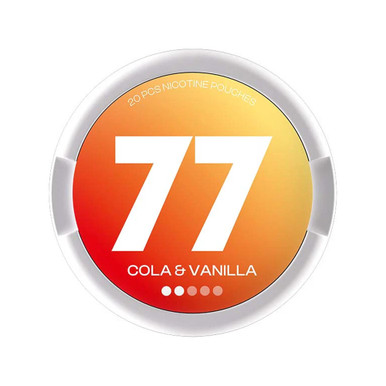
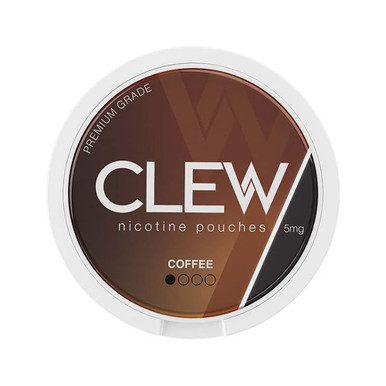
This site carries three pack arrangements and they are not visually distinguished in a grid, which causes more confusion than any other thing about our listings. This pack is five cans at £19.95, so £3.99 each. The Velo tangy lime can at £4.19 is plainly a single tin. Clew Coffee at £39.90 and the 77 cola-and-vanilla can at £39.90 are larger listings whose arrangement is stated on their own pages rather than here — we are not going to compute a per-can figure from a pack size our record does not give us for them.
The rule that survives all of this: divide before comparing, and get the divisor from the product page. A £4.19 tile beside a £19.95 tile is not a fivefold price difference, and a £39.90 tile is not automatically expensive. People lose money to that misreading constantly.
Testing a distinctive flavour before committing to five
If coffee is new to you in this format, the cheap route is a single tin from another brand rather than five of this one. ZYN's coffee mini listing at £19.99 is one option in the same flavour corner, and a note on it: the title we hold reads simply "ZYN Coffee Mini", while the web address for it carries the word "strong". Our record does not reconcile the two, so check the declared figure on its own page rather than inferring anything from either the name or the link. Killa's cappuccino can at £33.50 has the same quirk — a title without a strength word and an address containing one — and the same advice applies.
That is an awkward thing to have to write on a shop page and it is true, so it goes on the page. Two of the nine listings on our coffee shelf carry strength words in their addresses that their titles do not mention. Read the declared figure on each product page and treat the address as no guide at all.
Reordering when a can is an occasional one
Habitual cans generate a rhythm: you notice you are low, you reorder, the cycle repeats and it needs no thought. Occasional cans do not. A pack of five of something you reach for now and then can last a long time, and the practical failure mode is the opposite of running out — it is a part-used pack sitting in a cupboard for months, quietly going duller because one tin was left with its lid ajar and the others were opened before they needed to be.
The fix is the same one as for any pack: open them one at a time and keep the unopened ones together and cool. For an occasional can that matters more rather than less, because the pack is exposed to time in a way a fast-moving pack is not. The storage section below goes into it properly.
The spare, in reverse
The usual pattern is a habitual can plus a distinctive spare kept in a bag or a coat. For a coffee can the relationship often runs the other way — this is the can that gets kept as the spare, and something plainer does the daily work. UBBS Peppermint at £19.95 or the brand's menthol listing at the same price are the obvious plain counterparts within the same brand and pack size, which keeps cost and format constant and changes only the flavour. We are not suggesting you buy both. We are describing where in a rotation a can like this usually ends up, because it is more useful than telling you it is delicious.
Coffee, described as taste and aroma
Our catalogue holds one word for the flavour and nothing behind it, so what follows is an account of what a coffee flavour conventionally is, not a manufacturer specification. We hold no tasting note for this can and taste varies between people more than anything else on a product page.
Coffee is the least sweet flavour family in this catalogue and the only one whose identity rests on bitterness. That single fact separates it from everything else on our shelves. A fruit can is built on sweetness with acidity for shape. A mint can is built on a cooling character. A coffee can is built on a bitter, roasted, dark note, and if the bitterness is absent the flavour is not recognisable as coffee at all — it becomes a vague toasted sweetness with nothing to identify it.
The components, as a taste: first a roasted, toasted character, dark and dry rather than sugary; then bitterness through the middle, which is the backbone; and behind that, depending on how the flavour is built, a cocoa-adjacent or nutty note that gives it roundness. Some constructions add a burnt-sugar or caramel edge, which reads as sweeter and softer. Very little acidity is involved compared with a fruit can, and what there is sits low and does not lift the way fruit acid does.
As an aroma, coffee is one of the most immediately recognisable things there is — the roast character is strongly aromatic and a coffee tin generally announces itself when the lid comes off. Expect dark, dry, roasted and slightly bitter in the nose rather than sweet or sharp. It reads as unmistakable rather than pleasant-or-unpleasant; whether it is the second depends entirely on whether you like the thing it resembles.
The naming distinction on our coffee shelf is worth knowing. A can called "coffee" conventionally aims at the black, bitter reading. A can called "cappuccino" or "latte" aims at a milkier, sweeter, rounder one, with the burnt-sugar and creamy notes brought forward and the bitterness pushed back. Those are genuinely different targets rather than synonyms, and our nine-listing coffee shelf contains both — the Killa cappuccino naming against this can's plain one is exactly that split. What our record cannot tell you is where this particular can lands, because the tag is one word and there is nothing behind it. The plain name points at the black reading. That is an expectation from naming convention and not a finding.
How a coffee note gets built into a dry pouch
The second longer subject is flavour construction, and coffee is the most interesting case in the whole catalogue for it — because of every flavour we stock, coffee is the one whose original is furthest from the format it has to arrive in. Nothing below is a statement about what is in a can; we do not publish composition. It is about the constraints.
The gap between the original and the format
Think about what a coffee actually is as a sensory object: hot, liquid, aromatic, with steam carrying the aroma upward, and with texture — body, sometimes foam — as part of the experience. Now consider what a pouch is: a small dry sachet at body temperature, delivering flavour slowly off a dry surface over tens of minutes, with no heat, no liquid and no texture available to it at all.
That is a much larger gap than a fruit flavour has to cross. A fruit is at least cool and its identity survives being cool. Coffee's identity is bound up with being hot, and heat is the one thing the format categorically cannot supply. Every coffee pouch is therefore an attempt to reproduce a hot experience cold, and knowing that in advance explains most of the disappointment people report with the flavour family. It is not that the cans are badly made; it is that the reference point is unreachable.
What survives the crossing, and what does not
What survives well is the roast character, because roast is aromatic and aroma is the one channel a dry pouch handles generously. A dark, toasted note reaches the nose without needing volume, and the nose is perfectly capable of recognising it. This is why coffee pouches usually smell more convincing than they taste — the aromatic half of the flavour makes the crossing largely intact.
What survives poorly is everything to do with body and warmth: the roundness, the weight, the sense of a liquid coating. A dry sachet cannot supply any of it, and flavour builders can only suggest it — usually by leaning on the cocoa, nut or burnt-sugar notes, which read as rounder and partially stand in for texture. That substitution is why so many coffee pouches taste faintly of chocolate or caramel whether or not those words appear on the lid.
Bitterness is the hard middle case. It is essential to the flavour being identifiable, and it is also the note people are least tolerant of when it is overdone in a format they cannot put down quickly. A pouch stays in place for a stretch of time, which means a bitterness that is pleasant for two minutes may not be for twenty. Getting that level right is most of the craft in a coffee can, and it is the axis on which two coffee cans differ most.
Why this puts coffee against the grain of the format
Set coffee beside the two flavour families that dominate our shelves and the contrast is stark. Mint survives the format brilliantly: menthol is a single assertive cooling character that needs neither heat nor texture, which is why mint cans are the most reliably convincing things in the category. Fruit survives well: sweet and acid notes carry adequately, and the aromatic part carries very well, so a fruit can reads as a recognisable version of its name even when it is lighter than the real thing. Coffee has to work around the absence of its defining condition. It is the format's hardest assignment, which is also why it is the flavour where two cans differ most and why trying more than one is worthwhile.
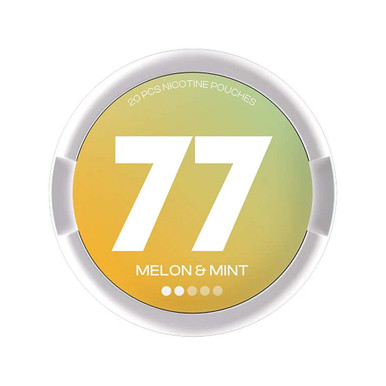
The comparisons are on our shelves. The Clew coffee can at £39.90 is the other plain-named coffee listing in this set, and the Killa cappuccino listing at £33.50 takes the milkier route with the bitterness pulled back. For a sense of how much easier the format finds other families, the XQS spearmint can at £39.90 and the 77 melon-and-mint listing at £39.90 are both examples of flavours working with the grain rather than against it — and the 77 cola-and-vanilla can at £39.90 is an interesting middle case, since cola and vanilla are both aroma-led constructions that a dry pouch handles comfortably.
The tail, and where coffee cans separate
Every pouch has an arc — loudest at the start, steadier through the middle, thinner at the tail. In coffee cans the tail is where construction shows most severely, because what tends to remain at the end is the bitterness after the aromatic roast has faded. A well-built coffee keeps enough roast character alongside it to stay recognisable; a thinly built one ends as plain bitterness with nothing attached. If you are comparing two coffee cans, the last few minutes tell you more than the first few do.
The format in practice
A pouch sits between the upper lip and the gum, off to one side. It goes in dry, softens slightly, stays put, and is neither chewed nor swallowed. Shifting it to the other side mid-use is ordinary. Most people notice the opening minutes most — both the taste and the presence of the object — and stop registering it soon afterwards.
How long anyone keeps one in varies too much between individuals for us to print a figure, and a number published by a shop starts to read as an instruction. With a coffee can there is one practical observation worth making: since bitterness is the note that persists longest, people who find a coffee pouch wearing tend to find it wearing late rather than early. That is a characteristic of the flavour family rather than a fault, and it is worth knowing before you commit to five cans.
Pouch format across the catalogue ranges between slim, standard and mini, and moisture varies too. Both change how a can feels in use more than people expect. Our record states neither for this listing, and we are not going to infer them from the brand's other cans. The labelling on the tin will say.
The catch compartment in the lid takes used pouches until a bin is available, which is the most quietly useful part of the design. Empty it into a bin. Used pouches do not go down a sink or a drain and they do not go on the ground. Wash your hands before handling pouches, keep the lid closed between uses, and do not leave an open tin where anyone else can reach it — it is a small, unremarkable-looking object and it is not suitable for anyone under 18 or for anyone who does not already use nicotine.
Keeping the pack in condition
Heat, light and open air are the three things that take the edge off a can, and an occasional can is exposed to all of them for longer than a fast-moving one. Keep the pack somewhere cool, dark and stable — the back of a cupboard rather than a windowsill, a warm appliance top or a parked car.
Sealed tins hold up far better than opened ones, so open them one at a time. The lid is the entire technique for the one in use: press it properly closed every time, because a lid left ajar leaves dry pouches in open air and what escapes first is the aromatic part of the flavour. For a coffee can that is a particularly poor trade, since the roast aroma is doing much of the work of making the flavour recognisable at all — lose it and what remains is closer to plain bitterness. Nothing dramatic happens. The can simply becomes a duller version of itself.
Keep tins upright. There is no reason to refrigerate or freeze them, and a positive reason not to: bringing a cold tin back to room temperature invites condensation, and moisture is the one thing capable of genuinely spoiling a dry pouch. Our record holds no manufacturer storage instruction and no expiry information for this listing, so the above is ordinary practice for the format rather than an official direction — follow the can if it says otherwise.
Where this can sits in the UBBS range
We carry twelve UBBS listings, all priced at £19.95 for five cans, so cost is constant within the brand and the only variables are flavour and declared figure. Six of them are set out here and the UBBS brand page holds the full twelve, which is worth flagging so the six are not read as the whole range.
This can is the range's outlier twice over. On flavour it is the only listing here without either fruit sweetness or a cooling note — everything else the brand gives us is one or the other. On declared strength its 4mg is the lowest figure in the set and puts it on a different strength shelf from all its siblings. If you came to this page from another UBBS listing, you have moved further than the shared lid design suggests.
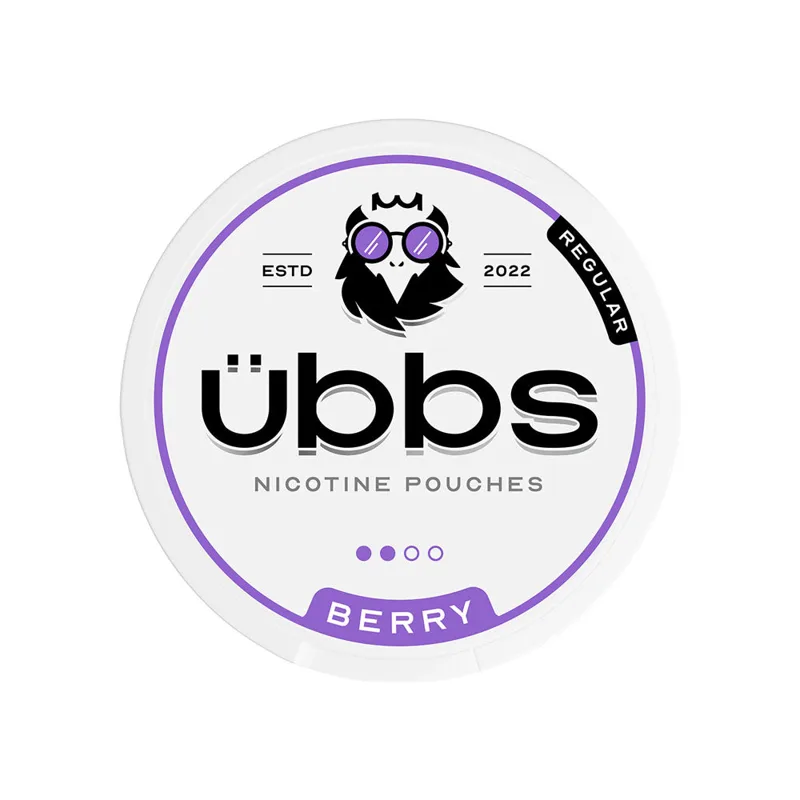
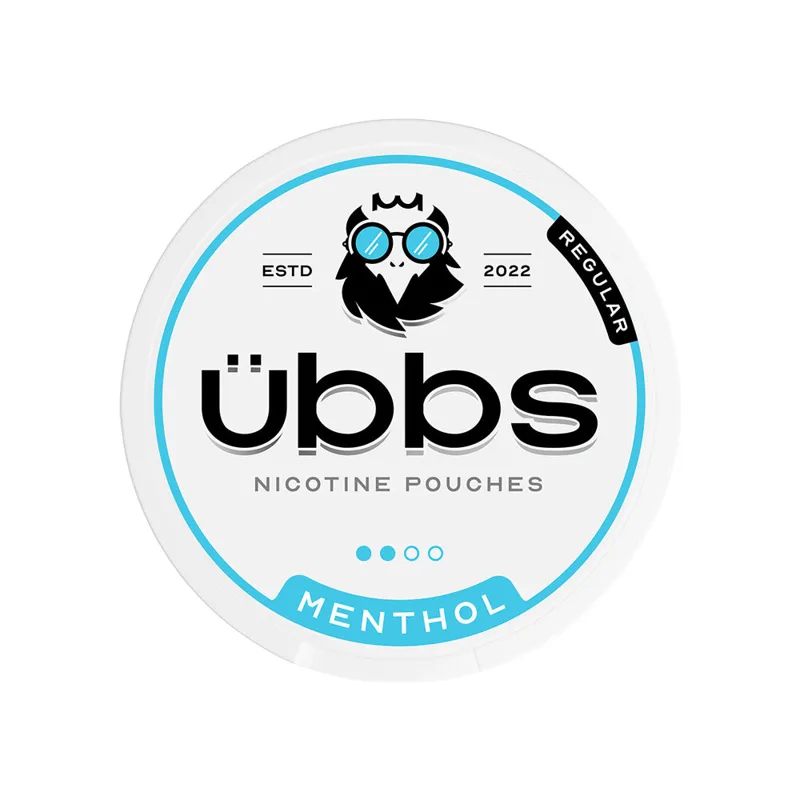
The mints are three and not interchangeable: peppermint at £19.95 is the rounder and sweeter, spearmint at the same price the softer and more herbal, and menthol, again £19.95 the most direct cold of them. On the fruit side, UBBS Cherry at £19.95 is a sweet stone fruit at a declared 11mg and UBBS Peach Passion at £19.95 pairs stone fruit with a tropical note. UBBS Cola Ice at £19.95 is the nearest listing in the range to this one in spirit — a caramel-and-spice character rather than a fruit — though the cold edge over it makes for a very different can.
Two further UBBS listings show up in our related records rather than in the brand grouping above, which is a quirk of how the data is assembled rather than anything meaningful. UBBS Spicy Cherry at £19.95 is available, and the brand's salted caramel can, also £19.95 is shown as unavailable in our record — worth knowing before you go looking for it, since a sweet caramel note is the closest thing the brand offers to the burnt-sugar side of a coffee flavour.
What people keep alongside a coffee can
A coffee can is rarely somebody's only can, for the reasons set out in the buying section: it is distinctive, and distinctive flavours work better in rotation than as a constant. This is about variety in what you already buy rather than buying more of it.
The largest available contrast is a cold can, and the mints above do that within the same brand, price and pack size. Outside the brand, the XQS spearmint listing and the 77 melon-and-mint can are both cold options at £39.90, and the Velo tangy lime tin at £4.19 is the cheapest change of direction on this page by a wide margin — a sharp citrus against a dark bitter is about as far apart as this catalogue goes.
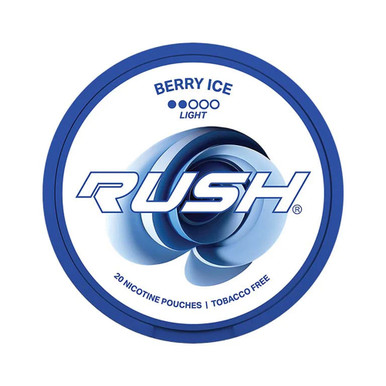
Staying inside the coffee corner is the other route, and with nine listings on the coffee shelf it is a small enough field to work through properly. The Clew and ZYN coffee cans and the Killa cappuccino are the comparisons already discussed. One more can in our related records needs its status attached: the Rush berry ice light listing at £19.99 is shown as unavailable, so it is a comparison to read rather than a can to order today.
For browsing rather than picking from a list, the Cuba range and the Pablo listings are two of our larger brand collections, and the full catalogue is the place to start from nothing. The strength shelves are the other axis: the medium listings hold 135 cans, the strong shelf 132, and the extra strong shelf sits above both. All three are filed on each listing's highest declared figure, and moving between them is a deliberate decision rather than a next step — particularly from a page like this one, which sits at the opposite end of that range.
Choosing, when there is only one figure
With a single declared strength the decision on this listing is not which variant but whether five cans is the right quantity, and for a distinctive flavour that is a real question rather than a formality.
Five cans at £3.99 each is more than a trial and less than a stockpile. For a flavour you already know you like, it is a sensible restock. For a flavour family as divisive as this one, and particularly if you have not had a coffee pouch before, a single tin from another brand is the cheaper way to find out — the ZYN coffee listing is the nearest option, with the caveat about its title and address already noted. Establishing what you think on one tin and then buying fives is a better sequence than the reverse, and it is the one we would rather describe even though it shifts less stock.
On the low shelf itself: fifteen listings is the entire low-strength field we hold, so if the declared figure is what brought you here rather than the flavour, that shelf is a short and worthwhile read. It is linked properly above, since the hub row further down does not include it.
Ordering, delivery and the age check
Ordering is as simple as this site gets. One strength, one pack size: add it to the basket and check out, and five cans of 4mg arrive. Nothing to configure and no variant to select wrongly.
This is an age-restricted product. We sell only to customers aged 18 or over and photographic ID may be requested on delivery. If the check cannot be completed the parcel is not handed over. Order in your own name, to an address where an adult can receive it, and do not arrange for a nicotine product to be left with a neighbour or in an unattended porch.
Delivery windows, carriers and charges live on the site's own delivery pages and those are authoritative — restating them here in different words would only risk contradicting them. Stock is what belongs on a product page, and our record currently shows this listing available. That can change, and the tile on the brand or flavour shelf is the current answer.
Where this page sits on the site
Three shelves lead here, and for this can they are unusually informative because all three are small. The low strength shelf holds 15 listings, the UBBS brand page 12, and the coffee shelf 9. Most cans on this site sit on at least one shelf with more than a hundred neighbours; this one does not sit on any. If you like knowing the whole field before buying, this is one of the few listings where that is genuinely achievable in an afternoon.
The hub links are the broad routes — the whole catalogue, the medium, strong and extra strong shelves, and the larger brand collections. As noted at the top, the low shelf is missing from that row despite being this can's own strength shelf, so use the shelf link rather than the hub row if that is where you want to go. It is a navigation inconsistency and we would rather name it than leave you to guess.
Questions we get asked about this one
Does this contain coffee, or caffeine?
Our record does not say what is in the can, and we do not publish composition, so we cannot tell you. Coffee is the flavour name printed on the lid. Treat it the way you would treat a cola or a vanilla flavour name — a description of a taste rather than a list of contents. If the answer matters to you, the can's own labelling is the place to look, and it is the authoritative source in any case.
Is the £19.95 for one can or five?
Five, which works out at £3.99 each. It is the most common misreading on the site, usually because the page someone looked at just before was a single tin at around four pounds. Always take the pack arrangement from the product page before comparing two headline figures, because the arrangements are not visually distinguished in a listing grid.
Is 4mg a weak pouch?
We are not going to characterise it. Calling a figure weak, light or gentle is a judgement presented as information, and it would also imply a comparison across brands that declared figures do not support. Four milligrams is the number UBBS prints, and it is the lowest figure in their range as we hold it. What that means for you is something only you have the context to judge, and a qualified healthcare professional is the right person for anything touching your own circumstances.
Is there a stronger version of this flavour?
Not on this listing — 4mg is the only figure declared and there is no variant to choose. Other cans on our nine-listing coffee shelf carry different figures, and those are each manufacturer's own declaration rather than points on a shared scale, so they are not directly comparable with this one. We are not going to steer you upward; the shelf is linked if you want to look for yourself.
Why do some coffee listings have "strong" in the web address but not in the title?
We do not know, and it is a genuine inconsistency in our data rather than something we can explain away. Two listings in this page's comparison set — the ZYN coffee mini and the Killa cappuccino — have addresses containing strength words that their titles do not carry, and our record does not reconcile the two. Read the declared figure on each product page and treat the address as no guide whatsoever.
Will it taste like the coffee I drink?
Almost certainly not, and it is worth being straightforward about why. A coffee is hot, liquid and has body; a pouch is dry, at body temperature, and has none. The roast aroma crosses over reasonably well and the weight and warmth cannot cross at all. A coffee pouch is a recognisable reference to coffee rather than a reproduction of it, and people who expect the second are usually disappointed.
Is it a black coffee flavour or a milky one?
Our record holds one word and nothing behind it, so we cannot tell you. Conventionally a plain "coffee" name points at the black, bitter reading and names like "cappuccino" or "latte" point at the milkier, sweeter one — but that is what the words usually mean rather than a finding about this can. We hold no tasting note for it.
How many pouches are in a can?
Not recorded, so we cannot say. It affects how long five cans last, so it is a real gap, and we would still rather leave it blank than publish a figure borrowed from a different brand's tin. The labelling on the can should state it.
Are these slim or standard pouches, and are they dry or moist?
Our record holds neither, and we are not going to guess from the brand's other listings. Both make a noticeable difference to how a can feels in use, and for some people the physical format decides whether they get on with a can more than the flavour does. The tin's labelling is the place to check, and it is worth checking before buying five.
Who makes UBBS and where is it from?
Our record carries no manufacturer, no country and no dates, so we publish none. UBBS is a brand name on a lid and tells you nothing about origin. This is an easy place for a shop page to invent something convincing, and we would rather the gap stayed visible than fill it with a guess.
Why isn't the low strength shelf in the links at the bottom of the page?
Because the hub row on our product pages is a fixed set that happens not to include it, which is an inconsistency on our side rather than a statement about our stock. The low shelf exists, holds 15 listings, and is linked from the strength section near the top of this page. We flagged it rather than letting the row's contents imply the shelf was empty.
Are all the cans linked from this page available?
No, and we have said so where they appear. The UBBS salted caramel can and the Rush berry ice light listing are both shown as unavailable in our record. Everything else linked here shows as available at the time of writing. Stock moves, so a tile is always a better answer than a paragraph.
Compliance, in full
- An adult product, sold only to customers aged 18 or over, and intended for adults who already use nicotine.
- Nicotine is an addictive substance.
- This is not a licensed stop-smoking medicine, and it is not offered, described or intended as one. It is not intended for non-smokers, for anyone who does not already use nicotine, for under-18s, or for anyone who is pregnant or breastfeeding.
- We make no health or medical claims for this product, in any direction, anywhere on this page. Nothing here should be read as a claim about what the product does.
- Photographic ID may be requested on delivery, and without it the parcel will not be handed over.
- Keep cans away from children and from anyone who does not already use nicotine. Used pouches go in a bin.
- For anything touching your own circumstances, a qualified healthcare professional is the person to ask. We are a shop and we cannot advise you.
To close
UBBS Coffee is a five-can pack at £19.95 — £3.99 a can — at a single declared 4mg, tagged coffee, filed on a low strength shelf of 15 listings, one of twelve UBBS cans that all cost the same, and currently showing as available. It is the lowest declared figure in its brand's range and the only listing in it with neither fruit sweetness nor a cooling note.
Three honest gaps have been left visible rather than tidied away: we cannot tell you whether the flavour aims at the black reading or the milky one, two cans in its own comparison set have strength words in their addresses that our titles do not carry, and this page's hub row omits the very shelf the can sits on. None of that is flattering to our data, and all of it is more useful to you than a paragraph of adjectives would be. The tin's own labelling outranks everything above it.
More from UBBS
More low strength pouches

More coffee pouches
Where this sits
UBBS Coffee Nicotine Pouches appears in these categories. Browse them, or jump to something close.
You might also like