Fumi · 8mg–15mg · 10-can pack
Read the full guide
Fumi Fiery Lime Nicotine Pouches
£27.90
✔ In stock — ready to ship
100% tobacco-free
Free over £20
Same-day dispatch
Secure checkout
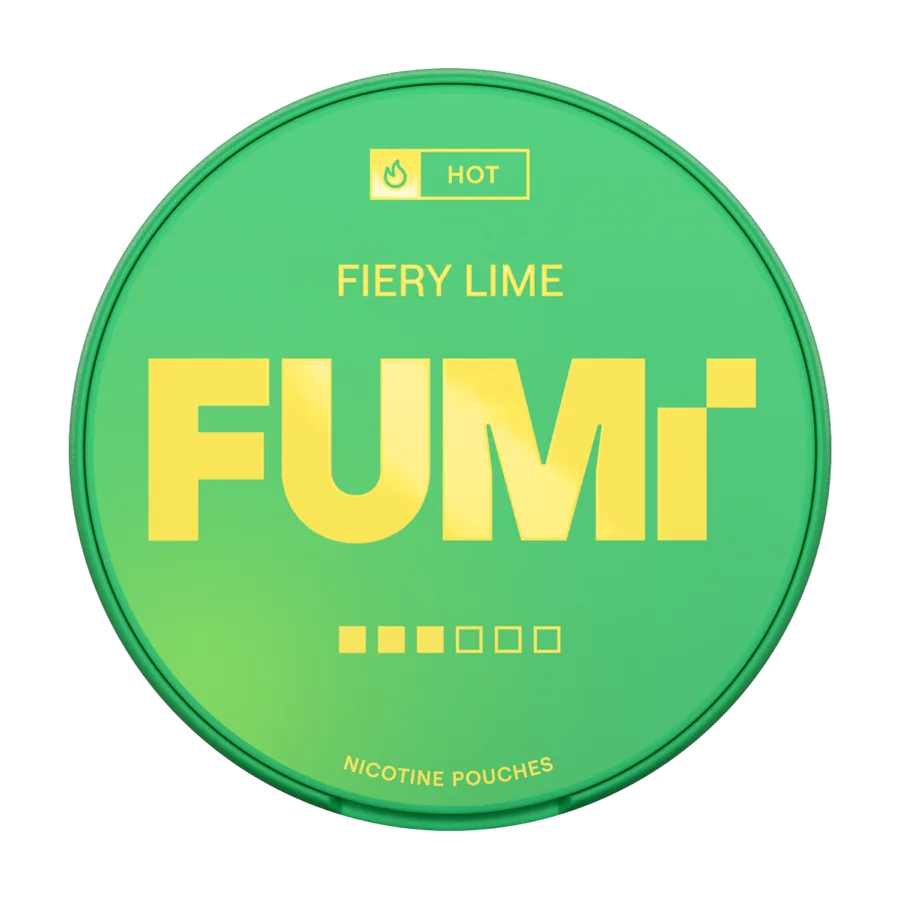
Fumi Fiery Lime Nicotine Pouches comes as a box of ten cans at £27.90, offered in two declared figures — 8mg and 15mg — with no price difference between them. Our catalogue tags the flavour as citrus. Availability showed as in stock at the time of writing, and there is one photograph against the listing. That is the complete record, and everything that follows is drawn from it, from arithmetic performed on it, or from comparison with other cans we hold.
Ten cans at £27.90 divides to £2.79 per can. We give that figure because it is the only way to compare a box against the single-can listings that make up much of the rest of the catalogue. The sum charged is £27.90.
The full guide to Fumi Fiery Lime Nicotine Pouches
5,144 words on how it eats, who it suits, how to serve it and what to put beside it.
Fumi Fiery Lime, listed and priced
This is an adult product containing nicotine, sold only to people aged 18 or over who already use nicotine. The full wording of that is set out in its own section further down the page.
The two options
| Declared figure | Box of ten | Per can |
|---|---|---|
| 8mg | £27.90 | £2.79 |
| 15mg | £27.90 | £2.79 |
Two steps with a gap of seven between them is a wider jump than the ladders on several other rows in this range, and it is worth registering because the price gives you no signal at all — both cost exactly the same, so whatever decides the choice, it is not money.
Two notes on the name before anything else
First, Fiery is a prefix this brand attaches to several of its rows. It identifies the line, and we are not going to treat a range name as a description of any property. Second, and more useful: our catalogue does not tag this as "lime". It tags it as citrus, the broader family. That is not a contradiction — lime is a citrus fruit — but it does mean our record is one level less specific than the lid is. If you want the precise fruit reading confirmed, the packaging is more specific than our shelf is.
Placing the taste
Citrus is the most interesting flavour family in this category to write about honestly, because it is the only one that regularly puts something other than sweetness in the foreground. Most of the shelf is built on sweet notes with a cool finish attached. A lime reading is a different proposition, and the differences are worth being precise about. Everything below is a description of taste and aroma. It is not a statement about contents, which we do not publish, and it is not a statement about what the product does.
A summary, then the detail
| Axis | Where a lime reading lands |
|---|---|
| Sharp | High — the defining axis for this flavour |
| Sweet | Moderate, and usually behind the sharpness rather than in front of it |
| Bitter | Present, which is unusual, and concentrated in the finish |
| Cool | Not named on this lid; citrus can read as bright without reading as cold |
Sharpness, which is the whole point
Lime is at the acidic end of the citrus family, further along it than orange and generally further than lemon as these things are built in a pouch. Sharpness in this format is not a physical sensation so much as a shape — the note arrives quickly, occupies a narrow band, and does not spread out the way a berry or a grape note does. People who like citrus cans usually like them for exactly that quality, and people who dislike them dislike the same quality under a different name.
The practical consequence is that a lime can does not sit quietly in the background. A sweet fruit can with a cool finish can be used almost inattentively. This is a more assertive flavour than that, and it asks to be noticed. Whether that is a recommendation or a warning depends entirely on what you were looking for.
Sweetness, in a supporting role
There is sweetness here — a lime note built with none at all would be unpleasant rather than refreshing — but it sits behind the sharpness rather than alongside it. Compare that arrangement with Denssi Blueberry Freeze at £39.90 or 77 Ghost Mini Mango at the same £39.90, where the sweetness is the structure and everything else is decoration. Here the roles are reversed. If you have been using berry or tropical cans and move to this one, the change will register as a loss of sweetness before it registers as a gain of anything.
Bitterness, which most cans do not have
This is the genuinely distinctive part. Bitterness is absent from most of this category — fruit-and-cool cans finish clean and stop. Citrus does not, because the bitter element is part of what makes a citrus fruit taste like itself. In a lime reading it tends to arrive at the end rather than the beginning, as a dry edge after the sharpness has passed.
Some people find that edge is the best thing about citrus cans and the reason they keep returning to them. Others find it the reason they do not. It is the single most divisive quality in the flavour family and it is worth knowing about before you buy ten cans rather than after. If you have found other citrus products in this category too dry on the finish, this one is unlikely to solve that.
Cool, or the absence of it
Nothing in the name signals a cold character, and our catalogue files this under citrus rather than under any cool tag. So unlike a great many rows on the site, the freshness here is coming from the fruit rather than from a cold element layered over it. That is a meaningful structural difference: brightness and coldness feel similar in passing and are not the same thing, and a can that achieves the first without the second reads quite differently on the finish.
If cold is what you actually want, that is a different shelf and this is not the row. Klint Avalanche Mint at £36.90 and Edge Mint at £14.95 are the two ends of the price range for that, and Denssi Blueberry Freeze at £39.90 is the fruit-with-cold arrangement rather than the fruit-alone one.
How the shape changes over the time a pouch is in
Most tasting descriptions in this trade describe a can as though it were a single fixed impression, which is not how any of them work. A flavour in this format is experienced across a stretch of time, and a citrus reading changes shape over that stretch more markedly than a sweet one does.
The opening is the brightest part and the part that most resembles the aroma from the tin. It is short. What follows is a longer middle in which the sharpness holds but loses some of its edge, and the sweetness that was sitting behind it becomes proportionally more audible. The closing stretch is where the dry, bitter element is most obvious, partly because it is genuinely there and partly because everything louder has receded from in front of it.
The reason this matters practically: people who judge a citrus can in the first two minutes and people who judge it after twenty minutes are describing genuinely different experiences of the same pouch, and both are being accurate. A sweet berry can is far more consistent from start to finish, which is part of why sweet cans dominate the shelves. Knowing the arc in advance makes a lime can much easier to get on with, because the dry finish stops being a surprise and becomes the expected third act.
Why sharpness does not survive poor storage
One more structural point, which leads into the storage section further down. The bright top of a citrus note is the most fragile part of the whole construction. In a can that has been left warm, or left ajar, the opening loses definition first, and what remains is the middle and the finish — which is to say the least flattering two-thirds. A lime can that reads dull and dry is very often a lime can that has been stored badly rather than one that was built that way. Sweet cans hide poor storage better, because a sweet note degrades less conspicuously. This is the flavour family where keeping the lid shut earns its keep.
The aroma, and why it misleads
Opening a citrus can gives you a concentrated version of the top note and almost nothing else. It smells bright and sharp and gives no hint of the dry finish at all, because a closed tin and a pouch in use are different physical situations and there is no reason they should read alike. People who buy on a first sniff are sampling the most flattering third of a citrus can. That is not a criticism of the product; it is a reason not to treat the smell as a preview.
Against the other citrus cans we hold
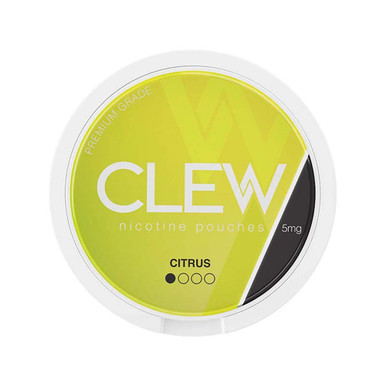
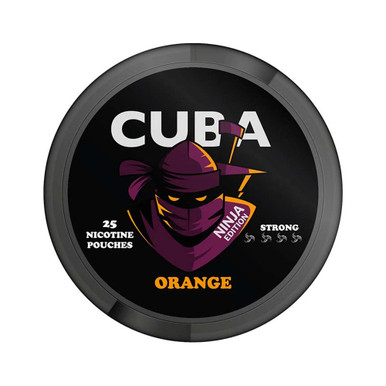
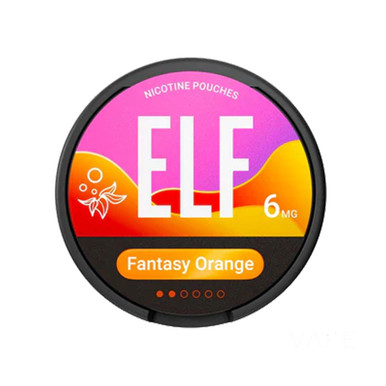
Our citrus shelf is a small one at twenty-five listings, which tells you something in itself about how the category is weighted. Within it, the direct comparisons are Clew Citrus at £39.90, Cuba Ninja Orange at the same £39.90 and Killa Exclusive Lemonade at £33.50. Elf Bar Fantasi Orange sits between them at £29.90, and the cheapest route into the family by a wide margin is Velo Orange Spark at £4.19.
Read across those and the internal variation is real. An orange reading — which is what three of those five are — is rounder and sweeter than a lime one and carries less of the dry finish, so the fact that the family skews orange on our shelves matters if lime is specifically what you want. A lemonade reading adds a sweetened, soft-drink character that moves it some distance from the fruit itself. A broad "citrus" name with no fruit attached, as on the Clew row, tells you less than any of them.
Two further entries widen the picture. Iceberg Apple Lemon Pineapple at £39.90 is a compound reading rather than a single fruit, which is a different proposition again: blended flavours tend to round each other's edges off, so a lemon inside a three-fruit name will not read the way a lemon alone would. And at the opposite extreme, the 77 Ghost Mini mango can at the same price is about as far from a sharp citrus as our shelves reach while still being a fruit. Lime sits at the sharp, dry end of the whole group, which is why it is the flavour people either seek out specifically or avoid entirely.
The Fumi range, and which row is for which preference
The Fumi shelf holds sixteen listings, and its defining feature as a range is the pricing: £27.90 for ten cans is the structure throughout rather than a feature of this row. That has a genuinely useful consequence. Within this brand, choosing is a pure flavour decision, because moving from one row to another costs nothing and changes no pack structure. Very few brand shelves on this site offer that.
Here is the range as we hold it, grouped by what each row is for in flavour terms. None of this is advice about nicotine, strength or anybody's circumstances; it is a map of flavour preferences and nothing else.
If you want something dark and sweet
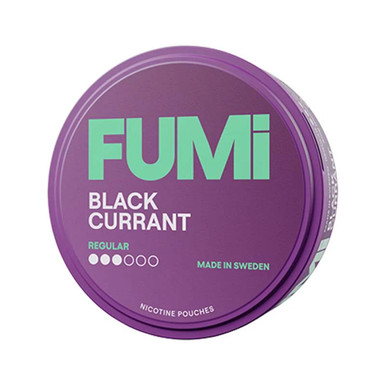
Fumi Blackcurrant is the row for that. Blackcurrant is one of the deepest, least acidic fruit readings in the category — the structural opposite of lime, with sweetness in front and very little edge behind it. At the same £27.90 for ten, it is the furthest you can move from this can without leaving the brand.
If you want fruit with something cool behind it
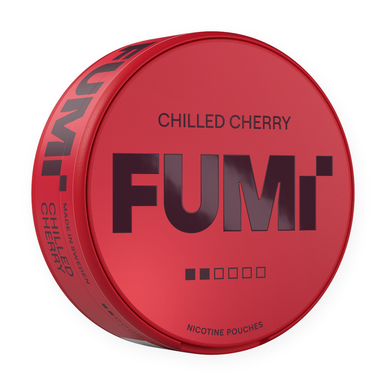
Fumi Chilled Cherry puts the cold signal in the name, which is the arrangement that dominates the rest of the catalogue and is absent from this row. Cherry is a sweeter, rounder fruit than lime to begin with, and the cool element sits behind it as a finish. If the thing you liked about this can was the brightness but not the dryness, that combination is the nearest alternative within the brand.
If you want a heavier, tropical fruit
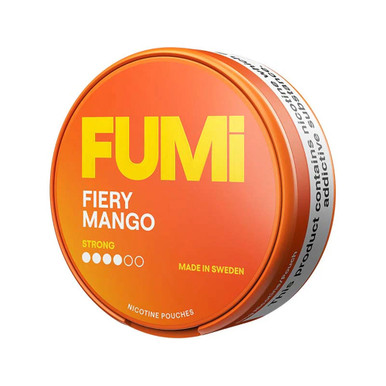
Fumi Fiery Mango and Fumi Fiery Peach both sit in the soft, sweet, low-acid territory. Mango is the heavier and more honeyed of the two; peach is lighter and more floral. Both are a long way from the sharp end, and both share this row's price and box structure exactly.
If you want mint rather than fruit
Fumi Fiery Mint is the brand's mint position at the same £27.90 for ten. That is the row for anyone who wants the cold character as the whole proposition rather than as a note attached to a fruit.
If you want the row nobody can describe
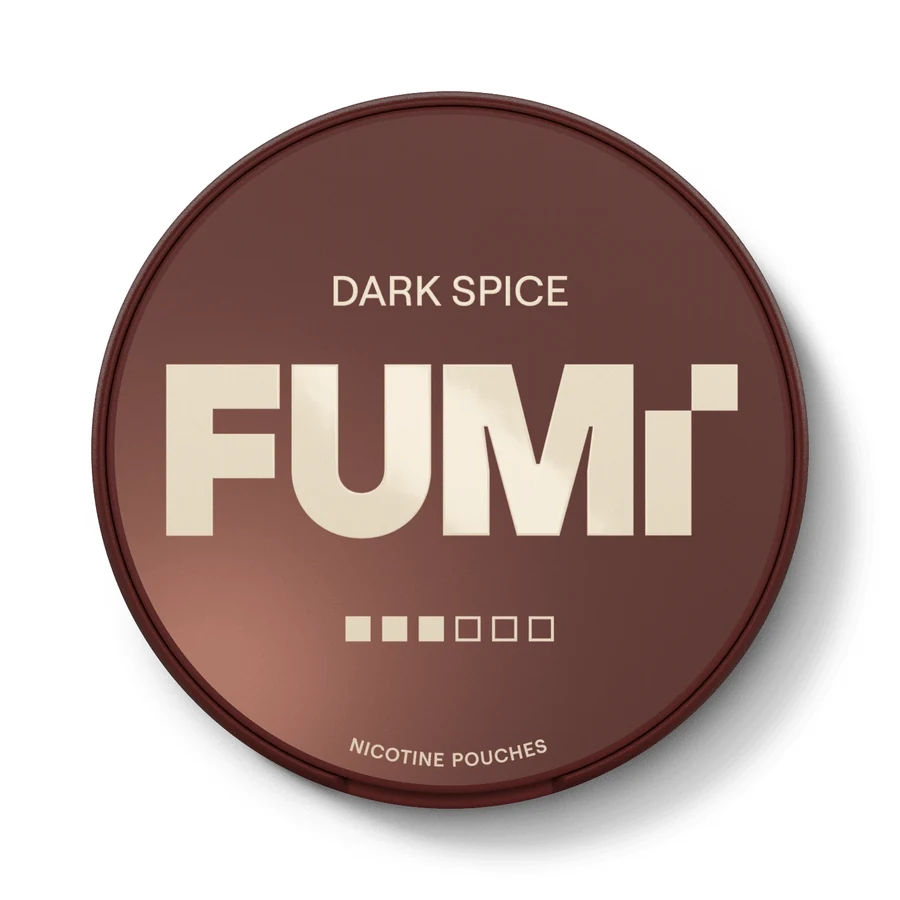
Fumi Dark Spice is the outlier, and we are honest about it on its own page: the name points one way and our flavour tag points another, and we cannot reconcile them from what we hold. It is mentioned here for completeness rather than as a suggestion, and anyone considering it should read that page's warning first.
Where this row falls in the set
One structural observation about the range before summarising it. Although the price is flat across all sixteen rows, the declared figures are not — different rows offer different ladders, and this one's pairing of 8mg and 15mg is not repeated everywhere on the shelf. Anyone treating the brand as sixteen interchangeable boxes will occasionally find that the flavour they have moved to is not offered at the number they were using. Reading the figures listed against each row before ordering takes a moment and prevents that entirely.
Lime is the sharp corner of a range that is otherwise mostly soft and sweet. Of the six rows above, four are firmly in sweet territory, one is mint and one is a question mark. That makes this can the single most distinctive flavour position on the shelf, and it also means that if you do not get on with it, almost everything else in the range is a move in the same direction — towards sweetness — rather than a lateral one. The nearest lateral move is out of the brand entirely, to the citrus cans listed earlier.
The can and the routine around it
The physical format is common to nearly everything we stock and is worth covering once for anyone comparing formats rather than flavours.
The container is a shallow round tin with a lid that lifts clear and presses back. It fits a pocket, survives a bag, and stacks with cans from other brands because the industry has settled on much the same shape. The top section of the lid is a separate recess, usually called the catch, which exists so a used pouch has somewhere to go when no bin is available. We do not publish a capacity for that recess — it would depend on how damp the pouches going in are — and it is not sealed the way the lower body is, so emptying it into a bin daily is the arrangement that avoids any unpleasantness.
Used pouches go in general waste. The tins are plastic and go wherever your local authority directs plastic of that kind, which varies by council and is not a question this page can answer for your address.
On portion size, our record does not classify this row, so we are not going to. That detail is on the packaging. On duration, reported use across the category runs from around fifteen minutes to around an hour, with most people settling into twenty to forty, and flavour typically fading well before anyone takes a pouch out. That is a description of what people report and is not guidance about how long to keep one in, which is not a matter for a shop.
A pouch is placed under the lip and left there without being held or adjusted. First-timers find the position odd for a minute and then stop registering it. Talking is unaffected; cold drinks are unaffected; hot drinks are the one thing people consistently mention as more noticeable, which is an observation about temperature rather than about the product. A pouch that will not settle is generally either badly seated or a portion size that does not suit the person, and both resolve themselves within a few days of ordinary use.
There is nothing about the object that reports on itself while it is in place — no indicator, no marker, nothing to check — so people work from the clock or from the flavour fading, and in a citrus can the flavour fades on a schedule of its own, as described above. That makes it a particularly poor clock, which is worth knowing if you have been using taste as your rough timer on sweeter cans.
What 8mg and 15mg mean as figures
The number printed on a can is a quantity declared per pouch by the manufacturer. It is a label on a product. This page treats it as information and nothing more.
Three points that repay attention. It is declared per pouch, so comparisons between rows depend on knowing pack structures — this one is ten cans, and plenty of rows elsewhere do not state one at all. Manufacturers do not all measure or declare identically, so the same printed number from two makers is a rough equivalence rather than an exact one. And the figure has nothing to do with flavour: the 8mg and 15mg versions of this row carry the same citrus build as each other, and anyone expecting the higher number to taste sharper will be disappointed for reasons that have nothing to do with the can.
On our own sorting, this row sits on the Strong shelf, which holds a hundred and thirty-two listings. For context, the Medium Strength shelf runs to a hundred and thirty-five and the Extra Strong shelf takes the top of the range. The 8mg option here sits lower than the shelf name implies, because shelving follows the row as a whole rather than each figure within it — worth knowing if you browse by strength band.
What we will not do is tell you which of the two figures is appropriate. That is not a retail judgement, and any product page that offers one is doing something it should not.
Cans people keep alongside a citrus box
Citrus is the flavour family most likely to be run as one of two rather than as a sole choice, precisely because it is assertive. Ten cans of one sharp flavour is a lot of the same thing, and a second can in rotation is the ordinary arrangement rather than an extravagance. Some directions, each with a reason from our listings.
- For the straightest possible contrast — sweet, dark, no edge — the Fumi blackcurrant row at £27.90 keeps the brand, price and box structure identical and changes only the flavour.
- For a cool can rather than a bright one, the Edge mint listing at £14.95 is the cheapest mint we hold in that bracket and the Klint avalanche mint at £36.90 is the more expensive end of the same idea.
- For another citrus from a different maker, to find out how differently two brands read the same family, Cuba Ninja Orange at £39.90 is rounder and the Killa lemonade row at £33.50 is sweeter.
- For a cheap single can to keep in a coat, Velo Orange Spark at £4.19 is much the least expensive option in this whole comparison, and it keeps you inside the citrus family while you do it.
- For a blended fruit reading rather than a single one, the Iceberg apple, lemon and pineapple can at £39.90 is the compound option, and compounds tend to smooth out exactly the edges this row is built on.
- For a citrus from a brand priced between the cheap and the expensive ends, the Elf Bar orange row at £29.90 is the middle of the field.
Storing ten cans properly
A box means the last can gets opened a long while after the first, which makes storage worth a little more attention than it needs on a single purchase. Cool, dry, dark and stable is the whole of it. A drawer or a cupboard is ideal. Sustained heat and repeated swings between warm and cold are the two conditions that actually degrade a can, which rules out a car in summer and any surface in direct sun.
Push the lid fully closed each time. It is a friction fit rather than a seal, and citrus is arguably the flavour family with most to lose from a can left ajar, since the bright top note is the first thing to go and it is also the thing the can is for. A can that reads dull compared with the one before it has usually been stored badly.
Keep the nine unopened cans somewhere settled and carry only the one in use. Dating is on the packaging; our catalogue holds no shelf-life data and we are not going to estimate any. And keep the box where nobody under 18 can reach it.
If you keep more than one flavour in the house, store the tins lid-up rather than stacked face down. Cans across this category are near enough identical in outline that telling them apart by feel is unreliable, and opening the wrong one is a small, entirely avoidable irritation. A minute spent arranging a drawer fixes it permanently, and it matters slightly more with a box of ten, because the same flavour occupies a lot of the space.
Deciding between the two figures
Both cost £27.90 for ten. Both carry the same flavour. The only difference between them is the printed number, which removes every tiebreaker except the number itself.
What we can properly state: the figures are declared per pouch; the gap between 8 and 15 is wider than the ladder on several other rows in this range; both versions are physically identical boxes; and comparing either against a figure from a different manufacturer is a rougher exercise than the arithmetic suggests. What we will not state, under any phrasing: which figure suits you, which is a sensible place to begin, or which is appropriate for any person or situation. Those are not things a shop can know or should say. If the question touches your own circumstances, it belongs with a healthcare professional.
There is no pack-size decision here. Ten cans is the only structure our record holds for this row, and that is true across the brand shelf generally.
Ordering and age checks
The box is £27.90 at either figure, so the basket total does not change with your choice. Stock showed as available when this page was written; the live listing is the authority and will show any change before checkout does.
Age verification is applied and is not a formality. This is an 18+ product sold only to adults who already use nicotine, checks run at the point of purchase, and ID may be requested on delivery. Whoever takes the parcel should have it to hand, and a courier who is not satisfied can decline to leave the order.
Parcels are dispatched in ordinary packaging. Courier timings are not printed on product pages because they change; that information lives in its own section of the site where it can be kept current. Anything that arrives damaged, short or not as described should come to us with the order reference.
Where to go from here
The three shelves this row sits on are the obvious starting points: the citrus collection with its twenty-five listings, the Fumi range with sixteen, and the strong band with a hundred and thirty-two. Between them they cover every way of narrowing from this page.
Two further brand shelves are referenced in the comparisons above and are worth knowing in their own right: the Pablo listings and the Cuba listings. And the complete catalogue is one page if you would rather scroll than filter.
Questions people ask
Is it sour?
Sharp rather than sour, if the distinction is useful to you — the note is bright and narrow rather than puckering. Lime sits at the acidic end of the citrus family and this reading does not disguise that. Whether you call the result sour is largely a vocabulary question, and anyone who has found citrus cans in this category too much elsewhere is unlikely to find this one moderate. It is a description of taste and nothing else.
Why is it tagged citrus and not lime?
Because our flavour tags are the categories we use to build shelves, and they sit one level broader than product names in most cases. A citrus shelf of twenty-five listings is useful to browse; a lime shelf of one or two would not be. It is not a discrepancy and it is not a suggestion that the lid is wrong — it simply means our record is less specific than the packaging, which is normal for the way the site is organised.
Does the 15mg taste stronger than the 8mg?
No. The declared figure and the flavour are separate properties, and both versions of this row carry the same citrus build. The expectation that a higher number means a louder taste is extremely common and is not how the numbering works. If you want a different intensity of flavour, the answer is a different can, not a different figure on the same one.
Is there a cooling element in this can?
Nothing in the product name signals one and our record tags it as citrus rather than under any cool heading, so on the evidence we hold there is no cold element. Citrus can read as fresh without reading as cold, and those are different things. If you want the cold, the mint rows in the same brand and the cold cans from other makers linked above are the better direction.
What does "Fiery" mean here?
It is the manufacturer's name for this line, applied across several rows in the range, and we are not going to interpret it as a description of anything. The useful word in the title is the second one, which tells you the fruit. Range prefixes of this kind are common across the category and rarely carry a defined meaning.
How many pouches are in a can?
We do not hold that figure. Our record states the box structure — ten cans — and stops there. Since we are not going to publish a count we cannot stand behind, the answer is that the number is printed on the can. For a ten-can purchase it is a sensible thing to know in advance, so ask us and we will read a label rather than estimate.
Is £27.90 cheaper than it looks?
Per can, yes, at £2.79, and that undercuts the headline price of most single-can listings mentioned on this page. Whether it is good value depends on whether ten cans of one sharp flavour is what you want, which is a question about your own habits rather than about the sum. We publish both numbers so the comparison can be made properly and we leave the judgement to you.
Can I try one can before buying ten?
Not on this row — our catalogue holds a single ten-can structure for it and no single-can option, and the same is true across the brand shelf. If you want to sample the citrus family before committing, the single-can listings from other makers referenced above start at £4.19, which is a considerably cheaper way to find out whether the flavour family suits you.
Does the dry finish get worse as a can ages?
We cannot give you a measured answer and will not invent one. What we can say is that the bright top note is generally the first thing to fade in a can that has been stored warm or left ajar, and that when the top note fades the finish becomes proportionally more prominent. Whether that reads as the finish worsening or the opening weakening is a matter of description. Good storage keeps the balance where the maker put it.
Why is the gap between 8mg and 15mg so wide?
Because those are the two figures the manufacturer offers on this row, and our catalogue records what exists rather than designing it. Other rows on the same brand shelf carry different ladders, some of them narrower and some with three steps rather than two. We have no insight into how those decisions are made and are not going to speculate. What we can say is that the width of a gap tells you nothing about either figure individually — each is simply a declared number printed on a can.
Do citrus cans go off faster than other flavours?
We hold no shelf-life data at all, so we cannot answer that with a measurement and will not pretend to. What this page has said, and stands by as a description rather than a claim, is that the bright opening of a citrus note is the most fragile part of the construction and the first thing to suffer in a can stored warm or left open. Whether that amounts to going off faster or simply changing character sooner is a matter of words. Either way, the storage advice above is worth following more carefully here than on a sweet can.
Will you tell me which figure to order?
No. We will set out what the figures are, that they are declared per pouch, that both cost the same and that both taste the same — all of which is above and all of which is factual. Which one belongs in an individual's basket is not something a retailer can judge and not something we are permitted to advise on. A healthcare professional is the right person for any question that touches your own circumstances.
The legal section, in full
This product is for adults aged 18 or over who already use nicotine. We do not sell it to anyone under 18. Age checks apply at the point of purchase, and ID may be requested on delivery.
Nicotine is an addictive substance. That applies to both declared figures on this row, 8mg and 15mg, and to every nicotine product we list.
This product is not a licensed stop-smoking medicine and is not licensed as a medicine of any kind. It is not intended for non-smokers, for anyone who does not already use nicotine, for anyone under 18, or for anyone who is pregnant or breastfeeding. We make no health claim about it in either direction, and nothing on this page is medical advice. Any question concerning your own circumstances should go to a healthcare professional rather than to a shop.
The short of it
Fumi Fiery Lime is a ten-can box at £27.90, £2.79 a can, in 8mg and 15mg at one flat price. It is the sharp corner of a sixteen-row brand shelf that is otherwise mostly soft and sweet, it carries a dry finish that citrus drinkers either seek out or avoid, and it does not have a cold element layered over the fruit. On our twenty-five-listing citrus shelf the direct comparisons run from £4.19 to £39.90. If the sharp end is where you want to be, the listing is above; if it is not, almost every other row in this brand is a step towards sweetness and one click away.
More from Fumi
More strong pouches

More citrus pouches

Where this sits
Fumi Fiery Lime Nicotine Pouches appears in these categories. Browse them, or jump to something close.
You might also like