Elf Bar · 6mg–20mg
Read the full guide
Elf Bar Fantasi Orange Nicotine Pouches
£29.90
✔ In stock — ready to ship
100% tobacco-free
Free over £20
Same-day dispatch
Secure checkout
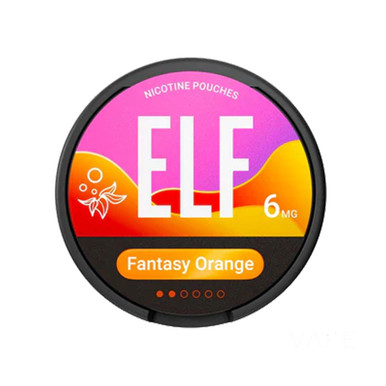
This page covers Elf Bar Fantasi Orange Nicotine Pouches. The brand is Elf Bar and the product name is Fantasi Orange. Our listed price is £29.90, and that figure applies to all three declared strengths: 6mg, 12mg and 20mg. The flavour tag we hold against it is citrus. One image is attached.
The awkward part comes first because burying it would be dishonest. Our stock field for this product reads out of stock. At the time this description was written you could not order it. We have left the page up, and we have written it properly rather than reducing it to a holding notice, because a listing that disappears when a can runs out is no use to somebody trying to work out whether they want it when it comes back. What we will not do is put a return date on it. We hold no information about incoming deliveries, and a date we invented would be worse than the blank we are giving you. The listing page itself is the live answer; this paragraph is only accurate for as long as it happens to be.
The full guide to Elf Bar Fantasi Orange Nicotine Pouches
5,072 words on how it eats, who it suits, how to serve it and what to put beside it.
Fantasi Orange: the record, including the awkward part
Everything else on this page is a description of the object, a comparison against cans we do currently hold, or a note about where our data ends. The last of those comes up more often than you might expect. We keep a product record, not a specification sheet, and pretending otherwise would be the easy way to write a longer page and the wrong way.
Sold to adults aged 18 or over who already use nicotine. The full wording sits near the foot of the page.
Orange, and the distance between a fruit and a flavour name
"Fantasi Orange" is a manufacturer's name, and the first word of it is doing more work than it looks. Orange as a flavour splits into several quite different directions, and they do not taste alike. There is fresh orange, which is juicy and slightly bitter at the edges with a green note from the peel. There is orange squash, which is sweeter, rounder and much less bitter. There is orange confectionery — the boiled-sweet register — which is sweeter again and barely resembles the fruit. And there is bitter marmalade orange, which goes the other way entirely.
Which of those this can is aiming at, we do not know, and we are not going to reason our way to an answer from the word "Fantasi" and present the result as information. Our record holds one flavour tag, citrus, and the product name. That is it. What the tag does tell you is where the can sits on our site: filed with citrus rather than with berry, tropical or mint, which is a shelf placement rather than a tasting note.
Something worth knowing about citrus generally, since it applies across the shelf rather than to this can specifically: citrus is the flavour family where the difference between the sweet and the sharp reading of the same fruit is widest. A lemon can and a lemonade can are not close relatives. An orange can and an orange squash can are not either. Names that add a second word — a fruit plus a form, or a fruit plus a temperature — are usually telling you which reading is intended, and names that give the fruit alone are leaving it open.
On aroma: lifting the lid on a citrus can generally gives the most volatile first impression of any flavour family, because citrus scent is light and comes off fast. It disperses within seconds and is not a preview of how the can behaves in use. A faint smell on opening does not mean a faint can.
And as with every dry pouch on this site, the flavour arrives as a curve rather than a level. It is most defined early and thins steadily. A citrus note, being a lighter construction than a cola or a coffee, tends to thin on the earlier side. That is the format doing what the format does, not a shortcoming of this particular tin.
The object in the hand
A shallow round tin with a lid that lifts clear and presses back on. The face carries the branding, the flavour name and the strength figure — the figure being the one that matters once there are several cans in a drawer and you are reading them from above rather than picking each one up.
The pouches inside sit flat in a ring: small soft rectangles with rounded ends, dry to handle, light enough that one in the palm registers as nothing much. The number in a tin is not a field we hold, and neither is the weight of a pouch or the width of the can. Those are printed on the packaging and the packaging is the authority. We would rather point you at it than produce a figure that sounds right.
Under the lid there is a shallow well with a raised rim. That is the catch compartment, and it takes a finished pouch until a bin turns up. It holds a handful comfortably. Past that the lid stops sitting flush and you can feel the difference when you press it down. Emptying it at the end of a day keeps the tin pleasant to handle; leaving it a fortnight does not. A used pouch is ordinary waste — a bin, not a drain and not a verge.
In place, the pouch sits between lip and gum and stays there. There is a minute of being aware of it and then, for most people, there is not. Talking is unaffected. Drinking is fine. Eating tends to move a pouch out of position and you will generally reset it afterwards.
Duration is personal and we take no position on it. What can be said neutrally is that the flavour curve and the length of use are separate questions, and that people who are following the flavour change pouches earlier than people who are not thinking about it at all.
What 6mg, 12mg and 20mg are
They are declarations printed by the manufacturer. They let cans be ranked against one another and let somebody find the same figure again next time. They are not doses, not recommendations, and not predictions about what anybody will experience. We reproduce them because they are on the product and because our shelves sort by them.
| Declared strength | Listed price | Where the figure sits in our catalogue |
|---|---|---|
| 6mg | £29.90 | Lower part of the published range |
| 12mg | £29.90 | Middle |
| 20mg | £29.90 | Upper band |
One product name spanning three quite different shelf positions is worth noticing, because it means naming the can does not identify what somebody is holding. The figure does. And because all three cost £29.90, nothing in our pricing steers the choice, which is not true of every listing on this site.
We would not read a figure across brands as an equivalence. Each manufacturer sets its own declared number and we hold nothing about the method behind any of them. Two cans printing 20mg have both chosen to print 20mg. Inside one brand's range the numbers are at least set by the same company, so the internal ladder is the firmer comparison.
Discretion, setting, and the rules we are not in a position to state
This is the section people arrive at with a specific question, and it is the section where the honest answer is partly a refusal. Let us do the describable part first.
What the format is like to carry
The tin is small, sealed and light. It goes in a jacket pocket, a trouser pocket at a push, a bag pocket, a desk drawer, a locker or a glovebox — although the glovebox comes with the heat caveat set out further down and is the worst of that list. There is nothing to charge, nothing to refill, nothing that leaks, and no second component that can be left at home. A can is the whole of the kit. That is a genuinely practical property rather than a marketing point: the number of things that can go wrong with a tin of dry pouches is close to zero, and the failure modes are limited to losing it or leaving the lid off.
Opening it is a one-handed operation once you are used to the lid, which matters more than it sounds if you are standing up with a bag over one shoulder. Closing it is the same. Nothing about the tin requires a flat surface, a free hand for long, or anywhere to put anything down.
What the format is like to use
In use there is no equipment, no power and no noise. The pouch goes in, and after the first minute most people are not conscious of it. It does not need to be held, tended or put anywhere. Both hands stay free the entire time, which is the practical difference people are usually asking about when they ask about discretion.
Visually, whether a pouch is noticeable to anybody else depends on the person, the pouch and how closely somebody is looking. We are not going to claim it is invisible, because that would be a promise we cannot keep and people vary. What is fair to say is that nothing about using one is audible, nothing about it requires movement, and nothing about it needs a break in a conversation.
The end of the process is the one part that does need a plan, and it is the catch well under the lid. Having somewhere to put a finished pouch that is not a bin, a napkin or a pocket is most of what makes the format manageable away from home. A tin with a full catch well is a tin that has stopped being discreet, so emptying it is part of the routine rather than an afterthought.
Where you are allowed to use one — which is not ours to say
Here is the refusal, and it is not a dodge. Whether any given place permits the use of a nicotine pouch is decided by that place, not by us. An employer sets its own policy for its own premises. A venue sets its own conditions of entry. A transport operator sets its own rules for its own vehicles and stations. An airline sets its own rules in the air and the country at the other end sets its own rules on the ground, and those two frequently differ from each other and from the rules where you boarded.
We are a retailer with a product record. We do not hold any of those policies, we are not told when they change, and a confident sentence from us about what is permitted on a particular train, in a particular office or in a particular country would be a guess presented as guidance. If it turned out to be wrong, the consequence would land on you and not on us, which is precisely why we are not going to write it.
The practical version is short. If it matters, ask the operator, the employer or the venue directly, and check the rules of any country you are travelling to before you pack. Those sources are authoritative and free. We are neither.
The one thing we will say plainly, because it is our responsibility rather than anyone else's, is that this product is sold to adults aged 18 or over who already use nicotine, and that nothing in this section is an encouragement to use one anywhere in particular.
Six cans on the Elf Bar shelf, and where this one falls
The Elf Bar brand page carries six listings. A shelf that size can be read end to end in a minute, which makes it one of the easier brand pages on the site to navigate and one of the more useful to describe can by can rather than in generalities.
The naming convention tells you most of it
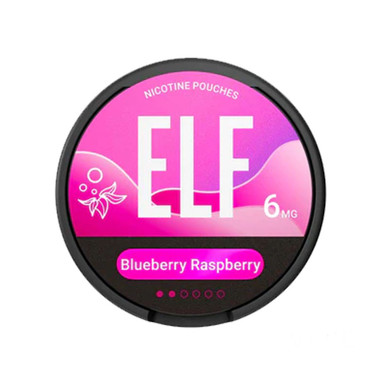
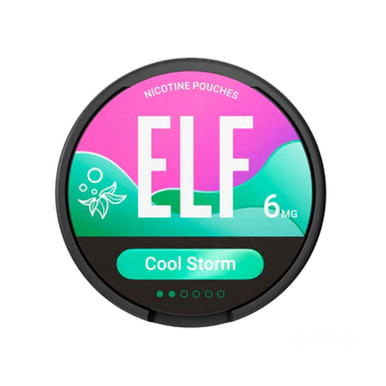
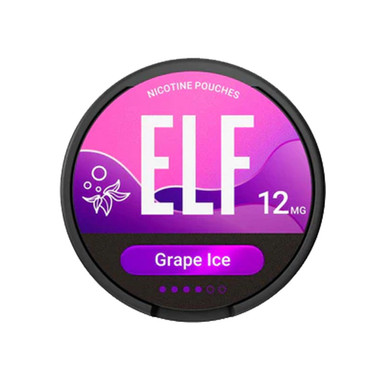
Read across the range and the names fall into two grammars. Some are a plain fruit: Elf Bar Pineapple gives you the fruit and nothing else. Some pair two fruits: Elf Bar Blueberry Raspberry names both and leaves the balance open. Some attach a temperature word to a fruit: Elf Bar Grape Ice is a fruit with a cold layer built under it. And some drop the fruit altogether in favour of an invented name, which is what Elf Bar Cool Storm does on the mint side and what this can does with "Fantasi".
That last grammar is the least informative and it is worth being clear-eyed about it. An invented word on a lid is a branding decision. It is not a grading, not a description and not a signal about strength, and the honest reading of it is that the manufacturer wanted a name rather than a description. When a can gives you an invented word you fall back on the flavour tag, which here is citrus, and on the fruit that survives in the name, which here is orange.
Who each can suits, kept to preference
The only defensible version of "who suits what" is about taste, so that is all this is. If you want a citrus note, this is the one in the range built for it, and it is the only citrus entry on the shelf — which is why the can has no internal competition and also why there is no fallback within the brand when it is unavailable. If you want a dark, soft fruit with a brighter edge, the blueberry and raspberry can is that. If you want a sharper tropical fruit, the pineapple can is the most acidic option on the shelf and the nearest thing to this one in character, since both sit on the sharp side of the fruit spectrum. If you want cold rather than sweet, Cool Storm is the mint entry. If you want fruit and cold together, Grape Ice is the one that does both.
Those five sentences are the whole of the guidance we are prepared to offer, and a page that offers more is deciding your preferences for you.
Why the uniform pricing matters here
Every listing on this brand shelf is £29.90 and every one carries the same three declared figures. That has a specific consequence while this can is unavailable: moving to another can in the range costs you nothing and changes nothing except the flavour. You do not trade down on price, you do not trade up, and you do not have to revisit the strength decision you already made. On most brand shelves an out-of-stock can forces a compromise somewhere. On this one it does not.
The other consequence is that people work through this range rather than choosing from it once. Six cans at one price with one strength ladder is a shelf built for browsing, and the six-can size means browsing it is quick.
Where the citrus shelf sits
Our citrus category holds 25 listings, which makes it one of the smaller flavour families we carry — a fraction of the size of the mint or berry shelves. That has a practical upside: 25 entries can actually be read, so somebody who has settled on citrus can survey the whole family rather than sampling it.
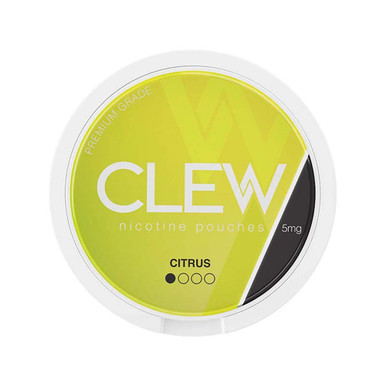
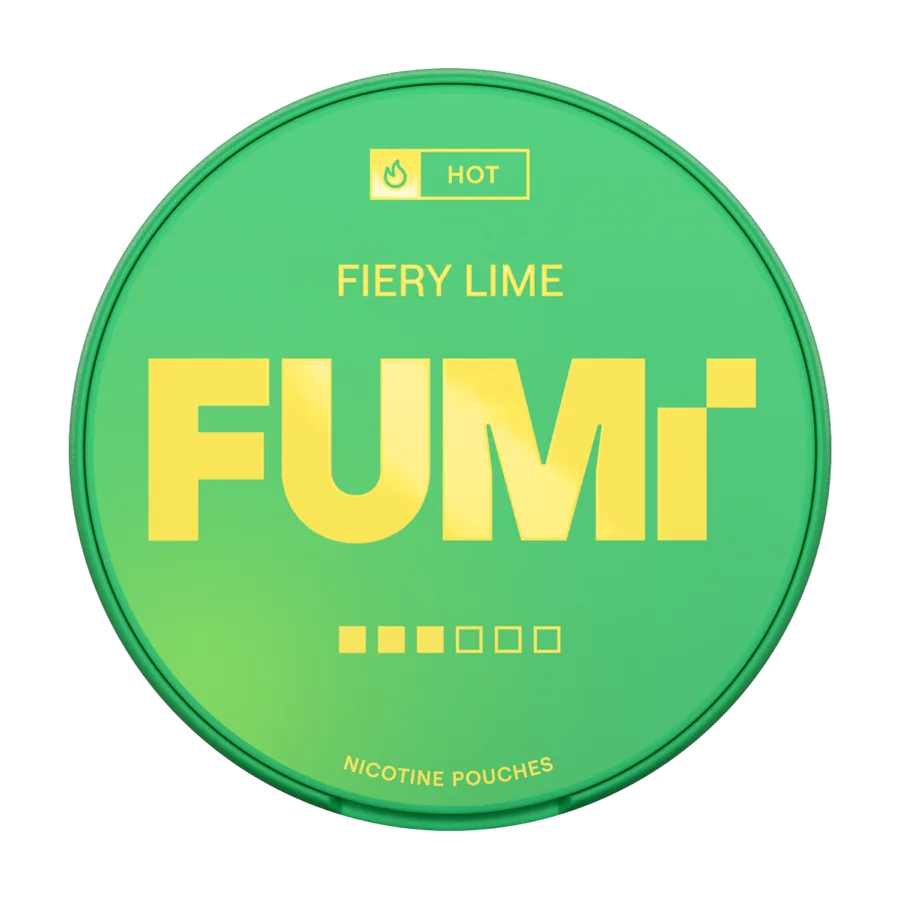
Within those 25, the price spread alone tells you the shelf is selling different quantities rather than different grades. Velo Orange Spark is listed at £4.19. Fumi Fiery Lime is £27.90. This can is £29.90. Killa Exclusive Lemonade is £33.50, and Clew Citrus is £39.90. Reading that ladder as a quality ranking is the most common error made on a shelf like this and it will give you the wrong answer every time. What each line contains is stated in the basket at checkout, and our record holds no cans-per-pack figure for this product, so we cannot do that conversion for you here.
On the strength side this listing appears among our 132 Strong listings, which is the shelf to use if the number on the lid is the thing you sort by.
What to put alongside it, and what to reach for while it is away
Two jobs here, and while this can is unavailable the second one is the pressing one. Both come down to the same principle: cans that differ from each other stay noticeable, and cans that are near-identical do not.
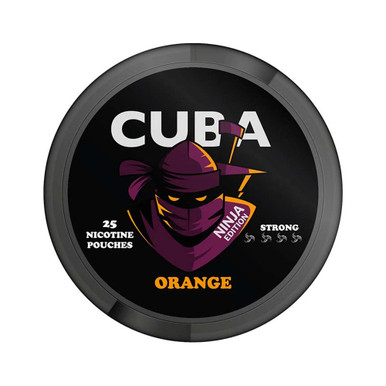
- The nearest orange on the shelf. Cuba Ninja Orange at £39.90 names the same fruit from a different house, which makes it the most direct substitute we stock while this one is out.
- A citrus in a different direction. The Fumi lime can at £27.90 goes to a sharper fruit with a warm edge in the name rather than a cold one, which is an unusual construction on this shelf.
- A sweet citrus rather than a fruit one. The Killa lemonade can at £33.50 names a drink rather than a fruit, and that naming difference is a real signal about where the sweetness sits.
- A broader citrus. Clew's citrus can at £39.90 names the family rather than a single fruit, which is the opposite move to naming a specific one.
- The cheapest way to keep an orange in the drawer. The Velo orange can at £4.19 is the lowest-priced citrus listing we carry.
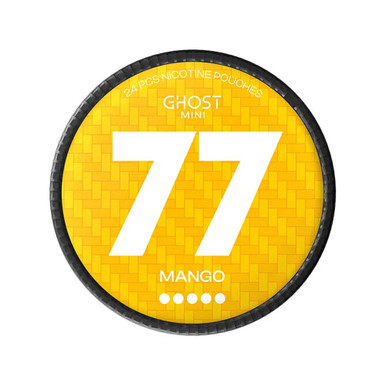
- A tropical fruit as a change of family. 77 Ghost Mini Mango at £39.90 moves to mango and to a mini-format can, so it changes two things at once.
- A mint, as the contrast slot. Edge Mint at £14.95 is the least expensive cold can on our shelves and the usual counterweight to a sweet fruit rotation. Klint Avalanche Mint at £36.90 does the same job from the other end of the price list.
- A dark fruit, for people who rotate wide. Denssi Blueberry Freeze at £39.90 and Nordic Spirit Max Foresty Berry at £4.49 sit at opposite ends of the berry shelf's price range and both are about as far from an orange as the catalogue goes.
None of those is an upgrade on this can and none is being put forward as better. A rotation works because of difference, not because of ranking.
Two more listings that are also away
This whole page is built around a can our stock field shows as unavailable, so it would be odd not to be equally straight about the shortlist around it. A set of links is only useful if you know which of them can actually be ordered today, and two listings that would otherwise have earned a place in the sections above cannot be ordered at the moment either.
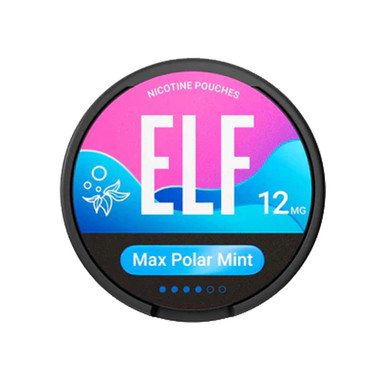
The first is the Max Polar Mint can from this maker at £29.90, and our stock field reads out of stock against it. That matters to the range section above: it is the second mint-side name in this brand's line-up as we hold it, sitting alongside Cool Storm. With both it and this citrus can unavailable, what remains orderable from the brand is narrower and more fruit-led than the full shelf would suggest.
The second is the Iceberg apple, lemon and pineapple listing at £39.90, which is unavailable as well. It sits close to this page in register — three fruits with a citrus in the middle of them — and it would have been the obvious wide-citrus comparison to put beside the Clew can in the list above. It is named here so the gap is visible rather than quietly tidied away.
There is no restock date for any of the three, this listing included, for the plain reason that we do not hold restock information at all. The practical answer is identical in each case: open the listing page, which carries the live position, and trust it over any description written in advance of the day you are reading it.
Storage, and the two things that damage a tin
Lid on, indoors, out of direct sun. That is the specification in full, and it is adequate for a product that will be finished in weeks.
Heat is the first enemy. A can that has sat on a dashboard through a warm afternoon, or on a windowsill, or above a radiator, tends to come back flatter than it went in. Air is the second. A tin left with the lid ajar dries further than it was meant to, and a drier pouch behaves differently in place and thins faster. Neither makes a can unusable, but both mean the second half of the tin is a worse version of the first half, and both are avoidable at no cost by using a drawer.
The cosmetic third case is a tin that has been loose in a bag with the lid unseated, which ends up with pouches out of the ring. That is untidy rather than important, though it does make one harder to take out cleanly.
If you keep a second tin somewhere other than home — a desk, a locker, a bag — that away tin is the one worth checking on, because it is the one that gets forgotten and then found in worse condition than the one in daily use.
Choosing a figure, and how much to buy
Since all three variants are £29.90, the strength choice carries no cost consequence and nothing in the pricing is pushing you anywhere. What we can offer is placement rather than advice. The 6mg belongs with our lower published figures and overlaps with what people compare on the Medium Strength shelf. The 12mg is mid-table. The 20mg is upper-band, and figures above it sit on the Extra Strong shelf.
We will not tell you which to pick. Recommending a strength as suitable for an individual is advice we are not qualified to give and a product page is the wrong source for it in any case. The numbers are published so the shelf can be compared; the comparison is yours.
On quantity, the position is simple while the can is unavailable: you cannot buy any of it today, so the live question is whether you want to hold a different can in the meantime or wait. If you do buy elsewhere in the range, buy the amount that covers you until your next order and no more. Dry pouches do not improve in a drawer, and a large hold of a single flavour is the most direct route to being bored of it before you reach the bottom of the pile.
Ordering, delivery and age verification
Our record shows this product as unavailable at the time of writing, so there is nothing to order on this listing right now and we cannot say when that changes. The rest of this section applies whenever it does, and applies to the other cans mentioned above today.
This is an age-restricted sale. The buyer must be 18 or over. We may ask for proof of age, and the courier may ask again at the door. A delivery that cannot be verified at handover is not left — not with a neighbour, not in a porch, not in a nominated safe place. Send orders to an address where somebody 18 or over will be present, and think twice about workplaces where a colleague might sign on your behalf.
Beyond that, a tin is small, light and not fragile, so shipping it is unremarkable. Carriers, costs and timescales live at checkout and on our delivery pages rather than in a product description, because those change and a description that quotes them goes stale.
How to get back here
Three shelves carry this listing. The other five cans in the range are the shortest route if the brand is what you have settled on. The 25 citrus listings are the route if the flavour family is settled and the brand is not — and at 25 entries, that page is short enough to read properly. The Strong shelf is the route if you sort by the number.
The whole catalogue is the top-level starting point, though most people find a shelf faster than they find anything on it. The Pablo listings and the Cuba brand page are the two other brand shelves most often browsed alongside this one, both broad enough to carry citrus entries of their own.
Questions, answered as far as we honestly can
When will this be back in stock?
We do not know and we will not put a date on it. Our record holds the current position and carries nothing about incoming deliveries or supplier schedules. A restock date invented to sound reassuring would be worse than this answer. The listing page is the live position — if it starts accepting orders, it is back. In the meantime the other cans on the brand shelf are the nearest equivalents at the same price.
Is Fantasi Orange a sweet orange or a sharp one?
We do not hold that detail. The record gives us a flavour tag of citrus and a product name containing an invented word, and neither tells us where the can sits between a fresh fruit reading and a confectionery one. Rather than reason from the name and present the result as fact, we would rather say plainly that this is a gap in what we know.
Am I allowed to use one at work or on a train?
That is for your employer and the operator to say, not us. Policies are set by the organisation whose premises or vehicles are involved, they differ widely, and they change without telling retailers. We hold none of them. Asking the operator or checking your employer's own policy will give you an authoritative answer; anything we wrote would be a guess with your name on the consequences.
What about taking a can abroad?
Also outside what we can advise on. Rules on buying, carrying and using nicotine products differ by country and sometimes by carrier, and they are set by governments and airlines rather than by us. Check the rules for the destination and the airline before you travel. A tin itself packs easily — it is small, sealed and not fragile — but that is a statement about luggage, not about legality.
How many pouches are in a can?
Not a figure we hold. Our product record has no portion count for this listing and we are not going to estimate one. The number is printed on the packaging. The same applies to pouch dimensions and tin size: where the can states something and our data does not, the can is the source.
Why do 6mg and 20mg cost the same?
That is how the listing is priced in our system — all three variants at £29.90. We do not set that structure and cannot explain the thinking behind it. The practical effect is that the strength you choose has no bearing on what you pay, which means the decision is yours alone rather than one the price is quietly making for you.
Is a 20mg from this brand the same as a 20mg from another?
We would not assume it. Each manufacturer declares its own figure and we hold no information on how those declarations are produced. A matching number across two brands means both chose to print that number, and nothing further. Comparisons within a single range are the sounder ones, since one company set all of them.
Where is it made?
We cannot tell you. Country of origin is not a field in our record and we do not publish facts we have not verified. Whatever is printed on the tin is the manufacturer's own statement and a better source than anything we could assemble.
Can I be notified when it returns?
If a notification option is offered it will appear on the listing itself rather than being something we can arrange from a description page. We would rather point you at the listing than promise a service here that we are not the ones operating.
How long does an open can keep?
We do not publish a figure and it would depend on storage anyway. What is fair to say is that a lidded tin in a cool indoor drawer holds condition better than one that has been through a hot car, and a can left open dries beyond what was intended. Any best-before information is on the packaging; ours is a note about keeping rather than a shelf-life claim.
Which strength should I choose?
Not a question we will answer. Suggesting a figure as appropriate for a particular person is advice, and we are a shop with a product record rather than anyone's adviser. We publish the declared numbers and where they sit against the other cans we carry, and the choice is entirely yours to make.
Is the pineapple can a close substitute for this one?
Closer than most, but not the same. The pineapple can sits on the sharp, acidic side of the fruit spectrum as this one does, and it shares the £29.90 price and the same three declared figures. It is a different fruit in a different family, though, so it is a reasonable next thing to try rather than a like-for-like replacement, and anybody expecting orange will notice immediately that it is not.
Do all three figures go out of stock together?
We cannot tell you. Our record carries one stock field for this listing as a whole rather than one for each of the three declared figures, so it cannot distinguish between a can where every option is away and one where a single option is. The listing page is where the live position for each variant sits, and it will show what is selectable. If the record ever disagrees with the page, the page is the one to believe.
The required statement
This product is sold only to adults aged 18 or over who already use nicotine. We do not sell to under-18s, and this listing is not offered or described to anyone who does not currently use nicotine.
Nicotine is an addictive substance.
It is not a licensed medicine and it is not a stop-smoking aid. We make no claim that it assists with anything, and nothing on this page should be read as a statement about health in any direction. It is not intended for non-smokers, for anyone who does not already use nicotine, for under-18s, or for anyone who is pregnant or breastfeeding.
Proof of age may be requested when ordering and again by the courier at the door, and an order that cannot be verified will not be handed over. Anyone with concerns about nicotine use should speak to a qualified healthcare professional rather than a retail page.
To summarise
A £29.90 citrus can from a six-listing brand shelf, offered at 6mg, 12mg and 20mg for the same money, and currently unavailable with no return date that we are prepared to invent. The name gives an invented word and a fruit, which is a branding decision rather than a description; the format is a dry pouch in a lidded tin with a catch well underneath, needing no equipment and no power. Where you are permitted to use one is set by employers, venues, operators and governments rather than by us, and we have said so rather than guessed. The portion count, the sweetness reading and the country of manufacture are gaps we have left open rather than filled.
More from Elf Bar
More strong pouches

More citrus pouches

Where this sits
Elf Bar Fantasi Orange Nicotine Pouches appears in these categories. Browse them, or jump to something close.
You might also like