
Pablo · 17mg
Read the full guide
Pablo Gold Edition Blueberry Peach Ice Nicotine Pouches
£19.95
✔ In stock — ready to ship
100% tobacco-free
Free over £20
Same-day dispatch
Secure checkout
This listing is Pablo Gold Edition Blueberry Peach Ice Nicotine Pouches, priced at £19.95, declaring a single strength of 17mg. The flavour record carries three entries: mint, berry and tropical. One variant, one image, and the listing is available as this page is written.
That is everything our catalogue holds. Brand, product name, price, declared figure, three flavour tags, stock position. Every other paragraph here is either a description of the physical object, which belongs to the format at large rather than to this tin; a comparison against other listings on our own shelves, where prices and figures are recorded and can be quoted; or an admission that something is simply not in our data. The third sort appears more often on this page than shops usually allow, and deliberately so.
The full guide to Pablo Gold Edition Blueberry Peach Ice Nicotine Pouches
5,100 words on how it eats, who it suits, how to serve it and what to put beside it.
Pablo Gold Edition Blueberry Peach Ice on the record
Two things about that record need dealing with immediately, because on the face of it they look wrong.
The tags do not line up with the name, and one of them is frankly a stretch. The can is called Blueberry Peach Ice. Our record tags it mint, berry and tropical. Berry is straightforward — that is the blueberry. The other two need explaining. Mint is not in the product name at all; it is there because our shelf system has no separate heading for cooling descriptors, so the word Ice gets filed under mint by default. That is a limitation of our taxonomy and it should not be read as a statement that this can contains a mint note. Tropical is the stranger of the two. Peach is a stone fruit and by most ordinary reckoning is not tropical at all, but our shelves have no stone-fruit heading, so peach lands under tropical because that is the nearest available drawer. It is a filing decision, not a description, and if you came to this page from the tropical shelf expecting mango or pineapple, this is why the can turned up.
We do not know how many cans £19.95 buys. Our record carries no cans-per-pack figure for this listing. The catalogue contains listings at £4.19 and listings at £39.90, and price gaps on that scale usually indicate that some listings hold more than one tin — but usually is not recorded, and nobody has given us the number for this product. The listing page and the basket are the places that settle it. Do not reason backwards from the price, and do not take anything on this page as an answer.
Governing everything below: this is an age-restricted nicotine product for adults who already use nicotine. The full position is at the foot of the page.
How the format works, in practical terms
A pouch is a small white sachet, soft and dry, about the size and shape of a short flat bean. It goes between the upper lip and the gum, generally off towards one side, and the lip keeps it there without any effort from you. Nothing else is involved. There is no device, nothing to charge, no battery, no cartridge, no refill, no part that wears out and nothing to clean. The tin and the pouches in it are the product in its entirety, which is the largest practical difference between this and most other things sold under the same age restriction.
Using one is a still and silent business. Nothing is held in the hand, nothing is operated, and there is no gesture attached to it. That is a statement about the physical object and no more than that; whether a given place permits it is a question for whoever runs the place, and not one we answer.
Duration varies enormously from person to person and our record is silent on it. Some manufacturers print guidance on the can, and where they do, the can is the authority. We will not publish a length of time, a number per day or any other quantity, because that would amount to instructing you in the use of a nicotine product, which is not a shop's job.
On disposal: used pouches go in a bin, not down a sink, not down a drain, not on the ground. Most tins in this format include a separate shallow compartment under the lid so a used pouch has somewhere to go when no bin is to hand; it is meant to be emptied rather than allowed to fill. Cans, open or sealed, belong out of reach of children and animals.
Blueberry, peach and a cold finish, described as taste
Three elements in the name, given in an order the manufacturer chose, and that order is worth taking seriously because it is more informative than anything our tags can offer.
Blueberry leads. As a flavour note it sits at the quieter end of the berry family — less sharp than raspberry, less sweet-sour than strawberry, with a soft, slightly jammy, faintly floral character and a skin note underneath that is the part most people would recognise blind. It is a rounded flavour rather than a bright one, which is why it so often turns up paired with something that has more edge.
Peach follows. Stone fruit brings a different kind of sweetness — heavier, more perfumed, with a soft-fleshed quality and a faint almond-adjacent note at the back that is characteristic of the family. Peach is one of the more difficult notes to carry convincingly in any format, because so much of the real fruit is texture and scent rather than taste. Where it works, it reads as warm and full; where it does not, it thins out into general sweetness.
Ice comes last, and in flavour naming that word almost always denotes a cooling finish rather than a flavour of its own. It sits underneath the fruit rather than beside it, and its usual effect is to make the fruit read sharper and more defined than it would alone. Cold against soft sweet fruit is a well-established pairing and this name is a straightforward instance of it.
Taken together the construction is coherent: two soft, sweet fruits from different families, given definition by something cold underneath. Whether this particular can pulls it off is not something we can tell you. Our record holds three coarse tags and no proportions, no order of arrival, no indication of how assertive the cooling is, and nothing about how the balance shifts over the life of a pouch. Anyone claiming to know those things from a three-word tag list is making them up.
Single cans, rolls, and how reordering actually goes
This section is about the buying pattern rather than the product, because it is the part of the transaction our data speaks to least well and the part people get caught out by most.
The trade sells this format two ways. A single tin is one can. A roll is a sleeve of several cans of the same product, sold as one unit at one price. Both exist across this catalogue, and the difference between them is the main reason two listings for broadly comparable products can be separated by a factor of ten on price. It is not, in the ordinary case, a statement that one product is ten times the other.
Our record does not say which this listing is. That bears repeating in the section where it matters most. The cans-per-pack field is empty for this product. £19.95 is the price; the quantity behind it is not recorded on our side. We are not going to infer it from the number, because inference presented as fact is exactly the thing this page is trying not to do. Read the listing page, and check the basket before you confirm — the basket is the last place the quantity can be verified and the easiest place to catch a mistake.
How people actually reorder. The common pattern among regular buyers is not a single large order but a repeating small one, timed so that a replacement arrives before the current tin runs out rather than after. The reasoning is ordinary household logistics: delivery takes time, an age check has to clear before dispatch, and a parcel that needs ID at the door can miss you entirely and go back. None of that is dramatic, but it is the difference between a smooth reorder and an awkward gap.
On keeping a spare. Plenty of people keep one sealed tin behind the one in use. We will describe the practice because it is real, and we will stop there. We are not going to encourage anyone to hold more than they would otherwise, and nothing about a spare tin is a recommendation to use more. The only genuine argument for one is logistical — an unopened can keeps better than an opened one, so a spare in a drawer is in better condition than a second tin opened early and left going stale alongside the first.
Where price comparison actually helps. Since the quantity behind this listing is unrecorded, comparing it to other listings on price alone will mislead you. The Edge Mint listing at £14.95, in stock, and Velo Icy Berries at £4.19, also available, sit well below this listing's price; Klint Avalanche Mint at £36.90 sits well above it. All three are ordinary listings and none of those numbers means what it appears to mean until you know what each listing contains. Check them individually rather than reading the column.
And one thing we will not do. We do not run this page to move volume, and there is no point in this description at which buying more is presented as the better decision. A single can is a perfectly sensible purchase, and if you have not had this flavour before it is the obviously sensible one.
Reading the 17mg
The listing declares 17mg with no other option attached, so the figure is a property of the can rather than a choice this page puts to you.
The number is a manufacturer's declaration, printed on the tin by whoever made it, and we reproduce it precisely as supplied. Accurate reproduction is the useful thing a retailer can do with a label. We use it for one other purpose, which is filing: declared figures sort cans onto strength shelves, which is why this one appears on the Strong shelf alongside 131 others, while the catalogue separately runs an Extra Strong shelf and a medium shelf for cans printing other numbers.
What the figure is not: a score, a grade, a ranking, or a thing to aim at. A larger printed number does not make a can better, more serious or more worth owning. The strength shelves are a filing system, not a sequence — nothing is arranged as a progression, there is no order to move through and nothing at either end to arrive at. A can declaring a modest figure is exactly as much a product as one declaring a large figure, and this paragraph would be identical on either page.
The figures also do not travel between brands. Each manufacturer declares by its own method; we hold none of those methods and could not reconcile them if we did. Two cans from two houses printing the same number are not thereby the same thing.
And the point that outweighs the rest of this section: we cannot advise which strength suits you. Not from your history, not from your build, not from what you bought last, not from anything at all. We do not know you, we are not qualified to judge it, and a shop offering that judgement would be well outside its competence. We print the figure accurately and file the can correctly. The decision belongs to you.
Gold Edition and Exclusive: what the line names mean here
Pablo runs to 56 listings with us across named lines, and this can belongs to the Gold Edition line. The name prompts an assumption worth heading off.
Gold Edition is the manufacturer's name for a line. It is not a quality grade and it is not one we have checked. On our records, Gold Edition listings differ from Exclusive listings in the declared figure and in the listed price. There is no further field in our data recording better flavouring, better construction or better anything else. If the word gold reads to you as a promise about the contents, that reading comes from the word, not from us.
The numbers make the point better than the argument does. This Gold Edition can declares 17mg and lists at £19.95. The Exclusive siblings we hold list at £3.85 each and declare a substantially larger figure — a lower price against a higher printed number. Whatever that pattern reflects, it is not a premium tier delivering more for more, and the far likelier explanation is simply that the two lines' listings contain different quantities. Since our record holds no cans-per-pack figure, we cannot close that question, only decline to pretend it is closed.
Within the Gold Edition line, the in-line comparison is Gold Edition Blue Raspberry at the same £19.95, in stock: identical declared figure, identical price, a confectionery-style berry name rather than a two-fruit one, and no cooling descriptor where this can has one.
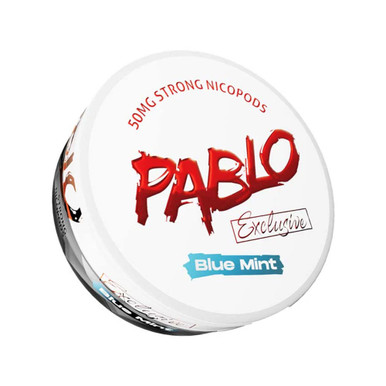
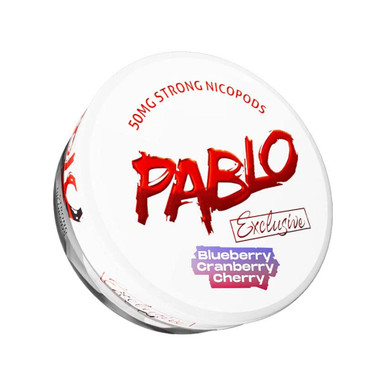
Over in the Exclusive line, where the fruit names mostly live, Exclusive Blueberry Peach Ice at £3.85 is in stock and carries the same flavour name as this can in the brand's other line, which makes it the single most direct comparison available anywhere in the catalogue. Exclusive Banana Ice, £3.85, keeps the cooling descriptor but changes the fruit entirely. Exclusive Blue Mint at £3.85, available, is the line's mint-led option for anyone who wants the cold without the fruit. Exclusive Blueberry Cranberry Cherry, also £3.85, stays with blueberry but surrounds it with two more berries instead of a stone fruit. And Exclusive Bubblegum at £3.85 leaves fruit behind altogether.
What pairs with this one, and why people bother pairing at all
Almost nobody who buys regularly runs a single flavour. A taste you have every day stops registering within a week or two — not because anything about the can changes, but because attention does. Keeping two or three tins in rotation is the ordinary response, and choosing what goes alongside a can like this one is a more interesting problem than it looks, because this can is doing three things at once.
Pair against the cooling, not the fruit. The most common mistake is to pick a second can from the same fruit family, which produces two tins that blur into each other. The sharper contrast here is with the cold finish, since that is the element doing the structural work. Something with no cooling descriptor at all will read as an entirely different kind of object even if the fruit is similar. Clew Blueberry at £39.90, in stock, is the cleanest version of that experiment — the same lead fruit, no cold underneath it.
Or pair by pushing the cooling further. The opposite approach is to keep the cold and drop the fruit, which is what the mint-led cans on our shelves do. Klint Avalanche Mint, £36.90 and available, and Fumi Fiery Mint at £27.90, also in stock, both sit at that end. Edge Mint at £14.95 is the least expensive way to try the idea. All three will make this can read as distinctly fruit-forward by comparison, which is often the point.
Or stay in the berry family and change the treatment. Denssi Blueberry Freeze at £39.90, in stock, takes the same fruit and the same cooling idea from a different house, which is a genuinely useful comparison if you want to know how much of what you like is the flavour and how much is the brand. Elf Bar Blueberry Raspberry at £29.90, available, keeps blueberry and adds a sharper berry instead of a stone fruit. The Velo Icy Berries listing at £4.19 is a mixed-berry reading of the same territory, and the 77 VB Edition Mini Arctic Berry can at £39.90 is a smaller-format version of it. Both are in stock.
Or leave the neighbourhood entirely. Sometimes the useful second can has nothing to do with the first. Cuba White Apple Juice at £39.90, in stock, is a crisp orchard fruit rather than a soft one, and the broader Cuba brand pages hold the rest of that house's range. Killa Banana Ice at £33.50, also available, keeps a cooling descriptor but moves to a fruit almost nothing else on these shelves attempts.
Worth noting, since we flag the opposite whenever it applies: every listing named in this section is in stock at the time of writing. Nothing here will send you to a page you cannot order from.
Looking after the tin
Seat the lid properly after each use rather than resting it on top. Air is the thing that changes an opened can over time, and a lid that is merely balanced in place leaves you with an open tin.
Keep it cool and out of direct sunlight. A car standing in the sun is comfortably the worst place for a can, and a bright windowsill is the runner-up. Heat is not something a tin recovers from — a can left somewhere warm does not return to its earlier condition once it cools again. A drawer, a cupboard, a bag or any ordinary room will do, and nothing further is required.
Keep sealed tins sealed until they come into use, and if you hold several, run them one at a time rather than opening the lot. Three open tins age three times over. On refrigeration we take no position: our record says nothing and the manufacturer's own labelling is where to look for storage guidance.
And whatever else you do with a can, keep it out of reach of children and animals, open or sealed. A small printed container that rattles when it moves is precisely the sort of thing that interests exactly the people who should not have it.
Three shelves, and how to use them
A three-tag record has one real advantage: this can is findable from three directions, and each of those shelves is a different way of looking for something adjacent to it.
The berry shelf holds 76 listings and is the most literal route — if the blueberry is the part you care about, that is where its relatives are. The mint shelf is by far the largest at 148 listings, and worth understanding before you browse it: because our system files cooling descriptors under mint, that shelf contains both genuine mint cans and fruit cans with ice in the name, which makes it broad rather than precise. The tropical shelf, at 58 listings, is the one this can sits on for the reason explained at the top — the peach — and it is therefore the least reliable of the three as a guide to what this tastes like.
If you would rather not filter at all, the whole catalogue in one list is there to scroll, and the Pablo shelf collects all 56 of the brand's listings, both lines together, in one place.
What is actually there to choose
Not a great deal on this page, and it is better to say so than to manufacture a decision. The listing offers one declared figure, 17mg, at one price, £19.95, with no variant selector and no recorded pack-size option.
The choosing that remains happens between listings rather than within this one. If 17mg is not the number you want, the route is a different product rather than a different option here, and the strength shelves are the quickest filter — 132 listings share the Strong shelf with this can, and the Extra Strong and medium shelves hold the cans printing other figures. Filter by strength first if the figure matters to you, then read individual listings, because a strength shelf sorts by one number and says nothing whatever about flavour.
On quantity, the answer is unchanged from the top of the page and from the buying section: we hold no cans-per-pack figure. At £19.95 that is a question worth settling before you confirm, and the listing page and basket are where to settle it.
What one photograph settles, and what it does not
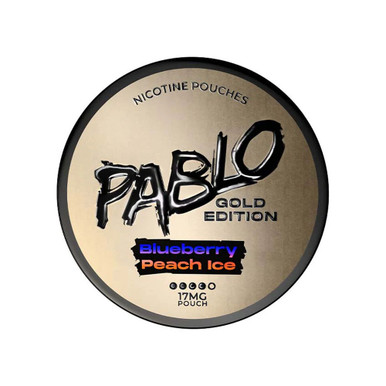
Our record holds a single image for this listing, and on a page that has spent this long on unrecorded fields it is worth being straight about what that photograph is for. It shows the tin: the brand mark, the flavour name, the printed figure, the colourway of the lid. That is not nothing. On a range where the Exclusive can carrying the same flavour name at £3.85 sits a few clicks away from this one, the front of a tin is the quickest way to confirm which of the two you have in front of you before you confirm an order.
What a front-on photograph does not settle is quantity, and that is precisely the field this listing is missing. A picture of a lid says nothing about how many tins £19.95 covers, nothing about how many portions are inside one, and nothing about the size of a pouch, because nothing in the frame gives it a scale. It is not a flavour guide either: colour on a can is design work, and a blue lid is not a measurement of anything.
Whatever is printed on the back of the tin — the maker's own wording, storage text, dating — is outside the frame as well. That is worth reading when the can arrives. It is simply not something this page is able to show you beforehand, and we would rather flag the gap than let one photograph stand in for the parts of a record we do not hold.
Ordering, delivery and proving your age
The listing is available at £19.95 at the time of writing. Stock moves, and where the live listing and this paragraph disagree, the listing is right.
This is an 18+ product. An age check runs as part of checkout, applies to every order, and does not get waived because an account is long-standing. ID may also be requested on delivery; where it is requested and no adult at the address can produce it, the parcel will not be handed over. The courier has no discretion there and neither do we.
Dispatch follows a cleared age check. Delivery timings, carriers and postage costs live in the shop's own delivery information rather than in product descriptions, because they apply across the catalogue and change independently of any single listing — an estimate written into a page like this one would be the first thing on it to go out of date.
If a parcel arrives damaged, or a tin does not match what the listing said, get in touch rather than resolving it yourself. One limitation is worth stating in advance: opened age-restricted consumables are not generally returnable, which is a matter of hygiene and law rather than commercial preference.
Getting back here
Four routes. By brand, on the Pablo shelf with the other 55 listings. By declared figure, under Strong. By flavour, on any of three shelves — berry, mint or tropical — with the caveats above about what the last two actually mean for this can. And unfiltered, by scrolling the full catalogue.
Filters stack, and stacking two is nearly always quicker than reading a long shelf by eye. Brand plus strength narrows the Pablo range to a single band in one step; flavour plus strength is the better combination if the brand matters less to you than the taste.
Questions we get about this listing
Why is a peach flavour filed under tropical?
Because our shelf system has no stone-fruit heading and tropical is the nearest available drawer. Peach is not tropical by any ordinary definition, and we would rather say that plainly than let the tag stand as though it were a description. The tag exists to make the can findable, not to tell you what it tastes of. If you arrived from the tropical shelf expecting mango or pineapple, the peach in the name is the explanation.
Is there mint in this?
Nothing in the product name says so. The mint tag on our record is there because our system files cooling descriptors under mint, having no separate heading for them, and this can has Ice in its name. Treat the tag as a filing artefact rather than as a claim about the contents. Our record holds no further detail, and the can's own labelling is the authority on what it is.
How many tins does £19.95 get me?
We do not know. The cans-per-pack field is empty in our record for this listing, so we cannot tell you whether the price covers one tin or several, and we are not going to guess from the number. The listing page and the basket will show you before you confirm the order. This is the single most common question on Gold Edition pages and the honest answer is the same every time.
Is Gold Edition a better line than Exclusive?
Nothing in our record supports that reading. The two lines differ in declared figure and in listed price and there is no further field describing quality. Gold Edition is the manufacturer's name for a line, not a grade we have verified. It is also worth noticing that this can declares a lower figure than the Exclusive cans while listing at a higher price, which is the reverse of what a premium-tier story would predict.
How many pouches are in the tin?
Our record does not carry a count and we will not estimate one. Counts vary between brands and between lines inside a brand, and two tins of the same external size do not necessarily hold the same number of pouches. The figure is printed on the can. An invented number on a product page is worse than an acknowledged gap.
Which of the three flavours comes through first?
We cannot tell you. The product name puts blueberry first and peach second, and naming order is a reasonably dependable convention for which note leads, but it is a convention rather than a specification. Our record holds three coarse tags, no proportions and no sequence. Nobody on our side has measured this, and a page that invented an answer would be less useful than this one.
Is the cooling strong or mild?
Not recorded, and not something we will put a number on. The word Ice in the name signals that a cooling finish is present; it does not indicate how assertive it is, and manufacturers use the term across a very wide range. The can's own labelling is the only source with any authority on this, and the practical answer is to try one tin rather than commit to several.
Can I use these at work or while travelling?
That is for whoever controls the place to say, not us. Employers publish their own policies and they differ between organisations and sometimes between sites of the same one. Venues set house rules. Rail, coach, ferry and air operators set conditions of carriage, and airlines run separate rules for cabin and hold. Other countries regulate nicotine products quite differently from the UK. Ask the operator and check the destination's rules before travelling.
Do unopened tins have a shelf life?
Manufacturers print date markings and the can is the authority on itself. Our record carries no shelf-life figure for this listing, so we cannot give a period in months and will not invent one. In practice the ordinary approach applies: keep sealed tins cool and away from sunlight, buy what you will actually get through, and read what is printed on the tin.
Is everything you have linked here in stock?
At the time of writing, yes — every listing named on this page was available, which is not always the case and is why we normally flag the exceptions. Stock positions move, though, and a page written today can be out of date next week. The live listing is always the authority, and if something has gone out of stock between writing and reading, its own page will say so before you reach the basket.
Will you recommend a strength?
No, and the answer does not change if you ask by email. We do not know you, we are not qualified to make that assessment, and directing anyone towards a particular nicotine strength is not a thing a shop should be doing. What we will do is reproduce the declared figure exactly as printed and file the can on the correct shelf so that you can find what you are actually looking for. The decision is yours.
Why is there only one picture?
Because one is all our record holds for this listing. That is the normal position across most of the catalogue rather than something particular to this can, and it means there is no gallery, no back-of-tin shot and no size reference to study before ordering. If a detail matters enough that you would want to see it photographed first, the honest answer is that we cannot show it to you here and the physical can is where it becomes visible.
Legal and compliance information
Nicotine is an addictive substance.
This product is sold only to adults aged 18 or over who already use nicotine, and on that basis alone. We do not sell to anyone under 18. An age verification step runs at checkout, and ID may be requested on delivery; where it is requested and no adult at the address can produce it, the parcel will not be released.
Pablo Gold Edition Blueberry Peach Ice Nicotine Pouches are not a licensed stop-smoking medicine and are not authorised, licensed or intended for any such purpose. This product is not intended for non-smokers, for anyone who does not already use nicotine, for under-18s, or for anyone who is pregnant or breastfeeding. Nothing on this page is medical advice, and nothing on it should be read as encouragement to begin using nicotine or as a recommendation of any strength for any person.
Keep this product out of reach of children and animals. Every factual detail on this page — the product name, the brand, the £19.95 price, the declared 17mg figure, the mint, berry and tropical tags and the stock position — comes from our own product record for this listing. Where the record is silent, the page says so rather than estimating. The can itself, and the manufacturer's labelling on it, is the authoritative source for anything printed on the packaging.
Summary
Pablo Gold Edition Blueberry Peach Ice: one declared figure at 17mg, one price at £19.95, three flavour tags of which one is a filing artefact for the word Ice and another files a stone fruit under tropical, in stock as written, and no cans-per-pack figure on our record. It sits among 56 Pablo listings, on the Strong shelf among 132, and on three flavour shelves at once.
Press the lid home, keep the tin cool, bin used pouches, and keep the can away from children and animals. What we hold is above; so is what we do not.
More from Pablo
More strong pouches


More mint pouches
Where this sits
Pablo Gold Edition Blueberry Peach Ice Nicotine Pouches appears in these categories. Browse them, or jump to something close.
You might also like