
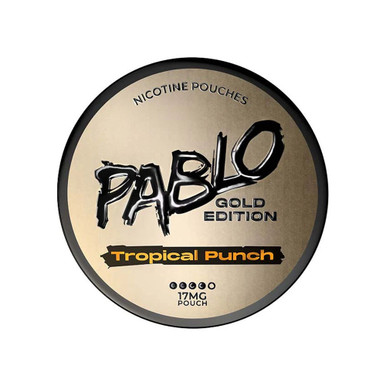
Pablo · 17mg
Read the full guide
Pablo Gold Edition Tropical Punch Nicotine Pouches
£19.95
✔ In stock — ready to ship
100% tobacco-free
Free over £20
Same-day dispatch
Secure checkout
Pablo Gold Edition Tropical Punch Nicotine Pouches are listed at £19.95 with a single declared strength of 17mg, marked in stock at the time of writing. One variant, one price, one image, one flavour tag.
That single tag is worth pausing on. The name promises a punch — which in flavour terms means a blend of several fruits rather than one — but the only flavour information our record carries is the word tropical. There is no component list, no breakdown of which fruits are in the blend and in what proportion, and nothing on the record that would let us name them. So while this page can describe how the blend behaves as a taste, it cannot tell you that it contains any particular fruit, and it is not going to guess at a list to make the description look more complete than it is. The printed can is where the manufacturer states what it wants to state.
The full guide to Pablo Gold Edition Tropical Punch Nicotine Pouches
5,123 words on how it eats, who it suits, how to serve it and what to put beside it.
Gold Edition Tropical Punch: the listing, and one word doing a lot of work
The rest of the record files cleanly. The declared 17mg puts this one in the Strong band, our largest strength shelf at a hundred and thirty-two listings. It is a Pablo can, so it sits with the other fifty-five on the Pablo brand page. And the flavour tag places it on our Tropical shelf among fifty-eight listings — a broad family that collects most of the fruit that is neither berry nor citrus.
One field is empty and it is the one people ask about most: cans per pack. We do not hold it. £19.95 buys what the listing page shows, and the count is printed on the sleeve rather than held by us. That matters for anyone doing arithmetic, and it comes up again further down.
This page does not describe what is inside a pouch or how any of it works. We do not publish that. What follows is the can as a physical object, the blend as a taste, the declared figure as a figure, and an honest account of what does and does not carry across when you move between cans on these shelves.
The can, considered as a piece of everyday hardware
The flavour is the reason people buy a particular can. The container is the reason they get on with it or quietly stop using it, and it deserves more than a sentence.
Operating it with one hand
The standard pouch can is designed to be worked one-handed and mostly succeeds. The grip band around the rim gives a thumb something to push against, and the lid releases with a small positive click rather than a vague give. In practice a can that has been opened a dozen times can be opened, a portion taken, and the lid reseated without the other hand being involved at all.
Two situations defeat it. Cold hands are one: the click needs a bit of thumb pressure and a numb thumb does not deliver it cleanly. Gloves are the other — the grip band is too shallow to work through most gloves, and the usual result is a can dropped on a pavement. Neither is a design fault so much as a limit worth knowing about if a lot of your handling happens outdoors in winter.
The first opening
A can arrives sealed and the first opening is not like the ones that follow. New cans are stiff, and the usual method — a thumb against the grip band — often is not enough on its own. A thumbnail under the rim does it. People who expect the later, easier action and apply force accordingly are the ones who end up flicking a full can across a kitchen.
After a dozen openings the lid has eased to where one hand manages it comfortably, and by the time a can is nearly empty it is looser still. That progression is normal rather than a defect, and it has one consequence worth holding on to: the nearly empty can is the one most likely to work itself open in a bag. If you are carrying the last few portions about, press the lid deliberately rather than assuming it is shut, or decant them into a fresher can, which costs nothing and removes the problem.
The seal at the rim
The join between lid and body is the only thing standing between a dry format and the open air, and it is a simple interference fit rather than a gasket. What that means in practice is that the lid is either properly seated or it is not, with very little in between, and that an unseated lid is not always obvious to look at.
The tell is resistance. A can that opens more easily than you expect has usually not been fully closed since the last time, and everything in it has been exposed to air for however long that was. The fix costs nothing: press until it clicks, and check by feel rather than by eye. This is the single most common reason a can is disappointing at the end of its life compared with the beginning.
The catch compartment, and its real capacity
The lid is a chamber in its own right, with a shallow floor moulded inside it, and spent portions go there rather than in a pocket or a hand. It is a genuinely good idea and it is smaller than people assume. Three used portions sit in it without complaint. Four fit. At five the lid will not seat flush, and an unseated lid means the whole can is open — so overloading the compartment does more harm than carrying a used portion to a bin would have done.
There is also the straightforward matter that the compartment sits directly above the fresh portions. On a sweet blend, a loaded lid makes itself known every time the can is opened. Emptying it whenever you pass a bin keeps the can pleasant and takes no time at all.
Stacking, storing and sharing space
The flat top and bottom mean cans stack, which is more useful than it sounds. Two or three in a drawer form a column instead of rolling about; in a bag they nest against each other rather than migrating to the bottom corner. A can is also about the diameter of a mug base, which is a reasonable way to picture the space several of them take in a cupboard.
What a can does not survive gracefully is being loose in a bag with keys. The body is rigid and the lid is the weak point, and a key working at the rim will lift it over time. A can in a pocket of its own is in better condition after a month than one that has been in the main compartment with everything else.
Pockets, specifically
A jacket pocket takes it and you forget about it. A coat pocket the same. A front trouser pocket works and prints a visible disc, which some people mind. A back pocket works but is the position most likely to nudge the lid proud when you sit down, which is the seal problem above arriving by a different route. A shirt pocket is a poor idea — the can is heavy for its size and tips out when you lean. A watch pocket will not take it.
The portion count, which is not ours to publish
How many portions a can holds is the obvious next question and our record does not carry the figure. We hold the price, the declared strength, the flavour tag and the stock position, and we will state those exactly. A portion count we do not hold, and we are not going to estimate one, because an estimate on a shop page becomes a number somebody plans around. The manufacturer prints it on the can. It is also not a number to borrow from another brand: counts vary between makers, and within a maker between standard and mini formats of the same range.
What a fruit punch tastes like in this format
A blend is a different proposition from a single fruit. A single-fruit can succeeds or fails on whether it is recognisably that fruit. A blend has no such test, because nobody has a fixed reference for what a punch tastes like — which gives the maker more room and gives a description less to hold on to.
Opening it
The aroma is sweet, bright and fruit-led, with no single fruit standing out clearly enough to name. There is a tropical character to it in the loose sense the word gets used on flavour shelves — sunny, sweet, a bit of tang — rather than anything that resolves into a specific fruit. If you handed the open can to somebody and asked them to identify the flavour, "fruit punch" is the answer you would get, which is exactly what the name claims and about as far as honesty allows me to take it.
The opening stretch
Sweetness leads and arrives fast. Behind it there is a tang that reads as tropical rather than as citrus — softer than lemon, sharper than a berry. The blend holds together rather than separating into parts, which is the mark of a well-made punch and also the reason it resists description. There is no point in this can where one fruit steps forward and announces itself.
The middle
Through the middle the tang recedes and the sweetness broadens. This is where a blend tends to simplify — the busier top end thins out and what remains is a generic sweet fruit character. It is pleasant and it is less interesting than the first minute, which is true of most blends in this format and not a criticism of this one specifically.
No cooling
There is no mint element and no frosted edge here, and nothing on the record indicates one. That is a real distinction on the tropical shelf, where a great many cans lay a cold element over the fruit. This is the warm reading. If it is the cold version of a fruit blend you are after, that is a different listing and the sibling section names a couple.
The finish
The tail is a plain sweetness that fades over several minutes, leaving very little behind. Breath afterwards is faintly sugary and short-lived. An open can left uncovered will scent a drawer within a day, which is another small argument for the seal.
Seventeen milligrams, as a printed number
The figure on this listing is 17mg, and it is the manufacturer's declared strength reproduced exactly as given. We print it because you asked for it and we file the can by it. That is the whole of its job here.
It is not a score, a grade or a measure of quality, and a can with a higher printed number is not a better can. It is also not a number that carries between brands: manufacturers state strength on different bases, some per portion and some per gram of contents, so two cans showing the same figure may not represent the same quantity at all. That is why every comparison in this description is made on flavour, price and availability rather than on numbers.
Our shelves sort into Medium Strength, Strong and Extra Strong so that browsing within a region is possible. They are a filing system, not a ladder. And we cannot advise which figure suits anyone — we hold nothing that would make such an answer more than invention, and a shop page is the wrong place to attempt it. Anyone weighing that question in relation to their own circumstances should put it to a healthcare professional.
Moving between cans: what changes, and what does not
Most people who use this format regularly do not stay on one can indefinitely, and the move from one to another produces a predictable set of surprises. This section is about which of those surprises are real differences and which are assumptions that did not carry across.
What genuinely does not change
The format itself is remarkably consistent across the brands we stock. The two-chamber can, the push-fit lid, the catch compartment, the way a portion sits, the disposal routine — all of that works the same way whether you are holding a can from this brand or from any of the dozen others on these shelves. Somebody moving between houses has nothing to relearn physically.
Shelf logic does not change either. A can tagged tropical will read as tropical, a can filed under Strong sits in the same band as every other can filed under Strong, and the site's navigation behaves identically whichever brand you are browsing.
What changes more than people expect: sweetness
House sweetness level is the biggest single difference between makers and the one that catches people out when they switch. Some houses pitch everything high and sweet; others run drier across their whole range. Because it applies to the whole range rather than to individual flavours, somebody who likes one brand's fruit cans usually likes most of them — and finds the same fruit from another house unrecognisable. If a switch has ever disappointed you for reasons you could not name, this is usually it.
What changes and should not be assumed: the number
The declared figure is the assumption that travels worst. A number you are used to seeing on one maker's cans does not mean the same thing on another's, for the stated-basis reason above. Treating it as a constant across brands is the most common mistake made on these shelves, and it is worth resisting even when two cans sit on the same band shelf.
What changes quietly: price per can
Prices on these shelves span from a few pounds to around forty, and most of that spread is pack configuration rather than the cans themselves. This listing is a case in point: at £19.95 with no pack count on our record, it cannot honestly be compared per-can against anything. Velo Tropical Mango at £4.19, in stock, and Cuba Ninja Coconut at £39.90, also in stock, are nearly a tenfold price difference — and that gap tells you almost nothing until you know what each price actually buys. Read the count on the can and the comparison becomes real.
What changes between formats inside one brand
Moving between cans is not only a move between houses. Most makers run more than one format — a standard size and a smaller one, sometimes a slimmer shape — and those differ from each other in ways worth knowing before you assume a can is simply a smaller version of another.
A smaller format usually means a physically smaller portion, which changes how it sits and often how long it stays interesting. It frequently means a different portion count per can, which breaks any arithmetic carried over from the standard size. And it may carry a different declared figure, which is stated separately on that listing rather than inherited from the range. None of that is stated on this page for this can, because this listing carries one variant and no format options at all — but it is the first thing to check if you find yourself comparing two cans from one maker that look similar and are priced differently.
What changes least of all: your own habits
The last thing worth saying is that the routine around a can — where it lives, how often the lid gets emptied, whether it ends up on a dashboard — travels with the person rather than with the product, and it accounts for more of the difference between a good can and a poor one than most people credit. A carefully kept can of an ordinary flavour beats a neglected can of a favourite.
Where this sits in the Pablo range
Pablo runs to fifty-six listings here across lines called Exclusive, Gold Edition and Silver Edition. Those are the manufacturer's own range names and they are not a hierarchy. Gold does not sit above Silver on these shelves, Exclusive is not a premium version of either, and nothing we hold would let us rank them in any direction. They are family labels.
What genuinely differs is factual and short. Exclusive listings are recorded at £3.85 with a declared 50mg, which files them under Extra Strong. Gold Edition listings, this one included, are recorded at £19.95 with 17mg, under Strong. Silver Edition listings are recorded at £39.90 with 10mg, under Medium Strength, and at least one is a ten-can pack — which is why its price is not the surprise it first looks.
Inside Gold Edition, the nearest sibling on our record is Gold Edition Blueberry Peach Ice: same line, same £19.95, in stock, and structurally the opposite of this can — a berry-and-stone-fruit pairing with a cold element where this is a warm fruit blend. If you want the same line and price with a different construction, that is the one to look at. It also shares this listing's empty pack-count field, so the same caveat about arithmetic applies to it.
What people keep alongside a punch can
A sweet blend is the kind of can that benefits most from having something else in rotation, because blends tire faster than plain flavours do. These are the neighbours on our shelves, grouped by what they would actually give you.
If you want a single fruit instead of a blend
Elf Bar Pineapple at £29.90 is in stock and is the sharpest single fruit in this group — considerably more acidity than a rounded punch. Fumi Fiery Peach at £27.90, also available, goes the other way: soft, sweet, low on tang. Between them they mark out the two edges this blend sits between, which makes them more informative than another blend would be.
If you want a different blend
SYX Tropical at £29.90 is the obvious comparison, in stock, and another maker's reading of the same broad idea. Iceberg Apple Lemon Pineapple at £39.90 names its three fruits where this can does not, which makes it the more informative listing of the two — but it is out of stock at present, so it is worth a look rather than a place in a basket today.
If you want the cold version of this idea
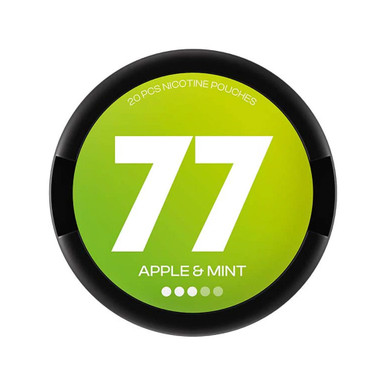
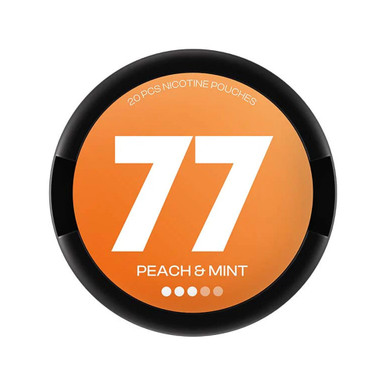
77 Apple Mint at £39.90 is in stock and lays a cooling element behind a green fruit, which is the structural thing this can does not do. It is not the same flavour and is not meant to be; it is the same fruit-with-cold-edge construction that a lot of the tropical shelf uses.
If you want a complete change
Clew Blueberry at £39.90 is a plain dark fruit with no tropical character at all and is available — the kind of can people keep as the other half of a two-can rotation. Killa Apple at £33.50 is in stock and worth one note: the title we hold is just brand and fruit, but the page address carries the words "extra strong", which suggests the maker files it above this band. We do not hold its declared figure, so its own listing is the place to check rather than this paragraph. More of the Cuba range sits on the Cuba brand page if the coconut can appealed.
If you would rather stay with this brand
The Exclusive line offers the widest flavour spread at one price, all recorded at £3.85 and all in stock: Pablo Exclusive Bubblegum at the confectionery end, Pablo Exclusive Banana Ice for soft fruit with a cold finish, Blue Raspberry from the same line for something sharper, the three-fruit Blueberry Cranberry Cherry can for the busiest berry blend Pablo runs here, the Exclusive-line Blueberry Peach Ice for a stone-fruit variation, and Blue Mint for the one with no fruit in it. All six carry the Exclusive line's 50mg declared figure rather than this can's 17mg — a difference in the printed number, stated as information and not as a suggestion either way.
Or just browse
The fifty-eight cans on the tropical shelf are the natural place to start, the Strong band gives the same-shelf view across every flavour family, and the full catalogue sits behind one set of filters.
Keeping a can in the state you bought it in
Heat
Heat is the main thing that spoils a dry pouch, and the damage does not undo itself when the can cools. Dashboards, gloveboxes, sunny windowsills and radiators are the usual offenders. Cool, dry, out of direct sun — a drawer or a cupboard does it.
The seal, again
It is worth repeating because it is the commonest fault: a lid resting rather than clicked will flatten a can overnight. Press until it seats. A can that has been sat on wants checking for the same reason.
Cold and the fridge
Refrigeration does nothing useful for a dry format, and a cold can taken into a warm room collects condensation inside it — the one kind of moisture worth avoiding. Room temperature out of the sun is better in every respect.
Dates
We do not hold a best-before date for this listing and will not print one we have not got. The manufacturer marks a date on the packaging, and that is the figure to work to. For a can in regular use it rarely matters; for cans bought ahead and stored it is the number that does.
The lid compartment
Empty it routinely. It is the difference between a can that is pleasant to open and one that is not, and on a sweet blend it is more noticeable than on a plain flavour.
How to read a listing on this site
Since several sections above turn on what our records hold, it is worth setting out plainly what a listing here consists of and what it does not.
The fields we publish
Every listing carries a name as the manufacturer gives it, a brand, a price in pounds, the declared strength as printed by the maker, one or more flavour tags drawn from our own small set of families, a stock flag, and at least one image. Where a product comes in more than one strength or pack size, each of those appears as a variant with its own price. This listing has exactly one variant, which is why the choice section further down is so short.
The fields that are sometimes empty
Two fields are frequently blank and both are blank here. Cans per pack is one, which is why £19.95 cannot be resolved into a per-can figure anywhere on this page. Portions per can is the other, and it is not a field we populate at all. When those are empty we say so rather than filling the space with an estimate, because a number on a shop page is read as a fact regardless of how carefully it is hedged.
What is never on a listing here
Composition and technical detail are not published on this site for any product. Neither are ratings, reviews or any other form of customer feedback, so there is nothing of that kind to read on this page or on the ones linked from it. Nor do we publish best-before dates, because those belong to a batch rather than to a listing and the packaging carries them accurately.
Which parts of a listing move
Price and stock are live and can change after a description like this one is written. The declared strength, the name and the flavour tag are stable in normal circumstances, though a manufacturer can revise packaging or reformulate without consulting a shop. Where this page states a price or an availability, treat it as correct at the time of writing and treat the listing page as correct now.
What there is to decide on this listing
Not much, and it would be dishonest to dress it up. There is one variant — 17mg at £19.95 — with no second strength, no alternative pack size and no multi-can option on the record. The only decision is whether you want this can.
If a different declared figure is what you want, it lives on a different listing and the bands are how to find it. If a different pack size is what you want, we cannot help you compare, because this listing does not tell us its own. And if what you want is to know which fruits are in the blend, that is on the can rather than on this page.
Ordering, delivery and the age check
Add it from the listing page, which carries the live price and the live stock position — the things most likely to have moved between this description being written and being read.
Age verification runs at checkout, it is not a formality, and orders that fail it do not ship. Identification may also be requested at the door, so somebody aged 18 or over needs to be present to take the parcel in; with nobody there to show ID, the delivery does not complete. This applies to every nicotine product on this site.
Availability moves both ways. The one listing flagged unavailable above may return, and cans in stock today may not be next month. Each listing page holds its own live answer.
Finding this page again
By brand, it sits on Pablo's fifty-six listings. By declared figure, on the Strong shelf. By flavour, on the tropical shelf, alongside its Gold Edition stablemates and a good deal else. The search box beats all three if you already know the name.
Questions we are asked about this one
Which fruits are in the blend?
We do not hold that information. The only flavour data on our record for this listing is the single word "tropical", with no component breakdown behind it. The manufacturer states what it chooses to state on the packaging, and that is the source. We are not going to reverse-engineer a list of fruits from a taste, because a plausible guess printed on a shop page reads as fact.
How many cans does £19.95 get me?
Not something we hold — the pack-size field is empty on this listing. £19.95 buys what the listing page shows, and the count is printed on the sleeve. We will not estimate it, because an estimate stops being an estimate the moment somebody budgets against it.
Is it sweeter than a single-fruit can?
Generally, yes, in the sense that blends in this format tend to lead with sweetness and let the individual fruit character sit behind it. This one leads sweet with a tropical tang behind it. If you want something with more edge, a single sharp fruit like the Elf Bar pineapple can is the direction; if you want less edge, the Fumi peach is.
Is there any cooling element?
No. No mint, no frosted edge, nothing cold, and nothing on the record indicating any. This is the warm reading of a fruit blend, which on the tropical shelf makes it a minority rather than the norm.
How is it different from the kiwi can in the same line?
Both are Gold Edition, both are recorded at £19.95 with a declared 17mg, and both carry the same single tropical tag. The difference is construction: the kiwi one is a single green fruit, light and mildly tart, while this is a sweet multi-fruit blend with no single fruit stepping forward. Same line, same figures, genuinely different flavours.
Does the Gold Edition name mean it is the better Pablo line?
No. Exclusive, Gold Edition and Silver Edition are the manufacturer's own range names rather than grades, and we hold nothing that would let us rank them. The differences that are real are the declared figure, the price and the pack configuration.
What does 17mg refer to?
It is the manufacturer's declared strength, printed as given, and it is what files this can under Strong. It is not a rating and it is not straightforwardly comparable across brands, because makers state the figure on different bases. We publish it and stop there on purpose.
How many portions are in a can?
We do not hold that figure. Counts differ between makers and between formats within one maker, so a number carried over from another brand is unreliable. It is printed on the can.
How long do people keep a portion in?
It varies and there is no correct answer. The flavour is most defined early and thins steadily, so a blend like this one is at its most interesting in the first stretch and fairly plain later. Anything beyond that is a matter of personal preference and not something a shop can usefully direct.
Can I put used portions back in the can?
In the lid compartment, yes — that is what it is for. Three fit comfortably and four is the ceiling; past that the lid will not seat and the can is effectively open. It is for carrying spent portions to a bin rather than storing them.
Am I allowed to use it at work or take it abroad?
We cannot tell you. Employers set their own policies, transport operators and venues publish their own conditions, and some countries restrict these products entirely regardless of their being legally sold here. Ask your employer about the workplace, and check the destination's own rules before travelling.
Is everything linked from this page available?
No. The Iceberg apple, lemon and pineapple listing was flagged out of stock when this was written; everything else linked here was in stock at that moment. Stock moves in both directions and each listing page carries its own current position.
Are there reviews or ratings for it?
We do not collect or publish them for this product, so there is nothing to show and nothing to summarise. The record is what you get: name, brand, price, declared strength, flavour tag, stock and one image.
The compliance wording in full
This product contains nicotine. Nicotine is an addictive substance.
It is for sale to over-18s only, and only to adults who already use nicotine products. Age verification forms part of the checkout, and identification may be requested by the courier on delivery, which means an adult must be in to receive the parcel.
This product is not licensed as a stop-smoking medicine and is not intended for non-smokers, for anyone who does not already use nicotine, for under-18s, or for anyone pregnant or breastfeeding. Nothing on this page is a health, medical or therapeutic claim of any sort, nothing here encourages anybody to take up nicotine, and nothing here is advice on which strength to use. Questions touching your own circumstances belong with a healthcare professional rather than with a shop.
In summary
Gold Edition Tropical Punch is a single-variant listing at £19.95 with a declared 17mg, in stock at the time of writing, filed under Strong and tagged tropical with no breakdown of the blend behind it. We hold no pack count and no portion count, and neither has been guessed at above.
The flavour is a sweet, tangy multi-fruit blend with no single fruit stepping forward and no cooling element at all, and the can is the usual well-judged two-chamber design whose only real weakness is a lid that has to be properly closed. It belongs to one of three Pablo lines, which are families rather than ranks. If that reads right, the listing page has the live position; if you would rather compare first, the tropical shelf holds this one and fifty-seven others.
More from Pablo
More strong pouches

More tropical pouches
Where this sits
Pablo Gold Edition Tropical Punch Nicotine Pouches appears in these categories. Browse them, or jump to something close.
You might also like