Home / Extra Strong / Maggie Original Jamaican Fruit Punch Nicotine Pouches
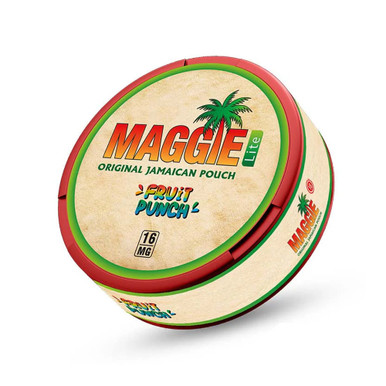
Maggie · 16mg–60mg · 10-can pack
Read the full guide
Maggie Original Jamaican Fruit Punch Nicotine Pouches
£39.90
✔ In stock — ready to ship
100% tobacco-free
Free over £20
Same-day dispatch
Secure checkout
Maggie Original Jamaican Fruit Punch Nicotine Pouches is a Maggie listing at £39.90, sold as a pack of ten cans. Our record holds two declared strengths against it, 16mg and 60mg, and both variants carry that same £39.90 price. The listing is marked in stock at the time of writing and we hold one product image for it. The flavour field on our record is empty — there are no flavour tags against this product at all, which is unusual and which we deal with properly a couple of sections down.
One point of fact first, because the name makes it necessary. This is a nicotine pouch product. It is not a drink, it is not related to one, and nothing about it is consumed the way a drink is consumed. The words in the product name that sound like a drink are a borrowed flavour reference and nothing more than that. It is the single most misread thing about this listing and about the brand generally, so it gets its own section immediately below rather than a footnote.
The full guide to Maggie Original Jamaican Fruit Punch Nicotine Pouches
5,100 words on how it eats, who it suits, how to serve it and what to put beside it.
Maggie Original Jamaican Fruit Punch: what the record says
Everything else on this page falls into one of three categories: a description of the object and the format, a comparison against other listings whose brands, prices and stock status we can quote, or a plain statement that our record does not hold something. We do not publish ingredients, we do not explain what happens once a pouch is in place, and we make no statement about anybody's wellbeing in either direction. Where a fair question has an answer we would have to invent, we write that we do not hold it.
This is an adult nicotine product, listed on the basis that anyone buying it is aged 18 or over and already uses nicotine. The full wording sits in its own section further down.
A drink name on a pouch listing
"Fruit punch" is a flavour name borrowed from a drink. That borrowing is common across this whole category, for the simple reason that naming a familiar drink is a faster way to signal a taste than describing it from first principles. The mechanism is that and no more. The name gestures at a flavour. It does not describe the product, and it does not describe the contents of the can.
What the reference points at, taken purely as taste, is a mixture rather than a single fruit: several sweet fruits together, blended so that no one of them stands out clearly, generally landing somewhere between tropical and berry. That is what the words fruit punch communicate to most people who read them, and it is why a manufacturer would choose the name over listing three fruits individually.
We should be careful here, though, and we are going to be. That description comes from the name alone. Our record holds no flavour tags for this listing, so we cannot confirm which fruits are involved, whether it leans tropical or berry, or whether it is sweet-forward or sharp-forward. We are telling you what the phrase usually means, clearly labelled as that, rather than telling you what this particular can tastes of. The packaging is the place that will describe it properly.
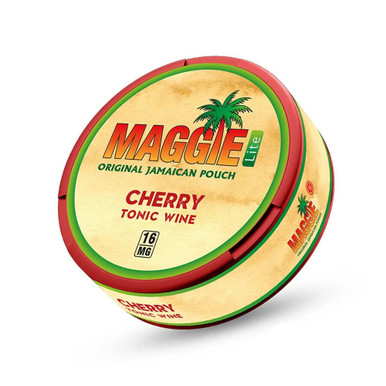
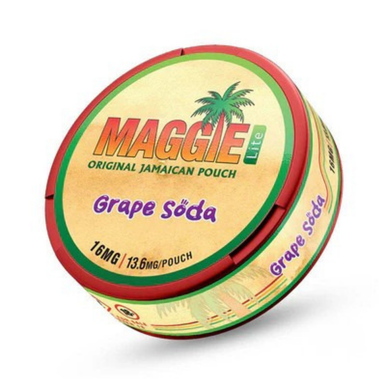
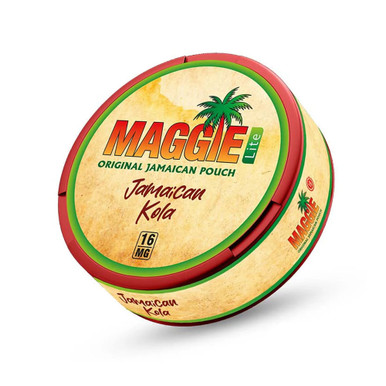
The naming style runs across the brand. The Grape Soda can, the Kola can and the Cherry Tonic Wine can all borrow from drinks in exactly the same way, all at £39.90, and every one of them is a nicotine pouch listing. Once the pattern is clear the range reads straightforwardly. Read every one of those names as a flavour reference and nothing else.
The flavour tags we do not have
Most listings on this site carry at least one flavour tag. This one carries none. The flavour field on our record is an empty list, and that is not an oversight in this description — it is what our data actually holds, and it has consequences worth spelling out.
The first consequence is on the shelves. Flavour groupings are built from tags, so a listing with no tags cannot appear in any of them. This product is filed on two shelves rather than the usual three: the extra strong band, by declared figure, and the Maggie brand page, by brand. There is no flavour shelf holding it, and if you browse the site by taste you will not come across this listing that way at all. That is a genuine gap in how it is filed and you are better off knowing about it than discovering it.
The second consequence is on this page. On a listing with tags, we can say with confidence that a product sits in the cherry family or the mint family, because the tag says so. Here we cannot. We have a product name that sounds like a mixed fruit flavour and no data behind it. So everything we say about the taste of this can is derived from the name, is labelled as such every time, and stops well short of a tasting note.
The third consequence is on comparisons. When we list neighbours further down, they are not flavour-matched neighbours, because there is no tag to match against. They are cans that sit near this one on brand, price and strength band. That is a weaker kind of similarity and we would rather say so than dress up a list of unrelated products as a curated set of alternatives.
We could close all three gaps by assigning a tag ourselves based on the product name. We are not going to. A tag we invented would propagate into the flavour shelves, and a listing appearing in a grouping on the strength of our guesswork is worse for you than a listing that appears in none.
The strength ladder, and what a milligram figure does not tell you
This listing carries two declared strengths, 16mg and 60mg, and both variants are priced identically at £39.90. Those two numbers are what the manufacturer declares and prints on the two versions of the can, and they are the whole of the strength information our record holds.
Because the word ladder gets used about these figures, it is worth taking apart. There is no ladder. There is a set of numbers printed on labels, and a set of filing categories we build from them so that a catalogue of this size can be narrowed down. Nobody climbs it, nothing is at the top of it, and no rung represents an achievement or a stage. If this page leaves you with one idea, let it be that one.
What the figure is: a declared number from the manufacturer, printed on the can, used by us to decide which strength shelf a listing appears on. What the figure is not: a quality score, a rating, a measure of how anything will feel, or a comparable unit across brands. Two cans from two brands carrying the same declared number are not interchangeable, because pouch size, moisture, flavour and format all differ and the figure describes none of them.
We cannot advise which strength suits you. That is not a stylistic choice or a way of avoiding a question. Recommending a nicotine strength to a particular person is advice nobody writing a product page is in a position to give responsibly, and we will not give it — not for the 16mg variant, not for the 60mg variant, and not as a comparison between the two.
Three things follow that are worth stating flatly, because the presence of a 60mg figure on the page invites assumptions. A higher declared number does not make a can better. It is a different label figure on another version of the same product. The higher figure is not a target. There is nothing to work toward here and no version of this listing that represents progress over another. And the two variants are not a beginner version and an experienced version. They are two label figures, filed on one page, at one price.
On the filing itself: this listing appears on our extra strong shelf, which holds 98 listings. A page carrying variants at both 16mg and 60mg is filed by the range it spans, so the placement reflects the upper figure rather than describing both versions. That is a filing convention. The band below it, the strong band, and the one below that, the medium band, work the same way and exist for the same purpose: narrowing a large catalogue, not ranking it.
One last honest note on the numbers. The distance between 16 and 60 on a single listing is wide, wider than most pages on this site show, and it means the two variants sitting behind the same product name differ considerably on the label. If you buy from this page, read the figure on the variant you are selecting rather than assuming the page has one strength. That is a practical warning about not ordering the wrong thing, and nothing more than that.
A pouch under the lip
The format is shared across this whole shelf, so most of what follows is true of any can of this pattern. It remains the part of the product that generates the most questions, so it gets proper room here.
A pouch out of one of these tins is a small soft rectangle with rounded corners. It is dry to the touch rather than damp, soft enough to compress between two fingers without any sense that it might tear, and light enough that you can lose track of one in a closed hand. Our record does not hold the portion count — the number of pouches in each tin is printed on the can and absent from our data, and we will not estimate it, because with a ten-can pack you would immediately use our estimate to work out what the £39.90 is buying and a guess cannot carry that weight.
In use, the pouch goes under the upper lip, generally toward one side rather than centred, and stays where it is put. The common first impression is that a fresh one feels bulkier than it looked sitting in the ring, and that the sense of bulk stops registering within a minute or two as it settles into the shape of the space. After that it needs no attention at all. Most people find it is only visible if they deliberately push the lip out in front of a mirror.
How long one stays in has no single honest answer and we are not going to manufacture one. The range people report runs from under ten minutes to the better part of an hour; it varies between people, and it varies for one person across a single day for reasons they could not articulate if asked. We will not print a recommended duration, because a duration recommendation is a consumption recommendation and that is outside what belongs on this page. Descriptively: most people swap once the flavour has thinned out, on the plain logic that a pouch with nothing left in it is not doing anything.
Two smaller format notes. A pouch shifts if you deliberately move your lip and stays put if you do not, which is why some people eat and drink with one in and others do not — a preference rather than a rule, and we are not going to dress it up as one. And the first pouch from a fresh tin often reads a little differently from the last one out of a tin that has been open a fortnight, which is a question of air and moisture and the main practical reason to keep the lid properly shut.
Taking one out is a matter of hooking it with a fingertip. The used pouch goes into the shallow well in the underside of the lid — the catch compartment — and the lid presses back down. The well holds several before it needs emptying, which is what makes this format workable on a train, in a passenger seat, or in a room with no bin. Empty it into general waste reasonably often. Used pouches do not go down a sink, a drain or a toilet, and a compartment left full for a week is unpleasant to open.
Ten cans to a pack
Unlike some listings in this brand, this one does state a pack size: ten cans for £39.90, which works out at £3.99 a can. That per-can figure is the only number worth using when you compare this page against anything else on the site, because our catalogue mixes per-can and multi-can pricing and the headline numbers give no indication of which is which.
The comparison set on this page makes the point on its own. Pablo Exclusive Banana Ice is listed at £3.85 and Siberia Mini at £39.50. Those two numbers are an order of magnitude apart and they are not describing the same quantity of anything until you have read what each listing contains. Read the pack size on every card, then divide, every time.
A ten-can pack also changes the size of the decision. Ten cans of an unfamiliar flavour is a commitment, and it is a larger one here than on most listings because we hold no flavour tags to tell you what you are committing to. There is no way to sample a pouch flavour without opening a tin — a limitation built into the product rather than into any returns policy. If you have not had this flavour before, the honest position is that this page cannot tell you what it tastes of, and buying ten cans on the strength of a name is a bet rather than a decision.
The neighbours this listing has, and the ones it does not
With no flavour tags, the neighbours our record throws up for this page are not flavour matches. They are cans sitting nearby on brand, price and shelf. That is worth stating before the list rather than after it, because a list of alternatives implies a similarity that is not there.
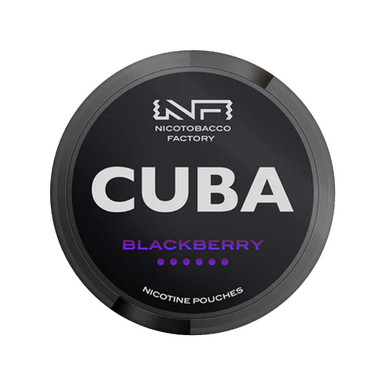
The largest group is from one brand. Cuba Black Apple Juice, Cuba Black Banana Hit, Cuba Black Blueberry, Cuba Black Cherry and Cuba Black Cola are all listed at £39.90, matching this page exactly on headline price, and all five are marked in stock. Between them they cover apple, banana, blueberry, cherry and cola, which is a spread of single-fruit and drink-referenced flavours rather than anything mixed. If a mixed fruit flavour is specifically what you are after, none of those is it — they are individually flavoured cans at the same price point.
Outside that group, the Pablo banana can at £3.85 is the cheapest listing named on this page by a wide margin, and the Siberia mini-format can at £39.50 is here on price and format rather than on flavour at all. One more, Iceberg Arasaka at £39.90, would round out the set at the same price, except that our record marks it out of stock, so it is not an option today. That is the only unavailable listing in this comparison; everything else named above is marked in stock at the time of writing.
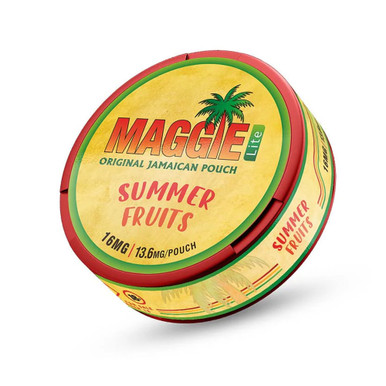
What is genuinely missing from this neighbourhood is anything else in the mixed-fruit direction. Our record does not surface a comparable punch-style listing, and we are not going to nominate one from memory of the catalogue. If mixed fruit is the thing you want, the nearest honest suggestion we can make from the facts we hold is the brand's own Summer Fruits can at £39.90, whose name at least points at several fruits together rather than one.
The standing limitation applies to all of the above. We are comparing brands, names, prices and stock status, because those are the facts our record holds. We are not telling you how any two of these taste against each other, because that would mean asserting something we cannot support. Where a name points in a direction we say the name points there, and we stop.
Six siblings at one price
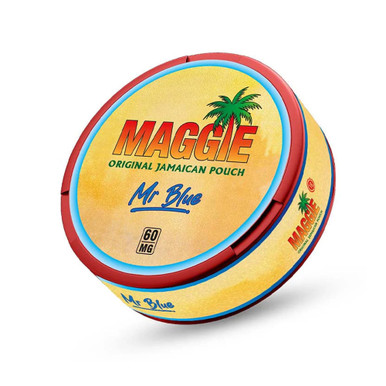
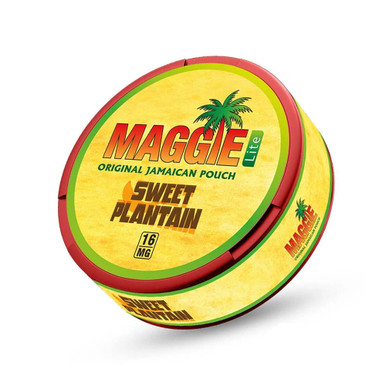
The Maggie brand page holds seven listings, and our record names six as siblings to this one: Cherry Tonic Wine, Grape Soda, Kola, Mr Blue, Summer Fruits and Sweet Plantain. Every one is listed at £39.90, the same as this page, and our record marks all six as in stock.
Flat pricing across an entire range is unusual on our shelves and worth noting for the practical reason that it removes a variable. Swapping between Maggie flavours changes the flavour and nothing else: the total does not move, and there is no cheaper corner of the brand to go looking for. If you buy from this brand regularly, every order is the same shape as the last one.
Where flavour data is concerned, the brand is thinly tagged generally and this listing is the extreme case with no tags at all. Some siblings carry a single tag — cherry on one, grape on another — and the rest carry names that suggest a flavour without our data confirming one. Sweet Plantain and Summer Fruits name fruits directly; Cherry Tonic Wine, Grape Soda and Kola borrow from drinks; Mr Blue names nothing identifiable and we hold nothing that would let us say what it tastes of. We would rather list that unevenness plainly than paper over it.
If you want to see the range properly, the seven Maggie listings are all on one page, and each product page states exactly what our record holds for that listing — including, where it applies, that it holds nothing.
A second can in the drawer
People who buy ten cans at a time usually keep something else alongside them. The reason is mundane: a flavour you have had continuously for a fortnight stops registering as a flavour, and a mixed sweet fruit is the kind of taste that tires faster than a plain one.
The useful pairing is something with no overlap. The brand's Sweet Plantain listing at £39.90 is about as far from a mixed sweet fruit as the range goes, and the Cuba cola can at the same price goes in an entirely different direction again. If you want a cheap second option rather than a full-price one, the Pablo banana listing at £3.85 is the smallest outlay named anywhere on this page.
Two practical notes on running more than one. Keep them visibly apart, because cans in this format are near-identical from above and the lid print is all that distinguishes them — picking up the wrong tin is the most common annoyance people report, and it has nothing to do with taste. And if you keep both the 16mg and 60mg versions of this listing in the house, that warning applies with more force, since those two cans will resemble each other more closely than two different flavours do. The printed figure on the lid is the only thing telling them apart. Read it each time rather than reaching by memory.
Keeping cans in good condition
Storage here asks very little of you. Keep the lid properly shut between pouches: it is the only barrier between the contents and the air, and a can left open on a worktop overnight will not be in the same state in the morning. Pouches in these tins are drier than they look, and drying further is the usual way a half-used can deteriorates.
Keep cans out of direct sunlight and away from heat. A dashboard in summer, a windowsill and a shelf above a radiator are one mistake in three settings. A drawer, a cupboard or a bedside table is fine. Nothing here needs refrigeration and we will not suggest it, because our record says nothing about storage temperature and a confident invention is precisely what this page is written to avoid. The manufacturer's labelling is the authority on storage as on everything else printed on the can.
A ten-can pack adds one consideration that a single tin does not: nine of those cans will sit sealed for a while. Leave them sealed, keep them somewhere cool and dark, and do not stack anything heavy on the pack. Any date marking is on the packaging rather than in our system, so read the can rather than asking us to confirm one. And the whole pack, opened or not, belongs out of reach of children and pets — a condition of keeping it in the house rather than a tidiness tip.
Picking between the two variants
There is one decision on this page and it is between the 16mg variant and the 60mg variant. Price does not help you make it, because both are £39.90. Flavour does not help either, because our record holds no tags and both variants sit behind the same name. Pack size does not help, because both are the same ten-can pack.
Which leaves the declared figure as the only difference we can point to, and as set out above, we cannot tell you which one suits you. That is the one question on this page where a shop supplying an answer would be doing something it should not do. Neither variant is the standard one and neither is the special one. The 60mg version is not an upgrade, not a next step and not what the 16mg version leads to.
If you already know which figure you buy, this listing has both and the selection is made on the page. If you do not know, this page is not the thing that will tell you, and we would rather be plain about that than offer a helpful-sounding steer that we have no business giving.
Ordering, the age check, and the doorstep
The listing is marked in stock, so ordering works normally. Both variants sit on this page at £39.90 and the strength is selected here rather than on separate listings, which is worth knowing so you check the selection before you pay.
Every nicotine listing on the site is sold only to adults aged 18 or over who already use nicotine. There is an age check at checkout and ID may be requested on delivery. Where it is requested and no adult at the address can produce it, the parcel goes back rather than being left. This applies to every order regardless of history, and there is no account status that skips it.
Delivery costs, carriers and timings live on the delivery information pages, which is where they are kept current — a delivery paragraph written into a product description goes stale quietly and misleads people for months. Returns follow the standard policy, with the unavoidable caveat that an opened can cannot be resold, which matters more than usual on a ten-can pack of an untagged flavour.
For questions about a specific order rather than about the product, use the site's contact route. We cannot answer order questions from a product page.
Getting back to this page
Two shelves hold this listing, which is one fewer than most. The extra strong grouping holds it on the declared figures among 98 listings, and the Maggie brand page holds it by brand among seven. There is no flavour shelf holding it, for the reason set out earlier, so browsing by taste will not bring you here.
Above those sit the wider hubs. Everything we stock is the whole catalogue in one view and takes filters for strength, brand and flavour together, which is usually the fastest route to anything. The Cuba range is worth knowing directly, since five of the neighbours named on this page come from it, and the Pablo range is the other deep lineup that turns up in the comparisons, holding the cheapest listing named here.
The remaining strength shelves, the strong band and the medium band, complete the filing. Between the three bands the whole catalogue is covered, and each is a filing category built from declared numbers rather than a ranking of anything.
Questions we are actually asked
Is this a drink, or anything to do with one?
No. It is a nicotine pouch listing sold in tins. The words fruit punch in the name are a borrowed flavour reference, in exactly the way that Grape Soda, Kola and Cherry Tonic Wine in the same range borrow from drinks. Nothing about this product is consumed the way a drink is consumed, and the name says nothing about what is in the can. If the name is what brought you here, read the format section above before ordering.
What does it taste of?
We do not hold that information. The flavour field on our record for this listing is empty — no tags at all — so we cannot tell you which fruits are involved or which direction it leans. The phrase fruit punch usually signals several sweet fruits blended together, and that is what the name communicates, but we are describing a phrase rather than a can. The packaging is where an actual description lives.
Why does this listing not appear on any flavour shelf?
Because flavour shelves are built from tags, and this listing has none. It appears on the extra strong band and the brand page only. We could add a tag by guessing from the product name, but a guessed tag would then place the listing in a grouping on the strength of our invention, which is worse for you than an honest absence.
Why are two strengths on one page?
Because the listing has two variants, 16mg and 60mg, both at £39.90. Those are the figures declared and printed on the two versions of the can, and we show both because both exist. The page is filed under the extra strong band on the basis of the range it spans, which is a filing convention rather than a description of each variant individually.
Which of the two should I buy?
We cannot say, and we are not going to try. Recommending a nicotine strength to an individual is not something a shop can responsibly do. Both variants are the same price, so nothing about cost steers the decision either. A higher declared number is not better, is not an upgrade and is not a goal. If you do not already know which figure you buy, this page cannot supply the answer.
How many cans and how many pouches?
Ten cans, at £39.90 for the pack — that one we do hold. The pouch count per can we do not hold; it is printed on the tin and the packaging is the authority for it. We will not estimate, because on a ten-can pack an estimate would be doing real work in your head about what you are paying for. Pouch weight and tin dimensions are the same: on the packaging, not in our data.
Is £39.90 good value?
That is a judgement rather than a fact, so we will give you the arithmetic instead and leave the judgement to you. Ten cans at £39.90 is £3.99 a can. Comparable pack maths on other listings depends entirely on their pack sizes, which vary across the catalogue and are printed on each listing. Sorting by headline price alone will mislead you, every time.
Are the neighbours you list actually similar?
Not on flavour, no, and we would rather say so. With no tags on this listing there is nothing to match against, so the cans named in the comparison section are near this one on brand, price and strength band instead. That is a weaker similarity than a shared flavour tag and you should treat it that way when you are deciding.
Is everything in the comparison available?
All but one. Iceberg Arasaka at £39.90 is marked out of stock on our record. Everything else named — the five Cuba listings, the Pablo banana can and Siberia Mini — is marked in stock at the time of writing. Each product page carries its own current status and that is the one to trust over a snapshot written here.
What is in the pouches?
We do not publish ingredient, composition or technical information for this or any other listing on the site. The manufacturer's labelling on the can carries it and is the authoritative source. This is a site-wide position rather than a gap on this page, and we will not paraphrase a label we did not write.
Do the other Maggie flavours cost the same?
The six our record names do — all at £39.90, the same as this page, and all six marked in stock. The brand page shows seven listings in total and we will not assume the seventh matches, so check that one on its own page. Consistent pricing across a range makes swapping simpler, because the order total does not change when the flavour does.
Can I return it if the flavour is not what I expected?
An opened can cannot be resold, so it falls outside what a returns policy can reasonably cover; the standard policy applies to unopened goods. This is the structural limitation of the category rather than a quirk of ours. It is also why we have been blunt about the missing flavour data on this listing: buying ten cans on the strength of a name is a bet, and you should place it knowing that.
The legal wording, in full
Nicotine is an addictive substance.
Maggie Original Jamaican Fruit Punch Nicotine Pouches are sold only to adults aged 18 or over who already use nicotine. We operate an age check at checkout, we do not sell to anyone under 18, and ID may be requested on delivery. Where it is requested and no adult at the delivery address can produce it, the parcel will not be handed over.
This product is not a licensed stop-smoking medicine and holds no authorisation of that kind. It is not intended for non-smokers, for anyone who does not already use nicotine, for anyone under 18, or for anyone who is pregnant or breastfeeding. Nothing on this page is medical advice, nothing on it suggests that anybody begin using nicotine, and nothing on it recommends either declared strength as suitable for any person or circumstance.
Keep cans closed and out of reach of children and pets, and put used pouches in general waste. Every product fact above — name, brand, price, declared strengths, pack size and stock status — comes from our own product record for this listing. Where the record holds nothing, including the flavour tags and the pouch count, we have said so rather than estimating, and the manufacturer's labelling on the can is the authority for anything printed on the packaging.
The short version
Maggie Original Jamaican Fruit Punch is a nicotine pouch listing, not a drink; the name borrows from one to signal a mixed sweet fruit flavour, and our record holds no flavour tags at all, so we cannot tell you what it tastes of. It is £39.90 for ten cans, which is £3.99 each, with two declared label strengths of 16mg and 60mg at the same price, and we cannot advise which suits anyone. It is filed on the extra strong band and on the brand's own shelf only, with no flavour grouping holding it. The closest same-price neighbours are the Cuba listings at £39.90 and the brand's Summer Fruits can if mixed fruit is what you were after. Everything we know is on this page, and everything we do not know, we have said we do not know.
More from Maggie
More extra strong pouches
More maggie pouches
Where this sits
Maggie Original Jamaican Fruit Punch Nicotine Pouches appears in these categories. Browse them, or jump to something close.
You might also like