Home / Extra Strong / Cuba Black Watermelon Nicotine Pouches
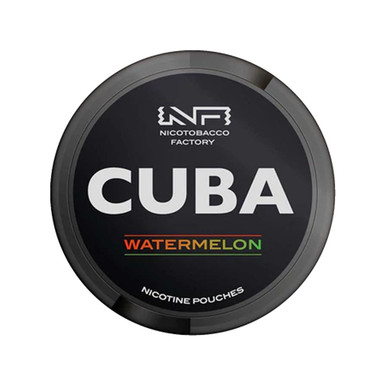
Cuba · 43mg
Read the full guide
Cuba Black Watermelon Nicotine Pouches
£39.90
✔ In stock — ready to ship
100% tobacco-free
Free over £20
Same-day dispatch
Secure checkout
Cuba Black Watermelon Nicotine Pouches is listed here at £39.90, with one declared strength of 43mg and a watermelon flavour. It shows as in stock as this is written. Those five things — name, price, figure, flavour, availability — are the complete set of facts we hold about it, and the rest of this page is description, comparison, or a straight statement that a question is one we cannot answer.
We would rather be boring than inventive about that last part. There is no pouch count on this page because our data does not carry one. There is no weight, no dimension, no date, no origin, no history of the brand. If it is printed on the can and not in our records, the can is the place to read it, and we are not going to paraphrase a can we cannot see.
The full guide to Cuba Black Watermelon Nicotine Pouches
5,232 words on how it eats, who it suits, how to serve it and what to put beside it.
The can in front of you
On the name: Cuba is the brand, Black is the line inside that brand, and Watermelon is what the flavour is called. None of those words is a statement about where anything is made, and we hold no origin information whatsoever, so this page makes no claim about it in either direction.
Before anything else, the obvious: this is an adult nicotine product sold only to people aged 18 and over who already use nicotine. The compliance section near the foot of the page sets that out properly and is worth reading rather than scrolling past.
Handling one, start to finish
The format is the same across everything we sell, so if you have used a pouch before none of this will be new. A nicotine pouch is a small sealed pouch placed in the mouth, between the lip and the gum, and left there. It is not chewed and it is not swallowed.
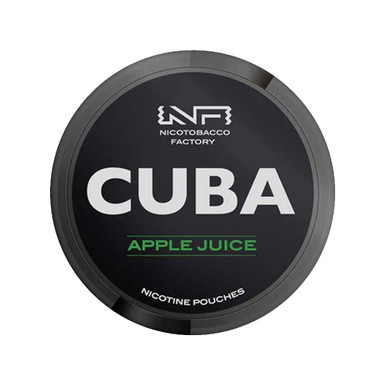
The tin is a shallow round plastic container with a lid that lifts off and presses back down. It closes inside a fist and travels flat in a pocket. The printing on the lid gives you brand, line, flavour and the declared figure, which is the part that matters when there are three different cans in a drawer and you are picking one without your glasses on.
Taking one out and putting it in is a two-second operation. It sits at the front of the mouth, most commonly up under the top lip, and the lip keeps it in place. It can be shifted from one side to the other if it is sitting awkwardly. If it is uncomfortable wherever it goes, take it out — comfort varies person to person and there is nothing about the format that asks anyone to put up with a pouch that does not suit them.
Duration is the question we get asked most and can answer least usefully. People differ enormously. Some take one out after a few minutes and some leave one in much longer, and any average we printed would flatter one group and mislead the other. The commonest trigger for taking one out is that the taste has finished, which on a sweet fruit flavour tends to be a clear moment rather than a gradual one. We set no time, we cannot tell you yours, and whatever usage guidance the manufacturer prints on the can is the guidance that counts.
The lid does double duty. Under it sits a catch compartment, walled off from the chamber holding the unused pouches, and that is where a used one goes when there is no bin nearby. Empty it regularly. Once that compartment is crammed the lid stops closing flush, and from then on the can is open whether or not it looks shut. Final disposal is general waste: a bin, never a sink, never a toilet, never out of a window. The empty tin is plastic and goes with household recycling to the extent your council accepts that plastic, which is a question for your council and not for us.
We hold no pouch dimensions and no format designation for this product, so this page will not tell you whether these are slim or regular or anything else. Every pouch in a can matches every other one in it, so the first one tells you what the rest of the tin is like, and the can itself carries the specification.
Reading 43mg for what it is
One figure appears on this listing: 43mg, at £39.90. There is no second variant here to weigh against it. The figure is the nicotine content declared by the manufacturer and printed on the can, reproduced by us exactly as supplied. We do not round it, adjust it or restate it in another unit.
A milligram figure is a declaration and nothing more. Its purpose on our site is navigational: somebody who already knows the number they are after can filter to it instead of opening forty product pages. It is not a score, not a rank and not a suggestion. We are not in a position to tell anyone what figure is right for them and this page does not attempt it.
Because 43 is a high number as pouch declarations go, this listing files under the Extra Strong band, which currently carries 98 listings. That is a bracket, not a verdict. The same catalogue also runs a Strong band and a Medium Strength band, and a can lands on one of them purely because of the number printed on it.
The caution worth repeating is about cross-brand arithmetic. Manufacturers declare against different formats and express the figure in different ways, so identical numbers on two different cans do not prove the cans are equivalent. We publish each manufacturer's declaration as given, we do not convert between them, and we do not hold the technical detail that would let anyone do it honestly. A comparison table that looked precise would be a worse thing to publish than this paragraph.
Watermelon as a taste, and how it differs from the melons near it
Our flavour record for this can reads watermelon, one word, and that is what it is: a single-fruit flavour rather than a blend. No mint is named alongside it and no second fruit is named alongside it.
Watermelon as a flavouring is a distinct thing from melon generally. It reads sweeter and lighter than honeydew or cantaloupe, with a crisp, slightly watery quality that is exactly what the name suggests, and it sits closer to a sweet-shop reading of the fruit than to the fruit off a chopping board — which is true of almost every watermelon flavouring in existence and is a description rather than a criticism. Against a berry flavour it is less tart. Against a citrus it is much less sharp. Against an apple or a cherry it is rounder and less defined at the edges.
The aroma off a freshly opened tin is a concentrated version of the same thing, and a stronger impression than the pouch itself gives. That is normal for a sealed can and is not a sign of anything.
One thing worth saying about the word itself: watermelon is a flavour name that different manufacturers interpret quite differently. Some aim at the sweet-shop version, all confectionery and very little fruit. Some aim at something closer to the flesh of the fruit, which reads crisper and less sugary. Some build the flavour around the rind end of the taste rather than the middle. We hold no description of which approach this particular can takes beyond the single word in our records, so we are not going to characterise it further than the family it belongs to. That is a real limit on what this page can tell you, and pretending otherwise would be worse than admitting it.
The useful comparison is with the neighbouring cans rather than with the fruit. Our watermelon shelf holds 23 listings, and they are not 23 versions of one taste. Some pair watermelon with a mint, which changes the register completely; some pair it with strawberry, which pushes it towards a mixed-berry reading; some put a cold edge over the top. This can does none of those. It is watermelon on its own, which makes it the plainest entry in a shelf full of combinations, and that plainness is either the reason you want it or the reason you do not.
The Cuba shelf, walked end to end
This is the section worth the most space, because the question people actually arrive with is not "what is watermelon like" but "where does this one sit among the rest of them". The Cuba shelf runs to 47 listings on this site, which makes it one of the larger single-brand ranges we carry, and it is worth understanding how it is organised before picking anything off it.
One price, many lids
The structural fact that shapes everything else is that the Black line does not vary its price. This can is £39.90. So is Cuba Black Apple Juice, so is Cuba Black Cherry, so is Cuba Black Cola. Across the line, £39.90 is simply the listing price.
The consequence is that comparison inside the line is unusually simple. You are never trading a flavour you want against a cheaper one you want less. Price is off the table, and what is left is the flavour name and whatever figure each individual page declares. Most brand shelves on this site have at least some price spread; this one does not, and that makes it a good range to work through systematically if you are the sort of person who does that.
Working through a flat-priced range
A range that does not vary its price rewards a particular approach, and it is one we see people take with the Cuba listings more than with most shelves. Rather than researching which flavour to commit to, they simply work along the line — one can, then a different lid next time, then another — because the cost of being wrong is identical every time. There is no penalty for trying the odd one out, and no reward for playing safe.
The 47 listings we carry under this brand are not all in the Black line. The brand runs more than one line, each with its own lid design and its own set of flavour names, and each of those listings carries its own declared figure on its own page. That is worth stating plainly because the flat price within Black does not necessarily hold across every other Cuba listing, and a figure read on this page tells you nothing about a page you have not opened.
The fruit half, and who tends to want which
Within the Black line, the fruit flavours cluster into recognisable groups, and it is fair to describe what sort of taste each one appeals to as long as nobody mistakes that for advice about strength or suitability. On taste alone, then.
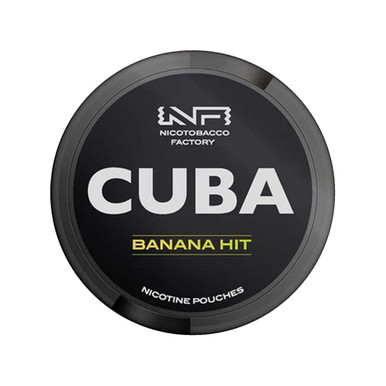
Watermelon belongs to the light, sweet, high-water fruit group, and the can nearest to it in character is Cuba Black Banana Hit at £39.90 — a different fruit, but the same soft and sweet register rather than a sharp one. People who like this can and want a second that will not clash usually land there.
Step towards the darker end and you reach Cuba Black Blueberry, also £39.90, which is the line's dark-berry entry and tastes deeper and less watery than this one, and the Cherry can at the same price, which is sharper again and the most defined fruit on the shelf. Neither is a substitute for watermelon; they are the other direction entirely, which is exactly why people keep one of each.
The Apple Juice listing, £39.90, is the orchard-fruit reading and the only one in this group named after a drink rather than a fruit, which tells you something about the sweetness it aims for. It suits someone who wants sweet without wanting tropical or berry.
The non-fruit end
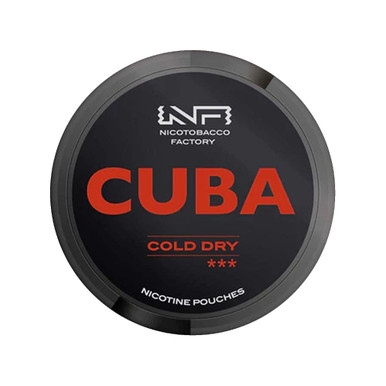
Two listings sit outside the fruit half altogether and are worth knowing about even if you never buy them, because they define the edges of the range. Cuba Black Cola at £39.90 is the soft-drink flavour — not a fruit, not a mint, and the one people pick when they want a second can that tastes like nothing else in the drawer. Cuba Black Cold Dry, also £39.90, is named for a cold and dry character rather than for any flavour at all, and it is the furthest point on the shelf from a sweet watermelon. Somebody who keeps both this can and that one is not treating them as alternatives; they are keeping two quite different things.
Everything the brand does beyond those is on the full Cuba listing, and every one of those pages carries its own declared figure. Do not assume 43mg carries across the line — check each page rather than inferring.
What "who it suits" can and cannot mean here
Everything above is about taste, because taste is the only dimension on which a shop can reasonably say one can suits one person and another suits somebody else. On strength we make no such statements at all. We will not say a figure is appropriate for a particular person, a particular situation or a particular level of experience, and if you read anything on this page that way, that is not what it says. The numbers are published so they can be matched by people who already know what they are matching.
Where a tin actually goes: settings, rules and not assuming
The second thing people ask about pouches is where they can be used, and the honest answer takes longer than the question. We will give the useful version rather than the flattering one.
What the object is, practically
As an object this is a small plastic tin and a set of small pouches. There is no device, nothing to charge, nothing to refill, no accessory and no consumable beyond the pouches themselves. It travels as a tin and nothing else, and it is quiet, in that using one involves no action anybody would hear.
That is a description of the object. It is not an argument that you are therefore permitted to use one anywhere, and the distinction matters more than anything else in this section.
Rules are set by the place, not by the product
We cannot tell you where you may use a nicotine pouch. Nobody selling them can. Policy is set by employers, building managers, airlines, rail operators, site managers, schools, hospitals, venues and licensees, and those policies differ from one another and change without notice.
Three things follow from that, and they are the practical content of this section.
First, a great many organisations write their policies to cover all nicotine products rather than listing product types. Where that is the wording, a pouch is covered, full stop. Do not read a policy that names particular products and assume anything not named is allowed — read whether the policy has a catch-all clause, because most modern ones do.
Second, signage is not a ruling. A sign prohibiting one category of product is telling you about that category. It is not a permission slip for a different category, and treating it as one is how people end up in a conversation with a manager. If a place has not said, the correct assumption is that you do not know, and the correct action is to ask whoever is responsible rather than to proceed quietly and find out later.
Third, on aviation specifically: airlines set their own conditions of carriage, those conditions differ between carriers and between routes, and they are the only authority on what may be carried or used on their aircraft. Cabin crew instructions override everything. We are a shop and we do not hold, monitor or interpret airline policy, so we are not going to tell you what any airline permits. Check with the carrier before you travel, not at the gate.
Packing a tin, as a logistics question
Leaving aside whether you are permitted to use one anywhere in particular, there is a separate and duller question about carrying a tin, and it is the one we can actually answer, because it is about the object rather than about a rule.
It is a rigid plastic container with a lid that can be knocked off under pressure. In a bag with heavy items on top of it, a tin can pop, and a popped tin in a bag is a genuinely annoying thing to discover. A side pocket is better than the bottom of a rucksack. It also does not want to be in the same pocket as keys, which will scuff the lid and eventually stop it seating.
On temperature in transit: a bag left in a hot car or a hot boot is the same problem described in the storage section below, and a long journey in those conditions will leave you with a can that tastes flatter than the one you packed. That is a statement about taste and about the physical state of the pouches, and we take it no further than that.
What we will not do is tell you what may be carried or used on any particular journey, in any particular building, or under any particular policy. That remains the operator's call, not ours.
Disposal is the part people get wrong
Wherever you are, a used pouch has to go somewhere, and the catch compartment in the lid exists precisely because bins are not always to hand. Use it. A used pouch left on a desk, a table, a seat-back pocket, a windowsill or a sink is the single most common complaint anybody has about the format, and it is entirely avoidable.
In shared spaces this stops being about tidiness and starts being about whether pouches keep being tolerated in places that currently tolerate them. Empty the compartment into a bin. That is the whole of the etiquette and it is not difficult.
The honest limit of this section
We are not going to tell you that this product is suitable for any particular setting, or recommend using it in one, or suggest it as the thing to reach for when something else is not permitted. Those would all be claims we have no business making. What we can say is that the physical object is a tin, that the rules belong to whoever owns the room, and that asking is cheaper than assuming.
Second cans: what people keep next to a watermelon tin
Repeat orders rarely consist of one flavour bought again and again. Most are two or three cans kept together, and the reason is straightforward: a taste you have had continuously for a fortnight stops registering the way it did at the start. What follows is what commonly sits alongside this one, on the basis of flavour, brand and price only.
The cheapest way to keep a second watermelon-family option in the house is the Pablo strawberry and watermelon can at £3.85, which takes the same fruit and pushes it towards berry, or the Nordic Spirit melon listing at £4.49, which reads as melon with a fresh edge rather than a plain watermelon. Both are listed at a fraction of this page's price, which makes them a sensible way to test whether the variation is one you actually want before committing to a larger listing.
In the middle of the price range, the UBBS watermelon listing at £19.95 is the closest direct equivalent to this can from another brand — the same single fruit, no mint, no second fruit — and is therefore the most informative comparison if you want to know how differently two brands read the same word. Fumi Watermelon Mint at £27.90 adds the mint this can does not have, and the Killa strawberry and watermelon can at £33.50 is the mid-priced version of the strawberry pairing.
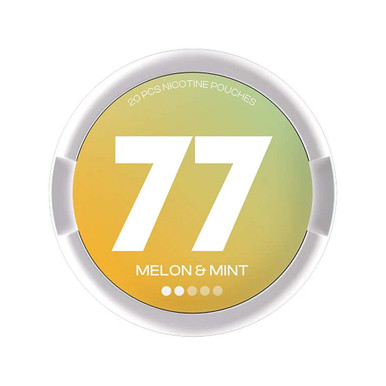
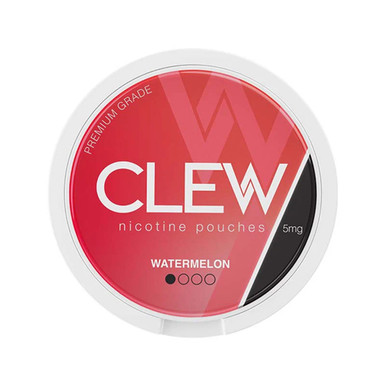
At the same £39.90 as this listing you have three more watermelon-adjacent options. Clew Watermelon is another plain single-fruit reading, which makes it the other obvious like-for-like. Denssi Watermelon Freeze puts a cold register over the fruit rather than leaving it plain. 77 Melon Mint pairs melon with mint and is the one that tastes least like this can while still being in the same fruit family.
For a second can that is deliberately nothing like the first, two listings come up repeatedly: Siberia Mini at £39.50, whose name points at a cold rather than a fruit character, and Maggie Original Jamaican Cherry Tonic Wine at £39.90, which has the most unusual flavour description on this part of the catalogue and no overlap with watermelon at all.
If none of those is the shape of it, the watermelon listings, the Pablo shelf and the complete catalogue are the three places to browse sideways from here.
Keeping an opened tin in decent condition
Storage is short, and most of it is one instruction: put the lid back on properly, every time, straight away. Not resting on top, not a quarter-turn off. Pressed down until it seats.
The failure people actually experience is a slow one. A can that has been sitting with a poorly-seated lid dries out gradually, and the symptom is that the flavour is quieter than it was on day one. Sweet fruit flavours show that earlier than cold ones, so a watermelon can is one of the more obvious places to notice it. This is a comment about taste and about the physical state of the pouch, and nothing further — we do not hold and will not speculate about anything beyond that.
The over-full catch compartment is the usual culprit behind a badly-seated lid, which is why emptying it is a storage matter and not just housekeeping.
Beyond the lid: room temperature, out of direct sun. A drawer, a cupboard, a bag. The problem places are predictable — a car in summer is the worst of them by a distance, a sunny windowsill is next, and a bathroom shelf is third because of the steam and the temperature swings. On refrigeration, which people ask about often: we hold no manufacturer storage instructions for this product, so we are not going to recommend it or advise against it. If the can carries storage guidance, that guidance outranks this page.
We also hold no shelf life, no best-before period and no manufacturing date, and we will not estimate any of them. Sealed cans keep their condition far better than opened ones, so if you have several, run one at a time rather than having four half-used tins going at once.
What there is to decide on this page
Very little, is the honest answer. One flavour, one declared figure of 43mg, one price of £39.90, and no can count in our data, so there is no bundle size to weigh up. The choice on this page is whether to buy it.
The real choices are one step out. A different lid at the same price within the Black line. A different brand at a different price — the watermelon-family listings named above run from £3.85 to £39.90, a spread of more than ten to one, and understanding that a price is telling you about the listing as much as the product is most of what you need. Or a filter by declared figure, using the extra-strong shelf, the strong shelf or the medium shelf.
Which of those to pick is not something we will advise on, and a shop that steers people towards particular nicotine strengths is doing something it should not.
Ordering it, and the age check
The listing goes in the basket at £39.90 and you check out as normal. It shows as in stock as this is written, though stock moves and the live listing page is always the more current of the two.
Age verification applies and is not a formality. Sales are to over-18s only and ID may be requested on delivery. If a check is asked for and cannot be met, the parcel is not handed over — so it is worth having ID to hand and worth making sure the name on the order matches the name on the ID. Do not order for anyone under 18 under any circumstances.
Delivery timings, packaging and courier arrangements are covered on our checkout and delivery pages, which stay current in a way a product description written in advance cannot.
Getting back here
Three routes lead to this page. The Cuba range, 47 listings, is the brand route. The watermelon shelf, 23 listings, is the flavour route and will put this can next to every other reading of the same fruit we carry. The extra-strong band, 98 listings, is the figure route, for people filtering on the number rather than the name.
If you would rather scroll than filter, the whole shop is one page, and the Pablo range and the Strong band are the shelves people most often step across to from here.
Things we get asked
Is this watermelon on its own, or watermelon with mint?
On its own. Our flavour record for this listing is the single word watermelon, with no mint and no second fruit named. If you want the mint version, the Fumi watermelon and mint can at £27.90 and the 77 melon and mint listing at £39.90 are the two we carry. If you want it paired with strawberry instead, the Pablo pairing is £3.85.
How many cans or pouches is £39.90 buying?
We do not hold that figure. There is no can count and no pouch count in our product data for this listing, and we are not going to invent one to make the page look complete. The printed packaging carries it. We know that is an unsatisfying answer at this price point and we would rather give it than a number we cannot stand behind.
Does Cuba mean the product comes from Cuba?
No. Cuba is a brand name and Black is a line name within it. Neither tells you anything about where the product is made, and we hold no country-of-origin information for this listing at all. We will not state one, imply one or estimate one. The manufacturer's own labelling is where that would appear if it appears anywhere.
Is 43mg the same as 43mg from a different brand?
Not necessarily, and we would not claim it is. Different manufacturers declare against different formats and express figures in different ways, so the same printed number on two cans is not evidence that the cans are equivalent. We reproduce each manufacturer's declaration as supplied and we do not convert between them, because we do not hold what would be needed to do that honestly.
Can I use these at work, or on a plane, or on a train?
That is not our decision and we will not guess at it. Employers, airlines, rail operators and site managers write their own policies, those policies differ and change, and many are written to cover all nicotine products rather than named categories. Signage about one type of product is not permission regarding another. Ask whoever is responsible for the place, and on aviation ask the carrier before you travel.
How long is one meant to stay in?
We cannot answer that. The spread across individuals is wide enough that any average would mislead, and advising anyone on their own use is not something we do. Descriptively, the commonest reason people give for removing one is that the taste has gone, which on a sweet fruit flavour is usually a distinct moment. The manufacturer's printed guidance on the can is the guidance to follow.
Should I keep the tin in the fridge?
We hold no manufacturer storage instructions for this product, so we will not tell you to and will not tell you not to. Some people do. What we will say generally is that heat and direct sunlight are what people regret — a car in summer is where most complaints about a flat-tasting can begin. If the can itself carries storage guidance, follow that over anything written here.
What is the closest thing you sell to this can?
On flavour, Clew Watermelon at £39.90 and UBBS Watermelon at £19.95 are the two plain single-fruit watermelon listings we carry, which makes them the nearest like-for-like comparisons. On brand and price, every other Cuba Black listing sits at the same £39.90 with a different flavour on the lid. On declared figure, check each page individually rather than assuming.
Can you tell me which one I would prefer?
No. Taste is personal and we do not know yours. What we can do is say where each sits: the blueberry can is the dark-berry end of the line, the banana can is the nearest in register to this one, the cherry can is the sharpest, and the cold dry can is the furthest away from all of them. All are £39.90.
Why is one listing £3.85 and this one £39.90?
Because the two listings are not the same purchase. A price on a pouch page reflects what the listing contains as well as what is inside the tins, and our data does not carry a can count for this product, so we cannot tell you the multiple. What we can tell you is that comparing a £4.49 listing against this page as though they were like for like will give you the wrong idea of both. Read each listing on its own terms.
Do all Cuba listings cost £39.90?
Every Cuba Black listing we carry does, which is what makes the line simple to compare — only the flavour on the lid changes. The brand's 47 listings on this site are not all in the Black line, though, and we would not want you to assume the flat price or the declared figure carries across to a different line. Each product page states its own price and its own figure, and that page is the one to trust.
Is it actually in stock?
It is listed as in stock at the time of writing, but stock moves and the live listing page will always be more current than this text. If it shows unavailable when you arrive, the watermelon shelf is the sensible place to find something in the same flavour family in the meantime.
The notices that have to appear here
This is an age-restricted product, and none of the following is small print.
- 18+ only. Cuba Black Watermelon is sold exclusively to adults aged 18 or over who already use nicotine products. We do not sell to under-18s under any circumstances, and we do not sell to adults who do not already use nicotine.
- Nicotine is an addictive substance. That applies to this can exactly as it applies to every other nicotine product we list.
- This is not a licensed stop-smoking medicine. It is neither authorised nor intended for that purpose, and it is not intended for non-smokers, for anyone who does not already use nicotine, for under-18s, or for anyone pregnant or breastfeeding.
- ID may be requested on delivery. Age verification applies at checkout and may be repeated at the door. Where a check cannot be satisfied, the order is not handed over.
Questions about nicotine and your own health or circumstances belong with a qualified healthcare professional. We sell products. We do not give medical advice, we do not assess whether a product is appropriate for any individual, and nothing on this page should be read as either.
To summarise
Cuba Black Watermelon is a £39.90 listing carrying one declared figure of 43mg and a single-fruit watermelon flavour with no mint and no second fruit in it. It is the plainest entry on a watermelon shelf mostly made of combinations, and it sits in a Cuba Black line where the price never moves and only the lid changes. We hold no can count and no origin for it, and we have said so rather than filled the gaps with something that reads better.
More from Cuba
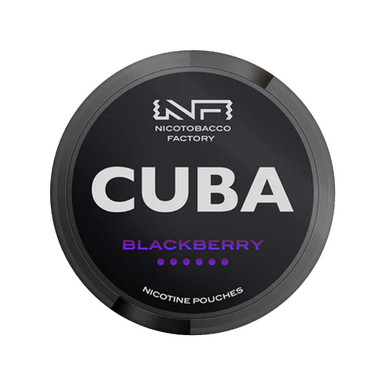
More extra strong pouches
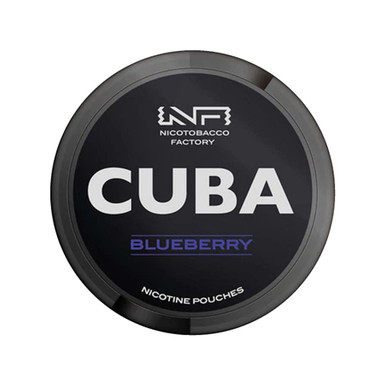
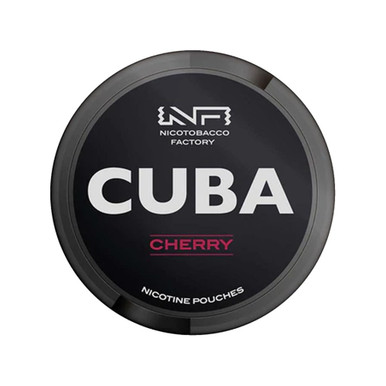
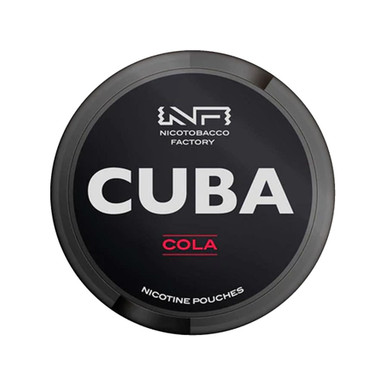
More watermelon pouches

Where this sits
Cuba Black Watermelon Nicotine Pouches appears in these categories. Browse them, or jump to something close.
You might also like