
Home / Extra Strong / Iceberg Grape Gum Nicotine Pouches
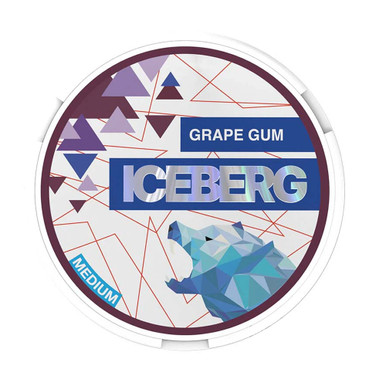
Iceberg · 20mg–50mg · 10-can pack
Read the full guide
Iceberg Grape Gum Nicotine Pouches
£39.90
✔ In stock — ready to ship
100% tobacco-free
Free over £20
Same-day dispatch
Secure checkout
The listing here is Iceberg Grape Gum Nicotine Pouches, and what our record holds about it fits into a short paragraph. It is a pack of ten cans, priced at £39.90. Two declared strengths are recorded, 20mg and 50mg, and the £39.90 applies to either of them. The flavour field holds a single word: grape. One image is held against the listing. The stock flag currently reads out of stock, which is worth knowing before you read any further rather than after.
Everything on this page comes from those fields, or from things that are generally true of the tin-and-pouch format, and where the record has nothing we say it has nothing. There is a version of a product description that fills every gap with a confident invention, and this is not that version.
The full guide to Iceberg Grape Gum Nicotine Pouches
5,291 words on how it eats, who it suits, how to serve it and what to put beside it.
What arrives when you order this
One thing to establish at the outset. This is an age-restricted nicotine product for adults aged 18 or over who already use nicotine. The full compliance wording has a section of its own further down the page and should be read as part of the listing rather than as small print appended to it.
The physical object is the standard press-lid tin: a squat plastic disc, roughly the diameter of a drinks coaster and about a centimetre deep, with the brand and flavour printed on the top. Ten of them come boxed together. That matters more than it sounds, because a ten-can box is a storage decision as much as a purchase, and the section on keeping a can in condition deals with it properly.
Dividing the pack price out gives £3.99 per can. We publish that division only so this listing can be compared like for like against the single-can products elsewhere on the site; £39.90 is the figure that appears at checkout and the only price we hold.
Two fields are absent and we would rather flag them here than let you hunt for them. We do not hold a pouch count for an individual can, and we do not hold a format designation — whether these are slim, regular or something else is not recorded. The printed can answers both.
Grape, and the second word on the lid
The product is called Grape Gum. The flavour word on our record is simply grape. That is a small mismatch and it is the kind of thing this site points out rather than smooths over: our data carries the fruit and not the confectionery half of the name, so when this listing appears on a flavour shelf it appears as a grape listing and nothing else.
The second word is not meaningless, though. In flavour vocabulary, attaching a confectionery term to a fruit name signals a particular reading of that fruit — the sweet-shop version rather than the fresh-off-the-vine one. Grape as a fruit is one thing. Grape as a confectionery flavour is a recognisable and quite different thing, brighter and more artificial-tasting by design, and the difference is large enough that somebody buying on the word "grape" alone can be surprised by which of the two arrives. Since our record holds only the fruit word, the name on the lid is the better guide to which reading Iceberg has aimed at, and the can is where that gets settled.
A related point that belongs here rather than buried in a footnote. A confectionery flavour name does not change who a product is for. This is an 18+ nicotine product whatever word is printed on the lid, sold only to adults who already use nicotine, and nothing about a sweet-shop flavour name alters that in either direction. We describe the flavour because a customer deciding between cans needs to know what it tastes of. We are not going to dress it up as anything more charming than a taste.
What grape tastes like in a dry pouch
Grape is one of the more predictable flavours on a pouch shelf, in the sense that most people know immediately what is meant and very few are startled by it. It is sweet-led, moderately aromatic, and low on both bitterness and genuine acidity. Against the other flavour families we stock it sits close to the berry group in sweetness but lacks the tartness that a raspberry or blackcurrant reading brings, and it sits a long way from the mint, herbal and roasted directions in every respect.
What is being described here is taste and aroma and nothing else. No claim of any other kind is being made in this section.
The confectionery reading, which is what the full product name points at, pushes the sweetness up and the realism down. It tends to read as purple rather than as fruit — a floral, slightly perfumed sweetness with a rounded edge and no bite at the back. Somebody expecting the taste of an actual grape usually finds that surprising the first time. Somebody who grew up on grape-flavoured confectionery finds it immediately familiar. Neither reaction is the correct one and we have no view on which you will have.
Aroma on opening is forward. Grape is one of the flavours that announces itself as soon as the lid comes off, and an open can left on a desk will scent the immediate area for a while. That aroma runs a little sweeter than the taste that follows, which is common with confected fruit directions and worth knowing so that the first pouch does not read as a disappointment against the smell.
Over the life of a pouch the flavour thins, as it does with everything in this format. With grape the aromatic, floral part of it usually fades before the plain sweetness does, so what is left towards the end reads flatter and less specific rather than simply quieter. We hold no timing figures for this product and are not going to estimate any. How long a pouch stays interesting is a matter for the person using it.
For a direct point of comparison on the same fruit, Cuba Black Grape is also £39.90 and also names the fruit without a confectionery qualifier, which makes it the nearest thing we stock to a plain reading of the word.
One can, ten cans, and the spare in the drawer
Almost nobody buys pouches the way they buy most things, which is to say once and thoughtfully. The actual pattern is a rhythm: something runs out, something gets reordered, and how well that rhythm works depends far more on pack arrangement than on flavour. This listing is a ten-can pack, so it sits at one end of that question, and it is worth working through what that actually means week to week.
The two shapes a purchase comes in
Products on this site come either as single cans or as multi-can packs, and the two are genuinely different purchases rather than the same purchase at different scales. A single can is a small outlay, a short commitment and a quick way to find out whether a flavour suits. A ten-can pack is a larger outlay, a longer commitment and a lower price per can. Neither is the sensible option in the abstract; it depends entirely on whether the flavour is already known to you.
The prices on this site make that split very visible, and it is the commonest source of confusion we see. Velo Purple Grape shows at £4.19 and Pablo Exclusive Grape Ice at £3.85, while this listing shows at £39.90. Those are not competing prices for the same thing. The first two are single cans and the third is ten of them. Reading a shelf by headline price alone will mislead you every time on this site, and the only fix is to open a listing and check what the price covers before comparing anything.
How a reorder actually happens
The rhythm most regular customers settle into is not a subscription and not a schedule. It is noticing, at some point before the last can is gone, that the supply is getting thin, and ordering then. The people for whom that works smoothly are the ones who reorder with two or three cans left rather than with none, because a courier takes the time a courier takes and an empty drawer is a self-inflicted problem.
A ten-can pack changes the arithmetic of that. Reordering happens less often, which some people prefer for its own sake, but each order is larger and the gap between orders is long enough that the stock position of a listing can change in the meantime. That is not hypothetical here: this listing currently shows as out of stock, which is exactly the situation a customer discovers when they come back after several weeks assuming a can will be there.
The spare, and why people keep one
A great many regular customers keep a can of something they are not currently using. It is not usually the flavour they like best — it is a second flavour, kept sealed, against the day the usual one runs out or stops appealing. That habit is worth mentioning because it changes what a second purchase is for. A spare does not need to be a can you love; it needs to be a can you will still be willing to open in a month.
Single-can listings are what most people use for that, for the obvious reason that a spare should not cost forty pounds. Siberia Mini at £39.50 is a multi-can listing and so is not that, but the Pablo range is priced per can throughout and is where a lot of spares come from.
What a per-can price does and does not tell you
Dividing a pack price by the number of cans is a useful habit and a slightly dangerous one. Useful, because it makes a ten-can listing comparable with a single-can listing at a glance. Dangerous, because the resulting figure is not a price anybody can actually pay, and treating it as one leads to comparing a number you can transact against a number you cannot. The £3.99 we quoted at the top of this page is arithmetic, not an offer.
There is a second wrinkle. A lower per-can figure is not automatically the better deal, because the comparison only holds if you were going to use all ten cans anyway. Ten cans of a flavour that turns out not to suit is not a saving on anything. The per-can figure is worth calculating when you already know the flavour and worth largely ignoring when you do not, which is an unglamorous conclusion but the accurate one.
It is also worth noting that pack arrangements differ between makers and sometimes between listings from the same maker, so per-can arithmetic has to be redone for each listing rather than assumed. The extra strong grouping alone gathers ninety-eight listings across both shapes of purchase, and the price column on a shelf view is showing headline prices rather than per-can ones.
A note on what we are not doing here
Describing how people buy is not the same as encouraging anybody to buy more, and this section is not an argument for keeping a larger supply in the house. If anything the honest observation runs the other way: a ten-can pack is a commitment to a single flavour for as long as it takes to work through ten cans, and that is a reason for caution rather than enthusiasm if the flavour is new to you. We stock both shapes of purchase and have no preference about which anybody chooses.
Building a rotation around a grape can
Very few people who use pouches regularly keep just one flavour going. Two or three in rotation is the common arrangement, and the reason is straightforward — a flavour you meet constantly stops registering, and the usual remedy is a second can that is genuinely different rather than a near-copy of the first. The shelves on this site divide up in ways that make that easy to do deliberately, so here is how the neighbourhood around this listing looks.
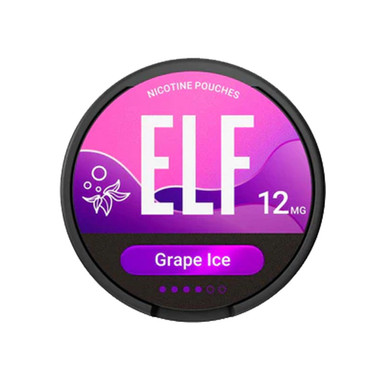
The closest neighbours are the other grape listings. Our grape shelf holds fourteen of them, a middling-sized flavour grouping and short enough to read in full. Within it the readings differ more than the shared word suggests. Maggie Original Jamaican Grape Soda at £39.90 names a soft-drink treatment of the fruit; Killa Grape Ice at £33.50 and Elf Bar Grape Ice at £29.90 both attach a cooling word to it, which is a different construction again. Buying two cans from that list without reading the qualifiers is how people end up with two versions of the same afternoon.
Before leaving the fruit, it is worth noting how many readings of it we hold. Iceberg Grape at £39.90 is the same maker's plain version without the confectionery qualifier, which makes it the single most direct comparison available; 77 Grape Ice at £39.90 and Rush Grape Ice Extreme at £19.99 both attach cooling words. All three, along with this listing, currently show as out of stock, which is worth checking before settling on any of them.
The second approach is to leave the fruit entirely, so that the two cans in rotation have nothing in common. Siberia Mini at £39.50 comes from a range built on an entirely different idea of what a pouch should be, and moving to it is a change of subject rather than a change of flavour. That is the point of a contrast can: it should not remind you of the one it is standing in for.
The third pattern is to rotate by format rather than by flavour, keeping a smaller or differently built can alongside a standard one. The Cuba brand page and the wider brand shelves are the quickest way to see how differently makers approach that, since format tends to be a house decision rather than a per-flavour one.
There is a fourth consideration that people discover by accident, which is that two cans in rotation do not have to sit at the same price point or in the same pack shape. A ten-can pack as the everyday flavour and a single can as the occasional change is a common and sensible arrangement, because the commitment is where the certainty is and the experiment is where it costs little. Working the other way round — a large pack of the unfamiliar flavour and a single can of the reliable one — is how people end up with eight cans they are not touching.
Rotation is a habit, not a rule, and the above is a description of what customers do rather than a recommendation about what anybody should do. There is no combination of cans that is better than any other combination, and nothing in this section should be read as a suggestion to keep more of anything than you were already going to.
The format, close up
A nicotine pouch is a small sealed pouch that is placed in the mouth and left alone. It is not chewed, it is not swallowed, and it is not a confection despite what the flavour name may suggest. That applies to everything on this site.
Placement is at the front of the mouth, between the lip and the jaw, held there by the lip and nothing else. It can be moved about and most people do move it, more in the first week than afterwards. If it does not sit comfortably anywhere, taking it out is the correct response; there is nothing to be gained by persisting.
How long anybody keeps one in varies too much to average honestly. The reported range runs from a few minutes to the better part of an hour, and the reason usually given for taking one out is that the taste has gone. We publish no duration, suggest none, and defer to whatever usage guidance Iceberg prints on the can.
The lid has a shallow catch compartment moulded into its top, kept separate from the chamber holding the unused pouches, and used pouches go in there. It takes three or four before the lid stops sitting flat, at which point the can becomes an annoyance in a pocket. Emptying it early is simpler than dealing with a lid that will not close. Used pouches go into general waste — a bin, not a sink, not a drain, not the roadside. The tin is plastic and goes with household recycling to whatever extent your local authority takes that grade, which varies by council and is not something we can answer for a particular address.
Two small practical things. The pouches lie flat in a ring around the base of the tin, so the first is fiddly to get out and the rest are not, and an open can turned over empties that ring across the floor in one go. And nothing sticks — pouch to pouch or pouch to tin — so separating them needs no technique.
Finally, the question of how noticeable it is. A pouch sits as a slight fullness under the lip, visible to somebody looking for it, and it changes the shape of a couple of consonants for the first minute or so. That is a plain description of an object in a mouth. We draw nothing further from it.
Reading the printed figures
Two declared strengths are recorded for this listing, 20mg and 50mg, both at £39.90. The milligram number is the nicotine content that Iceberg declares for one pouch. We reproduce the figure exactly as supplied, we do not verify it independently, and the can takes precedence over this page if the two ever disagree.
The only comparison we can make between them is arithmetic: 50 is larger than 20. That comparison is between two numbers printed on labels. It is not a description of experience, it is not a ranking of quality, and it is certainly not a suggestion about which variant anybody should order. A shop does not know anything about the person reading its pages, and any page that implies otherwise has overstepped.
Two figures at opposite ends of our range, with nothing between them, is a slightly unusual arrangement. Some products step through four or five declarations in small increments; this one offers a low figure and a high one. That is a fact about how the record is structured and carries no further meaning.
Across the site, listings are grouped into bands by declared figure. The Extra Strong shelf is the largest of those groupings at ninety-eight listings, while the Strong grouping and the Medium Strength grouping collect the lower declarations. A listing appears on one band only, so those shelves do not overlap.
Iceberg on our shelves, and a gap in the record
The Iceberg shelf here runs to forty listings, making it one of the broader brand ranges we keep, and this can is one line on it.
The sibling cans our record names all carry the same £39.90 price as this one, which is a house pattern rather than a coincidence — Iceberg appears to price its range flat rather than varying by flavour. Iceberg Berries and Iceberg Black Currant occupy the berry ground, Iceberg Apple Lemon Pineapple is a three-fruit construction with genuine acidity in it, and Iceberg Black Mint sits in the mint family, which is about as far from a confectionery grape as the catalogue goes. Two further siblings, Iceberg Arasaka and Iceberg Black, are named in a way that gives no indication of flavour at all.
The awkward part: all six of those siblings are flagged out of stock on our record at the time of writing, as is this listing. That is a range-wide position rather than a judgement on any one can, and it means the brand shelf may be thinner in practice than its headline count implies. The brand shelf is still the reliable route to the rest of the range, and those forty Iceberg listings are all reachable from it.
The alternative way to place this can is by declared figure rather than by maker. With 50mg on one of its variants it falls into the extra strong band, where it sits beside cans from makers it otherwise has nothing to do with. Brand and strength cut the catalogue in different directions and neither is more correct than the other; which is useful depends on whether you are shopping by maker or by number.
Where a box lives between uses
Storage for a single can is barely worth a paragraph. Storage for ten is worth thinking about once, properly, and then never again.
Two things degrade a can: heat and air. An unopened can is sealed and will sit happily in a drawer or cupboard for a long stretch. Once opened, the contents start a slow and entirely normal drift — dry pouches drying further, moist ones giving up moisture — and the flavour follows the moisture. Seating the lid firmly between uses does more to slow that than anything else, and a lid cannot seat properly over a full catch compartment, which is the practical argument for emptying it rather than any argument about tidiness.
Heat is the faster of the two. A car parked in sun, a windowsill, a shelf above a radiator, a coat pocket left on a warm surface — all of these will change a can in an afternoon in a way that a fortnight in a cool cupboard will not. Cool and dark is the entire instruction. A fridge is unnecessary and introduces a new problem, since a cold can opened in a warm room collects condensation inside it, and water arriving from outside does a dry pouch no favours at all.
With ten cans, the sensible arrangement is to keep the box intact somewhere cool and take one can out at a time, rather than scattering cans between a bag, a car and a desk drawer where nine of them will quietly deteriorate. Nine cans stored well and one carried beats ten cans stored carelessly.
And the point that is not really about storage at all: a box of these belongs out of reach of children and away from anybody it is not intended for. That is a condition of keeping the product in a house, not a tip about flavour preservation.
What there is to decide here
This listing offers one real decision and one non-decision. The real one is 20mg or 50mg. Both are £39.90, so there is no price to weigh, and we are not going to steer it — the figures are label declarations and the relationship between them is arithmetic.
The non-decision is pack size, because there is only one: ten cans at £39.90. No single-can option is recorded for this product. If a single can is what you want, that means a different listing rather than a different option here, and everything we stock can be filtered down by shelf rather than scrolled through.
The trade-off is the one already described. Ten cans of one flavour is a commitment to that flavour for as long as it takes to finish them, which suits somebody who already knows the can and suits somebody meeting a confectionery-fruit reading for the first time rather less. Meeting the flavour in a single-can listing from another maker first is a perfectly reasonable order of operations and costs a good deal less if it turns out not to suit.
Ordering, delivery and the door
The stock field reads out of stock at the time of writing, so the plain answer to "can I have this delivered this week" is no, not from this listing. Stock flags change and this one may read differently when you see it, but a product page that hides an availability problem in the last paragraph is wasting the reader's time. If this particular can is still unavailable, the grape shelf and the Iceberg shelf are the two places the nearest alternatives sit.
When it is available, the process holds no surprises. £39.90 buys the ten-can pack in whichever declared strength is selected. Delivery is by courier to a UK address and the timescales quoted at checkout are the ones that apply — not any figure a product description might offer.
Age verification is real and applies to every order. This is sold to adults aged 18 or over. We may verify age when the order is placed, and the courier may ask for photographic identification before handing the parcel over. If it cannot be produced, the delivery does not complete. Being asked for ID is mildly irritating and the alternative is a shop that does not ask, which is not what this one is.
Routes off this page
Three shelves lead away from here and they answer different questions. The brand shelf is for somebody who came for Iceberg. The grape grouping is for somebody who came for the flavour. The strength bands are for somebody sorting by the number on the label rather than by either of those.
If none of those fits, the full catalogue index holds everything and can be narrowed down. It is a long list, and working outwards from a shelf is generally quicker than working inwards from the whole.
For the specific case of somebody who arrived here wanting grape and finding the listing unavailable, the shortest useful path is the fourteen grape listings, read in full rather than skimmed, paying attention to which of them attach a cooling or soft-drink qualifier to the fruit word and which leave it plain. The plain-fruit Cuba reading is the closest match to a bare grape and sits at the same £39.90 as this one, which makes the comparison a clean one.
Questions people put to us
Is this grape flavoured or gum flavoured?
The name says Grape Gum and our flavour record says grape. The honest position is that the record holds the fruit word only, so the confectionery half of the name is not something we can confirm from our data. What the second word normally signals is a sweet-shop reading of the fruit rather than a fresh one. The can is where the manufacturer states what it intends, and it is the authority over this page.
How many pouches does a can hold?
We do not hold that number. The field is absent from our data for this listing and we would rather say so than publish a figure inferred from what other cans typically contain. The printed can carries it. What we can confirm is the pack arrangement: ten cans for £39.90, which is the figure the checkout uses.
Why is the 50mg the same price as the 20mg?
Because that is what the record shows. Both variants are £39.90 and neither carries a premium. It is worth stating because people often assume the higher declared figure costs more, and here it does not. Price tells you nothing about strength on this listing, and strength tells you nothing about price.
Which of the two should I get?
That is not a question a shop can answer. The two figures are declarations printed on labels and the difference between them is arithmetic; neither is the proper version and neither is a better product. We hold no information about the person reading this page and would be overstepping badly if we made a suggestion. Both are listed because both exist.
Is this a cooled flavour?
Our record does not say, and the product name does not include a cooling word, which is suggestive without being conclusive. Makers that build a cooling character into a flavour usually name it in the title, as several other grape listings on this site do. Since we cannot confirm it either way for this can, the packaging is the place to check.
Can I order a single can?
Not from this listing. The only arrangement recorded is the ten-can pack at £39.90. Plenty of listings elsewhere on the site are sold as single cans and are priced in single figures accordingly, and the very large gap between those prices and this one is almost entirely about how many cans are in the box rather than about anything else.
When is it coming back?
We do not know. Our record carries a stock flag and not a restock date, so any answer with a day or a week in it would be invented. The listing currently shows as unavailable; checking the brand shelf now and again is a more reliable approach than waiting on an estimate that does not exist.
How long does one pouch last?
There is no figure we can give honestly. It varies widely between people and any average we published would be more misleading than useful. Most people take one out once the taste has faded, which is itself a variable thing. We set no duration and suggest none, and the guidance the manufacturer prints on the can is what applies.
What do I do with the used ones?
They go in the catch compartment in the lid, and from there into a general waste bin. Not a sink, not a drain, not out of a window. The compartment fills after three or four, at which point the lid will not sit flat, so emptying it into a bin sooner rather than later keeps the can pleasant to carry.
Do you know who makes these and where?
We hold the brand name and nothing beyond it. Country of origin, manufacturing arrangements and company details are not fields in our record, and we do not publish facts of that kind unless we hold them. Packaging is normally where that information is declared.
Is grape a strong-tasting flavour or a mild one?
Aromatically it is forward — it is one of the flavours you notice across a room when a can is open. On the palate it is sweet-led and rounded rather than assertive, with little acidity and essentially no bitterness to give it edges. So it reads as loud on the nose and comparatively soft in the mouth, which is a common pattern in confected fruit directions. That is a description of taste and aroma and nothing beyond it.
Why does the flavour shelf list this under grape only?
Because the flavour field on our record holds one word and that word is grape. Shelves are built from the recorded tags rather than from the product name, so a listing whose name carries two words but whose record carries one will appear under the one. It is a quirk of how the data is structured rather than a judgement about the flavour, and we mention it so that the shelf placement does not look like a mistake.
Will I be asked for ID?
Quite possibly, and you should assume so. This is an age-restricted product for adults aged 18 or over, and checks can happen both when the order is placed and at the door. A courier who asks and is not shown identification will not complete the delivery. Having something to hand saves a wasted trip for both parties.
Compliance and legal notice
This product is intended for adults aged 18 or over who already use nicotine. It is not sold to under-18s, and nothing written on this page is addressed to anyone who does not already use nicotine.
Nicotine is an addictive substance.
This product is not a licensed stop-smoking medicine and no medicinal claim is made for it. It is not intended for non-smokers, non-nicotine-users, under-18s, or anyone who is pregnant or breastfeeding. Nothing here constitutes medical advice; anyone with a question about their own situation should raise it with a qualified professional rather than with a retailer.
Age verification may be carried out when an order is placed, and photographic identification may be requested by the courier at the point of delivery. An order that cannot be verified will not be completed. Store out of the reach of children and away from anyone the product is not intended for.
To summarise
Iceberg Grape Gum is a ten-can pack at £39.90, recorded at 20mg and 50mg for the same price, carrying a one-word flavour entry that holds the fruit and not the confectionery half of its name, and currently flagged out of stock. The flavour name describes a taste. The milligram figures describe labels. Where the record is silent — pouch count, format, cooling, origin, restock — this page says so, and the can itself settles the rest.
More from Iceberg


More extra strong pouches
More grape pouches

Where this sits
Iceberg Grape Gum Nicotine Pouches appears in these categories. Browse them, or jump to something close.
You might also like