
Home / Extra Strong / Iceberg Watermelon Lime Nicotine Pouches
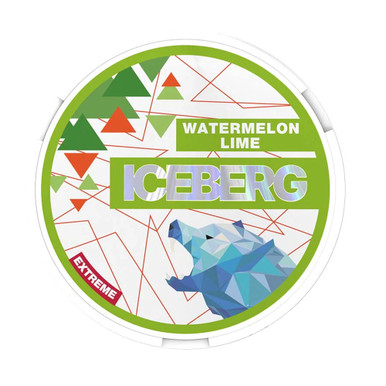
Iceberg · 50mg
Read the full guide
Iceberg Watermelon Lime Nicotine Pouches
£39.90
✔ In stock — ready to ship
100% tobacco-free
Free over £20
Same-day dispatch
Secure checkout
The catalogue entry for this product is short, and rather than dress it up we will give it to you whole. Brand: Iceberg. Product name: Watermelon Lime. Price: £39.90. Declared strength: 50mg, and that is the only variant on the listing. Flavour tags: watermelon and citrus. Images: one. Stock: out, at the time of writing. There is no can count recorded against this listing, no portion count, and no manufacturer's own description. That is the record in full.
Two of those absences matter enough to flag immediately. The first is the can count: our data does not say whether £39.90 buys a single can or a multi-can pack, and because it does not say, neither will we. Several Iceberg listings at exactly this price are recorded as packs of ten and several are recorded with the field empty, so guessing from the price would be pattern-matching rather than reporting. The second is the portion count, which we never publish because it is printed on the can and our estimate would be worth less than the object in your hand.
The full guide to Iceberg Watermelon Lime Nicotine Pouches
5,256 words on how it eats, who it suits, how to serve it and what to put beside it.
Iceberg Watermelon Lime: what the record actually holds
Everything else on this page is either derived from those facts or is clearly marked as general information about how this format behaves. Where we are describing the category rather than this specific can, we will say so in the sentence. This is an 18+ product for adults who already use nicotine, and the compliance section towards the foot of the page states that properly.
A melon with a citrus edge
This is a two-part flavour name and the two parts are doing genuinely different jobs, which is worth pulling apart because we stock a plain watermelon listing and a watermelon-and-mint one as well, and people reasonably want to know what separates them.
What watermelon does on its own
Watermelon as a flavour is defined by what it lacks as much as by what it has. The real fruit is mostly water, mildly sweet, and almost entirely without acidity — there is no bite in it, no citric sharpness, nothing that makes you wince. Its character sits in a faint green note near the rind that is closer to cucumber than to any other fruit, and in a light, slightly perfumed sweetness that fades quickly. In pouch form that translates into something soft, round and pale: sweet without being cloying, wet-tasting in a way that few other fruit flavours manage, and short in the finish. Left on its own it is one of the gentler things on our shelves, and a portion of our twenty-three watermelon listings are exactly that and nothing more.
What the lime adds to it
Lime brings the two things watermelon does not have: acidity and aromatic oil. The acidity is the obvious one — a sharpness on the sides of the tongue that cuts through the melon's roundness and stops the sweetness from sitting flat. The oil is the more interesting part, because a lime's character is mostly in the peel rather than the juice: green, slightly bitter, resinous, with a top note that arrives before the sourness does. Put those against a watermelon base and you get a flavour with a shape to it. The melon gives the body and the sweetness; the lime gives an edge at the front and a drier, faintly bitter finish at the back. The practical consequence is that a watermelon-lime can reads more like a cold drink than like a piece of fruit, which is a different proposition from a plain melon can and a very different one from a melon paired with mint.
Set against the plain melon and the minted one
The distinction is easiest to hold if you think about which sense each partner works on. Lime works on taste: it adds sour and a little bitter, both of which are actual tastes, and it shortens the impression of sweetness without removing it. Mint largely works on sensation: the cooling it produces is felt rather than tasted, and its herbal, slightly medicinal aroma runs alongside the fruit instead of arguing with it. So a melon-and-lime can is sharper and drier than a plain melon can, while a melon-and-mint can is cooler and longer but no sharper at all. If you have only ever had one of the three, the other two are less similar to it than the shared word in the names suggests.
The tag says citrus, the name says lime
Here is a small mismatch in our own data, and we would rather point at it than hope you do not notice. The product is called Watermelon Lime. Our structured flavour field records watermelon and citrus. Citrus is the family, not the fruit — it covers lemon, lime, orange, grapefruit and the various blends of them, and there are twenty-five listings on the citrus shelf that share that tag while tasting nothing like each other. So the tag is broader than the name, and if you are filtering by flavour you will find this listing sitting alongside lemon and orange cans that are not really its relatives. The name on the can is the more precise of the two, and where they disagree in precision, the name is the one to read.
Aroma, as far as the name licences us to describe it
Flavours built on this pairing usually smell of the citrus first. Lime oil is volatile and bright and it reaches the nose before a melon note does, so the impression on opening a can of this construction is generally green and zesty rather than sweet, with the melon arriving underneath as a softer, rounder background. That is the general behaviour of the pairing and not a measurement of this particular can. We have not been given a manufacturer's description of this product and we are not going to write one on their behalf.
One figure on the label: what 50mg is and is not
The milligram figure on a can states the nicotine content of a single portion. That is all it states. It is not a rating, not a grade, not a rank against other products and not an instruction to anybody. We can tell you what the number is and how we file it. We cannot tell you whether it suits you, and we will not pretend otherwise anywhere on this site.
| Variant | Declared strength | Price | Availability |
|---|---|---|---|
| Only variant on this listing | 50mg | £39.90 | Out of stock |
A single-variant listing, and what that simplifies
Unlike several Iceberg pages, this one has no choice to make. There is one strength, one price, one flavour. That removes the commonest source of confusion on a product page — a variant table where the numbers change but the price does not — and it also means the page cannot help you compare 20mg against 50mg within the same flavour, because the 20mg version simply is not part of this listing. If you want that comparison inside the Iceberg range you need a listing that carries both figures, and the Iceberg shelf is where to find one.
Where 50mg lands in our own filing
We sort products into three bands — Medium, Strong and Extra Strong — and those names are our filing language, not a manufacturer's. A 50mg declaration puts this listing on our Extra Strong shelf with ninety-seven other pages. Below it sit the one hundred and thirty-two listings on the Strong shelf, and below those the pages we file under Medium Strength. The bands exist so that browsing is possible at all with several hundred products on the site. They are a convenience of navigation and nothing more, and a band name is not a recommendation for anyone.
Why a number does not transfer cleanly between brands
Two cans declaring the same milligram figure are not necessarily an equivalent experience, and it is more honest to say so than to imply the ladder is a single continuous scale. Declared content per portion is one variable. How a given product is built is another, and it is not something our record describes. So a figure printed on one brand's can and the same figure printed on another's tell you they have declared the same content, which is a real and useful fact, and they do not tell you the two will be interchangeable. Anyone moving between brands on our shelves already knows this from experience; we are putting it in writing because the shelves invite the comparison and the shelves are not able to qualify it.
The last thing to say about the number is the thing we say on every page that carries one. A higher figure is not an improvement, a level reached, a target or a mark of anything. We do not present the range as a ladder to be climbed, we do not describe any figure as suitable for anyone, and we would rather leave a question unanswered than answer it with a recommendation we have no business making.
The format in practice, briefly
If you already use this format you can skip the next two paragraphs; they are here for anyone comparing this listing against a differently shaped product.
A pouch is a small, soft, pre-portioned rectangle. It is placed between the lip and the gum, it stays where it is put, and it is removed whole. It is not chewed, not sucked in any deliberate way and not swallowed. Most people find a preferred position within the first few uses and then stop paying attention to it. How long a portion is kept in varies widely from person to person, and we do not publish a number for it — there is no correct duration and stating one would be advice rather than description.
The can itself is a squat cylinder, about the diameter of a large coin and not much taller than a short stack of them. It is a two-part object and the parts do different jobs: the body holds the portions and the lid both seals the body and provides a second, shallower chamber on its own upper surface. The lid pushes on rather than screwing on, and it is designed to seat flat and level. When it does that, the can is closed. When it is pressed on at a slight angle it looks closed from above and is not, and that is the origin of most complaints about a can going flat sooner than expected. A can of this size disappears into a coat pocket, sits in a jeans pocket with a small bulge, and goes into a shirt pocket only awkwardly. Cans also stack, which is more useful than it sounds once there is more than one in a drawer.
The top of that lid is a shallow sealed compartment for finished portions. That compartment is a holding pen and not a destination: used pouches go into general waste at the next bin, not into a sink, a drain or a plant pot, and not out of a window. Keeping the recess empty also keeps the lid able to close flat, which is the single most important thing you can do for the portions still inside.
Condition: what happens to a can between dispatch and the last portion
This is the part of the page with the most practical value, so it gets the most room. A pouch product is dry goods in a sealed container, and almost everything that goes wrong with one is a handling problem rather than a manufacturing one.
The two things that spoil a can
Moisture leaving and heat arriving. Those are the whole list. Moisture leaves through a lid that is not properly seated, and it leaves faster when the can is warm. Heat arrives from sunlight, radiators, engine bays, airing cupboards and pockets pressed against a body all day. Neither process does anything sudden — you will not open a can and find it ruined — but a can that has spent three weeks warm and half-open is noticeably worse than one that spent the same three weeks cool and properly shut, and the difference shows up in how a portion feels as much as in how it tastes.
The carried can and the spare can are different problems
A can in daily use gets opened twenty or thirty times, sits at body temperature for hours, and is exposed to the air every time the lid comes off. A can waiting in a drawer gets none of that. The two therefore want different treatment. For the carried can, the useful habits are small: the same pocket every day so the lid stops getting knocked askew, the recess emptied when you empty your pockets rather than when it overflows, and a firm press on the lid rather than a casual one. For the spare, the only requirement is somewhere dark, dry and at ordinary room temperature, with the seal unbroken until you actually need it. An opened can kept as a spare is not a spare; it is a can quietly getting drier.
Damp places, which people overlook
Heat gets all the attention and humidity gets none, which is the wrong way round for a lot of homes. A bathroom cabinet is a bad place for a can because the room goes from cold to steamy twice a day and the can goes with it, collecting condensation on the outside and sometimes under the lid. A windowsill above a kitchen sink is the same problem with sunlight added. A kitchen drawer away from the kettle and the hob is fine. A bedside drawer is fine. The test is whether the spot changes temperature sharply during the day, because it is the change rather than the absolute level that drives condensation.
Cold sheds, hot cars and the loft
Cold on its own does surprisingly little harm to a sealed can, but cold storage followed by a warm room produces condensation on the surface of the can, and a can that is opened while that is happening lets damp air in. So a garage or a shed is not a disaster, but bringing a can inside and letting it come up to room temperature before opening it is sensible. Heat is the more damaging direction. A car in summer is the worst environment a can will ever meet, and a loft in July is not far behind. If you are storing more than one can, the single decision that matters is putting them somewhere that does not swing.
Telling whether a can has gone off
There is no date on the outside of a can that tells you how it has been treated, so you are reading the contents instead. A portion that has dried out feels stiffer and more papery between the fingers, sits less comfortably because it has lost its give, and gives a flatter and shorter flavour than the same product from a well-kept can. Condensation under the lid, or portions that have stuck to each other at the edges, points the other way — a can that has been through a damp cycle. Neither is dangerous and neither is our judgement to make for you; they are simply the signs that a can has had a harder life than it needed to.
Taking a can away with you
Travel is where the two spoiling mechanisms meet, so it earns a paragraph of its own. A can in hand luggage is fine and unremarkable; a can in a checked bag spends hours in a hold and then sits on a carousel, and while neither of those will ruin it, the bag that goes straight from a cold hold into a hot boot is the worst sequence of temperatures a can will meet in a normal year. A can in a car door pocket in summer is a slower version of the same mistake. The practical answer is dull: carry it on you or in a bag that stays with you, keep it out of direct sun when you arrive, and let it settle to room temperature before you open it if it has come in from somewhere much colder. It is also worth remembering that rules about where an age-restricted product may be carried or used vary by country, by carrier and by venue, and those rules are for them to state rather than for us to summarise on a product page.
What we cannot tell you about this particular can
We do not know how moist this product is packed, because our record does not say, and moisture level varies a good deal across the category. We do not hold a best-before date for it. We do not know how long a can of it stays in the condition it arrived in, because that depends entirely on where you put it. Everything in this section is how the format behaves in general, which is genuinely useful and is not the same as a specification for this listing, and we would rather draw that line clearly than blur it to make the page sound more authoritative.
Where a watermelon-lime can sits in the Iceberg range
Iceberg carries forty listings on our shelves, and the range is broad rather than specialised — mints, single fruits, fruit pairings and a run of confectionery-styled names all appear under the same brand. A melon-and-citrus pairing sits on the fruit side of that, and in the part of it that is aiming at a drink-like flavour rather than a fresh-fruit one.
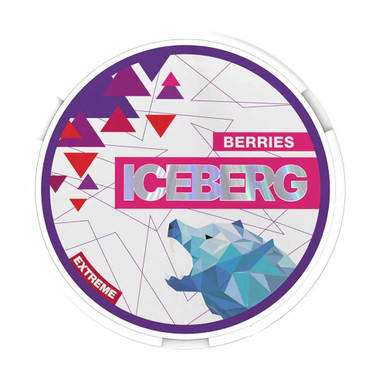
The related cans attached to this record are all £39.90, the same as this listing, which makes the range unusually easy to compare: the flavour is the only thing that moves. One caveat belongs in front of the links rather than behind them — every Iceberg can we list is out of stock at the time of writing, so the six named here are pages to read rather than baskets to fill, and the live line on each listing is the one that counts. Iceberg Apple Lemon Pineapple is the nearest neighbour in intent, since it is another listing built on fruit plus citrus, though it stacks three fruits rather than two and lands somewhere far more tropical. Iceberg Berries moves to the red and dark fruit side entirely, and Iceberg Black Currant is the sharpest fruit in the group — if what you like about this can is the acidity the lime supplies, a blackcurrant gets there through the fruit itself rather than through a partner.
Away from fruit, Iceberg Black Mint and Iceberg Black are the range's darker, non-fruit cans, and Iceberg Arasaka carries a name that describes nothing at all about its contents, so we are not going to pretend to know what is in it. Those three are £39.90 like the rest, and like the three above them they are unavailable at present. Iceberg's own shelf is the route to the remainder of the forty, and they are in the same position, so anyone who wants a can in hand this week is better served by one of the other brands named further down this page.
Cans people keep alongside this one
Very few people run a single flavour. Two or three cans in rotation is the ordinary pattern, and the reason is simple enough: any flavour becomes less noticeable the more continuously you use it, and having something unlike it to hand resets the impression.
Other melons on the shelf
Cuba Black Watermelon at £39.90 is the closest straight comparison — the same fruit with no citrus attached, so it isolates exactly what the lime is contributing here. Denssi Watermelon Freeze is the same money again and takes the melon in the cold direction instead of the sharp one, which is the other main way of giving a soft fruit some definition. Nordic Spirit Melon Fresh at £4.49 is by far the cheapest way to have a melon can in the drawer, and 77 Melon Mint pairs the fruit with mint, which is the comparison the tasting section above described in the abstract.
The citrus side of the pairing
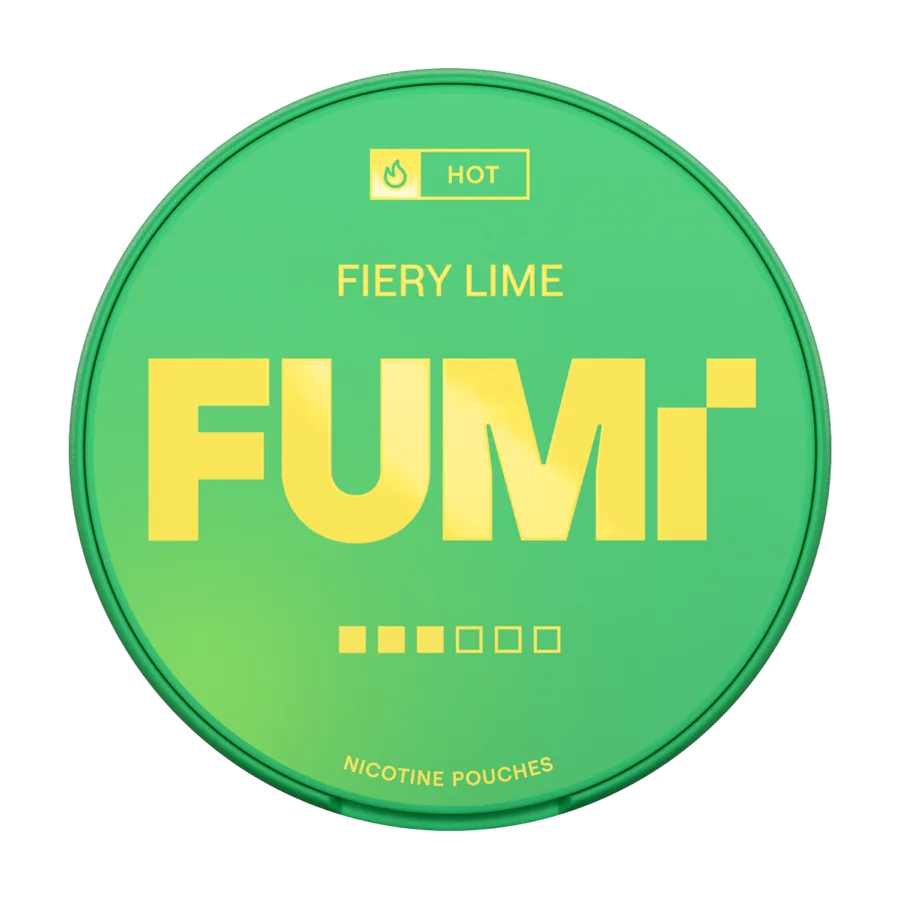
If it is the lime you came for rather than the melon, Fumi Fiery Lime at £27.90 puts the fruit front and centre with nothing soft underneath it. Clew Citrus at £39.90 goes broader, working the family rather than a single fruit, and Killa Exclusive Lemonade at £33.50 takes citrus in the sweetened-drink direction, which is arguably where a melon-and-lime can is pointing anyway. Pablo's watermelon and lemon can at £3.85 is the same structural idea as this listing with a different citrus fruit, and it is cheap enough to be an easy way of testing whether the combination is one you like at all.
Something deliberately unlike it
For contrast rather than continuity, Maggie Original Jamaican Cherry Tonic Wine at £39.90 is about as far from a light melon flavour as our fruit shelves go — dark, sweet and built on a drink idea rather than a fruit one. Iceberg Guava Lime at £39.90 is a contrast of a subtler kind: the same brand, the same money and the same citrus partner, but a thick, musky, tropical fruit underneath it instead of a watery one. Setting that beside this listing isolates the melon precisely, because the lime is held constant and only the base changes — on paper, at least, since that can is out of stock too and cannot currently be bought for the comparison. Keeping one of those beside a melon can gives you somewhere to go when the melon has stopped registering, and of the two only the Maggie listing can actually be ordered today.
Price, pack size and the figure we do not have
£39.90 is what the listing costs. What we cannot tell you is how many cans that buys, because the field is empty in our record. On listings where we do hold a can count we print it and do the arithmetic for you; here we hold nothing, so we are not going to imply a ten-can pack merely because other products at this price are packs of ten. If the quantity is the deciding factor for you, the listings above that do state their pack terms are the safer comparison, and the whole catalogue can be scanned for price points that are clearly single cans — anything at four or five pounds is one can rather than a box.
This listing is not currently orderable
The single 50mg variant is marked out of stock. There is no restock date in our record and we will not invent one; availability in this category follows a supplier's schedule rather than ours, and a guessed date on a web page is worse than an honest blank. The page is still worth reading as a comparison — the flavour discussion applies whether or not the can is in the warehouse, and every alternative linked above is a separate listing with its own stock position.
Checkout, delivery and proving your age
When a listing here is orderable the process is unremarkable: basket, checkout, dispatch as a small parcel. Pouch cans are light and robust and need no special handling in transit.
The age check is the part that is deliberately not unremarkable. This is an 18+ product and we sell it only to adults who already use nicotine. You will be asked to confirm your age when you order, and identification may be requested by the courier at the door. A courier is entitled to refuse to hand over an age-restricted parcel to anybody who cannot show they are old enough, and an age-restricted parcel is not one that gets left in a porch or with a neighbour. It is worth thinking about the delivery address before you choose it rather than after.
Ways on from here
If this is not the can, there are three obvious directions. By flavour: the watermelon shelf holds the melons and the twenty-five cans tagged citrus hold the sharper end, and this listing sits on both. By brand: the Pablo shelf and the Cuba shelf are the two largest fruit-heavy ranges we carry and both supplied comparisons above. By declared figure: the Extra Strong band collects the pages filed at the top of our own scale. And if none of those is the axis you care about, everything we stock is the flat list.
Questions that come up about this can
How many cans do I get for £39.90?
We do not know, and we would rather say that than guess. The can-count field on this record is empty. Some Iceberg listings at this price are recorded as ten-can packs and others have the field blank, so inferring from the price would be guesswork presented as fact. If the quantity is what decides your purchase, pick a listing that states it — several of the alternatives linked on this page do.
Is this the same as your plain watermelon can with lime added?
Not in the way that phrasing suggests. A flavour is formulated as a whole rather than assembled from parts, so a watermelon-lime product is not a watermelon product with something poured on it. The practical difference is that the citrus gives the melon an acidic front edge and a drier finish, which changes the shape of the whole thing rather than adding a layer to it. If you want to hear the difference for yourself, a plain melon can and this one side by side is the honest test.
Why does the flavour tag say citrus rather than lime?
Because our tagging works at the family level for citrus fruits. Lemon, lime, orange and grapefruit all land on the same shelf, which is useful for browsing and imprecise for describing. The name on the product is the more specific of the two and it says lime. Where our tag and the product name differ in precision, read the name.
Does it come in 20mg?
Not on this listing. The only variant recorded here is 50mg. Other Iceberg pages do carry two figures, so if you want that flavour family at a lower declared figure the brand shelf is the place to look. We cannot advise which figure to pick, and a lower one is not a lesser version of anything any more than a higher one is a better version.
How many pouches are in a can?
Our record does not state it and we do not estimate portion counts. The figure is normally printed on the can, which makes the object itself the authority. Portion counts do differ between brands and between formats, so a number borrowed from another product would be actively misleading here.
When will it come back into stock?
We do not hold a restock date. Supply for this brand is outside our control, and a date invented for a page would be a guess with a confident font. If the flavour is what you are after, the melon and citrus listings linked above are separate products with their own availability. If it is specifically Iceberg you want, we should be straight about it: nothing under that name is orderable at the moment, the whole forty-listing range is out of stock, and the brand shelf will show you that for yourself rather than hold out a can that is not there.
Does the lime make it sour?
It adds acidity, which is the technical version of sour, but the amount is a formulation choice we have no figure for. What can be said generally is that citrus in this kind of pairing is usually there to give a soft fruit some definition rather than to dominate it, so the expectation of a mouth-puckering sourness is probably the wrong one. Beyond that we would be inventing, and a description of a taste we have no record of is not worth reading.
Is it a cold flavour?
The name gives no indication that it is, and we are not going to imply one. Cooling in this category comes from a mint or a freeze element and it is usually announced in the product name when it is present. This name announces two fruits. If cooling is the quality you want alongside a melon, the freeze and mint listings in the comparison section are the ones built for it.
Can I keep the can in the fridge to keep it fresh?
There is no need and we would not suggest it. A sealed can is perfectly stable at ordinary room temperature. Fridges are humid and taking a cold can into a warm room puts condensation on it, which is the exact problem good storage is meant to avoid. A dark drawer away from heat is the whole requirement.
Where is this product made?
We do not hold that information and we will not repeat a guess. Our record contains the brand, the name, the price, the declared strength, the flavour tags and the stock position, and nothing about manufacture or origin. If a country of origin matters to you, the printed can is the place that information appears.
Is the lid recess big enough to last a day?
It holds a handful rather than a day's worth, and that is true of the format generally rather than of this brand specifically. The design intent is a temporary holding place between one bin and the next, not a container you empty at the end of the week. Letting it fill past the point where the lid can close flat is the commonest way people dry out the portions underneath, so the habit worth building is emptying it whenever you next pass a bin.
Why is there only one image on the listing?
Because one is what the record holds. Some listings on the site carry several images and this one carries a single image of the can. That is a gap in our product data rather than a statement about the product, and we would rather tell you the count than leave you wondering whether more views exist somewhere. What an image cannot show you in any case is portion size, moisture level or how the lid seats, which are the things people usually want a second photograph for.
Do you show ratings or customer opinions on this page?
No. We do not publish reviews, scores or star ratings, and we do not quote opinions we cannot source. This page is the catalogue record plus an explanation of the format built around it. A cheap single can from the same flavour family is a more reliable way to form a view than an aggregate number would be.
Compliance, plainly stated
This is an age-restricted product. It is sold only to adults aged 18 or over, and only to adults who already use nicotine. We ask you to confirm your age at checkout, and identification may be requested on delivery; a courier will not hand an age-restricted parcel to anyone who cannot show they are old enough, and will not leave one unattended.
Nicotine is an addictive substance. We state that without qualification and without comparison to anything else.
This product is not a licensed stop-smoking medicine and it is not intended for non-smokers, for anyone who does not already use nicotine, for under-18s, or for anyone who is pregnant or breastfeeding. We make no health, medical or safety claim about it in any direction, and we give no advice on strength, amount or frequency for any individual. Questions of that sort belong with a suitably qualified professional rather than with a shop.
Keep cans out of the reach of children and animals. The recess in the lid is for holding used portions until you reach a bin; empty it into general waste and do not treat it as storage.
In summary
Iceberg Watermelon Lime is a £39.90 listing at a single declared strength of 50mg, tagged watermelon and citrus, with one image, no recorded can count and no current stock. The flavour name describes a soft, low-acid melon given an edge by lime, which changes the shape of the thing rather than simply sweetening or sharpening it — and it is a different proposition from both a plain melon can and a melon-and-mint one. The strength figure is label information. The can count is missing and we have said so rather than filled it in. The storage section is the part most likely to save you something in practice, and every comparison on the page links to a listing you can check for yourself.
More from Iceberg


More extra strong pouches
More citrus pouches
Where this sits
Iceberg Watermelon Lime Nicotine Pouches appears in these categories. Browse them, or jump to something close.
You might also like