Fumi · 4mg–15mg · 10-can pack
Read the full guide
Fumi Freezy Mint Nicotine Pouches
£27.90
✔ In stock — ready to ship
100% tobacco-free
Free over £20
Same-day dispatch
Secure checkout
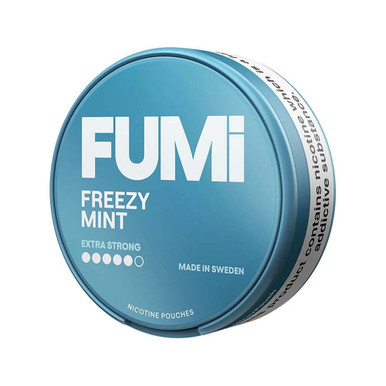
Fumi Freezy Mint Nicotine Pouches is sold as a box of ten cans at £27.90, in three declared figures — 4mg, 11mg and 15mg — all three at that same price. The flavour is tagged mint in our catalogue. Stock showed as available when this page was written, and one photograph sits against the listing. That is the whole record we hold, and nothing below goes beyond it except where it is openly a comparison with something else we stock or a sum we have worked out ourselves.
Ten cans for £27.90 is £2.79 a can. The charge is £27.90; the division is ours, offered so the box can be weighed against the single-can listings that make up much of the catalogue.
The full guide to Fumi Freezy Mint Nicotine Pouches
4,961 words on how it eats, who it suits, how to serve it and what to put beside it.
Fumi Freezy Mint: the listing in plain figures
This is an adult product containing nicotine, sold only to people aged 18 or over who already use nicotine. The complete statement of that has its own section towards the end.
Three figures, one price
| Declared figure | Box of ten | Per can |
|---|---|---|
| 4mg | £27.90 | £2.79 |
| 11mg | £27.90 | £2.79 |
| 15mg | £27.90 | £2.79 |
Three steps is more than most rows on this brand shelf carry, and the middle figure is an odd one. An 11mg sits between the round numbers you see everywhere else and is not a rounding of anything — it is simply the number the manufacturer prints. We mention it only because people occasionally assume an unusual figure implies unusual precision, and it does not. All three are printed labels and should be read as such.
The can itself, briefly
The physical format is shared by nearly everything on the site, so this section is short and the detail is common rather than particular.
The tin is shallow and round, the lid lifts clear and presses back, and the upper part of that lid is a separate recess intended to hold used pouches when a bin is not to hand. That recess is not sealed the way the body below it is, so it is a temporary parking space rather than storage, and tipping it out at the end of the day is what stops it becoming noticeable. We do not publish a capacity for it, because the answer would depend on how damp the pouches going in were and we would be guessing.
Used pouches belong in general waste. The tins are plastic and go wherever your council directs plastic of that kind — that differs by authority and is not something this page can settle for your address.
Two things we do not hold on this row: a portion-size classification and a per-can pouch count. Both are printed on the packaging, and we would rather point you at the label than publish a figure we cannot verify. On duration, the pattern reported across this category runs from about a quarter of an hour to about an hour, with most people settling somewhere in between, and flavour generally fading before anyone takes a pouch out. That is a description of what people do, offered as information. How long anybody keeps a pouch in is not a matter for a retailer to advise on and we are not going to.
What the flavour name covers
Freezy is a cold signal and Mint is the flavour family, and our single catalogue tag confirms the second without subdividing it. We do not hold a note of whether this is a peppermint or a spearmint reading, and since those two are genuinely different in the mouth and people often have a firm preference, we are not going to assign one on the strength of a name.
What a can built this way generally presents is cold arriving early and outlasting everything else, with the mint acting as the carrier for it rather than as the headline. That is the reverse of a fruit can with a cold finish, where the fruit leads. The aroma on opening is sharper and less sweet than a fruit can's and carries less far across a room, which is worth knowing if the conspicuousness of opening a tin matters to you.
Beyond that we are not going to elaborate, because elaborating would mean inventing. A cold mint is the least ornamented thing in this category and the honest description of it is correspondingly short.
It is worth saying that the shortness is not a criticism. Plainness is a legitimate thing to want from a can and the reason this flavour family runs to a hundred and forty-eight listings on our shelves while the citrus one runs to twenty-five. A flavour with fewer moving parts is a flavour with less to tire of, which is the whole argument for a cold mint as a default and the whole argument against it as an occasion. Product copy that tries to make it sound complicated is usually describing an ambition rather than a can.
What people run alongside a cold mint
This is the section worth the most space on this particular page, because a cold mint is the flavour people are most likely to treat as a default rather than as an occasion — and a default is exactly the thing that needs a partner. Ten cans of one plain flavour is a lot of the same thing in a row, and the standard arrangement among people who use a mint regularly is to keep at least one other can going. What follows is a map of the sensible directions, each with a reason drawn from our own listings. None of it is a suggestion to consume more; it is about variety within whatever you already do.
The nearest pairing: a fruit at the same price and structure
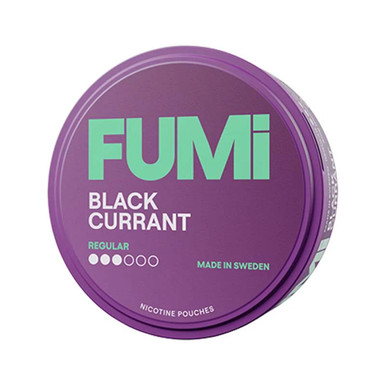
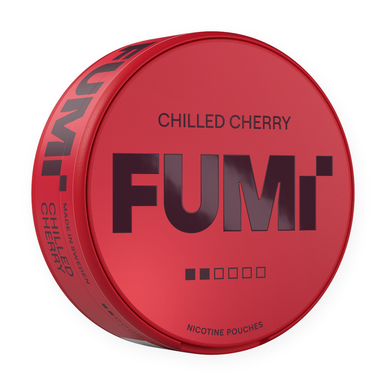
The least disruptive companion is another row from the same brand, because the price, the box structure and the handling all stay identical and only the flavour changes. Fumi Blackcurrant at £27.90 is the deepest and least acidic option in that range, which puts it about as far from a cold mint as the brand goes. Fumi Chilled Cherry, also £27.90, keeps a cold element in the name while changing the fruit, so it is a half-step rather than a full one.
The sharp pairing: something with an edge instead of a chill
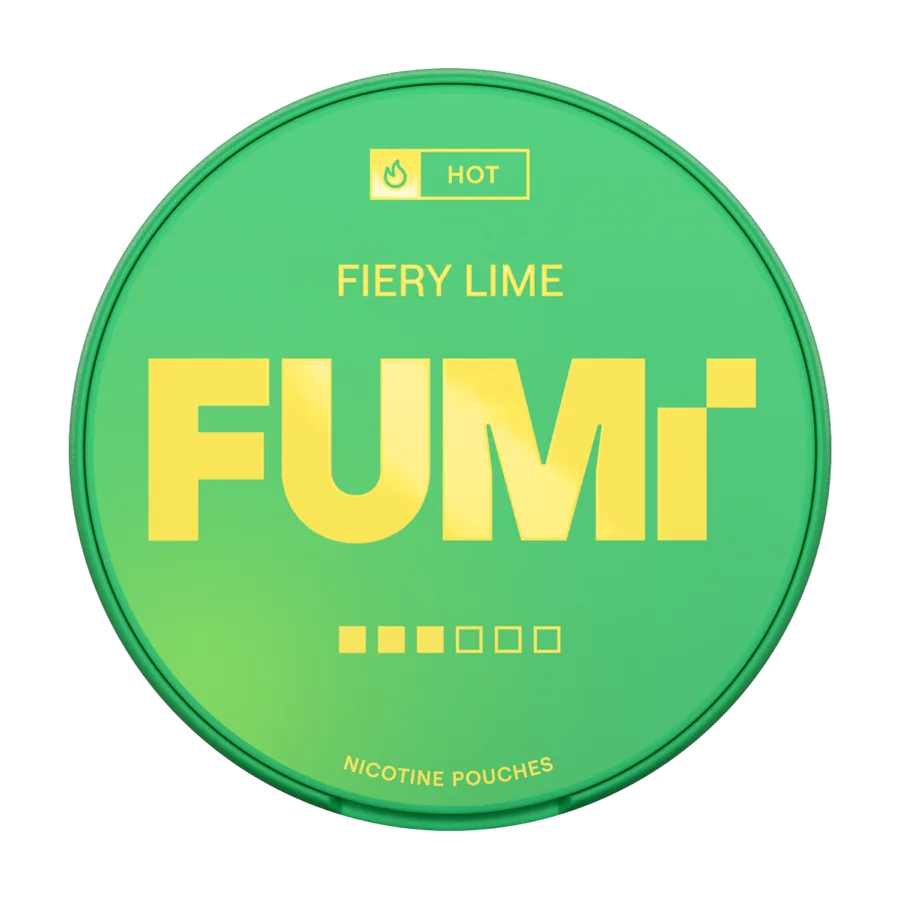
If the thing you want from a second can is contrast rather than sweetness, citrus is the direction. Fumi Fiery Lime at £27.90 sits at the sharp, dry end of the range and works in a completely different way from a cold mint — brightness instead of coldness, with a bitter edge on the finish that mint does not have. It is the most genuinely different thing you can put next to this box without changing brand or price.
The heavier pairing: soft, sweet and warm-toned
Fumi Fiery Mango at the same £27.90 is the honeyed, low-acid option, and it is the pairing people reach for when a cold mint has started to feel thin rather than when it has started to feel repetitive. Those are different complaints and they want different answers.
The two-mint pairing, which people rarely try
An arrangement worth mentioning because it is so often overlooked: running two different mints rather than a mint and a fruit. Mint covers a wide territory, from rounded and sweet to dry and severe, and two cans from different makers can be less alike than a mint and a berry from the same one. Fumi Fiery Mint keeps it inside the brand at £27.90. Klint Avalanche Mint at £36.90 and Clew Cool Mint at £39.90 come at the same family from outside it. If you have concluded that you simply like mint, this is a more interesting shelf to explore than the fruit ones.
The cheap spare
Most people who run a rotation end up with one inexpensive can that lives in a coat or a car and gets used only when the main one is elsewhere. Nordic Spirit Max Frosty Mint at £4.49 and Edge Mint at £14.95 are the two least expensive cold cans in this comparison, and both do that job without much thought.
The occasional change of scene
Further afield, and useful when a rotation has gone stale rather than when a single can has, Pablo Gold Edition Blueberry Peach Ice at £19.95 and 77 VB Edition Mini Arctic Berry at £39.90 are both fruit-and-cold arrangements from makers with quite different house styles. Killa Banana Ice at £33.50 is the least conventional fruit reading of the group. Cuba Ninja Ice Cool and Denssi Cold Mint, both £39.90, are the expensive end of the plain-cold idea if you want to know whether paying more changes anything.
Pairing by contrast against pairing by degree
There are two coherent ways to build a rotation and they produce quite different results, so it is worth knowing which one you are doing. Pairing by contrast means putting something structurally opposite next to your default — a sweet, low-acid fruit against a plain cold mint, for example. The change is obvious every time you switch, which is the point, and the risk is that one of the two ends up as the one you always reach for and the other sits unopened.
Pairing by degree means putting something adjacent next to it — another mint, or a fruit that still carries a cold element. The change is subtler, neither can dominates, and both tend to get used. The risk here is the opposite one: that two cans which are too similar do not relieve the monotony they were bought to relieve.
Which approach suits a person is a matter of temperament rather than of anything we can look up, and we are not going to pretend otherwise. What we can say is that the brand shelf supports both — the blackcurrant and lime rows are contrast pairings and the cherry and mint rows are degree pairings — and that all four cost exactly what this box costs, so the experiment is free apart from the flavour.
A note on how many is sensible
Two or three cans in rotation is what most people who do this at all seem to settle on, and beyond that the cans start going stale before they are finished, which is a practical problem rather than a moral one. We are not going to suggest a number and we are certainly not going to suggest buying more than you want. The reason for setting the pairings out at all is that people ask what goes with what, and a shop that stocks a hundred and forty-eight mint listings ought to be able to answer that sensibly.
Reading 4mg, 11mg and 15mg
A milligram figure on a can is a quantity declared per pouch by the manufacturer and printed on the packaging. That is all it is. This page treats it as information and attaches nothing to it.
Points worth holding on to. The figure is per pouch, so comparisons between listings also depend on pack structure — this one is ten cans and many rows do not state a structure at all. Manufacturers measure and declare according to their own conventions, so an identical number from two makers is a rough equivalence and not an exact one. And the figure has no bearing on flavour: all three versions of this row carry the same cold mint build, and the expectation that a higher number will taste colder or stronger is common and wrong.
On our sorting, this row sits on the Strong shelf, which holds a hundred and thirty-two listings. The Medium Strength shelf runs to a hundred and thirty-five and the Extra Strong shelf takes the upper end. The 4mg option here sits well below what the shelf name suggests, because shelving follows the row as a whole rather than each figure in it. A three-step ladder always looks slightly odd in a three-way sort, and we would rather explain that than have you assume a mistake.
Which of the three is right for any individual is not a question we can answer or are permitted to answer, and we are not going to imply an answer by describing one as a sensible place to begin.
Where this row sits on the Fumi shelf
The Fumi range runs to sixteen listings and is priced flat: £27.90 for ten cans throughout. The practical effect is that moving between rows within this brand is purely a flavour decision, because nothing else about the transaction changes.
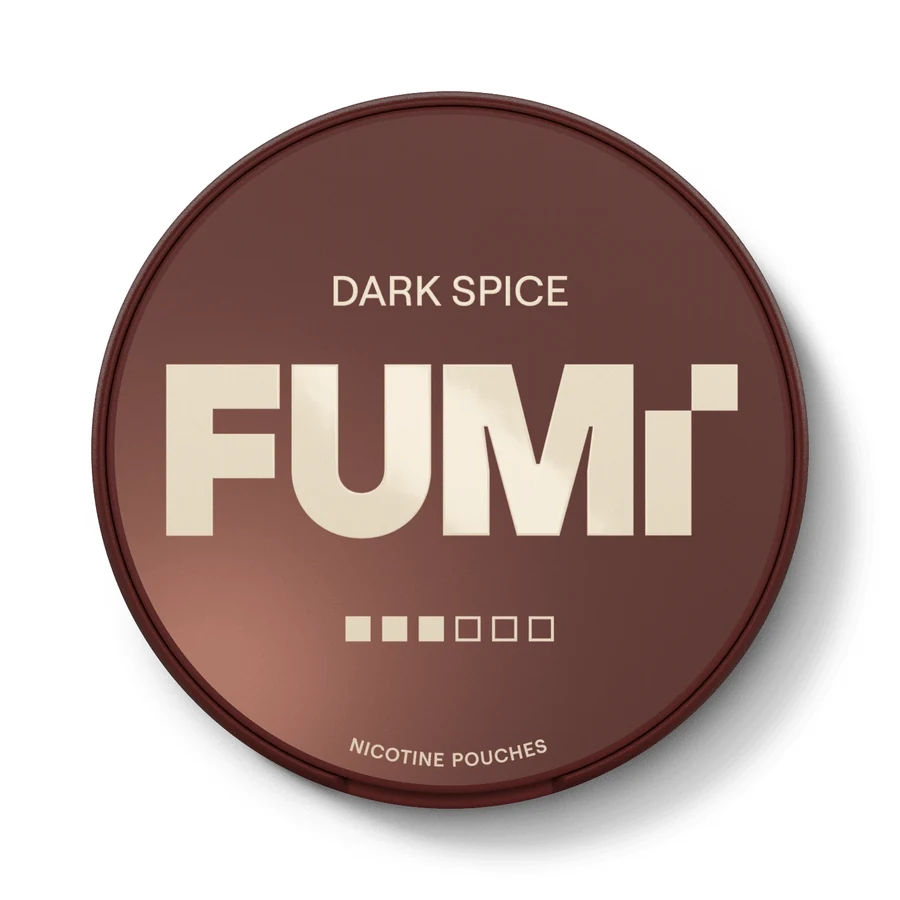
What does change between rows is the ladder. This one carries three figures; several others carry two, and the pairs on offer differ. Fumi Dark Spice, for instance, runs 4mg and 8mg, and its own page carries a warning worth reading before you order it — the name and our flavour tag disagree and we cannot reconcile them. The lime row runs 8mg and 15mg. So anyone assuming that the whole shelf offers the same numbers will occasionally find the flavour they wanted is not sold at the figure they were using. Checking the figures listed against each row before ordering takes a moment.
Within the range's flavour map, this row holds the plain cold position alongside the brand's other mint entry, with the fruit rows occupying everything else. Of the sixteen, this is one of the few that is not trying to be interesting, and that is arguably its function: it is the row that works as a baseline against which the others read as variations.
How a box of ten actually gets bought and re-bought
Buying in tens rather than ones changes the rhythm of the whole thing, and it is worth being specific about how, because the arithmetic is the easy part and the logistics are where people come unstuck.
One can against a box
A single can is a low-commitment purchase: if the flavour is wrong you have lost a small amount of money and an evening's mild disappointment. A box of ten is a commitment to a flavour, a portion size and a brand all at once, and the reward for that commitment is the per-can figure — £2.79 here against headline prices elsewhere on this page running from £4.49 to £39.90.
The honest way to frame that trade is not as a saving but as a bet. If the can suits you, the box is better value than buying ten singles would be. If it does not, the box is worse value than one single would have been. This is why the sensible order of operations, for anyone who has not used a particular brand's format before, is to establish that the format suits them on something cheap and only then commit to a box. We say that on every multi-can row we write, and it is the single most useful piece of buying advice in this category that does not touch on anything we are not allowed to discuss.
How people reorder in practice
Three patterns cover most of it. Some people reorder when the box is empty, which is simple and results in a gap of however long delivery takes. Some reorder at a fixed point — commonly when two or three cans remain — which removes the gap at the cost of slightly more attention. And some reorder on a calendar rather than on stock level, which works for people whose use is steady and fails for people whose use is not.
None of those is better than the others and we are not going to recommend one. What we will say is that the second is the one most people drift towards after being caught out once, and that the reason it works is that it turns an urgent errand into a routine one.
The spare can, and why it is usually a different flavour
People who keep a spare rarely keep a spare of the same thing. The spare tends to be a cheap single from another maker that lives somewhere permanent — a car door, a desk drawer, a coat that does not get worn often — and its job is to cover the gap rather than to be enjoyed. The £4.49 Nordic Spirit can is the least expensive thing in this comparison and is the obvious candidate for that role. Elf Bar Cool Storm at £29.90 is a considerably more expensive answer to the same question and is worth mentioning only because it sits in the same cold territory from a different maker.
Why a box changes the timing rather than the total
One thing people expect of a multi-can purchase and do not get is a change in how often they think about the subject. A box does not reduce the number of decisions; it moves them. Instead of a small decision at short intervals you get a larger one at longer intervals, and the larger one carries more weight because getting it wrong means ten cans of something rather than one.
That has a practical consequence worth naming. People who switch from single cans to boxes often report that they become less adventurous about flavour, simply because the cost of a mistake has gone up. Running a box of a plain, reliable can alongside occasional single cans of more interesting ones is the arrangement that solves this, and it is one of the reasons a cold mint in particular tends to be bought in bulk while the unusual flavours get bought one at a time. This row is well suited to that role precisely because it is not trying to be remarkable.
Delivery timing and the gap
Whatever pattern you use, there is a period between placing an order and receiving it, and we are not going to print a figure for it on a product page because courier performance changes and a stale number is worse than none. The delivery section of the site carries the current position. What is worth planning around is that the gap exists at all — the people who find reordering stressful are almost always the ones ordering at zero, and the ones who do not are ordering at two or three cans remaining. That is a scheduling observation rather than a suggestion about quantity.
What the box does not come with
Our record does not state a pouch count per can, a portion classification, a date or a box dimension. It states ten cans and £27.90 and three declared figures, and everything else is on the packaging. For a ten-can purchase these are reasonable things to want settled in advance, so if any of them matters, ask us and we will read a label rather than estimate one in public.
A word against over-ordering
The per-can arithmetic makes two boxes look better than one and four look better than two, and that logic has an obvious end point that is not in anybody's interest. Cans stored for months in a warm cupboard do not read the way they did when they arrived, so past a certain quantity the saving is notional. More to the point, we are not in the business of encouraging anyone to buy more of this than they want, and a page that leaned on the per-can figure to push volume would be doing exactly that. Buy the quantity you will use in reasonable time.
Choosing between the three figures
The price is identical at 4mg, 11mg and 15mg, and the flavour is identical too, so neither of the usual tiebreakers is available. The decision rests on the number alone.
What we can state: the figures are declared per pouch; all three are the same box at the same price with the same flavour; the physical cans do not differ; and comparing any of them against a number from a different manufacturer is rougher than the arithmetic implies. What we will not state, however the question is put: which figure suits you, which is appropriate for any person or circumstance, or which is a reasonable place to start. Those are not retail judgements and we are not going to dress one up as information. Anything touching your own circumstances belongs with a healthcare professional rather than with a shop.
On pack size there is no choice. Ten cans is the only structure our catalogue holds for this row, as it is across the brand shelf.
Keeping the box in good order
The last can out of a box is opened a long time after the first, which is the whole reason storage deserves a paragraph on a multi-can row and barely deserves one on a single.
Cool, dry, dark and stable. A drawer or a cupboard away from any heat source does it. The two conditions that genuinely degrade a can are sustained warmth and repeated swings between warm and cold, which is why a car in summer and a sunlit shelf are the two worst places people habitually choose. Keep the nine unopened cans somewhere settled and carry only the one in use — the working can takes the abuse and the stored ones do not.
Close the lid properly every time. It is a friction fit, not a seal, and a can left ajar in a bag loses its edge over days. If the tenth can reads flatter than the first, look at where the box has been living before concluding anything about the batch. Dating is on the packaging; we hold no shelf-life information and are not going to invent a figure. And a box of ten is ten times the reason to keep the lot out of reach of anyone under 18.
Ordering, delivery and age verification
£27.90 buys the box at any of the three figures, so the basket total does not move with your choice. Stock showed as available when this page was generated; the listing carries the live position and will show a change before checkout does.
Age verification applies and is not a formality. This is an 18+ product, sold only to adults who already use nicotine, checks run at the point of purchase, and ID may be requested on delivery. Whoever accepts the parcel should have it ready, and a courier who is not satisfied is entitled to take the order away again.
Orders go out in ordinary parcel packaging. Courier timings change too often to print on a product page and live in their own part of the site where they can be kept current. Anything that arrives damaged, short or not as listed should come back to us with the order reference.
Getting around from here
The mint shelf is the largest single flavour collection we hold at a hundred and forty-eight listings, and it is the natural next stop from this page. The sixteen Fumi rows all share this box structure and price. The strong band holds a hundred and thirty-two rows across every flavour family.
Two brand shelves referenced in the pairings above are worth knowing separately: the Pablo listings and the Cuba listings. And the full catalogue sits on one page if filtering is not how you prefer to browse.
Common questions
Is 11mg a typo?
No. It is the figure the manufacturer declares on that version of the row and we record what is offered rather than tidying it. Awkward numbers turn up across this category more often than people expect, and an unusual figure is not evidence of greater precision any more than a round one is evidence of less. All three numbers on this row are printed labels and should be read that way.
Can I mix flavours inside one box?
No — a box is ten cans of one flavour at one declared figure. If you want variety in a single order, ordering more than one row achieves it, and because every listing on this brand shelf shares the £27.90 price and the ten-can structure, the arithmetic stays simple. Plenty of people do exactly that rather than committing ten cans to something they have not tried.
Peppermint or spearmint?
Our record says only "mint" and we are not going to narrow it on the strength of a product name. The two are genuinely different and many people have a settled preference between them, which is precisely why guessing would be unhelpful. The packaging is more specific than our shelf is, and we are happy to read it for you if you ask before ordering.
How much cheaper is the box than buying singles?
Per can it is £2.79, which is below the headline price of every single-can listing referenced on this page. But that is a comparison of this box against other products, not against single cans of this same row, because this row is not sold as a single. We cannot give you a like-for-like saving figure because the alternative it would be measured against does not exist in our catalogue.
Do all ten cans come from the same batch?
Usually, though we do not track batch numbers and will not promise it for any particular order. Cans boxed together generally come from one run. Where people notice a difference it is more often between orders than within a box, and a can that reads flat late in a box is more likely a storage story than a manufacturing one — particularly if the box has been open for a couple of months.
What is the best mint you sell?
We are not going to answer that, and not out of coyness. Ranking a hundred and forty-eight listings on taste would mean substituting our preference for yours, and the price spread on the cold cans linked above — from £4.49 to £39.90 — does not track any quality ordering we could defend. What we will do is describe what each one is and what it costs, which is what the comparisons on this page are for.
Does the cold fade faster than the mint?
We do not hold measurements and are not going to manufacture any. What people generally report across cold cans is that the most emphatic part of the cold reading is early and that what remains later is flatter, which is a description of a pattern rather than a specification for this row. Storage affects it — a can kept warm reads duller from the start — and that is the one variable actually in your hands.
Is there a smaller pack for trying it?
Not on this row and not anywhere on this brand shelf, where ten cans at £27.90 is the only structure we hold. If you want to sample the cold mint territory before committing to a box, the single-can listings from other makers linked throughout this page start at £4.49, and that is a far cheaper way to find out whether the flavour family and the portion size suit you.
Why is a 4mg option on the Strong shelf?
Because the shelving follows the row and this row reaches 15mg. It is a consequence of sorting three-step ladders into three bands rather than an error in the listing. When browsing by strength, read the declared figures on each row as well as the shelf it sits on and the oddity explains itself immediately.
If I order two boxes, do I get a better per-can price?
Our catalogue holds one price for this row — £27.90 for ten — and records no structure that changes with quantity. Any basket-level offers running at a given time are applied at checkout rather than stored against the product, so the listing is the wrong place to look for them and this page is the wrong place to promise them. The arithmetic we can stand behind is the one on a single box: £2.79 a can, fixed.
Is the box the same price at all three figures because they are the same product?
They are the same product in every respect except the number printed on the packaging — same flavour, same box of ten, same tin, same £27.90. Why a manufacturer prices a range flat rather than by figure is not something we have any insight into, and we are not going to speculate about it. What matters from a buyer's point of view is the consequence: the choice between the three carries no financial weight at all, which is unusual enough across the wider catalogue to be worth stating plainly.
Will you tell me which figure to buy?
No. Everything factual about the three figures is above: what they are, that they are declared per pouch, that the price and flavour do not change between them. Which one belongs in a particular person's basket is not something a retailer is in a position to judge, and it is not something we are permitted to advise on. If the question is really about your own circumstances, a healthcare professional is who to ask.
The legal section, in full
This product is for adults aged 18 or over who already use nicotine. We do not sell it to anyone under 18. Age checks apply at the point of purchase and ID may be requested on delivery.
Nicotine is an addictive substance. That applies at all three declared figures on this row — 4mg, 11mg and 15mg — and to every nicotine product listed on this site.
This product is not a licensed stop-smoking medicine and is not licensed as a medicine of any kind. It is not intended for non-smokers, for anyone who does not already use nicotine, for anyone under 18, or for anyone who is pregnant or breastfeeding. We make no health claim about it in any direction, and nothing written on this page is medical advice. Any question that touches your own circumstances is one for a healthcare professional and not for a shop.
To close
Fumi Freezy Mint is a ten-can box at £27.90, £2.79 a can, in 4mg, 11mg and 15mg at one flat price, carrying a plain cold mint with no fruit attached. It is the baseline row on a sixteen-listing brand shelf, which is both its limitation and its purpose, and it is the kind of can people pair with something else rather than run alone. The cold field on our shelves runs from £4.49 to £39.90, the same-brand pairings all cost exactly what this box costs, and the three-step ladder is wider than most rows in the range offer. Everything above is either in our catalogue or is an admission that it is not.
More from Fumi
More strong pouches

More mint pouches
Where this sits
Fumi Freezy Mint Nicotine Pouches appears in these categories. Browse them, or jump to something close.
You might also like