
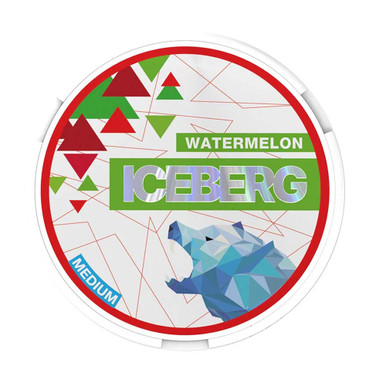
Iceberg · 20mg
Read the full guide
Iceberg Watermelon Nicotine Pouches
£39.90
✔ In stock — ready to ship
100% tobacco-free
Free over £20
Same-day dispatch
Secure checkout
Most listings in this part of the catalogue carry two or three flavour words. This one carries a single fruit, and there is something clarifying about that. The record says: brand Iceberg, product name Watermelon, price £39.90, declared strength 20mg and no second variant, flavour tag watermelon and nothing else, one image, out of stock at the time of writing. The can-count field is empty, so we do not know whether £39.90 buys a single can or a pack of several, and we are not going to infer a number the record does not contain.
A one-word flavour name is unusual enough to be worth a comment. It means the product is not hedging: there is no cooling partner named, no citrus to give it an edge, no confectionery treatment declared in the title. What that leaves is a fruit that is, on its own, one of the gentlest things in the category — which makes this listing an interesting one to build a rotation around rather than an obvious headline purchase, and that is the main subject of this page.
The full guide to Iceberg Watermelon Nicotine Pouches
4,992 words on how it eats, who it suits, how to serve it and what to put beside it.
Iceberg Watermelon: the plainest name on the shelf
This is an adult product sold only to people aged 18 or over who already use nicotine. The compliance section towards the foot of the page states that properly rather than in passing.
One fruit, one tag, and nothing hiding behind it
For once the name and our data agree exactly. The product is called Watermelon and the flavour field records watermelon, full stop. There is no broader family tag, no second fruit and no mismatch to explain — which is a small relief on a site where a name and a tag frequently disagree in precision. Whatever this can is, it is not pretending to be more complicated than it says.
What watermelon actually tastes of
Watermelon is defined as much by absence as by presence. The fruit is overwhelmingly water, mildly sweet, and almost entirely without acidity — there is nothing in it that makes you wince, nothing tart, no citrus bite at all. Its actual character is thin and specific: a light sweetness, and a faint green note near the rind that is closer to cucumber than to anything in the fruit bowl. In flavour form that becomes something soft, round, slightly perfumed and short in the finish. It does not fill the mouth the way a dark berry does and it does not hang around the way a mint does. It is a quiet flavour, and whether that is a virtue depends entirely on what you want from a can.
The fruit version and the sweet-shop version
Within that, there are two distinct traditions and the name does not tell you which one this can belongs to. The first aims at the fruit: watery, pale, with the green rind note left in and the sweetness kept modest. The second aims at the sweet-shop idea of watermelon, which is a much louder thing — heavily sweetened, distinctly perfumed, with a pink-candy character that has no equivalent in an actual melon. Most products land somewhere between the two poles. Our record does not say where this one sits, and since the name carries no treatment word to hint at it, we are not going to guess. Comparing it against a can you already know is the only way to place it, which is another argument for the rotation approach below.
How it differs from the paired melon cans we also stock
We list melon flavours that have been given a partner, and the differences are larger than the shared fruit suggests. Add a citrus fruit and the melon acquires acidity and an aromatic, slightly bitter top note from the peel — it gains a sharp front edge and a drier finish, and it stops being quiet. Add mint and the melon acquires a cooling sensation rather than a taste, plus a herbal edge at the end; it gains length and coldness but no sharpness whatever. Add a freeze element and the cooling goes further still. A plain melon can does none of those things, so what you get is the base on its own: gentle, sweet, brief. If you have only met melon in one of the paired forms, the unaccompanied version will strike you as considerably less assertive than you expected.
Aroma, as far as the name licenses
Flavours in this family generally smell faint rather than loud. There is no citrus oil to carry the aroma and no mint to announce it, so a plain melon can tends to be one of the quieter ones to open in company. That is the general behaviour of the flavour family rather than a measurement of this listing, and we do not hold a manufacturer's description of this product to add to it.
Building a rotation around a quiet flavour
This is the part of the page worth reading properly. A gentle single-fruit can is not usually somebody's only can, and the reason is not that there is anything wrong with it — it is how perception works.
Why people keep more than one flavour going
Any flavour you meet constantly stops registering. The effect is strongest with subtle flavours and weakest with loud ones, which means a quiet melon can is more prone to it than a heavy mint or a sharp citrus. Two or three cans in rotation is the ordinary pattern among people who use this format regularly, and the usual structure is one everyday can plus one that is deliberately unlike it. The second can is not a replacement; it is what makes the first one noticeable again when you come back to it a day later.
Pairing sideways: other melons
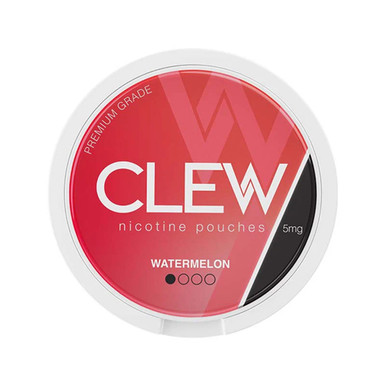
The least adventurous move is another take on the same fruit, and it is genuinely informative because it shows you how wide the interpretations are. Clew Watermelon and Cuba White Watermelon are both £39.90 and both single-fruit, so either one placed beside this listing isolates the differences between makers rather than between flavours. Velo Wintry Watermelon at £4.19 is the cheapest melon on the site by a distance and adds a wintry element to the fruit, so it doubles as a low-cost way to find out whether you want your melon plain or cooled. Altogether the watermelon shelf runs to twenty-three listings, which is a browsable number rather than an overwhelming one.
Pairing by contrast: something cold
The most common companion to a quiet fruit is something with a cooling character, because coolness sits on a different perceptual axis entirely and therefore resets the palate more thoroughly than another fruit can. Denssi Watermelon Freeze at £39.90 keeps the same fruit and adds the cold, which is the gentlest version of this move. Klint Avalanche Mint at £36.90 and Edge Mint at £14.95 drop the fruit entirely and sit at opposite ends of the price range for doing so — between them they cover most of what anybody needs from a mint companion.
Pairing by contrast: something sharp
The other useful contrast is acidity, because a melon has none and the absence is exactly what makes it feel quiet. Fumi Fiery Lime at £27.90 is the direct opposite of a plain melon: all edge, no softness. Keeping one of each in a drawer gives you the two extremes of the fruit end of the catalogue, and moving between them makes both more noticeable than either is on its own. It also tells you something about your own preferences fairly quickly, which is more than most product descriptions can promise.
Pairing by contrast: darker fruit
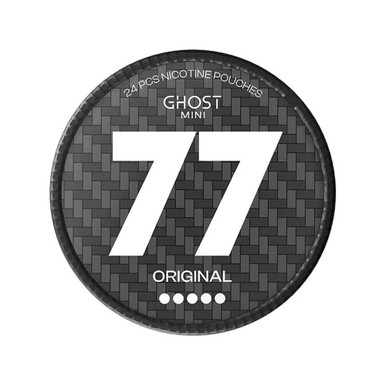
Berries are the third direction and the most different in weight rather than in axis. Elf Bar Blueberry Raspberry at £29.90 is jammy and dense where a melon is thin and bright, and Killa Exclusive Strawberry Watermelon at £33.50 is the halfway house — it keeps the melon and adds a red berry to give it some body without giving it an edge. 77 Ghost Mini Mango at £39.90 goes tropical instead, which is thicker and more resinous than a melon and also comes in a smaller pouch format, so it changes two things at once.
Pairing by format rather than by flavour
There is a fourth kind of variety that people overlook, which is changing the shape of the pouch rather than the taste of it. Products in this category are made in more than one physical size — a standard portion and a smaller, slimmer one — and the difference is noticeable in a way that has nothing to do with flavour. A smaller pouch sits differently, is less obvious under the lip, and is generally easier to forget about; a standard one is more present. The 77 mini-format mango can is the example on this page's comparison list, and it changes both variables at once, which is worth knowing if you are trying to isolate what you actually prefer. If the size of the portion is the thing you want to experiment with, changing format and flavour together will not tell you much; changing one at a time will.
The cheap can that makes a rotation affordable
Rotations get expensive quickly if every can in them is a full-price listing, which is why the two cheapest products mentioned above are worth singling out. The Velo melon can at £4.19 and Edge's mint at £14.95 sit at a completely different price point from the £39.90 listings, and a drawer with one expensive can and one cheap contrast in it works just as well as one with two expensive cans. If you are experimenting rather than restocking, the cheap end of everything we stock is the sensible place to do it.
How many is too many at once
Two or three open cans is manageable. Beyond that the practical problems start: cans left open too long dry out, half-used cans accumulate at the bottom of bags, and you lose track of which one has been in a warm car. There is nothing wrong with owning six flavours — there is something wrong with having six of them open at the same time. Keeping the unopened ones sealed in a drawer until the current can is finished is the whole of the discipline.
Carrying it, and the rules that are not ours to write
The second thing worth spending real space on is what this format is actually like in daily life, and — importantly — where the limits of what we can tell you about that lie.
What the format is like to carry
A can is a squat cylinder roughly the diameter of a large coin and not much taller than a short stack of them. It goes into a coat pocket without being noticed, into a jeans pocket with a small bulge, and into a shirt pocket awkwardly. It weighs very little. It does not leak, it does not need charging, it has no moving parts beyond a push-on lid, and there is nothing about it that goes wrong in a bag except the lid getting knocked askew, which is why people who carry one tend to settle on a single pocket and use it every day. Cans also stack neatly, which matters once there is more than one in a drawer.
Using one without making it anyone else's business
A pouch is placed between the lip and the gum. There is no visible object once it is in, nothing held in the hand, no sound, no device and nothing that needs charging or refilling. The two moments that are visible are putting one in and taking one out, and the second of those is the one that requires a little thought, because a used portion is a small damp object that needs somewhere to go. The recess on the lid exists exactly for that: a finished pouch goes into it, the lid closes, and the contents go into general waste at the next bin. What spoils the whole business is letting the recess overfill, which both stops the lid seating flat and makes the can unpleasant to open on a table in front of other people.
Disposal manners are the one part of this format other people actually encounter, so they deserve the plain version. Used portions go in general waste. Not in a sink, where they sit in the trap. Not in a urinal, a drain, a plant pot or a car park. Not out of a car window, which is littering regardless of the size of the object. Thirty seconds of housekeeping when you empty your pockets covers all of it.
Venues, workplaces and transport: their rules, not our summary
People ask us where these can and cannot be used, and the honest answer is that we are not the right source and we are not going to pretend to be. Rules about age-restricted products are set by the people who control the place: a venue sets its own house rules, an employer sets its own policy, a transport operator sets conditions of carriage, a school or hospital or airport sets its own terms, and a landlord may set conditions in a tenancy. Those rules differ from one organisation to the next, they change without telling us, and they are frequently more specific than any general statement we could make. Asking the venue, reading the employer's policy or checking the operator's own conditions is the only reliable route, and it takes a minute.
What we will not do is characterise any setting as one where this product is acceptable. That is a judgement for whoever runs the setting, and a shop telling you otherwise would be doing you no favours if you then had to have the conversation with them. The same goes for the question people occasionally ask about whether nobody will notice: we are not going to build an argument around not being noticed, because where a product may be used is a matter of permission rather than detection.
Taking a can abroad
Rules on possession, import and sale of nicotine products vary widely between countries, and some are considerably stricter than the position in the United Kingdom. Airlines and ferry operators also have their own conditions of carriage. We cannot advise on any of it, and a page written in one country is a bad place to learn the law of another. Check the destination's own published rules and the carrier's conditions before you travel rather than after you have packed.
Keeping the routine dull
Almost everything that makes this format conspicuous is a habit rather than a property of the product. A can fished out of a bag and opened on a table draws attention; a can already in the same pocket it is always in does not. A recess emptied once a day is unremarkable; a recess emptied in front of someone because it has overflowed is not. Portions put in and taken out at reasonable moments pass unnoticed; the same actions performed repeatedly during a conversation do not. None of this is a claim about the product and none of it is advice about where to use one — it is simply the observation that the visible part of this format is the handling, and handling is the part you control. People who have used pouches for years tend to have reduced the whole business to two small movements a day, and that is mostly what distinguishes them from someone in their first fortnight.
Other people's property, simply
Two small points that are not legal questions but come up anyway. A can left in someone else's car in summer is a can they will find condensation in; a can left anywhere a child or an animal can reach it is a genuine problem rather than an untidy one. Keep it in a pocket or a drawer, not on a coffee table.
20mg, and what a single-figure listing tells you
The milligram number on a can states nicotine content per portion. That is the whole of its meaning. It is not a rating, a grade or an instruction, and we are neither able nor willing to tell you which number suits any particular person.
| Declared strength | Price | Cans per pack | Availability |
|---|---|---|---|
| 20mg (only variant) | £39.90 | Not recorded | Out of stock |
With one variant there is no choice to make on this page, which also means the page cannot show you what the same flavour is like at a different declared figure — that version is simply not part of this listing. A 20mg declaration places this page on our Strong shelf rather than a higher band. Those band names — Medium, Strong, Extra Strong — are our own filing language for making several hundred products browsable, not a manufacturer's terminology and not a scale of merit. The Medium Strength shelf sits below and the Extra Strong shelf above, and a listing lands on one of them according to its highest variant.
One further caution about reading across brands. Two cans declaring the same figure have declared the same content per portion, which is a real fact. They are not thereby interchangeable, because how a product is built is a separate variable that our record does not describe. And to be explicit about the framing: a higher number is not better, not more advanced, not a stage to reach and not an accomplishment. We do not arrange the shelves as a progression and we would not describe them as one.
Iceberg's range, and the related cans on this record
Iceberg runs to forty listings with us across mints, single fruits, fruit pairings and a group of confectionery-styled names. A bare single-fruit can is at the simplest end of that spread, which makes it a reasonable reference point for the brand as a whole — whatever the range does elsewhere, this is what it does with nothing added. The Iceberg shelf holds the rest.
Six related cans hang off this record and all of them are £39.90, the same as this listing, so the brand is a cheap one to think about even if it is not a cheap one to buy. For a rotation built around a quiet fruit, the two most useful are Iceberg Black Mint and Iceberg Black, because both leave fruit behind and a non-fruit can is the most effective thing to put beside a gentle one. Iceberg Black Currant is the sharpest of the six and therefore the strongest contrast within the fruit category — a blackcurrant has the acidity a melon entirely lacks.
Staying closer to home, Iceberg Berries is a mixed-fruit can that is sweeter and heavier than a melon without being sharp, and Iceberg Apple Lemon Pineapple stacks three fruits where this listing names one, which is about as far as the brand goes in the other direction from a single-word name. Iceberg Arasaka is a named blend rather than a described one, and we hold nothing that would let us tell you what is in it. Iceberg's forty listings is the route to the rest.
Price, quantity, and the figure the record lacks
£39.90 is what the listing costs. What that buys in units is not recorded. Some products on the site at this price are ten-can packs; others have the field blank as this one does. Pattern-matching from price to pack size would be guessing, and a guess printed as a fact is the sort of thing that turns into a complaint when the parcel arrives. If quantity is the deciding factor for you, choose a listing that states its pack terms — several of the comparisons above do, and the sub-£5 products in that list are plainly single cans by price alone.
We also do not publish a portion count for this or any product. The number is normally printed on the can, which makes the object in your hand a better authority than a web page, and counts genuinely vary between brands and between formats.
One image, and what a photograph cannot settle
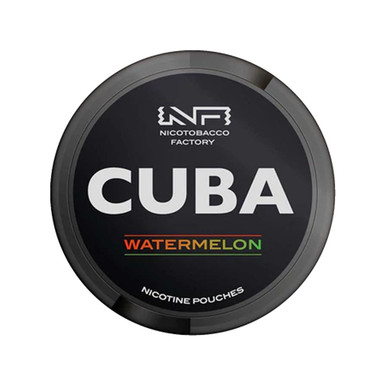
Our record holds a single image for this listing. Some pages on the site carry several and this one does not, which is a gap in our product data rather than a statement about the product. It is worth being clear about what a second photograph would and would not have told you in any case. A picture shows the can and the label, which means it settles the brand, the flavour name and the declared figure — all of which are already written on this page. What it cannot show is portion size, how moist the product is packed, how firmly the lid seats, or how many portions are inside. Those are the four things customers most often want a photograph for, and they are precisely the four a photograph is worst at answering. Where our record is silent on them, this page says so rather than implying that a closer look at the image would help.
Storage, briefly
Two things spoil a can: moisture leaving and heat arriving. Moisture leaves through a lid that has not seated flat, which is usually caused by an overfull recess or by a can rattling loose in a bag. Heat arrives from sunlight, radiators, airing cupboards and cars. Neither does anything sudden — a can is not going to be ruined overnight — but a portion that has dried out is stiffer, coarser against the lip and gives a flatter, shorter flavour than the same product from a well-kept can. A cool, dark, dry drawer and a lid pressed on properly is the entire requirement. There is no need for a fridge, and moving a cold can into a warm room puts condensation on it, which is the problem storage is meant to avoid.
Out of stock at present
The single 20mg variant is marked unavailable and we hold no restock date. Supply for this brand is not something we control, so any date printed here would be a guess wearing a confident font. The page is still worth having open as a comparison, and every alternative linked above is a separate listing carrying its own availability. If it is specifically a plain melon flavour you want today rather than this brand, the two single-fruit cans mentioned in the rotation section are the closest live equivalents.
Ordering, delivery and the age check
When a listing is orderable the process is unremarkable: basket, checkout, dispatch as a small parcel. Cans are light and robust and need no special handling in transit.
The age check is deliberately not unremarkable. This is an 18+ product sold only to adults who already use nicotine. You will be asked to confirm your age at checkout and identification may be requested by the courier on delivery. A courier is entitled to refuse to hand an age-restricted parcel to anyone who cannot show they are old enough, and will not leave one in a porch or with a neighbour. It is worth choosing a delivery address where somebody will be in.
Navigating on from here
Three axes run through the site and this listing sits on all three: flavour, brand and declared figure. Twenty-three watermelon listings is the narrowest and most useful of them if the fruit is what brought you. The Strong band's one hundred and thirty-two pages is the widest. The Pablo range and the Cuba range are the two other large brands we carry and both appear in the comparisons on this page. For a flat view of the lot, the full catalogue is the top of the tree.
Questions about this can
Is a plain watermelon can bland?
Quiet is a better word than bland, and whether quiet is a fault depends on what you want. Watermelon has no acidity and no cooling of its own, so there is nothing in it that grabs attention the way a citrus or a mint does. Some people want precisely that and find louder cans tiring; others find an unaccompanied melon too faint to notice. If you are unsure which camp you are in, the cheapest melon listed above answers the question for four pounds.
How many cans do I get for £39.90?
Our record does not say. The can-count field on this listing is empty and we are not going to infer a figure from the price, because products at this price point on the site include both multi-can packs and listings where the field is simply blank. If the quantity matters to your decision, pick a listing that states it outright.
Does it come in a higher strength?
Not on this listing. The only variant recorded here is 20mg. Other pages on the site carry two figures, and the band shelves will show you what exists at other declared figures, but we cannot advise on which figure anyone should choose and we would not describe a higher one as a step up from this.
Is this the same flavour as your watermelon and lime can?
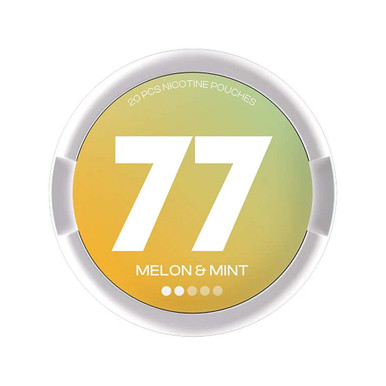
No. A citrus partner adds acidity and an aromatic peel note, which gives the melon a sharp front edge and a drier finish. This listing has neither. The shared word in the two names conceals a genuine difference in shape, and the same is true of the melon-and-mint listing, which adds cooling and length rather than sharpness.
Can I use these at work or on public transport?
That is not our call and we will not pretend it is. Employers, transport operators and venues set their own rules for age-restricted products, those rules differ between organisations and change without reference to us, and the only reliable answer is the one the organisation itself gives. Ask, or read their published policy. We would rather say that plainly than offer a general reassurance that turns out not to apply where you are.
Can I take a can abroad?
Rules on possession and import differ considerably between countries, and carriers set their own conditions. We cannot advise on any jurisdiction and it would be irresponsible to try. Check the destination country's published rules and your carrier's conditions of carriage before travelling.
How many pouches are in a can?
Not recorded, and we do not estimate. The figure is normally printed on the can itself. Counts vary between brands and between pouch sizes, so borrowing a number from another product would be misleading rather than helpful.
How long should I keep a portion in?
There is no correct duration and we do not publish one. It varies from person to person, the can carries a content figure and nothing about timing, and a number printed here would read as instruction rather than description. This is one of several questions on this page where the honest answer is that it is not ours to answer.
Why is it filed as Strong rather than Extra Strong?
Because its highest — and only — declared variant is 20mg, and that is where our filing puts a 20mg listing. Pages that include a 50mg option land a band higher and carry their lower variants with them, which is why you will occasionally find a 20mg option on the Extra Strong shelf. Our bands are a browsing convenience rather than a manufacturer's classification.
When will it be back in stock?
We do not know and hold no restock date. Availability depends on supply outside our control. If the flavour matters more than the brand, the single-fruit melon listings linked above are separate products with their own stock; if the brand matters more, the Iceberg shelf shows what is currently orderable under the name.
Should I keep two cans open at once?
There is no harm in it and plenty of people do, but the practical caution is that an open can loses condition faster than a sealed one, so two cans open means two cans ageing rather than one. If you rotate between a melon and something cooler, the tidier arrangement is to keep the second can sealed until the first is genuinely finished, unless you are actually alternating them within the same day. Beyond three open cans the format starts managing you rather than the other way round.
Why do some of your melon cans cost four pounds and others forty?
Because price in this category tracks the brand and the pack rather than the flavour or the declared figure. A listing recorded as a multi-can pack costs what several cans cost; a single can costs what one can costs. On this particular listing we do not hold the pack size, which is exactly why we will not tell you whether £39.90 is good value — that would require knowing a number our record does not contain. The sub-£5 melon listings on the comparison list above are plainly single cans by price alone.
Do you publish ratings or customer reviews?
No. We carry no reviews, scores or star ratings anywhere on the site and we will not quote opinions we cannot source. This page is the catalogue record with a practical explanation built around it. For a flavour as quiet as this one, a cheap can of something comparable will tell you more in an afternoon than an aggregate score would.
Compliance, and who this product is for
This is an age-restricted product. It is sold only to adults aged 18 or over, and only to adults who already use nicotine. Age confirmation is required at checkout and identification may be requested on delivery; a courier will not hand an age-restricted parcel to anyone who cannot show they are old enough, nor leave one unattended.
Nicotine is an addictive substance. That is stated without qualification and without comparison to anything else.
This product is not a licensed stop-smoking medicine, and it is not intended for non-smokers, for anyone who does not already use nicotine, for under-18s, or for anyone who is pregnant or breastfeeding. We make no health, medical or safety claim about it in any direction, and we give no advice on strength, quantity or frequency for any individual. Those questions belong with a suitably qualified professional rather than with a shop.
Keep cans out of reach of children and animals. The recess in the lid is for holding used portions until you reach a bin, not for storing them.
Closing note
Iceberg Watermelon is a £39.90 listing at a single declared strength of 20mg, tagged watermelon and nothing else, with one image, no recorded pack size and no current stock. It is the unaccompanied version of a fruit that is naturally soft, sweet and low in acidity, which makes it quiet by nature rather than by accident — and quiet flavours are the ones most worth building a rotation around, which is why the pairing section is the longest on this page. On where you may carry or use it, we have told you the truthful thing rather than the reassuring one: those rules belong to venues, employers and operators, and they are the ones to ask.
More from Iceberg


More strong pouches

More watermelon pouches
Where this sits
Iceberg Watermelon Nicotine Pouches appears in these categories. Browse them, or jump to something close.
You might also like