Home / Medium Strength / Nordic Spirit Forest Berries Nicotine Pouches
Nordic Spirit · 6mg–9mg
Read the full guide
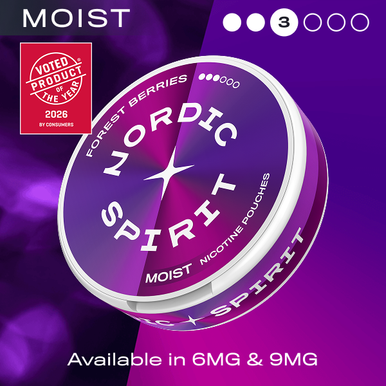
Nordic Spirit Forest Berries Nicotine Pouches
£4.49
✔ In stock — ready to ship
100% tobacco-free
Free over £20
Same-day dispatch
Secure checkout
What you are looking at is Nordic Spirit Forest Berries Nicotine Pouches at £4.49, listed in two declared strengths, 6mg and 9mg, with the same price attached to each. Our record tags the flavour as berry, and as one thing only — there is no second tag sitting behind it. The listing is in stock as this is written.
That short paragraph is the factual core, and everything after it is one of three things: a description of the object and how it behaves, a comparison with cans that sit near it on our own shelves, or a note saying that we do not hold a particular piece of information. Where the third of those applies, we write it out rather than smoothing over it.
The full guide to Nordic Spirit Forest Berries Nicotine Pouches
5,120 words on how it eats, who it suits, how to serve it and what to put beside it.
Forest Berries: the plain berry can in this brand's line
Physically this is the standard tin the whole category uses — round, shallow, lid off and lid on, deep enough for a single layer of pouches laid in a ring and a shallow catch space set into the lid for finished ones. Nothing about the can is unusual, and that is the point of it: it goes in a pocket, it closes properly, and the printed face tells you which can you have picked up without opening it.
Before the detail, the necessary line: this is an adult nicotine product for people aged 18 or over who already use nicotine. The full wording is at the bottom of this page and is the part of it we would ask you to read.
Berry, in the plural: what the name and the tag say
The flavour here is berry. Described as a taste, that means the dark end of the fruit register rather than the bright end — the sort of flavour people reach for words like blackcurrant, blackberry and raspberry to describe, as against the lighter, more obviously citrus or orchard-fruit character you get from an apple or a pear naming. The aroma when a can is first opened follows the same line: fruit-led, jammy rather than floral, closer to cordial than to fresh fruit.
Two details in the naming are worth pulling apart, because they do real work.
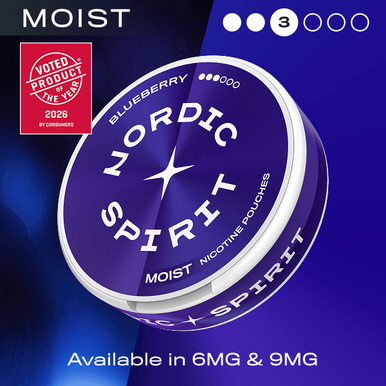
The first is the plural. Berries, not berry. A plural name in this category almost always signals a blend rather than one named fruit, and the blend is the reason the flavour reads as a general dark-fruit impression instead of a specific one. Put it next to the Blueberry can from the same brand at £4.49 and the difference in approach is obvious from the names alone: one commits to a fruit, the other commits to a family. Which of those you prefer is a genuine matter of taste — a single-fruit can is more recognisable, a blend is harder to get bored of.
The second is what is not in the name and not in the tag: any hint of cold. Our record gives this product one flavour tag and it is berry. It does not carry a mint tag. That matters more than it might sound, because the nearest can to this one in the range does carry one, and the two are easy to confuse when you are ordering quickly. More on that below.
Beyond the shape of the flavour, we do not publish a tasting note in any more detail, because our data does not hold one and because how a flavour comes across is not a fact we are in a position to state on anyone's behalf. The can and the manufacturer's own labelling are where the flavour description they stand behind lives.
Living with the format: portion, placement and the clock
Flavour is what people choose on. The format is what they actually live with, and it is identical across every can in this brand and broadly similar across every brand we stock. It is worth going through properly.
The size of the portion
A pouch is a small, soft, flattish thing with blunt ends — think of the footprint of a thumbnail rather than anything larger. It has a little give to it, so it takes the shape of where you put it rather than sitting rigid. Brands vary the dimensions a bit, and some list a slim or mini version specifically to change the feel, but this product is not listed here as a mini. Our record holds no measurement for the portion, so we are giving you the shape of the thing rather than a figure we cannot support.
What the size means in practice is that the format is discreet by construction. There is nothing to hold, nothing to put down, and nothing that needs a hand once it is in.
Where it goes and how it sits
The pouch goes between the lip and the gum, usually the upper lip, and it is placed rather than pushed — lift, slide, done. It should sit lengthways along the gum line, and most of the complaints people have about the format come down to placement rather than product: too far forward and it presses against the inside of the lip; bunched up in one spot and it feels like a lump; too far round towards the side and it works loose when you talk.
Once it is settled you can move it with your tongue without taking it out, and most people do that once or twice in the first minute and then leave it alone. Eating is awkward with one in and most people take it out first. Drinking is not, particularly, though anything hot is a different matter and people tend to wait.
Ten minutes, forty minutes, and the curve
How long to keep one in is the question we are asked most about the format, and the honest answer has two halves.
The half we can answer: there is a curve, and it is the same curve in every pouch of every brand. The flavour is at its most obvious early on, holds for a while, and then tails off, and the last stretch of a long pouch is largely texture with the fruit character mostly gone. That is not a fault in a can and it is not something a different brand fixes. People who tell you a can "went flat" are often describing the ordinary end of that curve rather than a bad tin.
The half we will not answer: how long you should keep one in. The manufacturer prints guidance on the can and that is the guidance to follow. We are a shop, we do not know you, and a shop putting a number on how long to use a nicotine product is a shop giving advice it has no business giving. Observationally, people differ by a wide margin — some take one out after ten minutes, some run to the better part of an hour — and neither is a standard the other should be measured against.
Out, and into the lid
Taking one out is the reverse of putting it in, and it goes in a bin. Where there is no bin, the catch compartment in the top of the lid exists for exactly that purpose, and it is the reason the lid is thicker than it strictly needs to be. It holds a handful, which is enough to get through an afternoon out, and it wants emptying at the end of the day rather than the end of the week — left longer, opening the can becomes an unpleasant little ritual.
Used pouches do not go in a sink, a drain, a toilet or on the ground, and they do not go anywhere a child or an animal could get at them. That last point is not a formality: a can, opened or not, should be kept out of reach.
Opening a can you have not had before
There is a small amount of practical knowledge attached to the first can of any flavour, and it is worth writing down because nobody tells you it.
The lid comes off with a thumb under the rim rather than a fingernail, and on a fresh tin it takes slightly more force than you expect, because it has not been opened and closed yet. Once a can has been through a few cycles the lid loosens to its working stiffness and stays there. If a lid ever stops holding shut, the can has been sat on, and that is the point to move the contents somewhere sealed rather than persevere with it.
The aroma arrives before anything else, and with a fruit can it is the most immediate signal of what you have bought — dark and cordial-like here, on the evidence of the berry tag, rather than sharp or cool. That first impression is not the same as the taste in use, and people are often surprised by how much stronger a can smells than it tastes. That is normal across the category and says nothing about the can.
Inside, the pouches are laid flat in a single ring with a space in the middle. Taking one from the edge of the ring rather than digging at the centre keeps the rest tidy, and a tidy ring is easier to take from one-handed later. Some people turn the first pouch over in their fingers to warm it slightly before placing it; there is no need to, and we make no claim about it doing anything, but it is a common habit and it does no harm.
Three berry cans, one brand, and how to tell them apart honestly
This is the part of the page that is genuinely useful, because the brand lists three cans with berry in the description and they are easy to mix up. Here is what our records actually distinguish, and where they do not distinguish anything at all.
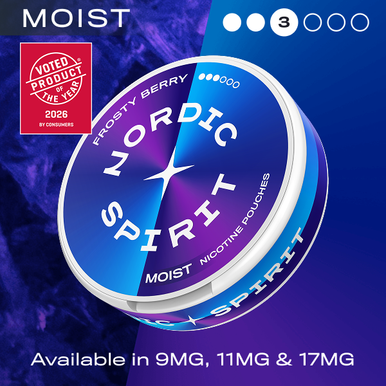
Against Frosty Berry: this is a real, recorded difference and it is the one to pay attention to. Frosty Berry carries two flavour tags — mint as well as berry — where this can carries berry alone. So the difference is not a shade of fruit; it is the presence of a cool, mint-family note running alongside the fruit in one can and its absence in the other. The names line up with that: Frosty is doing the work of signalling the cold element. The declared figures differ too. Frosty Berry is listed at 9mg and 11mg; this can is listed at 6mg and 9mg. Both are £4.49.
Against Max Foresty Berry: here we have to be more careful, because this is the case where the difference may be mostly a name. Both cans carry a single berry tag and nothing else. Both are £4.49. The name on that one is Foresty Berry, singular and adjectival, where this one is Forest Berries, and that is a difference in words on a lid. We do not hold any information on whether the two are the same flavour under two names or two genuinely different blends, and we are not going to pretend otherwise. What we can evidence is the declared figure: that can is listed at 17mg and sits on the strong shelf, while this one sits in the medium band. If you want the difference in one line: the figure on the label is recorded, the flavour difference is not.
Against the Blueberry can: a blend against a single named fruit, same brand, same price. That is the cleanest distinction of the three and it needs no caveat.
One more thing worth saying while we are being honest about naming. The word Nordic in the brand name is part of a brand name and nothing else. It is not a statement about where this product or anything in it comes from, we hold no origin information for this listing, and we are not going to spin geography out of a trademark.
The same band, a hundred and thirty-four other ways
Because both declared figures on this listing land in the medium band, this can sits on a shelf of 135 products. That is a large shelf, and the useful question is what changes between cans that share a band, given that the band itself has stopped distinguishing them.
Three things change, and price is the loudest of them. Within this brand the price does not move at all — every Nordic Spirit can we list is £4.49. Step outside it and the spread on the berry-adjacent cans nearby is wide: Velo Strawberry Ice at £4.19 undercuts this listing, Edge Strawberry at £14.95 and ZYN Blackcurrant Forest at £19.99 sit in the middle, Klint Blueberry lands at £36.90, and a cluster of listings — 77 Strawberry and XQS Berrynana Twist among them — all carry £39.90. Before you read anything into a nine-fold price gap, check what each listing contains: some of those are priced as single cans and some are not, and a listing that covers several cans is not expensive, it is bigger. The listing page is where that is stated.
The berry corner, priced out
Here are the berry-side listings nearest this one, with the price we currently show against each. It is a price list and nothing more — no listing in it is being put forward as better than another, and the spread reflects what is in each box as much as anything else.
| Listing | Price we show | How the flavour is named |
|---|---|---|
| Nordic Spirit Forest Berries (this page) | £4.49 | fruit family, plural |
| Velo Strawberry Ice | £4.19 | single fruit plus a cold word |
| Edge Strawberry | £14.95 | single fruit, plain |
| ZYN Blackcurrant Forest | £19.99 | single fruit plus a setting |
| Rush Berry Ice Pro | £19.99 | family plus a cold word |
| Fumi Blackcurrant | £27.90 | single fruit, plain |
| SYX Blueberry | £29.90 | single fruit, plain |
| Klint Blueberry | £36.90 | single fruit, plain |
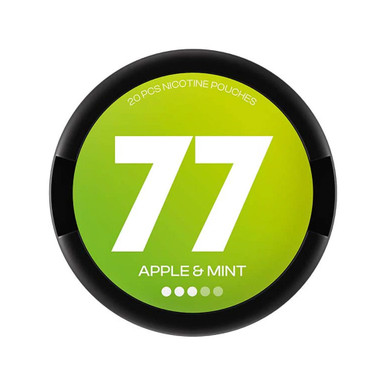
| 77 Strawberry | £39.90 | single fruit, plain |
| XQS Berrynana Twist | £39.90 | invented compound |
One thing that table does not show, and should: a few of those listings are not available at the time of writing. Edge Strawberry, Klint Blueberry and Rush Berry Ice Pro all show as out of stock as this page is written, and we would rather say so here than send you to a dead end. Stock is live and a page is not, so that may well have changed by the time you read it — the listing itself is the current answer in both directions.
Read down the right-hand column and the naming convention across the category becomes clear: most cans commit to one fruit, a few name a family as this one does, and a handful make up a word. Reading down the middle column, the thing to hold on to is that the price is attached to the listing, not to the pouch.
The second thing that changes is how specific the flavour naming is. Berry cans on this shelf run from the single-fruit and plainly named — SYX Blueberry at £29.90 — through fruit-plus-something constructions to outright invented compounds like the Berrynana naming above. This can sits at the plain end: a family, named as a family, with no second element attached.
The third is the presence or absence of a cold note, and it is the one most worth checking before you order. Ice in a name and mint in a tag both signal it. Fumi Blackcurrant at £27.90 and Pablo Silver Edition Blue Raspberry are named as fruit without it. This can, tagged berry alone, belongs with the second group on our data.
Beyond the berry corner, the medium band holds the whole spread of everything else we stock, and the berry shelf itself runs to 76 products across every band. If you want to browse the other direction — by brand rather than by band — the Pablo shelf and the Cuba shelf are the two deepest alternatives we keep.
6mg and 9mg, and what a printed figure is
Two listings, one price. 6mg and 9mg, both £4.49.
The figure is the manufacturer's declared amount per pouch, printed on their can, and we publish it because it is on the label and because it is how people find the product they already use. It is not a measurement we have made and it is not a rating. We do not interpret it, we do not tell anyone which to choose, and we do not describe any figure as suitable for anyone — that is not a shop's job with a nicotine product, and we would be making it up.
The band names on this site are filing, not a scale. 6mg and 9mg both fall in the medium band, so this listing appears there. Cans with larger printed figures appear on the strong shelf or the extra strong shelf instead, and that includes the Max Frosty Mint can and its Foresty Berry counterpart within this same brand. A band name describes where a number falls, and nothing else about the can. Nothing on this page suggests a bigger number is a better can or somewhere to be heading.
Keeping a can in decent order
Very little is required, but the little there is matters more than people expect.
Close the lid properly every time. Not resting on, pressed down. An imperfectly closed can dries slowly, and the effect creeps up on you — the tin does not fail, it just gets duller towards the bottom, and you blame the flavour.
Keep it out of heat and out of sunlight. The three places cans routinely die are a car in summer, a sunny windowsill and the shelf above a radiator, and all three do the same thing: warm the can through, let it cool, and repeat. A drawer, a coat pocket, a bag or a cupboard is entirely sufficient, and none of them requires any thought.
The fridge is a matter of preference rather than a recommendation. Some people like a cold can; it will do no harm, and our data says nothing about whether it changes anything. If you do it, keep the lid closed, keep it away from open food, and keep it out of reach of children and pets, which applies just as much on a fridge shelf as anywhere else.
Finally, buy at the rate you get through them. A can in use is a better can than a can that has been standing open for a season. Nothing here is a statement about shelf life — the printed date on the can is the authority on that — but the practical point stands on its own.
What people keep next to this one
Most regular buyers keep two or three cans on the go, because a single flavour used continuously stops registering after a while. The pairing logic is contrast, and this can — plain, dark-fruit, no cold note — contrasts with two obvious things.
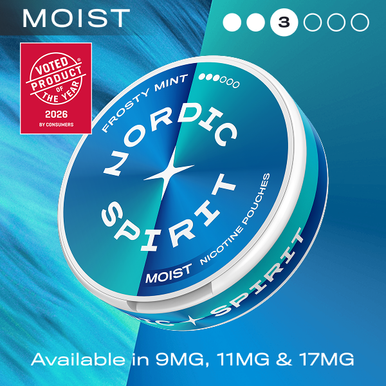
The first is cold. Within the brand that means Frosty Mint at 9mg and 11mg, which is mint-tagged and nothing else, and is about as far from this can as the range travels while staying at £4.49. The halfway house is the Frosty Berry can, which keeps the fruit and adds the mint tag — useful if you want variety without changing family entirely.
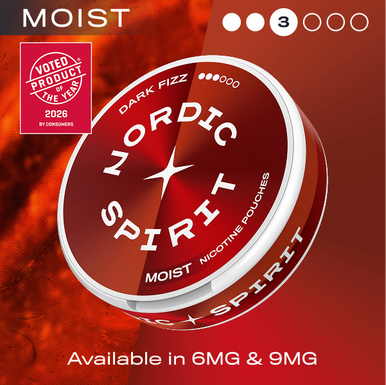
The second is a different flavour idea altogether, and the brand's own answer to that is Dark Fizz, also £4.49 and also listed at 6mg and 9mg. It is worth flagging one thing about that can before you add it: our record holds no flavour tag for it, so unlike this listing you cannot see the family before you buy.
Outside the brand the options broaden and the prices move. The Rush Berry Ice Pro listing at £19.99 keeps the fruit family and adds a cold word to the name, which makes it a close cousin of the Frosty Berry idea from a different maker, and the Fumi Blackcurrant listing at £27.90 goes the other way and commits to one fruit. Both are priced very differently from this can, and the listing page is where you see what each price covers. If you would rather keep the spend close to this one, the Velo can at £4.19 is the nearest neighbour on price in the berry corner.
Two cans of the same flavour are not always the same buy
This deserves its own heading because it is the single most common source of confusion on a shelf like ours, and it has nothing to do with the product itself.
A price on a listing covers whatever that listing contains. Some listings are one can. Some are a roll or a box of several, sold as a unit and priced as a unit. Our record for this product carries no cans-per-pack figure at all, which is our way of saying it is a single-can listing at £4.49 and we hold nothing that says otherwise. Other listings on this page plainly are not single cans at their prices, and their own pages state what they are.
The practical consequence is that comparing headline prices across brands tells you almost nothing until you have checked the unit. A £39.90 listing sitting beside a £4.49 one is not nine times the product in your mouth; it is, in most cases, a different quantity in the box. If price per can is what you are working to, the arithmetic has to be done on the listing page, and we would rather say that out loud than let a price table do misleading work.
The second consequence is about reordering. If you get through a can at a steady rate and you like this flavour, the thing to compare is not this can against a big listing from another brand, but this can against the next can of the same thing. At a flat £4.49 with no strength premium, that comparison is as simple as it gets within this brand — and it is one reason people end up keeping to a brand once they have settled on one.
Checkout, the age check, and getting it to the door
Pick 6mg or 9mg, add it, and build the rest of the order around it from the full range we stock. Mixing brands, flavours and declared figures in one basket is entirely normal and there is no reason to split an order.
Age verification applies without exception. This is an 18+ product sold to adults who already use nicotine. Age is checked when you buy, and ID may be requested on delivery; if it is asked for and an adult at the address cannot produce it, the parcel will not be handed over. A £4.49 can is treated exactly like a large order in this respect.
On availability: this listing reads as in stock at the time of writing, but the page you are reading was written once and stock is live. The listing itself is the current answer. If one declared figure is unavailable, the other listings in the range are on their own pages and will show their own position.
How the site files this can
Three shelves hold this product, which is one more than some cans in the range get. It sits on the Nordic Spirit brand page with the other thirteen listings we hold from the brand; it sits in the medium band because both its declared figures fall there; and it sits on the berry shelf because our record gives it a berry tag. That third one is the route most people arrive by, and it is worth knowing that a can without a flavour tag never appears on it.
If none of those is how you think about pouches, the shop index lists everything in one place and is the reliable fallback.
Questions people ask before ordering this can
Is Forest Berries cold or minty at all?
Our record gives it one flavour tag, berry, and does not give it a mint tag. On our data, then, this is the fruit-only can of the pair, and the Frosty Berry listing is the one carrying the mint tag alongside berry. We cannot go further than what the record holds — the can itself and the manufacturer's labelling are the authority on the full flavour description.
Which berries are in it?
We do not hold that information. The name is a plural, which in this category generally indicates a blend rather than one named fruit, but the specific composition is not something our product record carries and not something we will guess at. If a single named fruit is what you want, the Blueberry can in the same range names one on the front.
How is this different from Max Foresty Berry?
The recorded difference is the declared figure: 6mg and 9mg here, 17mg there, which also puts the two cans on different strength shelves. Both carry a single berry tag and both cost £4.49. Whether the two flavours are actually the same blend under different names, we genuinely do not know and will not claim either way.
How many pouches come in a can?
We do not publish a count. Our record carries no pouch figure and no cans-per-pack number for this product, so the printed can is where that number lives. We would rather point you at the packaging than put an estimate on a product page, where it would read as a fact.
Is the 9mg dearer than the 6mg?
No. Both are £4.49, and so is every other Nordic Spirit can we list, including the 17mg one. Price differences on this site come from moving between brands and between listing types, not from moving between declared figures within this range.
Which of the two should I get?
We will not answer that one. We publish the declared figures printed on the cans and leave the choice to the adult buying. We do not advise on strength, suggest moving between figures, or describe any figure as appropriate for anyone. An adult who already uses nicotine knows what they use.
How long does the flavour last in one pouch?
There is a curve rather than a fixed time: strongest early, steady for a stretch, then fading, with the tail end mostly texture. How long the whole thing lasts depends on the individual and on how long they keep one in, and the manufacturer's guidance on the can is the source for that. We are not going to publish a duration as though it were a specification.
Can I put several flavours in one order?
Yes, and most people do. There is no restriction on mixing brands, flavours, declared figures or price points in a single basket. Keeping two or three cans on rotation is the ordinary pattern among regular buyers, which is why this page spends so long on what pairs with what.
Is this sold as a multi-can pack?
Not here. This is a single-can listing at £4.49 and our record holds no cans-per-pack figure for it. Some of the other listings on this page are multi-can products and are priced to match, which is the main reason a £39.90 listing can sit next to a £4.49 one without either being odd.
Where is this made, and does "Nordic" mean anything?
We do not hold origin information for this listing and we are not going to infer any. Nordic Spirit is a brand name, and a brand name is a trademark rather than a geographical statement — it tells you which range a can belongs to and nothing about where anything came from. The same goes for Forest in the product name, which is flavour naming, not a place. Anything the manufacturer states about origin will be on the packaging.
Can I leave a can in the car?
You can, but a car is the hardest place to keep one. A parked car heats through and cools again every day, and a can that has been through that repeatedly is not the can you bought — the effect is gradual and mostly shows up as the last part of a tin being flatter than the first. A bag or a coat pocket avoids the problem entirely. And whether in a car or anywhere else, a can should be kept out of reach of children and animals.
Do the two strengths taste the same?
We hold one flavour record for this product and it covers both listings, so on our data there is nothing to distinguish the 6mg can from the 9mg one on flavour. How the two come across is not something we measure or publish, and we are not going to characterise a difference we have no evidence for. The manufacturer's own description on the can applies to whichever you buy.
Will I need ID?
Possibly. Age is verified at checkout and ID may be requested on delivery; an adult must be able to produce it at the door or the delivery will not be completed. This is standard on every nicotine product we sell and does not vary with order size.
Do you publish ingredients or technical information?
No. We publish only what our product record holds — name, brand, price, declared strengths, flavour tag and stock status. Ingredient lists, specifications and any other printed detail belong to the manufacturer and are found on the can and its packaging. Where we do not hold something, this page says so.
Compliance and legal notes
Nicotine is an addictive substance.
This product is for adults aged 18 or over who already use nicotine, and we sell it on that basis alone. We do not sell to under-18s. Age is verified at checkout, and ID may be requested on delivery — where it is requested and an adult cannot provide it, the parcel will not be released.
Nordic Spirit Forest Berries Nicotine Pouches are not a licensed stop-smoking medicine and are not sold, authorised or intended as one. This product is not intended for non-smokers, for people who do not already use nicotine, for anyone under 18, or for anyone pregnant or breastfeeding. Nothing on this page constitutes medical advice, and nothing on it should be read as a suggestion that anyone begin using nicotine or move to any particular declared strength.
Keep out of the reach of children and pets. Every factual statement on this page — the name, the brand, the £4.49 price, the 6mg and 9mg declared figures, the berry flavour tag and the stock position — is taken from our own product record for this listing. Where the record is silent, this page says so rather than filling the gap. The can and the manufacturer's labelling are authoritative for anything printed on the packaging.
To sum up
Forest Berries is the fruit-only berry can in a brand where every listing is £4.49, offered at 6mg and 9mg with no price step between them, filed on the berry shelf, in the medium band and on the brand's own page. Its closest relative, Frosty Berry, differs on a recorded mint tag; its other relative, Max Foresty Berry, differs on a recorded 17mg figure and on a name we cannot tell you is a different flavour. Everything else on our shelves is one click away at the main index, and everything we could not tell you here has been marked as such.
More from Nordic Spirit
More medium strength pouches
More berry pouches
Where this sits
Nordic Spirit Forest Berries Nicotine Pouches appears in these categories. Browse them, or jump to something close.
You might also like