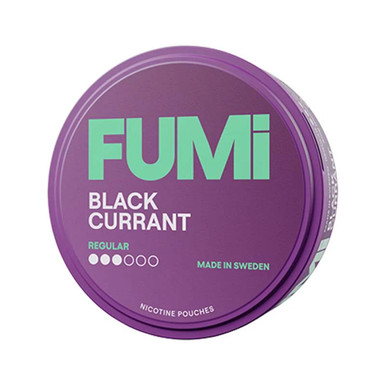
Home / Medium Strength / Fumi Prickly Pear Nicotine Pouches
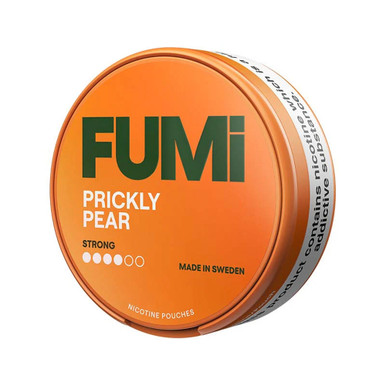
Fumi · 8mg · 10-can pack
Read the full guide
Fumi Prickly Pear Nicotine Pouches
£27.90
✔ In stock — ready to ship
100% tobacco-free
Free over £20
Same-day dispatch
Secure checkout
Fumi Prickly Pear Nicotine Pouches are listed at £27.90, in one declared strength — 8mg — covering 10 cans, from the brand Fumi, which calls the product simply Prickly Pear. Our records show it in stock, with one image on the listing.
That paragraph is short because the record is short, and one field in it is empty in a way that changes how this page has to be written. Our flavour data carries no tag at all for this listing. Not a wrong tag, not a vague one — an empty field. Most listings on this site carry at least one flavour tag, and that tag is what puts a can on a flavour shelf. This one has none, which means it appears on no flavour shelf anywhere on the site. That is worth knowing before you go looking for it again, and it gets a section of its own below rather than a footnote.
The full guide to Fumi Prickly Pear Nicotine Pouches
5,087 words on how it eats, who it suits, how to serve it and what to put beside it.
Fumi Prickly Pear: the listing in full
Two subjects take up most of the length here. The first is comparison: where this can actually sits against the other listings our shelves place nearest to it, which is a question we can answer with real figures rather than adjectives. The second is storage, because a ten-can purchase is a supply rather than a single item, and cans that sit unopened for weeks are affected by how they are kept.
The standing note, before anything else: age-restricted nicotine product, sold to adults who already use nicotine. Full wording at the foot of this page.
Prickly pear as a taste, and the empty flavour field
Prickly pear is the fruit of a cactus, and it is an uncommon name to find on a pouch can. As a fruit it is mild rather than assertive: sweet, low in acidity, with a soft melon-like body and a note that people often reach for watermelon or a very ripe pear to describe. There is a faint floral edge to it and a slightly vegetal, green undertone that stops it reading as pure sugar. What it is not is sharp. Nothing about the fruit is citrus-like, and anyone expecting the bright acidic snap of a lime or a green apple is expecting the wrong thing.
On aroma, the fruit is gentle. It does not announce itself the way a mint or a strong berry does, and a flavour built on it would be expected to sit at the quiet end rather than the loud one.
Now the honest qualification, which matters more here than on most pages. We hold no tasting note from the maker for this product. No sweetness figure, no cooling figure, no description of how the fruit has been interpreted. Everything in the two paragraphs above is a description of what prickly pear denotes as a fruit, offered so you know what the name on the can is pointing at. It is not a measurement of what is in this particular can, and we are not going to present it as one.
The empty flavour field compounds that. On a listing tagged berry or mint, the tag at least confirms which family our own data thinks the can belongs to. Here there is nothing to confirm it. We cannot even tell you which family this product has been filed under internally, because it has not been filed under one. The name on the can is the entirety of the flavour information in our possession.
The practical consequence is a navigation one. This listing sits on exactly two shelves: the Medium Strength shelf and the Fumi brand page. It is on no flavour shelf. If you browse this site by flavour — and plenty of people do, because it is the fastest way to find something in a particular register — this can will not appear in your results, no matter which flavour you pick. The two routes to it are the strength band and the brand page, and there is no third.
Using a pouch: the mechanics
The format is the same across every can on these shelves, so this part is brief and general rather than specific to this listing.
A pouch is placed in the mouth and tucked under the top lip, where it stays. It is not chewed, not sucked and not swallowed. There is no device involved, nothing to charge, nothing to refill and nothing to assemble — the can is the whole product. Once seated, a pouch can be nudged along the lip line with the tongue, which most people do once or twice rather than leaving it in a single spot for the entire time, because one spot gets uncomfortable. Talking, drinking and working continue as normal.
Duration is individual and we do not publish a figure for it. A pouch is done when its taste has gone, and when that happens varies from person to person. There is no timer printed on the can and no instruction from this shop about it, because a timing instruction from a shop would be an instruction about consumption rather than a fact about a product.
Disposal: a used pouch goes in a bin, never down a sink or a drain, and if no bin is available it goes in the lid compartment until one is. The compartment in the top of the can exists for exactly that gap. It is a holding area between bins, not a storage solution, and treating it as the latter is how a can stops being pleasant to open.
How this can measures up against what sits next to it
Shelf comparison is the useful exercise on a listing like this, because the product has an unfamiliar flavour name and no flavour tag to anchor it. What can be compared, honestly and with real numbers, is price and pack basis. Here are the listings our shelves place nearest to this one, with the figures we hold for each.
| Listing | Price we hold | Flavour register from the name |
|---|---|---|
| Fumi Prickly Pear (this page) | £27.90 for 10 cans | Soft, sweet fruit |
| Velo Bright Spearmint | £4.19 | Mint |
| Nordic Spirit Blueberry | £4.49 | Dark berry |
| Edge Spearmint | £14.95 | Mint |
| UBBS Cherry | £19.95 | Red stone fruit |
| SYX Apple Kiwi | £29.90 | Sharp green fruit |
| White Fox Double Mint | £34.90 | Mint, doubled |
| Klint Arctic Mint | £36.90 | Cold mint |
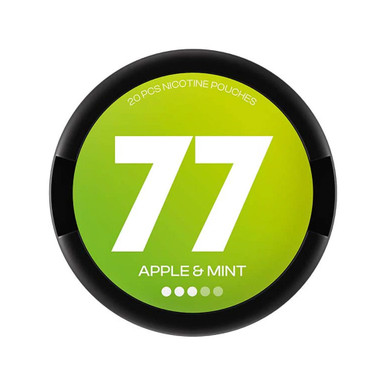
| 77 Apple Mint | £39.90 | Fruit and mint together |
| Pablo Silver Edition Blue Raspberry | £39.90 | Sharp blue fruit |
| XQS Arctic Freeze | £39.90 | Cold, mint-side |
The table needs a warning attached or it will mislead. We hold a can count for this listing — ten — and we do not hold can counts for any of the others in that table. The field is empty for them. So the right-hand column of prices is not a like-for-like comparison, and we are not going to pretend it is. A £4.19 figure and a £27.90 figure may be measuring completely different quantities, and reading down the price column as though it were a ranking is the single easiest mistake to make on a shelf that sells both singles and multi-can packs.
What the table does show honestly is the per-can arithmetic on the one listing where we can do it. £27.90 divided by 10 cans is £2.79 a can. That is the only per-can figure on this page, because it is the only one our data supports. If you want to compare it against anything in that table, you will need to establish what those listings actually contain first, and their own pages are where to do that.
The second thing the table shows is how much of the surrounding shelf is mint. Five of the ten nearest listings are mint or mint-adjacent by name. That is a useful piece of context for a can like this one: in its immediate neighbourhood, a soft non-mint fruit is the minority position rather than the default. If a mint register is what you are actually after, the listings above are the closer options and this one is not.
Where the comparison ends is on taste itself. We hold no comparative tasting data across our listings, no scoring, no panel notes, nothing that would let us tell you this can is sweeter or cooler than one of those. The names are the names. Anything beyond them would be invention.
The price spread, and what it does not indicate
The figures in that table run from £4.19 at the bottom to £39.90 at the top — close to a tenfold spread across eleven listings that our own navigation treats as neighbours. That spread is the most eye-catching thing on the page and also the most misread, so it is worth taking apart.
The first and largest part of the explanation is the one already given: pack basis. A listing covering ten cans and a listing covering one are not two prices for the same thing, and we only hold the can count for one entry in that table. Until you know what each listing contains, the column is a list of unrelated numbers rather than a ranking.
The second part is that different makers price differently, and we do not hold their reasoning. We are a shop; we publish what a listing costs. We hold no cost breakdown, no margin data and no information about why one maker's can carries a higher figure than another's, so we cannot tell you whether a price difference reflects pouch count, pouch size, construction, brand positioning or something else entirely. Anyone presenting a confident explanation of a price gap between two brands is filling in blanks we do not have filled in either.
The third part is the one people least expect: a price figure carries no information about strength at all. There is no relationship in our data between what a listing costs and what it declares in milligrams. The cheapest entry in that table and the most expensive are not arranged along a strength axis, and reading the price column as a proxy for anything other than price will mislead you.
What is genuinely comparable here is narrower than it looks, and saying so is more useful than pretending otherwise. You can compare the names. You can compare the brands. You can compare the price of this listing against another listing whose contents you have established. That is the honest extent of it.
What 8mg is, as a number on a can
This listing carries a single declared strength: 8mg, at £27.90. The variants list holds one entry and no alternative, so there is no strength decision to make on this page.
The figure is the milligram number the maker declares for this product, reproduced here exactly as we hold it. We do not hold the basis on which it is calculated, and rather than imply a comparability we cannot support, we will say plainly that we cannot tell you what it is per of. That distinction sounds fussy until you try to compare two brands' numbers, at which point it is the whole question.
Three things the number is not. It is not a flavour rating — strength figures and flavour intensity are separate fields in our data and separate properties in the can, and a higher number does not mean a louder taste. It is not a duration figure. It is not a size figure, and tells you nothing about how big a pouch is or how many are in a tin.
For filing purposes, 8mg puts this can in the medium band, which is why it appears on the shelf of 135 medium-strength listings. We keep a Strong band and an Extra Strong band above it. Those bands are a browsing structure and nothing else. They tell you where a listing appears in our navigation; they carry no recommendation about who anything suits, and we cannot advise on which band anyone should be shopping in.
Prickly Pear's place in the Fumi line-up
The Fumi shelf holds 16 listings here, and the pricing across the ones we stock is consistent at £27.90. That consistency is worth noting because it removes price from the decision: within this brand, picking between flavours is a flavour question only.
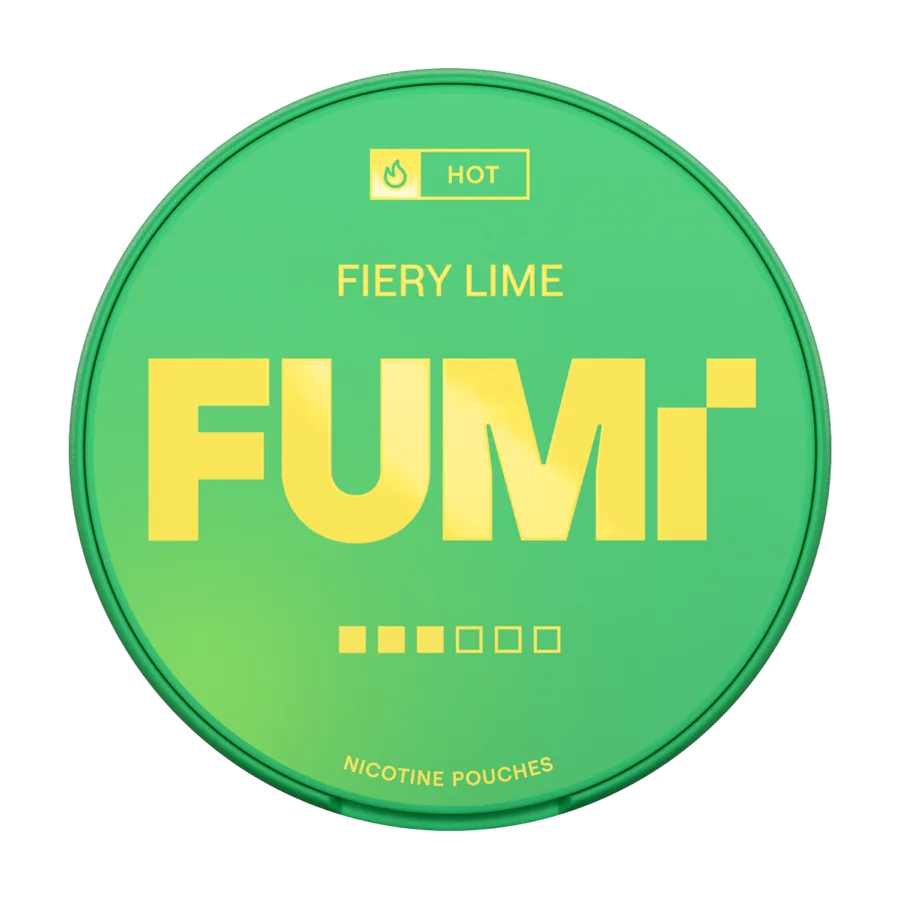
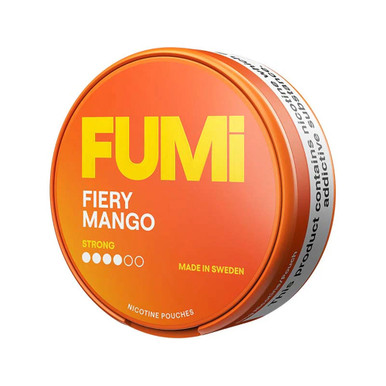
Fumi's naming puts a modifier in front of the fruit, and the modifier signals the register. Fumi Fiery Lime and Fumi Fiery Mango apply a warm treatment to a sharp citrus and a tropical fruit respectively. Fumi Chilled Cherry takes a dark red fruit cold. Fumi Blackcurrant runs a dark berry with no modifier at all.
Prickly Pear is the odd one out in that scheme, because it carries no modifier either — the name is the fruit and nothing else. Read alongside the rest of the range, that suggests a fruit presented on its own terms rather than pushed warm or cold. Whether the can delivers on that reading is not something our data can confirm, but it is the reading the naming convention supports.
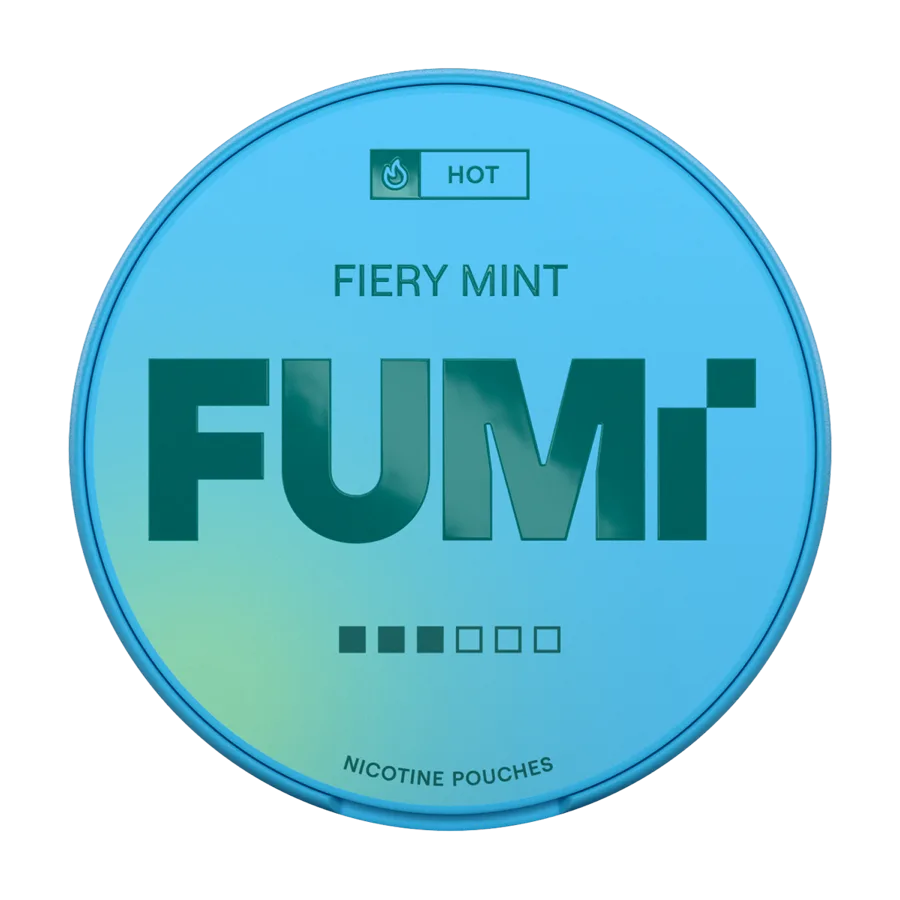
At the far end of the range from this can sits Fumi Dark Spice, which leaves fruit behind entirely for a warmer spice-led register, and Fumi Fiery Mint, which builds on mint instead. Those two are the contrast picks within the same brand and the same £27.90.
Keeping ten cans in condition
This is the section that matters most on a multi-can listing, and it gets the most space, because buying ten cans means most of what you have bought will sit unopened for a considerable stretch. A single can gets used before storage becomes a question. Ten does not.
What ten cans is, as an object
It is worth picturing what actually turns up, because people who have only bought singles before are sometimes surprised. A single can is a short cylinder about the diameter of a large coin — a pocket item you stop noticing. Ten of them is a stacked block roughly the size of a paperback and considerably heavier than it looks, and it is not a pocket item by any stretch. It is something that lives in a drawer, a cupboard, a bag's inner section or a shelf, and from which single cans get taken as they are needed.
That has a practical consequence worth thinking about before ordering rather than after. What you are buying at £27.90 is a supply, not a purchase you carry around intact, and it needs somewhere to live. The somewhere matters — a warm cupboard above a hob or a shelf in direct afternoon sun is a worse home for a three-month supply than it would be for a single can you were going to finish inside a week. The longer the stretch, the more the storage conditions actually bite.
It also has a consequence if the flavour turns out not to suit you. Ten cans of something you do not get on with is the real drawback of buying at this level in a flavour you have not had before, and with an uncommon fruit name and no maker tasting note to go on, that risk is higher here than it would be on a register you already know. There is no way around it other than knowing it in advance, and it is the honest argument against treating a multi-can price as automatically the better deal.
Dry and moist: a distinction we cannot resolve for this can
Pouches on this shelf broadly come in drier and moister constructions, and the difference is real. A drier pouch feels different under the lip, holds its shape more firmly and tends to be less affected by time in a warm pocket. A moister one seats differently and is more sensitive to drying out. Neither is better; they are different, and people develop a preference.
Our data does not record which this listing is. There is no moisture field populated for this product, so we cannot tell you, and we are not going to infer it from the brand or the flavour. If that distinction is the deciding factor for you, this page cannot settle it and the can itself is where you will find out. That is an unsatisfying answer, and it is the accurate one.
Heat is the main enemy
Warmth is what actually degrades a can. A can left on a dashboard through a summer afternoon, on a windowsill in direct sun, on top of a radiator or in the pocket of a coat hung over a heater is not the same can a fortnight later. Heat dries contents out and flattens flavour, and neither effect reverses when the can cools down. With a soft, gentle flavour like the one this listing is named for, a flattening is more noticeable than it would be on something loud — there is less to lose before there is nothing left.
The remedy is dull and completely effective: keep cans in an interior cupboard, drawer or shelf, out of direct sunlight and away from anything that generates heat. No special conditions, no particular container. Just not warm and not in the sun.
The seal, and why it matters more at ten cans
A lid that closes properly is the difference between a can that is fine in three months and one that is not. Lids need to be seated squarely, not pushed on at an angle and not left resting. A rim that has been deformed — by being sat on, or by rattling around loose in a bag with keys — will not seal again, and once a can stops closing cleanly its contents are on a clock.
Unopened cans are in a much better position than opened ones, which is the practical argument for a simple discipline with a ten-can pack: keep nine of them closed and put away, carry one, and open the next only when the carried one is finished. There is no benefit to opening several at once and there is a clear cost to it.
Cold storage, shelf life, and what we do not hold
People ask about fridges and freezers. We hold no storage instruction from the maker for this product, so we cannot tell you whether cold storage is intended, advisable or pointless here, and we are not going to guess at it. The general principle for anything you would rather did not dry out — cool, dark, dry, sealed — is the most we will say, and that is a general principle rather than a product instruction.
We also do not hold a shelf-life or best-before field for this listing. If there is a date on the can, it is the maker's and it is authoritative; ours is not, because we do not have one. Buying ten cans means the last of them will be opened a long way from the first, so if dating matters to you, check the can when it arrives rather than relying on this page.
The lid compartment as a storage question
Used pouches left sitting in the lid compartment for days are a condition problem as much as an unpleasantness problem: they carry moisture back into a can that is still in use. Empty it when you pass a bin. That is the entirety of the maintenance this product requires, and it is the one habit that makes the most difference to how a can is to live with.
Keeping something else in rotation
Ten cans of one thing is a long run of one thing, and the usual response is to keep a second can of something different going alongside it. Contrast is the point — a second can in the same register solves nothing. Each suggestion below is made on the flavour name, brand or price we hold, and on nothing else.
For the sharpest available contrast with a soft sweet fruit, the SYX Apple Kiwi listing at £29.90 sits in green, acidic territory that is close to the opposite of what this can is named for. Pablo's Silver Edition Blue Raspberry at £39.90 is the other sharp option among the nearby listings, from the blue-fruit side instead of the green.
If you would rather the contrast came from a cold register than a sharp one, the nearby shelf is full of it: Klint Arctic Mint at £36.90, White Fox Double Mint at £34.90 and the XQS Arctic Freeze can at £39.90 are three versions of it at three different prices. Edge Spearmint at £14.95 is the lowest headline figure among the mint options here, though as noted we hold no can count for it.
For a fruit that stays soft rather than turning sharp, the UBBS Cherry listing at £19.95 and Nordic Spirit's blueberry can at £4.49 are the two closest in register to this one, and 77 Apple Mint at £39.90 is the halfway house — a fruit with a mint side attached rather than either on its own.
If you would rather pick for yourself, everything we stock is the top of the tree, and the larger brand pages are the efficient way in when you already know a maker: the Pablo range and the Cuba range are two of the biggest we carry.
What there is to choose on this listing
Very little, which is worth saying plainly. There is one strength — 8mg — and one pack basis, 10 cans at £27.90. We hold no single-can variant for this product and no second strength. The variants list contains exactly one entry.
So the decision here is not "which version of this" but "this listing or a different one". If a different declared figure is what you need, the Strong band and the Extra Strong band are the places those listings are filed, and browsing by band is the quickest way to narrow the shelf. That is filing, not advice.
Ordering, age checks and delivery
This is an age-restricted product sold only to adults aged 18 or over. Age verification is part of checkout and an order cannot be completed without it. ID may be requested on delivery — if the driver asks, that is the process working, not a complication.
On delivery timings, carriers and options, we are not going to print figures on a product page that could be out of date by the time you read them. Checkout carries the current position and that is the accurate place for it.
Our records show this listing in stock. The listing page itself always carries the live position; if this paragraph and the listing ever disagree, the listing is right.
Coming back for another ten
A ten-can listing changes the rhythm of reordering rather than the process. Where a single can gets replaced inside a week or two, this one opens a gap of months between orders, and a long gap is where two things quietly drift: stock and price. Neither is dramatic, and both are easy enough to stay ahead of.
On stock, our records show this one available, but we hold no restock dates for anything on the site, so a listing that goes unavailable goes unavailable without a published return. The practical hedge on a long reorder cycle is to look at the page while you are a can or two from the end rather than on the day the last one runs out, simply because you have more room to choose differently while you still have cans in hand.
On price, £27.90 is the figure we hold as this page is written, and the listing itself carries the current one. We do not publish price history and we hold nothing at all about future pricing, so the number here is a statement about now rather than a promise about later. The same qualification applies across Fumi's sixteen listings, which sat level with one another at the time of writing and need not stay that way.
Finding this page again
Worth repeating because of the empty flavour field: there are exactly two shelf routes to this product. The Fumi brand page, which carries all 16 of the brand's listings we hold, and the medium band, which carries 135. It is on no flavour shelf, so flavour browsing will not surface it.
Beyond those, the full shop listing is the top of the tree, and the other strength bands are one level across from the medium one. Bookmarking the brand page is the practical answer if this is a can you expect to come back to.
Questions people ask about this one
What does prickly pear taste like?
As a fruit, it is mild and sweet with low acidity, a melon-like body and a faint floral edge — closer to watermelon or a very ripe pear than to anything citrus. That describes the fruit the name refers to. We hold no tasting note from the maker for this can, so we cannot tell you how the fruit has been interpreted here, how sweet the result is or whether anything has been added alongside it.
Why does this not show up when I browse by flavour?
Because our flavour data carries no tag at all for this listing — the field is empty rather than wrong. Shelf placement follows tags, so with no tag there is no flavour shelf placement. The can appears on the Fumi brand page and the medium strength band and nowhere else. We hold no note explaining why the field was left empty.
How many pouches are in a can?
We do not hold that figure. The portion-count field is empty for this listing and counts are not standard across the shelf, so estimating it from another brand would be a guess dressed up as information. The listing image is the only place that number may appear. If you are working out a per-pouch price, check the image before ordering.
Is the pouch dry or moist?
We cannot tell you. There is no moisture field populated for this product in our records. It is a real and noticeable difference between products on this shelf, so it is a fair thing to want to know before ordering, and the honest position is simply that our data does not record it and we will not infer it.
What is in it?
We do not publish an ingredient list for this product and we do not hold one. That is a limit on our information rather than a refusal to share. Whatever is printed on the can is the maker's statement and not ours, and we are not going to reconstruct a composition from a flavour name.
Where does it come from?
We do not hold country-of-origin information for this listing. Our product record covers title, brand, price, declared strength, pack size, flavour tag, stock position and images, and origin is not among those fields. Any origin claim attached to this product elsewhere did not come from us and we can neither confirm nor contradict it.
Can I get this in a different strength?
Not on this listing. It declares 8mg and holds one variant only. Other listings on the site declare other figures and are filed on the strength bands accordingly, but we hold no second strength of this particular flavour, so a different figure means a different product rather than a different option here.
Is £27.90 for one can or for ten?
For ten. The listing covers 10 cans, which works out at £2.79 a can. This catches people out because the same shelves carry listings priced at single-can level, so two headline figures sitting side by side may be measuring entirely different quantities. Read what a listing contains before comparing its price with anything.
Should I keep the cans in the fridge?
We hold no storage instruction from the maker, so we cannot tell you whether that is intended or pointless for this product. What we will say generally is that heat and direct sunlight are what damage a can, so somewhere cool, dark and dry is sensible for anything you would rather did not dry out. That is a general principle, not an instruction for this listing.
How long will ten cans last?
That depends entirely on individual use, and we are not going to model it, because doing so would mean assuming a rate of consumption and then publishing it as guidance. We do not hold a portion count per can either, so even the arithmetic is unavailable to us. The honest answer is that it is not a figure we are in a position to give.
Is it in stock right now?
Our records showed it in stock when this page was written. Stock moves, and the listing itself carries the live position — trust the listing over this paragraph if they ever disagree. We do not hold restock dates, so if something goes out we cannot tell you when it will return.
Is there more than one picture?
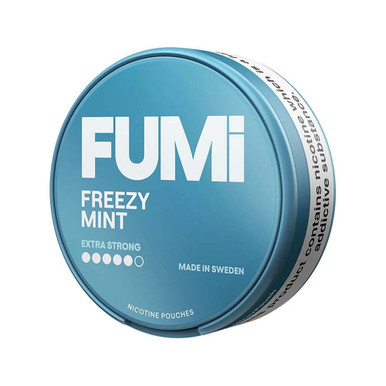
No. Our record holds one image for this listing. If you were hoping to see the can from several angles or read the back of it before ordering, that is not available here, and we would rather say so than imply a gallery exists.
Will it still be £27.90 when I order again?
We cannot promise that. £27.90 is the figure our records hold as this page is written, and the listing carries whatever the current one is. Prices across the shelf move for reasons we do not publish and do not hold, so a page written at one point is not a quotation for a later one. Check the listing at the moment you order rather than working from this paragraph.
Can I get ten cans with more than one flavour in them?
Not on this listing. What it covers is ten cans of one thing — Prickly Pear at 8mg — and we hold no mixed or build-your-own pack option anywhere in our data. Running two registers at once means buying two separate listings, which is what the rotation section above is about. Doing that within one maker is straightforward on the brand shelf, since the pricing across it is level.
The legal position, stated in full
This product is sold only to adults aged 18 or over who already use nicotine. We do not sell to anyone under 18. Age verification forms part of the checkout process, and ID may be requested on delivery; the parcel will not be handed over without it if it is asked for.
Nicotine is an addictive substance.
This is not a licensed stop-smoking medicine, and it is not intended for non-smokers, for anyone who does not already use nicotine, for anyone under 18, or for anyone who is pregnant or breastfeeding. We make no health, medical or therapeutic claim about this product in any direction. Questions about nicotine and your own circumstances belong with a healthcare professional rather than with a shop.
Closing summary
Fumi Prickly Pear is a 10-can listing at £27.90 — £2.79 a can — declaring 8mg, in stock at the time of writing, with one image and no flavour tag in our data. The name points at a soft, sweet, low-acid fruit; we hold no tasting note to confirm how it has been handled. It sits on two shelves only, the Fumi brand page and the medium band, and on no flavour shelf at all. Where this page could not answer something honestly, it said so rather than filling the space.
More from Fumi
More medium strength pouches
More fumi pouches
Where this sits
Fumi Prickly Pear Nicotine Pouches appears in these categories. Browse them, or jump to something close.
You might also like